Kampala, Uganda — In an era of rapid globalization, artificial intelligence, and accelerating urbanization, nations are increasingly recognizing that their greatest strategic assets are not only economic or technological but also cultural. Across Africa, governments are placing renewed emphasis on preserving indigenous knowledge, languages, and heritage as drivers of identity, tourism, education, and sustainable development.
Uganda offers one of the continent’s most compelling examples, Home to more than 56 indigenous ethnic communities, the country possesses one of Africa’s richest cultural landscapes a living tapestry woven from centuries of history, oral traditions, royal institutions, artistic expression, and communal values. Rather than existing solely in museums or archives, Uganda’s cultural heritage continues to shape everyday life, influencing governance, conflict resolution, social cohesion, agriculture, music, architecture, and diplomacy. As the international community increasingly embraces culture as an instrument of sustainable development and soft power, Uganda’s diverse heritage presents both a national treasure and a strategic global asset.
Uganda’s cultural identity is often described through the lens of diversity. Yet diversity alone does not fully explain its significance. The country’s cultural landscape reflects centuries of interaction among Bantu, Nilotic, Central Sudanic, and other indigenous communities whose traditions have evolved while maintaining distinct identities. From the rolling cattle corridors of western Uganda to the mountainous communities of the east and the pastoral plains of Karamoja, every region tells a unique story through language, music, architecture, cuisine, oral history, spirituality, and customary governance. This diversity has enabled Uganda to preserve traditions while adapting to changing political, economic, and technological realities.
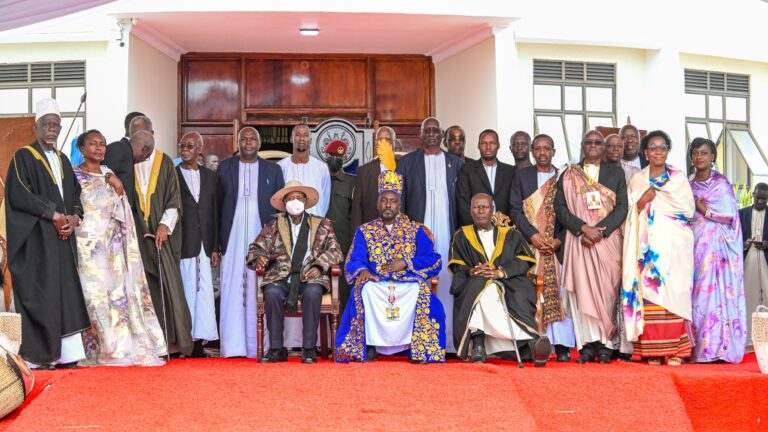
One of Uganda’s defining cultural characteristics is the continued relevance of its traditional institutions. Although constitutional governance rests with the Republic of Uganda, cultural kingdoms remain respected custodians of heritage, language, and identity. Among the most prominent is the Buganda Kingdom, whose royal seat at Mengo remains an important cultural institution. The Kingdom’s rich traditions including its intricate clan system, royal ceremonies, sacred forests, and traditional drumming continue to shape social life for millions of Baganda. The Kasubi Tombs, recognized as a UNESCO World Heritage Site, remain one of Africa’s finest examples of traditional architecture and royal heritage.
Western Uganda is equally renowned for the Ankole Kingdom, celebrated for its pastoral traditions and the iconic Ankole long-horned cattle, symbols of wealth, prestige, and resilience. Nearby, the Tooro Kingdom, nestled in the Rwenzori region, preserves centuries-old royal customs and ceremonial traditions that continue to attract visitors from across the world. Eastern Uganda is home to the Busoga Kingdom, whose agricultural heritage, music, dance, and communal traditions continue to flourish through cultural institutions and local initiatives dedicated to safeguarding indigenous knowledge. Northern and northeastern Uganda equally contribute to the country’s cultural richness. The Iteso, Acholi, Langi, and the pastoral Karamojong communities preserve distinct systems of governance, music, oral literature, and social organization that enrich Uganda’s national identity.
Uganda’s cultural landscape extends beyond communities into remarkable heritage sites that tell the story of civilizations spanning centuries. The UNESCO-listed Kasubi Tombs remain among Africa’s most significant royal burial grounds and stand as masterpieces of traditional craftsmanship. In western Uganda, the Igongo Cultural Centre provides visitors with a comprehensive journey through the history, archaeology, and traditions of the Ankole region. Elsewhere, the ancient Bigo bya Mugyenyi Earthworks continue to intrigue archaeologists seeking to understand pre-colonial political organization, while the geometric Nyero Rock Paintings preserve artistic expressions dating back thousands of years. Together, these sites demonstrate that Uganda’s history is deeply embedded within Africa’s broader civilizational narrative.
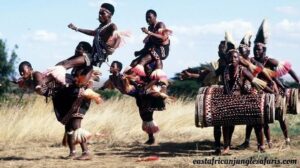
Long before written records became widespread, Ugandan communities documented history through music, storytelling, dance, and oral poetry. Traditional performances remain essential components of community life. Among the Banyankole, Ekitaguriro dance celebrates courtship and community identity. Northern Uganda’s Adungu harp continues to accompany storytelling traditions among the Acholi and Langi, while Buganda’s royal drumming remains central to coronations, ceremonies, and cultural festivals. Institutions such as Kampala’s Ndere Cultural Centre have become important platforms for preserving and showcasing these traditions to both domestic and international audiences. Similarly, the production of bark cloth, one of Uganda’s oldest surviving crafts, continues to symbolize the country’s enduring connection between culture, spirituality, and environmental sustainability.
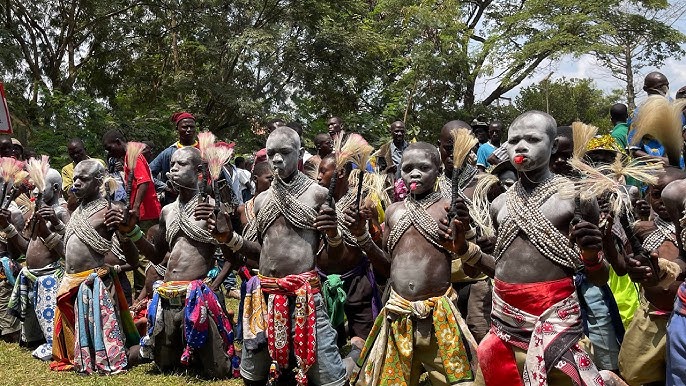
Across Uganda, cultural ceremonies continue to reinforce social cohesion and intergenerational learning. Perhaps the most internationally recognized is Imbalu, the Bagisu circumcision ceremony held every even-numbered year in eastern Uganda. Far beyond a physical rite, Imbalu represents courage, responsibility, community belonging, and cultural continuity. It has increasingly attracted researchers, tourists, and cultural enthusiasts interested in understanding African systems of identity formation. Comparable traditions exist among many Ugandan communities, reflecting the central role of communal values in preserving social harmony.
Globally, culture is increasingly viewed as an engine of economic transformation. Creative industries now contribute billions of dollars to national economies through tourism, fashion, music, film, heritage conservation, and cultural exports. For Uganda, cultural heritage presents significant opportunities to strengthen tourism, attract investment, promote local entrepreneurship, and enhance international partnerships. As governments worldwide invest in cultural diplomacy, Uganda’s heritage offers an opportunity to deepen engagement with global audiences while promoting a positive national image grounded in authenticity.
Modernization presents undeniable opportunities but also profound challenges, Urbanization, migration, language loss, climate change, and the influence of digital media continue to reshape traditional lifestyles. For younger generations, preserving indigenous knowledge requires deliberate investment in education, documentation, digital archiving, and community participation. Cultural preservation, therefore, should not be viewed as nostalgia. It is an investment in national resilience, social cohesion, and inclusive development.
Every culture carries its own identity, values, governance systems, oral traditions, ceremonies, and historical experiences. Many communities also share cultural ties that extend beyond Uganda’s borders, reflecting centuries of migration, trade, and regional interaction across East and Central Africa. Recognizing that each community contributes uniquely to Uganda’s national story, Daily Thinkers is launching a continuing Culture & Heritage Series dedicated to documenting, exploring, and celebrating Uganda’s diverse cultural landscape.
In forthcoming editions, we will publish in-depth features examining individual ethnic communities including the Baganda, Bagisu, Basoga, Banyankole, Batooro, Bakiga, Iteso, Acholi, Langi, Karamojong, Alur, Lugbara, Banyoro, and many others. We will also explore the histories of significant clans, traditional institutions, indigenous governance systems, cultural festivals, languages, architecture, cuisine, craftsmanship, and oral traditions. Our objective is not merely to preserve history, but to foster greater understanding of how Uganda’s cultural diversity continues to shape national identity, regional cooperation, cultural diplomacy, and sustainable development in the twenty-first century. Because understanding a nation begins with understanding its people and every community has a story worth telling.