June 2, 2026

Editor

Daily Thinkers is a digital news and analysis platform dedicated to thoughtful journalism and informed perspectives on global affairs. We cover diplomacy, real-estate, investment, economics, sports, governance, international relations, policy, development, and social issues with a strong emphasis on context, constructive, and credibility. In a fast-paced media environment, Daily Thinkers focuses on insight rather than immediacy, offering readers analysis that explains not only what is happening, but why it matters. Our content is designed for a global audience that values clarity, reasoned debate, and responsible reporting. With contributors drawn from journalism, academia, public policy, think tankers and diplomacy. Daily Thinkers serves as a bridge between information and understanding, particularly highlighting Africa’s evolving role within global conversations.

KISORO, Uganda — Long celebrated as one of Africa’s most significant ecological treasures, Kisoro District has built an international reputation around its unique biodiversity, fertile agricultural landscapes, and strategic role in Uganda’s tourism economy. Home to sections of the renowned Bwindi Impenetrable Forest, a UNESCO-recognized ecosystem known for hosting endangered mountain gorillas, the district has for decades balanced conservation efforts with the livelihoods of surrounding communities.


Today, however, a new economic reality is emerging across parts of the district, alongside traditional agricultural activities, stone quarrying and excavation ventures are increasingly becoming a source of income for local residents. While supporters view the growing industry as a pathway to employment and economic opportunity, concerns are mounting over its potential environmental consequences and long-term implications for community safety. In several areas, including parts of Rushaga Sub-county, residents have reported increased excavation activities on hillsides and fragile slopes. Community members say the expansion of quarrying operations has coincided with visible changes in the landscape, including tree clearance, soil disturbance, and growing fears of land degradation in a region characterized by steep terrain and relatively fragile soils.


Environmental experts have long warned that mountainous regions require careful land-use planning due to their vulnerability to erosion and landslides, particularly when vegetation cover is removed. In southwestern Uganda, where heavy rainfall is common, the risks associated with slope destabilization are often amplified. Residents in Rushaga point to a tragic incident in which a member of the community reportedly lost their life after being buried by a landslide. Local accounts attribute the disaster to excavation activities that may have weakened the affected area. While the precise circumstances surrounding the incident would require formal assessment by relevant authorities, the event has intensified calls for greater oversight and environmental safeguards. “The land is changing,” one community member, who requested anonymity due to the sensitivity of the matter, told Daily Thinkers. “People need income, but there is concern about how some of these activities are being conducted and what they could mean for future generations.”


The source further claimed that attempts by authorities to caution communities about certain practices were met with resistance from some local leaders who argued that residents should be allowed to pursue livelihoods similar to those available in other regions. Daily Thinkers was unable to independently verify these claims, and efforts to obtain responses from relevant stakeholders were ongoing at the time of publication. The situation highlights a broader policy challenge confronting many developing economies: how to balance economic opportunity with environmental sustainability. Across Africa, governments are increasingly navigating tensions between resource extraction, infrastructure development, and ecological preservation. While quarrying contributes to construction and local incomes, inadequate regulation can expose communities to significant environmental and social risks.


For Kisoro, the stakes may be particularly high, the district’s economy is closely linked to tourism, conservation, and agriculture sectors that depend heavily on environmental integrity. Bwindi and neighboring protected areas attract thousands of international visitors annually, generating revenue for local communities and supporting Uganda’s global reputation as a leading eco-tourism destination. Environmental degradation in surrounding landscapes could potentially affect water systems, agricultural productivity, and biodiversity corridors that connect human settlements to protected ecosystems. Such outcomes would not only have local consequences but could also influence broader conservation efforts that have positioned Uganda as a key player in global biodiversity protection.


Policy analysts argue that sustainable development requires stronger coordination between local governments, environmental agencies, community leaders, and private operators. Effective environmental impact assessments, enforcement of land-use regulations, reforestation initiatives, and community awareness programs are increasingly viewed as essential tools for managing development pressures in ecologically sensitive regions. As Kisoro continues to evolve economically, the challenge will be ensuring that short-term opportunities do not undermine long-term resilience. The district’s future may ultimately depend on finding a development pathway that safeguards both livelihoods and the natural assets upon which generations have depended. For communities living in the shadow of Bwindi’s ancient forests, the question is no longer whether development should occur, but how it can be pursued responsibly in one of Africa’s most environmentally significant landscapes.

OpinionIn the digital age, misinformation travels faster than a bullet, before facts are verified, narratives are formed. Before institutions respond, public opinion is often shaped, and before corrections are issued, the damage may already be done. For Uganda, this challenge is no longer hypothetical, almost every week, misleading reports, manipulated documents, edited videos, fabricated government announcements, and unverified claims circulate across social media platforms, messaging groups, and online forums. In many cases, government institutions are forced into reactive communication, spending valuable time debunking information that should never have gained traction in the first place.


Days later, clarification statements emerge from ministries, agencies, and departments confirming that the information was false. Yet by then, thousands sometimes millions of people may have already encountered, shared, and believed the original claim. The question facing Uganda is no longer whether misinformation exists, the question is whether the country possesses sufficient institutional capacity to detect, counter, and prevent it before it becomes part of the public discourse.


Globally, misinformation is increasingly viewed as a governance and national security challenge rather than merely a media concern. The World Economic Forum has repeatedly ranked misinformation and disinformation among the most significant risks facing societies in the coming decade. False information has influenced elections, undermined public health campaigns, triggered social unrest, affected financial markets, and weakened public trust in institutions. For Uganda, a country with one of the world’s youngest populations and rapidly expanding internet access, the stakes are particularly high.


Young people are consuming information primarily through smartphones, social media feeds, online influencers, and messaging applications. While this creates opportunities for civic participation and innovation, it also increases vulnerability to manipulated content and coordinated misinformation campaigns. When false information originates from individuals claiming insider access to government institutions or public affairs, the consequences become even more serious. Trust in official communication is weakened, public confusion grows, and citizens struggle to distinguish fact from fiction.


Several countries have recognised that traditional fact-checking alone is insufficient, In Singapore, the government introduced a coordinated framework that allows authorities to rapidly identify and publicly correct false information through official digital channels. The emphasis is not only on correction but also on speed and visibility. In Estonia, one of the world’s most digitally advanced nations, media literacy education begins early in schools. Citizens are taught how to identify manipulated information, verify sources, and critically evaluate online content.

Finland has become widely recognised for integrating digital literacy into its national education system. As a result, the country consistently ranks among the most resilient societies against misinformation. Meanwhile, Taiwan has developed a rapid-response digital communication model where government agencies respond to viral misinformation within hours rather than days. The strategy combines technology, public engagement, and proactive communication. These examples demonstrate a common principle: misinformation cannot be defeated solely by issuing press statements after falsehoods have already spread.


Uganda is not starting from zero, institutions such as the Uganda Media Centre, the Uganda Communications Commission (UCC), the National Information Technology Authority-Uganda (NITA-U), government spokesperson structures, and public communication units across ministries already provide a foundation upon which a stronger national strategy can be built. What remains missing is a fully integrated national misinformation management system, such a system would bring together government communicators, digital analysts, cybersecurity experts, media houses, technology platforms, and fact-checking organisations under a coordinated framework. Instead of responding days later, institutions would identify false narratives within minutes or hours of their emergence.


Uganda could establish a centralised digital verification hub operating twenty-four hours a day. The centre would monitor emerging misinformation trends, verify viral claims, coordinate responses across government agencies, and provide citizens with a trusted source for real-time verification. Such a centre should operate transparently and professionally, prioritising factual accuracy rather than political interests. Citizens frequently struggle to determine whether information attributed to government institutions is authentic. A single national verification platform could allow the public to instantly verify government announcements, policy statements, appointments, regulations, and public notices. This would significantly reduce confusion and strengthen confidence in official communication.

Many countries now use artificial intelligence tools to detect coordinated misinformation campaigns before they become widespread. NITA-U, working alongside relevant agencies, could explore technological solutions capable of identifying suspicious content patterns, fake documents, manipulated videos, and coordinated online activity. Technology alone cannot solve the problem, but it can dramatically improve response times.  The most effective defence against misinformation is an informed citizenry, Uganda’s education system, universities, media institutions, and civil society organisations should expand digital literacy programmes that teach citizens how to verify information, identify credible sources, and critically assess online content.


A population capable of questioning suspicious information becomes the first line of defence against manipulation. One of the greatest weaknesses exploited by misinformation actors is delayed communication. Government institutions should move towards real-time communication models where clarifications are issued quickly through multiple channels, including social media, websites, television, radio, and SMS alerts. When official information is timely and accessible, misinformation struggles to fill the vacuum.


If effectively implemented, a comprehensive misinformation management framework could deliver significant benefits. Public trust in institutions would improve, False reports capable of causing panic, market disruptions, or social tensions would be contained more rapidly. Government agencies would spend less time reacting to fabricated narratives and more time communicating policy priorities. National security risks associated with coordinated disinformation campaigns would be reduced. Most importantly, citizens would be empowered to make decisions based on verified information rather than speculation.


Any effort to combat misinformation must be balanced carefully against constitutional freedoms, the objective should not be censorship or suppression of legitimate criticism, democracies thrive when citizens are free to debate, question, and scrutinise public institutions. The challenge is distinguishing between free expression and deliberately false information designed to deceive, manipulate, or cause harm. Successful countries have shown that protecting information integrity and safeguarding democratic freedoms are not mutually exclusive goals.


As Uganda advances towards a more digital future, information governance will become as important as physical infrastructure. Roads connect communities, electricity powers economies but trusted information sustains democratic participation, economic confidence, and social cohesion. In the twenty-first century, misinformation is not simply a communication problem it is a development challenge, a governance challenge, and increasingly, a national resilience challenge. For Uganda, the solution lies not in responding after falsehoods spread, but in building institutions capable of identifying, verifying, and countering misinformation before it shapes public perception. In a world where fake news moves faster than facts, the countries that succeed will be those that invest not only in technology, but also in trust.

New Parliamentary Leadership Takes Office as Museveni Demands Accountability in Uganda’s Development Agenda
Kampala, Uganda — Uganda’s political landscape entered a new chapter this week as Members of Parliament elected a new Speaker and Deputy Speaker of the 12th Parliament, a development accompanied by a forceful call from President Yoweri Kaguta Museveni for greater accountability, leadership effectiveness, and accelerated socio-economic transformation.

Addressing legislators during the inaugural sitting of the 12th Parliament at Kololo Independence Grounds, President Museveni delivered one of his strongest messages yet on public service delivery, warning that leaders who fail to champion government development initiatives risk becoming obstacles to Uganda’s transformation agenda. The President’s remarks reflected a broader governance debate increasingly taking place across Africa: how to translate public investments and policy frameworks into measurable improvements in household incomes, economic inclusion, and social welfare.

While congratulating the newly elected parliamentary leadership, President Museveni challenged elected officials to move beyond political representation and embrace what he described as transformational leadership. His message centred on a recurring concern within many developing economies the gap between policy implementation and outcomes at community level. Uganda has in recent years expanded several flagship poverty alleviation and economic empowerment programmes, including the Parish Development Model (PDM), Emyooga, and other targeted interventions aimed at stimulating household incomes and local enterprise development.

According to the President, the existence of these programmes places a responsibility on political leaders to ensure that public resources reach intended beneficiaries and generate tangible economic impact. The remarks come at a time when governments across Africa are under growing pressure to demonstrate value for public spending amid rising youth populations, unemployment challenges, and increasing demands for inclusive growth. The election of a new parliamentary leadership also places renewed attention on Parliament’s constitutional role as both a legislative institution and an oversight body.

In a significant outcome, Jacob Marksons Oboth-Oboth, Member of Parliament for West Budama Central, was elected Speaker of the 12th Parliament after securing an overwhelming majority vote. His election signals continuity within Uganda’s governance framework while simultaneously raising expectations regarding institutional accountability, transparency, and legislative efficiency. Upon taking office, Speaker Oboth-Oboth outlined an agenda focused on strengthening parliamentary oversight, improving accountability mechanisms, and restoring public confidence in governance institutions. Notably, he pledged zero tolerance for corruption and misuse of public resources an issue that continues to dominate governance discussions across the continent. His commitment aligns with growing calls from development partners, civil society organisations, and citizens for stronger oversight of public expenditure and improved stewardship of national resources.

Across many democracies, public trust in political institutions has become an increasingly valuable but fragile asset. The new Speaker emphasized modesty, integrity, and service-oriented leadership as central pillars for rebuilding confidence between Parliament and citizens. Political analysts note that legislatures today are judged not merely by the laws they pass, but by their effectiveness in ensuring accountability, representing citizens’ concerns, and scrutinising executive action. For Uganda, the effectiveness of the 12th Parliament will likely be measured by its ability to respond to pressing national priorities, including economic transformation, job creation, healthcare resilience, infrastructure development, and governance reforms.

The election of Rt. Hon. Thomas Tayebwa as Deputy Speaker further consolidated the leadership structure of the new Parliament. Following his victory, Tayebwa called on legislators across political divides to work collectively in advancing national development priorities. His appeal reflects a broader recognition that sustainable development requires cooperation across political affiliations, particularly in addressing complex socio-economic challenges. In an increasingly interconnected world, effective parliamentary institutions are becoming critical actors in shaping investment confidence, strengthening democratic governance, and fostering policy stability.

Beyond governance and economic transformation, President Museveni also used the occasion to draw attention to Uganda’s ongoing Ebola response efforts. Calling for heightened vigilance, he urged citizens and public officials to observe preventive measures and support national containment strategies. The warning highlights the growing intersection between public health and governance. Recent global experiences have demonstrated that disease outbreaks are not solely health emergencies; they are also tests of institutional capacity, public communication, and societal resilience. As Uganda responds to the Ebola Bundibugyo outbreak, Parliament is expected to play a critical oversight role in ensuring adequate resource allocation, accountability in emergency response expenditures, and support for affected communities.

The inauguration of the 12th Parliament comes at a pivotal moment for Uganda, the country faces opportunities arising from demographic growth, regional trade integration, infrastructure expansion, and energy development. At the same time, it must navigate challenges related to public service delivery, employment creation, health security, and governance accountability. Against this backdrop, President Museveni’s message to legislators was clear: leadership must be measured not by political status but by its impact on citizens’ lives. The election of a new Speaker and Deputy Speaker therefore represents more than a parliamentary transition. It marks the beginning of a new phase in Uganda’s governance journey one in which accountability, institutional credibility, and socio-economic transformation are likely to define both public expectations and political success. For Uganda, and indeed for many African nations pursuing ambitious development agendas, the central question remains whether leadership can effectively bridge the gap between policy commitments and lived realities. The answer may ultimately shape not only the legacy of the 12th Parliament but also the trajectory of Uganda’s long-term national transformation.

Kampala, Uganda —The confirmation of the Ebola Bundibugyo outbreak in Uganda has once again placed East Africa at the centre of a global public health conversation one that extends far beyond disease containment and into questions of governance, institutional resilience, regional coordination, and public trust. Originating from neighbouring Ituri Province in the Democratic Republic of Congo (DRC), the outbreak has already registered alarming fatalities and cross-border transmission risks, underscoring the increasingly interconnected nature of health security in the Great Lakes region. Yet within this challenge also lies a defining policy question for Africa and the international community alike: whether public health emergencies can be managed through reactive crisis response alone, or through sustained investment in resilient systems capable of withstanding future shocks.


The Resilience Action Network Africa (RANA) Uganda Working Group, alongside a coalition of civil society and health governance organisations, has called for a coordinated, rights-based, and community-centred response framework that places accountability, preparedness, and regional solidarity at the heart of containment efforts. Uganda’s swift activation of its National Ebola Response Plan demonstrates institutional lessons drawn from previous outbreaks. Through the Ministry of Health and national emergency coordination mechanisms, authorities have rapidly deployed surveillance systems, activated emergency operations centres, intensified risk communication campaigns, and strengthened engagement with international actors including the World Health Organization (WHO) and the Africa Centres for Disease Control and Prevention (Africa CDC).


These measures reflect not only technical preparedness, but also growing continental recognition that epidemic response has become inseparable from national security, economic continuity, and diplomatic cooperation. However, the outbreak also exposes structural vulnerabilities that continue to challenge health governance across many African states. Constraints in district-level health infrastructure, shortages in infection prevention and control (IPC) capacity, limited logistical support in high-risk border districts, and overstretched frontline personnel risk undermining containment gains if not urgently addressed. Equally significant are the socio-economic realities shaping transmission dynamics, the porous borders between western Uganda and eastern DRC remain deeply integrated through trade, fishing, mining, pilgrimage, and family movement. In this context, disease surveillance cannot succeed through border enforcement alone; it requires trust-based regional coordination rooted in shared responsibility.


Civil society actors have therefore emphasized that community engagement must be treated not as a supplementary communication tool, but as a strategic pillar of epidemic governance. Misinformation, stigma, and distrust continue to delay early reporting and healthcare access in vulnerable communities, reinforcing the need for culturally grounded engagement through local councils, religious institutions, cultural leaders, and village health teams. Importantly, the current outbreak carries heightened concern because the Bundibugyo strain has no licensed vaccine or approved therapeutic intervention. With case fatality rates historically reaching up to 50 percent, the burden of containment rests heavily on early detection, robust surveillance, infection prevention systems, and sustained public cooperation.


In this regard, the RANA Uganda Working Group and partner organisations have outlined a comprehensive policy-oriented framework to reinforce Uganda’s response and strengthen long-term resilience. Their recommendations include sustained investment in district-level health systems, particularly in border and high-risk areas; expansion of the healthcare workforce with emphasis on IPC, case management, and safe burial practices; and stronger protection mechanisms for frontline health workers, including adequate personal protective equipment (PPE), mental health support, insurance, and fair risk compensation. The coalition has further called for the protection of essential health services including maternal healthcare, HIV/AIDS treatment, tuberculosis care, immunisation programmes, and chronic disease management to prevent secondary public health crises during outbreak response periods.


At the governance level, the organisations stress the importance of transparency and accountability in emergency procurement and resource allocation. They urge strict adherence to Uganda’s Public Procurement and Disposal of Public Assets (PPDA) emergency guidelines to safeguard public trust and ensure value for money in response operations. The recommendations also advocate for a broader “One Health” approach that recognises the interdependence between human health, environmental systems, and animal health. Such an approach increasingly reflects global thinking on pandemic preparedness, especially as climate pressures, displacement, and ecological disruption continue to reshape disease patterns worldwide.


Beyond Uganda, the outbreak carries implications for regional integration and continental policy coordination under frameworks such as the African Union’s health security agenda and the Africa CDC’s regional preparedness mechanisms. It reinforces the urgency of investing in African-led research capacity, local pharmaceutical manufacturing, and resilient public health infrastructure capable of reducing dependence on external emergency interventions. For Daily Thinkers readers, the current outbreak represents more than a health emergency. It is a test of governance, communication, institutional trust, and collective responsibility. The effectiveness of Uganda’s response will not be measured solely by infection curves, but by the extent to which communities remain informed, protected, and included within national response strategies.


History has repeatedly demonstrated that outbreaks are not defeated by medical interventions alone. They are contained through credible leadership, transparent institutions, and public confidence. In an era where health crises increasingly intersect with economics, diplomacy, migration, and security, Africa’s public health responses must be viewed not as isolated national events, but as part of a wider global resilience architecture. Uganda has confronted Ebola before. The challenge now is not only to contain the virus, but to strengthen the systems that determine how societies endure and recover from future crises.


Signatories

  • AHF Uganda Cares
  • Afya na Haki (Ahaki)
  • Africa Freedom of Information Centre (AFIC)
  • Center for Health, Human Rights and Development (CEHURD)
  • Center for Women Justice – Uganda
  • Centre for Health Law and Policy Innovation
  • Developing Minds Group (DMG)
    Front Rise Health Uganda
  • HEPS Uganda
  • Local Sustainable Communities Organisation (LOSCO)
  • Population Services International, Uganda (PSI)
  • Support on AIDS & Life Thru Telephone Helpline (SALT)
  • Together Alive Health Initiative (TAHI)
  • Uganda Muslim Medical Bureau (UMMB)
  • Uganda National Health Users/Consumers’ Organization (UNHCO)
  • Women with a Mission (WWM)

Kampala, Uganda — The appointment of Ambassador Adonia Ayebare as Uganda’s new Minister of Foreign Affairs marks more than a routine cabinet reshuffle. For many within diplomatic and policy circles, it represents a significant institutional shift one that places a career foreign service officer, rather than a conventional partisan politician, at the helm of Uganda’s international engagement. At a time when diplomacy is increasingly shaped by geopolitical competition, regional insecurity, economic negotiations, and strategic partnerships, Amb. Ayebare’s elevation is being interpreted as a deliberate attempt to strengthen professionalism within one of Uganda’s most critical ministries. His story is not one of sudden political visibility or populist mobilization. Instead, it reflects a quieter trajectory defined by intellectual preparation, institutional discipline, and long-term engagement in international affairs.


Born on 18 October 1966, Amb. Adonia Ayebare’s professional journey began not in diplomatic chambers, but in journalism. Between 1996 and 1998, he worked as a staff reporter at East African Business Week in Kampala, where he covered politics, governance, economics, and regional affairs. Those years in the newsroom exposed him to the intersection between information, public policy, and power an experience that would later shape his diplomatic style. He subsequently served as an Information Officer with the Integrated Regional Information Network (IRIN), further deepening his understanding of conflict reporting, humanitarian communication, and regional political dynamics across Africa.


Close friends’ familiar with his career often point to this early media background as one of the defining features of his diplomatic approach: measured communication, analytical engagement, and an ability to navigate complex political narratives with restraint. Behind that professional evolution stood a strong academic foundation. Ayebare earned a Bachelor of Arts degree in Mass Communication from Makerere University in 1993 before pursuing advanced studies in the United States. He later obtained Master’s degrees from Long Island University and The Fletcher School of Law and Diplomacy institutions internationally recognized for diplomacy, international relations, and strategic studies.


His academic journey continued through doctoral studies at Indiana University and Rutgers University, reinforcing a career increasingly grounded in policy analysis and global affairs. Amb. Ayebare formally entered Uganda’s diplomatic service in 2001 when he was appointed Principal Adviser and Special Envoy to the Burundi peace process. The assignment placed him within one of the region’s most delicate peacebuilding efforts, introducing him to mediation, conflict resolution, and high-level continental negotiations. From 2002 to 2005, he served as Uganda’s Ambassador to Rwanda and Burundi during a period marked by evolving regional security relations within the Great Lakes region. His diplomatic profile continued to rise when he joined Uganda’s Permanent Mission to the United Nations in New York as Deputy Permanent Representative and Chargé d’Affaires.


His international experience later extended beyond state diplomacy into global policy institutions. Ayebare served as Director of the Africa Program at the International Peace Institute, a globally respected think tank focused on peace, security, and multilateral cooperation. He later returned to Uganda’s Mission at the United Nations before assuming another influential continental role as Senior Adviser on Peace and Security at the African Union Observer Mission to the UN. In March 2017, President Yoweri Museveni appointed him Uganda’s Permanent Representative to the United Nations arguably one of the country’s most strategically important diplomatic postings. Over the years, Amb. Ayebare emerged as one of Uganda’s most recognizable international voices, representing the country in debates on regional peacekeeping, climate diplomacy, security cooperation, refugee policy, and multilateral governance.


Now, his appointment as Foreign Minister signals what some analysts describe as a transition from politically driven diplomacy toward a more technocratic and institutionally grounded foreign policy posture. The Ministry of Foreign Affairs has, over the years, often faced criticism linked to administrative tensions, political appointments, and questions surrounding coordination within Uganda’s external relations strategy. By appointing a seasoned diplomat who has risen through the structures of the foreign service itself, the administration appears to be reinforcing confidence in institutional expertise. Within diplomatic circles, the symbolism is difficult to ignore: a man who once reported on public affairs from a newsroom now assumes responsibility for shaping Uganda’s voice on the global stage.


For younger Ugandans, particularly students of journalism, diplomacy, and international relations, Ayebare’s rise carries broader significance. It reflects the possibility of professional growth built not on political spectacle, but on consistency, intellectual investment, and institutional credibility. From writing stories in Kampala to negotiating policy in New York, Adonia Ayebare’s journey illustrates how influence is sometimes built quietly through years of preparation, discipline, and service behind the scenes. In many ways, his appointment also represents the maturation of Uganda’s diplomatic establishment itself: where those trained within the system are increasingly entrusted to lead it.

Kampala, Uganda — The election of Jacob Marksons Oboth Oboth as Speaker of Uganda’s 12th Parliament is being interpreted by many political observers as more than a routine parliamentary transition. For some, it represents a carefully calibrated consolidation of power within the ruling establishment. For others, it reflects a familiar cycle in Uganda’s politics where loyalty, timing, and silence often carry greater political currency than public ambition.


Oboth Oboth’s ascent comes in the aftermath of one of the most politically turbulent periods in Uganda’s recent parliamentary history: the dramatic fall of former Speaker Anita Annet Among, whose tenure increasingly became overshadowed by allegations of corruption, abuse of office, and widening internal divisions within the state machinery. While no court of law has convicted her on many of the allegations circulating in public discourse, the political pressure surrounding her office had become impossible to ignore.


The turning point, according to analysts, emerged when the ruling establishment appeared to withdraw its political shield. The announcement by Patriotic League of Uganda (PLU) Secretary General Daudi Kabanda distancing support from the outgoing Speaker was widely viewed as a signal of shifting power calculations within the system. What followed intensified speculation: security operatives reportedly conducting searches at properties associated with the former Speaker, including her residence, office, village home, and business-linked establishments.


For Ugandans who have witnessed similar political episodes over the decades, the developments revived uncomfortable memories. Across different administrations and institutions, several once-powerful figures have experienced abrupt political isolation after falling out of favour with the establishment they once served. In Uganda’s political culture, critics argue, humiliation often begins quietly through silence from allies, withdrawal of endorsements, or strategic distancing before formal political collapse becomes visible.


It is within this atmosphere that Oboth Oboth’s rise is being examined, unlike many figures who openly campaigned or positioned themselves for the speakership, Oboth Oboth remained notably restrained. His name rarely dominated public debate around succession politics. Yet behind the scenes, his political journey had been unfolding steadily and methodically through the institutional corridors of Parliament and Cabinet. Representing West Budama Central, Oboth built influence not through populist theatrics, but through committee systems and internal parliamentary structures. He chaired key committees including Rules, Discipline and Privileges; Natural Resources; and Legal and Parliamentary Affairs positions that exposed him to both legislative procedure and power negotiation. His later appointments as State Minister for Defence and subsequently Minister of Defence and Veteran Affairs further deepened his proximity to the centre of state power.


The circulation of photographs showing Oboth alongside former Speaker Rebecca Alitwala Kadaga has only added another layer to political interpretation. Kadaga, who herself experienced a difficult and highly publicized exit from the speakership, was long perceived to have maintained a complicated relationship with Among. For sections of the political class, the imagery symbolized continuity within an older institutional network seeking renewed influence after years of internal contestation.


The central question emerging from the transition is whether Oboth Oboth represents a stabilizing negotiator within the ruling establishment or a consolidator of deeper executive influence over Parliament. Supporters describe him as measured, experienced, and institutionally grounded. They argue that his background in legal and parliamentary affairs positions him to restore procedural discipline and rebuild public confidence in the House after years of controversy and political spectacle. Critics, however, caution that Uganda’s Parliament has historically struggled to maintain full institutional independence from executive power. In their assessment, the speakership transition may signal a broader reorganization of internal political control rather than a democratic reset.


Yet beyond elite political calculations lies a deeper public sentiment, For many Ugandans who have previously watched prominent officials rise, fall, and face state pressure after losing political protection, the latest developments resonate less as isolated events and more as part of a recurring national pattern. It is a reminder of how fragile political alliances can become when power shifts direction.


Still, Oboth Oboth enters office at a defining moment for Uganda’s legislature. Public trust in institutions remains under scrutiny, youth unemployment continues to shape political frustrations, and demands for accountability are growing louder across civic spaces. Whether his leadership becomes remembered as a period of institutional repair or political consolidation may ultimately depend not on how he attained the office, but on how he exercises it. For now, one reality remains undeniable: Jacob Oboth Oboth’s rise was quiet, calculated, and deeply consequential and in Ugandan politics, silence has often been the loudest signal of all.

New York / Islamabad United Nations Secretary-General António Guterres has strongly condemned the deadly train explosion in Pakistan’s Balochistan province, describing the attack as unacceptable and reiterating the international community’s collective responsibility to confront terrorism in all its forms.


In a statement delivered by UN Spokesperson Stéphane Dujarric on 25 May 2026, the Secretary-General extended condolences to the families of those killed and wished a swift recovery to those injured following the explosion that targeted a passenger train in southwestern Pakistan.

The incident has once again drawn global attention to the fragile security dynamics in Balochistan, a region that has for years remained at the centre of insurgency-related violence, separatist tensions, and cross-border security concerns. While investigations into the latest attack remain ongoing, the bombing underscores the broader challenge facing states attempting to balance national security, regional stability, and civilian protection in conflict-affected areas.

“The Secretary-General strongly condemns the explosion targeting a train in Pakistan’s Balochistan province,” the statement noted, while emphasizing that “terrorism in all its forms and manifestations is unacceptable.”


The United Nations further stressed the importance of accountability, calling for those responsible for the attack to be identified and brought to justice in accordance with international law and established legal procedures. The condemnation comes at a moment of heightened international debate around global peace and security frameworks. Addressing the United Nations Security Council in New York, Secretary-General Guterres also urged member states to recommit themselves to the foundational principles of the UN Charter, warning that increasing geopolitical fragmentation and persistent conflicts continue to strain the international order.


In his broader remarks to the Council, the UN chief emphasized the need for multilateral cooperation and stronger adherence to international norms, particularly at a time when terrorism, armed conflict, and political instability are affecting multiple regions simultaneously. For Pakistan, the latest attack presents renewed pressure on security institutions already confronting a complex internal security environment. Balochistan, despite being strategically important because of its mineral resources and regional trade significance, has frequently experienced attacks targeting civilians, infrastructure, and state institutions.


Analysts note that attacks on public transportation systems carry both symbolic and psychological implications, often intended to undermine public confidence and generate wider fear beyond the immediate area of impact. The United Nations’ expression of solidarity with both the Government and people of Pakistan reflects continued international concern over the humanitarian and security consequences of extremist violence. At the diplomatic level, the incident is also likely to intensify discussions around intelligence cooperation, counterterrorism coordination, and regional stabilization efforts across South Asia.


As investigations continue, the attack serves as another reminder that terrorism remains not only a national security issue, but a global governance challenge requiring sustained international collaboration, political dialogue, and long-term investment in peacebuilding initiatives. The Secretary-General concluded by reaffirming the United Nations’ solidarity with Pakistan during what he described as a difficult moment for the country and the families affected by the tragedy.


Kampala, Uganda — President Yoweri Kaguta Museveni has unveiled a major reshuffle of Executive, appointing a new line-up of Cabinet Ministers, Ministers of State, and Senior Presidential Advisors ahead of the anticipated State of the Nation Address. The changes, announced under the constitutional powers vested in the Presidency, signal both continuity and strategic political recalibration within the ruling National Resistance Movement (NRM) government. The appointments, made under Articles 108, 108A, 111, 113, and 114 of the 1995 Constitution, retain several long-serving political figures while introducing notable shifts across critical ministries including Foreign Affairs, Finance, Defence, ICT, and Local Government.

The new changes reflect a calculated balancing act one aimed at consolidating institutional control, rewarding loyalty, addressing emerging governance pressures, and preparing the administration for the next phase of Uganda’s political and economic agenda. At the centre of continuity remains Vice President Maj. (Rtd) Jessica Alupo and Prime Minister Robinah Nabbanja, both retained in their positions, signaling the President’s confidence in the existing top executive structure. However, beneath that continuity lies a series of consequential adjustments.

One of the most striking developments is the appointment of Ambassador Adonia Ayebare as Minister of Foreign Affairs, a move likely to strengthen Uganda’s diplomatic posture at a time when regional security dynamics and global geopolitical tensions continue to shape East Africa’s strategic environment. Ayebare, widely known within international diplomatic circles for his role as Uganda’s Permanent Representative to the United Nations, brings extensive multilateral experience into the ministry. Equally notable is the appointment of Dr. Crispus Walter Kiyonga as Second Deputy Prime Minister, reinforcing the return of seasoned historical figures within the ruling establishment. Rebecca Kadaga also maintains significant influence as First Deputy Prime Minister and Minister for East African Community Affairs, further underscoring the continued relevance of veteran political actors within Museveni’s governance architecture.

In the economic sector, Henry Musasizi assumes the influential Finance docket, replacing longstanding figures associated with Uganda’s fiscal management Matia Kasaijja. The appointment comes at a period marked by rising public debt concerns, youth unemployment pressures, and growing calls for economic reforms aimed at stimulating industrialization and investment. The reshuffle also carries strong political undertones in the security and governance sectors. Kiryowa Kiwanuka’s appointment as Minister of Defence and Veteran Affairs, alongside the placement of Prof. Ephraim Kamuntu at Internal Affairs, suggests renewed emphasis on institutional management and state security coordination.

From a far distance the appointments points to the strategic placement of technocrats and politically loyal figures in ministries linked to information control, public communication, and innovation. The appointment of Jane Ruth Aceng Ocero to ICT and National Guidance, coupled with Engineer Asiimwe Jonard’s placement in Science, Technology and Innovation, reflects the administration’s increasing recognition of technology and digital governance as central political and economic tools.

While the reshuffle elevated several individuals, it also marked the exit of prominent ministers and senior officials who had previously occupied influential positions within government. Among the most notable figures dropped from Cabinet are:
• Hon. Ruth Nankabirwa
• Hon. Evelyn Anite
• Hon. Francis Mwebesa
• Hon. Hamson Obua
The four have instead been redirected to roles as Senior Presidential Advisors, a transition often interpreted in political system as both a soft landing and a restructuring of influence away from frontline executive authority. Meanwhile, Dr. Kenneth Omona has been removed from Cabinet and transferred to the diplomatic service as Ambassador to a station yet to be communicated officially.

Political observers note that such reassignments are rarely administrative alone, in Uganda’s political tradition, Cabinet reshuffles frequently serve broader strategic purposes: managing internal party dynamics, responding to public perception, balancing regional interests, and reorganizing power centres ahead of significant national political moments. The reshuffle also appears designed to reinforce generational and institutional balancing within the NRM. While veteran political figures continue to dominate key ministries, newer faces have been introduced into State Minister portfolios, signaling cautious succession planning without fundamentally disrupting the established power structure.

For many Ugandans, however, attention will increasingly shift from appointments to performance. The country continues to face pressing challenges ranging from cost-of-living concerns and service delivery gaps to questions surrounding governance, accountability, and employment opportunities for the country’s growing youth population. The timing of the appointments just ahead of the State of the Nation Address is equally significant. President is positioning his executive team to project stability, cohesion, and readiness as government outlines its priorities for the coming political and economic cycle. Yet the reshuffle also reinforces a familiar reality within Uganda’s political system: Cabinet remains not only an administrative institution, but a central instrument through which political loyalty, regional balancing, and state authority are negotiated and maintained.

As the newly appointed ministers prepare to assume office, scrutiny will likely intensify over whether the reshaped Executive can translate political continuity into measurable governance outcomes in an increasingly demanding national environment. For now, the reshuffle has once again demonstrated President Museveni’s enduring ability to recalibrate power within Uganda’s state machinery carefully preserving old alliances while opening selective space for new actors within the system.

Kampala, Uganda — The Uganda Wildlife Authority has issued a notice allowing rescheduling of gorilla permits following Ebola-related concerns linked to the Democratic Republic of Congo (DRC) reflects the growing pressure East African tourism economies face whenever regional health outbreaks emerge near shared borders. While Uganda has not declared an Ebola outbreak within its key tourism destinations, international perception, amplified by global media coverage, often moves faster than geographic realities.


Once reports of Ebola cases in eastern DRC surfaced, international headlines quickly framed the outbreak within the wider East African region. For many overseas travelers unfamiliar with regional border dynamics, distinctions between outbreak zones and tourism circuits become blurred. The result has been growing concern among tourists and international travel agents, particularly regarding gorilla trekking experiences in southwestern Uganda due to their proximity to the DRC border. The Uganda Wildlife Authority (UWA), through its latest communication to tour operators, acknowledged the increasing number of requests for gorilla permit rescheduling amid Ebola fears. The notice outlines a flexible approach allowing tourists unable to travel due to outbreak-related concerns to reschedule permits at no additional cost, subject to availability and verification from overseas agents or clients.


From a tourism management perspective, the move signals an attempt to preserve confidence within Uganda’s high-value conservation tourism sector while balancing public health sensitivity and operational continuity. Gorilla tourism remains one of Uganda’s most important foreign exchange earnings and a cornerstone of its international destination branding. Any prolonged disruption within this segment carries implications not only for tourism revenues, but also for conservation financing, community livelihoods, and investor confidence across the hospitality sector. However, the situation also raises broader questions about crisis communication and regional tourism resilience within East Africa. In today’s global information environment, outbreaks, insecurity, or conflict occurring near borders can rapidly affect entire regional tourism ecosystems regardless of whether destinations themselves remain operationally safe.


Uganda now finds itself confronting a familiar challenge faced by many tourism-dependent economies: how to manage international perception during external crises largely beyond direct national control. Health outbreaks, much like security incidents, often produce fear-driven reactions among travelers, insurers, and international operators long before official risk assessments are fully understood. The challenge becomes even more significant given Uganda’s tourism recovery cycle. The country has been operating within a relatively slower tourism season, and industry stakeholders were anticipating improved arrivals as peak travel months approached. The emergence of Ebola concerns linked to neighboring DRC therefore arrives at a particularly sensitive moment for tour operators, hotels, transport providers, and conservation agencies hoping to stabilize post-pandemic growth momentum.


Industry observers increasingly argue that East African tourism resilience now depends not only on destination attractiveness, but also on how governments and institutions communicate during crises. Travelers today respond as much to perception management as to the actual risk environment. This is where comparisons with Rwanda’s tourism crisis management model frequently emerge within regional conversations. Rwanda has over the years built a reputation for disciplined crisis communication, rapid international engagement, and centralized narrative management during periods of regional insecurity or external concern. Even amid occasional rebel activity near border regions, Rwanda’s tourism sector has often succeeded in maintaining global confidence through coordinated messaging, diplomatic reassurance, aggressive destination branding, and visible institutional response systems.


The lesson for Uganda may not necessarily lie in replicating Rwanda’s model entirely, but in strengthening institutional coordination between tourism authorities, public health agencies, foreign missions, airlines, tour operators, and international media engagement teams during periods of regional uncertainty. Tourism crises today are rarely resolved through silence alone. In many cases, absence of coordinated communication allows speculation and international anxiety to dominate narratives. Proactive visibility, transparent updates, health preparedness briefings, and targeted reassurance campaigns increasingly form part of modern tourism diplomacy. Equally important is the role of regional cooperation. Because East Africa’s tourism ecosystem is interconnected, outbreaks or security incidents affecting one country often influence neighboring destinations. This creates a growing need for coordinated regional response mechanisms capable of distinguishing isolated risk zones from unaffected tourism corridors.


Uganda’s conservation assets remain globally competitive. Bwindi Impenetrable National Park, community tourism initiatives, cultural heritage sites, and biodiversity experiences continue to attract significant international interest. Yet protecting these gains increasingly requires investment not only in wildlife conservation, but also in strategic communication infrastructure capable of managing perception during unpredictable crises. The UWA notice therefore represents more than an administrative adjustment for tourists. It reflects the delicate balancing act confronting African tourism economies operating within complex regional realities where public health, geopolitics, media narratives, and economic survival intersect. As East Africa continues navigating cross-border health and security uncertainties, the broader challenge will not simply be responding to outbreaks after they occur. It will be building tourism systems resilient enough to sustain confidence even during periods of regional instability. In global tourism, perception can influence economies almost as powerfully as reality itself.


 Kilifi, Kenya — Fresh concerns have emerged over presidential security management in Kenya after a young man briefly breached security and stormed toward President William Ruto’s podium during a public event in Kilifi County, marking the latest in a series of incidents that have exposed vulnerabilities around high-profile political gatherings. The dramatic moment unfolded during a thanksgiving ceremony for Youth Affairs Principal Secretary Fikirini Jacobs, where President Ruto was addressing supporters before the event was suddenly interrupted by the intruder. In full view of cameras and attendees, the individual managed to move toward the podium, forcing the President to abruptly halt his speech as members of his security detail rushed to restrain and remove the man.


Amid the confusion, President Ruto appeared visibly shaken and nearly lost his balance as security officers tackled the individual near the podium. Witnesses at the event reported a brief moment of panic before the situation was brought under control. In a move that quickly drew public attention online, Ruto attempted to calm the situation and appeared to urge restraint from his security personnel. “Leave that young man alone,” the President was heard saying after the individual had already been subdued. Moments later, Ruto sought to downplay the incident publicly, joking that the young man was likely trying not to “miss an opportunity” after learning from the host of the event. However, despite the President’s attempt to ease tensions, the episode has reignited debate over the effectiveness and preparedness of Kenya’s presidential security systems during open public engagements. What has intensified concern is that the Kilifi incident is not isolated. Over the past year, President Ruto has experienced several similar security breaches during public rallies and official events, prompting growing scrutiny of crowd-control protocols and the responsiveness of the Presidential Escort Unit (PEU).


In February 2026, during a visit to Wajir County for the disbursement of NYOTA startup funds, another young man reportedly approached the podium from the President’s blind side while he addressed the public. Security officers intervened before the individual could get close to the Head of State. Just days earlier, on February 6 in Mombasa, another unidentified man ran toward the podium while Ruto was speaking at a separate event. In that case, the President reportedly instructed security officers to allow the man to speak, a reaction that generated mixed public responses regarding the balance between accessibility and security. Perhaps the most alarming incident occurred in May 2025 in Migori County, when a shoe was thrown toward President Ruto while he addressed a rally. The President reportedly blocked the object with his arm, narrowly avoiding direct impact. Following that incident, reports indicated that presidential security arrangements had been reviewed and strengthened, with tighter crowd-control measures introduced at subsequent events.


Despite those adjustments, the recurrence of security breaches has continued raising difficult questions about the vulnerabilities associated with highly public and politically charged gatherings in Kenya’s evolving political environment. Political analysts note that modern presidential security increasingly faces challenges linked to changing political culture, crowd dynamics, and the growing influence of spontaneous public interactions amplified by social media visibility. Leaders seeking to maintain direct engagement with citizens often favor open rallies and accessible public appearances, but such visibility can simultaneously increase exposure to unpredictable security risks.


Kenya’s political rallies have historically carried intense public energy, often drawing large crowds in emotionally charged environments where movement control becomes difficult. In such contexts, even minor breaches can quickly escalate into major security concerns, particularly given regional and global trends surrounding attacks on public officials. Security experts argue that the repeated incidents involving President Ruto may not necessarily indicate complete institutional failure, but rather reflect the increasing complexity of securing modern political events while preserving public accessibility. The challenge for presidential protection units globally is balancing democratic openness with strict operational security.


At the same time, the optics surrounding repeated breaches can significantly affect public confidence in state security structures. When individuals appear capable of reaching close proximity to a sitting Head of State with relative ease, questions inevitably emerge regarding intelligence coordination, perimeter enforcement, crowd screening, and response timing. The incidents have also generated broader political discussion within Kenya, where public reactions remain divided. Some citizens interpret the episodes as evidence of the President’s willingness to remain accessible and connected to ordinary people. Others see them as warning signs of growing lapses within elite security management.


As Kenya continues navigating a politically active environment characterized by frequent rallies and public mobilization, pressure is likely to grow on security agencies to reassess operational procedures around presidential events. Ultimately, the Kilifi incident serves as another reminder that in modern political environments, public engagement and national security increasingly intersect in delicate ways. For state institutions, the challenge lies not only in protecting leaders physically, but also in maintaining public confidence without undermining the openness expected within democratic societies.

Washington, D.C. — Across the United States, flags are being flown at half-staff as the country marks Memorial Day, one of the few national observances that continues to unite Americans across political, regional, and cultural lines through a shared act of remembrance and national reflection. The nationwide tribute, observed annually on Memorial Day, honors members of the United States Armed Forces who lost their lives in military service. From federal institutions and military installations to schools, public buildings, and local communities, the lowering of flags remains among the most visible symbols of collective national mourning and respect. Unlike many modern commemorations shaped by political debate or ideological division, Memorial Day continues to hold a uniquely unifying place within American civic culture. The observance cuts across state boundaries and social differences, creating a moment where national identity is expressed through remembrance rather than partisanship.


This year’s ceremonies and tributes come at a time when many democracies globally are reflecting more deeply on questions of national cohesion, civic responsibility, and historical memory amid increasingly polarized political environments. In the United States, Memorial Day retains significance not only because of its military associations, but also because it reinforces a broader tradition of honoring sacrifice in service to national institutions. The practice of flying flags at half-staff carries deep historical and diplomatic symbolism internationally. Across many countries, lowering the national flag is reserved for periods of mourning, remembrance, or recognition of significant national loss. In the American context, Memorial Day observances traditionally require flags to remain at half-staff from sunrise until noon before being returned to full-staff later in the day a symbolic transition representing both mourning for the fallen and the continuation of national resilience.


Public commemorations across the country are expected to include military parades, wreath-laying ceremonies, cemetery tributes, moments of silence, and gatherings involving veterans’ organizations and families of fallen service members. Arlington National Cemetery remains among the focal points of national observance, alongside memorial events hosted by local communities throughout the country. Beyond ceremony, Memorial Day also reflects the enduring relationship between military service and national identity within American society. For many families, the day carries deeply personal significance linked to generations who served in conflicts ranging from World War II and Vietnam to Iraq and Afghanistan.


Analysts note that national remembrance traditions often play an important role in reinforcing civic continuity, particularly during periods of social fragmentation or political tension. Shared rituals whether tied to military remembrance, independence commemorations, or historical milestones help sustain a sense of collective memory within modern states. At the same time, Memorial Day increasingly unfolds within a rapidly changing global environment where the role of military institutions, veterans, and national security remains central to international political discourse. Ongoing geopolitical tensions in Europe, the Middle East, and Asia have renewed conversations globally around sacrifice, security alliances, and the human cost of conflict.


In the United States, however, Memorial Day continues to maintain a distinctly reflective tone compared to more celebratory patriotic holidays. The lowered flags serve as a visible reminder that national freedoms and institutions have historically carried human costs borne by military personnel and their families. The observance also highlights how symbolism remains powerful within state traditions. In an age dominated by fast-moving digital communication and fragmented public attention, physical national rituals such as flags flown at half-staff continue to carry emotional and political significance precisely because they are visible, collective, and widely understood.


For many observers, the continued nationwide observance of Memorial Day demonstrates the enduring relevance of civic traditions in sustaining national unity. Even within increasingly diverse and politically polarized societies, moments of shared remembrance still possess the ability to transcend everyday divisions. As tributes continue across all fifty states, the lowered flags stand not only as symbols of mourning, but also as reminders of how nations preserve continuity through collective memory, public honor, and recognition of sacrifice across generations.

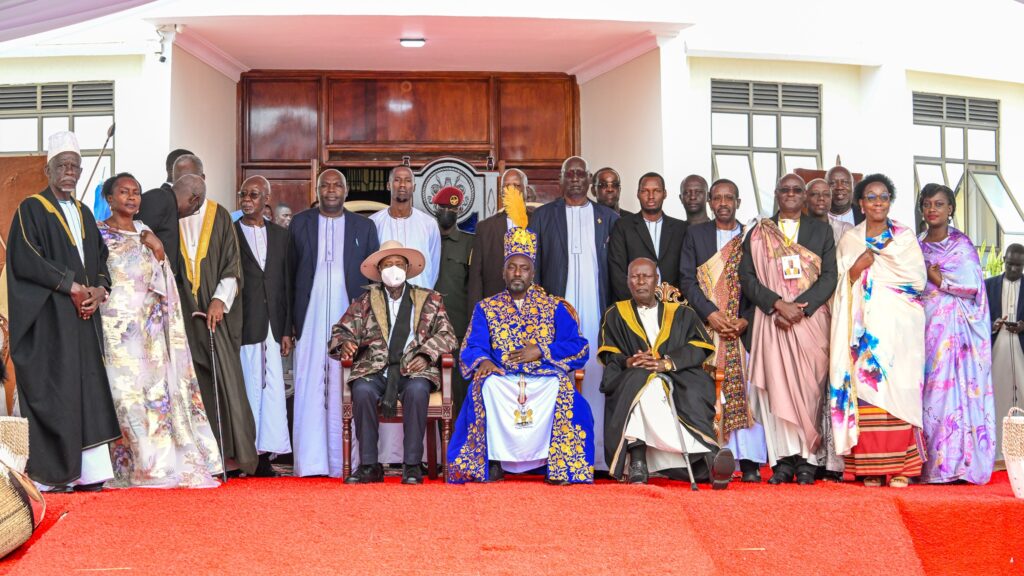
Rakai, Uganda The renewed call by Kamuswaga Apollo Sansa Kabumbuli II for formal recognition of the Kooki cultural institution has once again brought national attention to the complex relationship between traditional leadership, cultural identity, and governance structures in Uganda. Speaking publicly on the matter, the Kamuswaga emphasized what he described as Kooki’s historical autonomy and distinct cultural identity, stating that the institution should not be viewed as subordinate to any other kingdom. “We do not depend on anyone. We are autonomous and no one should consider us to be under another kingdom,” he said, reigniting a debate that has periodically resurfaced within Uganda’s cultural and political discourse.


The latest remarks reflect broader historical sensitivities surrounding identity, heritage, and recognition among traditional institutions in Uganda, where kingdoms and chiefdoms continue to play influential social and cultural roles despite operating within a modern constitutional state framework. Kooki, located in the greater Rakai region, possesses a longstanding historical identity that predates colonial administrative arrangements and post-independence governance structures. While culturally linked in some respects to Buganda due to historical interactions and geographic proximity, sections of the Kooki leadership and community have consistently argued that the institution maintains its own unique heritage, leadership lineage, and governance traditions deserving of independent recognition. The issue therefore extends beyond symbolism alone. For many within the region, recognition debates are closely tied to questions of cultural preservation, local identity, historical interpretation, and community representation within Uganda’s broader national framework.


Uganda’s traditional institutions occupy a distinctive position within public life, Since the restoration of kingdoms and cultural institutions in the 1990s, they have largely functioned as custodians of heritage, culture, and social cohesion rather than political authority structures. However, their influence often extends into areas of local identity, land relations, community mobilization, and regional legitimacy. Debates surrounding recognition frequently emerge from deeper concerns about visibility, historical acknowledgment, and perceived marginalization within larger cultural or administrative arrangements. In multicultural societies such as Uganda, balancing historical identities with national cohesion remains an ongoing governance challenge. The Kooki question also reflects a wider continental conversation around the role of traditional leadership in modern African states. Across Africa, cultural institutions continue to coexist alongside formal government systems, often serving as important pillars of community identity, mediation, and social continuity. Yet questions surrounding jurisdiction, recognition, autonomy, and cultural boundaries periodically generate tensions requiring careful political and institutional handling.


In Uganda, cultural institutions have generally contributed to social stability and heritage preservation, particularly in regions where traditional leadership retains strong public legitimacy. However, disputes over status, territorial influence, or recognition can become politically sensitive if not approached through dialogue and historical consensus-building. Observers argue that the current debate presents an opportunity for broader national reflection on how Uganda manages cultural diversity within a unified state structure. As younger generations increasingly seek reconnection with heritage and identity, demands for visibility among smaller or historically overlooked institutions may continue to grow. At the same time, experts caution against approaches that risk escalating cultural competition or deepening regional divisions. Uganda’s stability has historically depended in part on balancing diverse cultural identities through accommodation, dialogue, and institutional coexistence rather than confrontation. The Kamuswaga’s remarks are therefore likely to resonate beyond Rakai alone. They touch on larger questions regarding how communities interpret history, define autonomy, and seek recognition within evolving national frameworks.


Importantly, cultural recognition debates in contemporary Africa are no longer purely traditional matters. They increasingly intersect with development concerns, tourism potential, heritage conservation, youth identity, and regional representation. Traditional institutions today often function not only as cultural symbols, but also as platforms for social mobilization, economic initiatives, and community diplomacy. For policymakers, the challenge lies in navigating such conversations in ways that preserve national unity while respecting legitimate historical and cultural aspirations. This requires institutional sensitivity, historical understanding, and inclusive engagement among stakeholders.


As discussions surrounding Kooki’s recognition continue, the broader significance may ultimately lie less in institutional rivalry and more in what the debate reveals about Uganda’s evolving relationship with identity, heritage, and nationhood in a rapidly changing society. In a country defined by rich cultural diversity, the management of historical memory and traditional legitimacy remains a delicate but important dimension of long-term social cohesion.


Kampala, Uganda — The widening investigations into properties linked to former Speaker of Parliament Annet Anita Among have intensified political debate across Uganda, raising fresh questions about power, political loyalty, accountability, and the fragile nature of influence within ruling political systems. Security operatives drawn from the Army, Criminal Investigations Directorate (CID), and the Internal Security Organisation reportedly extended their searches to institutions associated with Among in Bukedea District, including a radio station, school, and teaching hospital. According to reports, the operation lasted several hours as investigators sought details regarding ownership structures and institutional operations.


The developments mark a significant moment in Uganda’s evolving political landscape, particularly given Anita Among’s prominence during the 11th Parliament and her position within the ruling National Resistance Movement (NRM). Once regarded among the most influential political figures in the country’s power structure, the ongoing scrutiny surrounding her properties has rapidly transformed from a legal and investigative matter into a broader national conversation about political survival, patronage, and institutional loyalty. In many African political systems, the rise and fall of influential figures often reveals deeper tensions within governing establishments. Political analysts note that loyalty within dominant political structures can at times provide rapid access to influence, visibility, and institutional power. However, the same systems can also shift quickly when internal dynamics change, leaving previously powerful figures politically exposed.


The searches on Among-linked properties therefore carry significance beyond the immediate investigation itself. They reflect the volatility that can accompany high-level political transitions and the uncertainty that often surrounds individuals closely associated with centers of power. Public reaction across sections of Uganda has been mixed, while some citizens view the investigations as part of broader accountability and anti-corruption efforts, others interpret them through a more political lens, seeing them as evidence of how quickly alliances and institutional protection can weaken once political circumstances shift. Such perceptions are not unique to Uganda alone, across several countries, anti-corruption investigations involving former senior officials frequently generate debate over whether accountability systems operate independently or are influenced by changing political alignments. The challenge for institutions is therefore maintaining public confidence that investigations remain grounded in due process, transparency, and equal application of the law.


The symbolism surrounding Among’s Bukedea-based institutions has also amplified public attention. Schools, hospitals, and media platforms are often viewed not merely as private investments, but as extensions of political influence and community presence. In many districts, prominent politicians build social legitimacy through such institutions, strengthening both visibility and local patronage networks. This explains why searches involving community-linked projects can quickly become emotionally and politically charged at local level. For supporters, these institutions may represent development contributions, employment opportunities, and regional transformation. For critics, they may symbolize the accumulation of influence through political proximity.


The situation also highlights the complicated relationship between politics and public perception in Uganda’s current environment. Social media reactions and public commentary increasingly frame political loyalty within transactional terms where individuals are celebrated during periods of usefulness but abandoned once political tides change. Yet analysts caution against reducing complex institutional investigations into purely emotional or partisan narratives. Accountability processes, when conducted lawfully and transparently, remain important components of governance systems. At the same time, governments and institutions must remain aware that highly publicized investigations involving senior political figures inevitably shape public trust in state institutions and political culture.


The unfolding developments around the former Speaker come at a time when Uganda is experiencing wider political transition conversations following the emergence of the 12th Parliament and changing alignments within national leadership structures. Historically, such periods often produce increased political uncertainty, internal repositioning, and renewed scrutiny around power networks. For ordinary citizens, however, the debate increasingly reflects a larger frustration with political systems perceived as rewarding loyalty temporarily while offering little long-term security once influence declines. This perception has fueled wider public discourse about institutional fairness, elite accountability, and the personal cost of political competition.


Ultimately, the investigation into Anita Among’s properties is no longer being viewed solely as a legal matter. It has evolved into a symbolic reflection of how power operates, shifts, and sometimes dissolves within modern political systems. As investigations continue, the broader public conversation is likely to extend beyond one individual alone toward deeper questions about governance, political loyalty, institutional independence, and the nature of power itself within Uganda’s evolving political landscape.


Mubende, Uganda The reported killing of a woman in Mubende District allegedly following a domestic dispute has once again drawn national attention to the growing concern over gender-based violence and unresolved tensions within households facing economic and emotional pressure. According to police reports, Annet Turyahabwe, 30, a resident of Kazo Village in Kasaana Parish, Kibalinga Sub-county, was allegedly killed by her husband in the early hours of Sunday following an argument reportedly linked to a domestic disagreement. While investigations into the incident remain ongoing, the tragedy adds to a disturbing pattern of domestic violence cases increasingly surfacing across Uganda and other parts of Africa, often exposing deeper social, economic, and psychological pressures affecting families and communities.


Across many societies, domestic violence is frequently discussed only after fatal outcomes emerge. Yet specialists in community welfare and social development continue to warn that many households experience prolonged periods of emotional stress, unresolved conflict, financial hardship, substance abuse, and communication breakdowns long before violence escalates into criminal acts. In many cases, neighbours, local leaders, and even relatives may be aware of recurring tensions but lack the structures, confidence, or institutional support to intervene effectively. Uganda’s changing socioeconomic environment has added new layers of pressure to family life. Rising living costs, unemployment among youth, unstable incomes within informal sectors, and increasing social expectations continue to strain relationships, particularly in households already facing vulnerability. While these pressures can never justify violence, analysts argue they contribute to environments where unresolved frustrations may intensify if support systems remain weak.


The Mubende incident therefore raises broader questions beyond criminal accountability alone. It highlights the continuing gap between public awareness campaigns on domestic violence and the practical availability of early intervention mechanisms at community level. In many rural and peri-urban areas, access to counselling services, mental health support, family mediation structures, and social protection systems remains limited or inconsistent.

Equally important is the challenge of silence surrounding domestic conflict. Cultural expectations in some communities still encourage couples to “handle issues privately,” even where patterns of abuse may already exist. As a result, many victims delay seeking help due to fear of stigma, economic dependency, family pressure, or uncertainty about institutional response mechanisms. Civil society organisations working in gender advocacy across East Africa have repeatedly cautioned that domestic violence should not be treated solely as a private household matter. Rather, it reflects a wider public policy issue connected to social welfare systems, economic stability, education, mental health awareness, and law enforcement capacity.


Uganda has over the years introduced legal and policy frameworks intended to address gender-based violence and strengthen protection mechanisms for vulnerable individuals. However, implementation challenges continue to persist, particularly in areas where local institutions remain overstretched or under-resourced. Police family protection units, probation officers, community development structures, and local mediation systems often operate under significant logistical and staffing limitations. The role of men within evolving social and economic dynamics also increasingly forms part of the conversation. Experts note that changing gender roles, financial pressures, and shifting expectations within households are creating tensions that some individuals struggle to manage constructively. Without stronger investments in emotional health education, conflict resolution skills, and responsible masculinity programmes, frustrations may continue manifesting in destructive ways.


Importantly, domestic violence is not unique to Uganda. Across the globe, governments and social institutions continue grappling with rising concerns around intimate partner violence, family instability, and mental health pressures intensified by economic uncertainty and social change. The challenge for many developing societies lies in building preventative systems rather than responding only after tragedies occur. Community leaders and social development practitioners increasingly argue that prevention must extend beyond legal punishment. It requires sustained investment in awareness campaigns, accessible counselling services, school-based emotional literacy programmes, stronger reporting mechanisms, and community structures capable of identifying vulnerable households before situations escalate.


The Mubende case also underscores the importance of responsible public discourse when reporting domestic violence. Sensationalising tragedy risks reducing complex social issues into isolated headlines, while failing to address the underlying conditions contributing to repeated incidents. Constructive journalism instead requires balancing accountability with deeper examination of the structural pressures shaping family and community life.


As investigations continue, the death of Annet Turyahabwe remains not only a criminal matter under review by authorities, but also a reminder of the urgent need for stronger social support systems capable of protecting vulnerable individuals and addressing conflict before violence emerges. In societies navigating economic transition, rapid social change, and growing pressure on household stability, the cost of unresolved domestic crises increasingly extends beyond individual families. It becomes a wider societal concern one measured in broken trust, interrupted futures, and communities left confronting preventable loss.


Eastern Democratic Republic of Congo — The reported attack by angry residents on a health facility linked to Ebola treatment efforts in eastern Democratic Republic of Congo has once again highlighted the complex intersection between public health emergencies, community trust, insecurity, and misinformation in fragile regions confronting disease outbreaks.


According to local health workers, residents stormed and burned a tent that formed part of an Ebola treatment and response centre in a town considered among the epicentres of the outbreak. The incident marks the second attack on Ebola-related health infrastructure within a week, raising renewed concerns over the safety of medical personnel and the sustainability of emergency response operations in the region. While authorities continue investigations into the circumstances surrounding the violence, the developments underscore a longstanding challenge that has repeatedly complicated outbreak management in parts of eastern DR Congo: the fragile relationship between affected communities and institutional health interventions during periods of crisis.


The eastern provinces of the Democratic Republic of Congo have for years experienced overlapping humanitarian pressures, including armed conflict, displacement, poverty, political instability, and weak healthcare infrastructure. Within such environments, disease outbreaks often unfold against a backdrop of public anxiety and limited confidence in state or international systems. Health experts have consistently warned that successful epidemic containment depends not only on medical treatment and surveillance, but equally on public trust and community cooperation. In many outbreak zones across Africa, fear and misinformation can spread faster than verified health information, particularly where communities already feel socially or politically marginalised. Rumours surrounding disease origins, treatment practices, or the intentions of health workers frequently intensify tensions, especially when communication gaps exist between authorities and local populations.


The attacks in eastern Congo therefore reflect more than isolated acts of anger, they reveal deeper frustrations and mistrust that can emerge when emergency interventions are perceived as externally imposed rather than community-driven. Analysts note that in fragile settings, public health responses must operate with sensitivity to local realities, cultural dynamics, and historical grievances that shape how communities interpret institutional actions. Ebola outbreaks have historically posed extraordinary challenges across Central and West Africa due to the virus’s high fatality rates and the fear associated with isolation measures, burial protocols, and movement restrictions. In several previous outbreaks, healthcare workers have themselves become targets of hostility amid public suspicion or misinformation regarding treatment centres and containment procedures.


For humanitarian organisations and health authorities, the recurring attacks present both a security concern and a strategic policy dilemma. Protective measures around treatment facilities may become necessary, yet overly militarised responses risk further deepening mistrust within communities already experiencing fear and uncertainty. Global health institutions, including the World Health Organization and regional disease control bodies, have repeatedly emphasized that epidemic response strategies must integrate community engagement as a central pillar rather than a secondary consideration. Building local partnerships with religious leaders, community elders, youth representatives, and grassroots organisations often proves essential in countering misinformation and improving acceptance of health interventions.


The situation also highlights the broader vulnerabilities facing healthcare systems in conflict-affected regions, medical personnel operating in outbreak zones frequently work under immense pressure, balancing disease containment with security risks, logistical limitations, and fragile infrastructure. Attacks on facilities not only endanger lives but can also interrupt surveillance systems, delay treatment efforts, and increase the risk of wider transmission. Across Africa, public health experts continue to caution that epidemic preparedness must extend beyond emergency medical capacity alone. Investments in public communication, local trust-building, healthcare accessibility, and institutional credibility remain equally important in strengthening resilience during future outbreaks.


For the Democratic Republic of Congo, the latest violence serves as another reminder that managing epidemics in unstable environments requires more than vaccines and treatment centres. It requires sustained efforts to bridge the gap between institutions and communities, particularly in regions where decades of insecurity have eroded confidence in authority structures. As containment efforts continue, the challenge facing health officials is not only to stop the spread of disease, but also to restore public trust in systems intended to protect lives. In outbreak management, community confidence is often as critical as medical intervention itself.


Ituri & North Kivu, DR Congo — As health authorities continue efforts to contain the Ebola outbreak in eastern Democratic Republic of Congo, residents in the heavily affected provinces of Ituri and North Kivu say the crisis is being compounded not only by delayed response systems, but also by the rapid spread of misinformation and growing public complacency toward preventive health measures.


Across several communities, local concerns increasingly point to a dangerous combination of fear, confusion, and distrust that is undermining containment efforts at a critical stage of the outbreak. While medical teams continue surveillance, treatment, and awareness campaigns, many residents report that false information circulating within communities has weakened public cooperation and contributed to resistance toward health guidelines. Health workers operating in outbreak zones say misinformation surrounding Ebola symptoms, treatment procedures, vaccines, and prevention measures remains one of the most persistent barriers to effective response. Rumours shared through informal networks, local conversations, and digital platforms have in some cases fueled suspicion toward healthcare workers and reinforced misconceptions about how the virus spreads.


In parallel, community leaders and residents report declining adherence to basic preventive practices, including consistent use of face masks and avoidance of high-risk contact. In crowded markets, transport hubs, and public gathering spaces, enforcement of precautionary measures appears increasingly inconsistent as sections of the population grow fatigued by prolonged health restrictions and recurring outbreaks. The situation reflects a broader challenge confronting many fragile health systems globally: epidemic management depends not only on medical infrastructure, but also on sustained public trust and behavioural cooperation. In regions where communities already face insecurity, poverty, displacement, and weak access to healthcare, maintaining confidence in official health messaging becomes significantly more difficult.


Eastern DR Congo has for years remained vulnerable to overlapping humanitarian crises, including armed conflict, population displacement, food insecurity, and limited public infrastructure. These pressures have contributed to deep institutional mistrust in some communities, creating fertile ground for misinformation during health emergencies. The public fatigue is becoming an increasingly important dimension of outbreak management. After repeated exposure to epidemics, conflict, and emergency interventions, sections of the population may begin normalising risk or disengaging from prevention campaigns altogether. In such environments, compliance with public health measures often weakens over time, especially where daily survival pressures take precedence over long-term health concerns.


The challenge is particularly complex in densely populated and economically vulnerable communities where informal economic activity dominates everyday life. For many residents, avoiding crowded spaces or limiting physical interaction is often impractical due to dependence on local markets, transport systems, and face-to-face trade for income generation. At the same time, inconsistent messaging from different actors can further erode public confidence. Health communication specialists have repeatedly emphasized that outbreak response strategies must prioritize clarity, cultural sensitivity, and community engagement rather than relying solely on top-down directives. Where communication gaps persist, misinformation frequently fills the vacuum.


The concerns emerging from Ituri and North Kivu also highlight the growing influence of digital misinformation during public health crises across Africa. False claims regarding disease origins, vaccines, or treatment protocols can spread rapidly through social media and local communication networks, often outpacing verified information from official institutions. Public health experts argue that combating misinformation now requires approaches extending beyond traditional awareness campaigns. Greater investment is increasingly needed in local-language communication, grassroots engagement, trusted community ambassadors, and partnerships with religious and civic leaders capable of influencing public behaviour at community level.


Importantly, the Ebola outbreak is unfolding within a region already experiencing security instability, making response coordination even more difficult. Humanitarian workers and medical teams often operate under constrained conditions, balancing disease containment with logistical challenges and safety concerns. The evolving situation in eastern DR Congo therefore serves as a reminder that epidemic response is ultimately as much a social challenge as it is a medical one. Vaccines, treatment centres, and surveillance systems remain essential, but their effectiveness depends heavily on whether communities trust institutions enough to participate fully in prevention efforts.


As authorities continue containment operations, the immediate priority extends beyond reducing infection rates alone. Restoring public confidence, countering misinformation, and rebuilding cooperation between communities and health institutions may prove equally decisive in preventing the outbreak from deepening further. In fragile environments where uncertainty already shapes daily life, public trust becomes one of the most valuable and vulnerable tools in managing any health emergency.


Kampala/Addis Ababa — Uganda has intensified its regional tourism and economic diplomacy efforts with the commencement of a high-level Familiarization (FAM) Trip bringing together Ethiopian media influencers, tour operators, travel professionals, and prospective investors in a strategic initiative aimed at strengthening bilateral cooperation between Uganda and Ethiopia.


The ten-day expedition, organized by the Embassy of Uganda in Addis Ababa under the Economic and Commercial Diplomacy (ECD) framework, begins immediately after the conclusion of the Pearl of Africa Tourism Expo (POATE) 2026, where the Ethiopian delegation participated as part of Uganda’s broader effort to position itself as one of Africa’s leading destinations for tourism, investment, and authentic cultural experiences. The initiative reflects Uganda’s expanding use of tourism diplomacy as a tool for regional integration, trade promotion, investment attraction, and people-to-people engagement across the continent. It also aligns with the Government’s Tenfold Growth Strategy, which identifies tourism as a key driver for economic transformation, job creation, and international visibility.


Speaking during the flag-off ceremony in Addis Ababa before departing for the 87th Ordinary Session of the African Commission on Human and Peoples’ Rights (ACHPR), Uganda’s Ambassador to Ethiopia, H.E. Rebecca Otengo Amuge, described the mission as a practical expression of diplomacy anchored in shared African opportunity and experience-driven partnerships. She noted that Uganda and Ethiopia maintain longstanding historical and continental ties rooted in African solidarity, regional cooperation, and growing commercial engagement. According to the Ambassador, tourism increasingly offers one of the most effective instruments for strengthening intra-African connectivity and reshaping how African countries engage each other beyond traditional diplomatic frameworks. “This journey is more than a tourism circuit,” Ambassador Otengo stated. “It is a bridge of visibility, trust, investment opportunity, and African storytelling. Through this experience, we want our Ethiopian brothers and sisters to encounter Uganda beyond brochures to engage directly with our wildlife heritage, hospitality, business potential, conservation efforts, and the warmth of our people.”


The Ethiopian delegation is expected to participate in a nationwide immersive experience showcasing Uganda’s diverse tourism assets and economic opportunities. The itinerary includes rhino tracking at Ziwa Rhino Sanctuary, chimpanzee tracking, mountain gorilla trekking in Bwindi Impenetrable National Park, coffee tourism experiences in Ntungamo, cultural and community tourism engagements, and visits to spiritual heritage sites including the Uganda Martyrs Shrine at Namugongo. The fam trip has also integrated sustainability-focused activities under Uganda’s “One Visitor, One Tree” initiative, through which participants will engage in symbolic environmental conservation exercises aimed at promoting responsible tourism and climate-conscious travel experiences. Beyond destination marketing, officials say the mission is equally designed to deepen economic linkages between Kampala and Addis Ababa. Uganda’s exports to Ethiopia currently include refined petroleum products, dairy products, cereals, malt extract, and selected industrial commodities. Authorities believe strengthened tourism and aviation collaboration could further unlock investment opportunities in hospitality, logistics, trade, and destination development.


Regional analysts increasingly observe that African countries are turning to tourism diplomacy not merely as a promotional tool, but as part of wider economic statecraft strategies designed to stimulate intra-African trade and reduce overdependence on external markets. The African Continental Free Trade Area (AfCFTA) and the growing push for regional connectivity have further accelerated interest in travel partnerships capable of supporting business mobility and cultural exchange across the continent. Uganda’s latest initiative therefore reflects a broader continental trend in which tourism is being repositioned as a strategic economic sector with implications extending far beyond leisure travel alone. By bringing together investors, travel professionals, and digital influencers, the FAM Trip seeks to create long-term visibility for Uganda within Ethiopia’s outbound tourism and investment ecosystem.


Mr. Michael Wamai, the Economic and Commercial Diplomacy Officer coordinating the trip, described the visit as one of the most strategically designed regional familiarization journeys undertaken in recent years. He explained that the objective goes beyond showcasing destinations to positioning Uganda as a gateway for African opportunity, sustainable investment, and authentic continental experiences. According to Wamai, experiential diplomacy remains increasingly important in an era where travelers and investors seek firsthand engagement rather than traditional promotional campaigns alone. The delegation is expected to conclude the journey in Entebbe after traversing several tourism circuits across Uganda, offering participants direct exposure to the country’s biodiversity, conservation efforts, hospitality industry, spiritual heritage, and emerging economic sectors.


As African nations continue exploring new pathways for regional growth, initiatives such as the Uganda-Ethiopia Familiarization Mission signal a growing recognition that tourism, diplomacy, trade, and investment are becoming increasingly interconnected pillars within the continent’s broader development agenda. For Uganda, the mission represents not only a tourism campaign, but also a strategic statement about Africa’s capacity to build stronger partnerships through shared experiences, regional trust, and collaborative economic opportunity.

Geneva, Switzerland — Uganda’s latest engagement with the World Health Organization (WHO) over the Ebola/Bundibugyo Virus Disease situation has once again placed the country at the centre of an increasingly important global policy debate: how governments balance public health protection with economic continuity in an interconnected world. During a briefing convened in Geneva by WHO Director-General Tedros Adhanom Ghebreyesus, Uganda reaffirmed that the current Ebola situation remains stable and under control, while emphasizing the importance of coordinated communication, transparency, and evidence-based response mechanisms.


The Ministry of Health indicated that Uganda had registered two imported Ebola cases linked to travel from the Democratic Republic of Congo, with one death reported and the second patient having recovered. Ugandan officials further stressed that rapid response systems had already been activated, including surveillance, contact tracing, district coordination, and screening at points of entry. From a public health perspective, Uganda’s response reflects a country increasingly experienced in epidemic management. Over the last decade, Uganda has handled multiple outbreaks including Ebola, Marburg, and Mpox, gradually strengthening disease surveillance systems, laboratory capacity, and emergency coordination structures. Officials highlighted this institutional experience during the Geneva briefing, arguing that Uganda possesses the systems and technical capacity necessary to manage the current situation effectively.


Yet beyond the immediate health response, the situation exposes a broader governance and policy challenge confronting many African states: how to maintain public confidence, economic activity, and international openness during periods of health uncertainty. Uganda’s caution against unnecessary travel and trade restrictions reflects awareness of the economic consequences that often accompany epidemic narratives. In many developing economies, public health emergencies do not only threaten healthcare systems; they can rapidly affect tourism, trade, investment flows, transport, employment, and regional mobility.


This concern is particularly significant for Uganda at a time when the country is actively positioning itself as a leading regional tourism and investment destination. The ongoing Pearl of Africa Tourism Expo (POATE 2026), renewed tourism campaigns, and preparations for AFCON 2027 all form part of a wider national strategy aimed at expanding foreign exchange earnings and strengthening Uganda’s visibility within regional and global markets. Health crises, however contained medically, can quickly reshape international perceptions if communication gaps emerge. African economies have historically faced situations where outbreaks triggered disproportionate reputational and economic consequences even when risks remained geographically limited or operationally controlled.


Uganda’s emphasis on transparency during the WHO engagement therefore carries both diplomatic and economic significance. Officials argued that timely information-sharing and compliance with International Health Regulations should be viewed as responsible global cooperation rather than as grounds for isolation or panic.  This reflects a growing global policy conversation around “risk communication diplomacy” the recognition that how governments communicate during crises increasingly shapes both public behaviour and international confidence. Inconsistent messaging can damage trust, fuel misinformation, and undermine economic recovery efforts long after outbreaks are medically contained.


The WHO’s subsequent public clarification that “the situation in Uganda is stable” was therefore diplomatically important. WHO further acknowledged that Uganda’s measures, including intense contact tracing and the cancellation of large gatherings such as the Martyrs’ Day commemoration, appeared effective in preventing wider spread of the virus. At policy level, Uganda’s response also illustrates the difficult balancing act many governments now face in a post-pandemic global environment. COVID-19 fundamentally altered how states approach mobility, health security, and emergency governance. While governments are under pressure to respond decisively to outbreaks, they must simultaneously avoid triggering unnecessary economic paralysis.


For African economies, the stakes are particularly high, Tourism-dependent countries often remain vulnerable to sudden perception shifts, while informal economies can experience immediate disruption when mobility restrictions or public fear affect transport, trade, and community interaction. Uganda’s current approach appears aimed at avoiding extremes: neither minimising the public health concern nor allowing fear-driven narratives to dominate economic and diplomatic engagement. The government’s insistence on targeted scientific measures rather than broad shutdowns signals a preference for calibrated containment strategies designed to preserve both public safety and economic continuity.


The broader lesson emerging from Uganda’s WHO engagement may therefore extend beyond Ebola itself. Increasingly, public health management is no longer viewed solely through medical lenses; it has become deeply connected to diplomacy, economic resilience, tourism policy, regional cooperation, and international reputation. In a world where information spreads instantly and perceptions influence markets rapidly, governments are judged not only by their ability to contain outbreaks, but also by their ability to communicate credibility, maintain stability, and preserve public trust simultaneously. For Uganda, the challenge now is not simply managing a health situation, but ensuring that confidence both domestic and international remains stronger than fear.


New York City, USA — New York City Mayor Zohran Mamdani has announced a special initiative that will allow selected city residents to purchase 2026 FIFA World Cup tickets at significantly reduced prices, as officials seek to broaden public access to one of the world’s most commercially competitive sporting events. Under the programme, 1,000 tickets will reportedly be made available to New York City residents at a subsidised price of $50 each a sharp contrast to the premium pricing often associated with major international football tournaments. The announcement comes as the United States prepares to co-host the 2026 FIFA World Cup alongside Canada and Mexico, with New York expected to play a central role in the global spectacle.


The initiative has already generated widespread public attention, particularly amid growing international debate over affordability and accessibility in modern global sports events. While major tournaments increasingly generate billions in broadcasting rights, sponsorships, tourism revenues and hospitality spending, ordinary fans in many cities often struggle to access tickets due to rising prices and secondary resale markets. New York officials appear keen to position the city’s approach differently framing the reduced-ticket programme as part of a broader effort to ensure that local communities also benefit from hosting rights, rather than global events being experienced primarily through corporate hospitality and elite commercial access.


The announcement reflects a wider global conversation about the social responsibility of host cities during mega sporting events. Increasingly, governments and city administrations are being challenged to demonstrate how international tournaments can create inclusive public value beyond tourism revenues and infrastructure branding. For many residents, especially young football supporters and working-class families, attending a FIFA World Cup match would ordinarily remain financially out of reach. Ticket costs for major international sporting competitions have risen steadily over the past decade, often placing live attendance beyond the reach of ordinary supporters despite football’s identity as a globally accessible sport.


By introducing subsidised access, New York City officials are seeking to reinforce the idea that major sporting events should remain connected to local communities rather than functioning solely as global commercial platforms. The 2026 FIFA World Cup is expected to become one of the largest sporting events in history, with an expanded tournament format involving 48 national teams and matches spread across multiple North American cities. Organisers anticipate millions of international visitors, extensive global media exposure, and substantial economic activity tied to tourism, hospitality, transport and entertainment industries.


New York’s involvement carries particular symbolic importance given the city’s multicultural population and longstanding relationship with global migration and international sport. Football’s rapid growth in the United States especially among younger and immigrant communities has transformed the sport from a niche interest into a mainstream cultural and commercial force. The reduced-ticket initiative may also serve a political and diplomatic purpose. Major global tournaments increasingly function as instruments of soft power, allowing host cities to project images of inclusivity, diversity and international openness. Ensuring local participation can therefore shape both domestic public sentiment and global perceptions of the host city.


At the same time, the programme raises broader questions about how cities balance commercial pressures with public accessibility during international events. FIFA tournaments generate enormous revenue streams, and host cities often invest heavily in security, infrastructure and logistical preparation. Ensuring that local populations feel socially included within the event can become critical to maintaining public support. Globally, there has been growing scrutiny over the commercialisation of elite sport. Critics argue that while football markets itself as “the world’s game,” the financial realities surrounding major tournaments increasingly favour corporate stakeholders, sponsors and high-income spectators. Initiatives such as New York’s discounted ticket scheme may therefore reflect growing awareness that public legitimacy matters alongside commercial success.


The timing of the announcement is also significant as cities worldwide compete not only for tourism gains, but also for international reputation. Successful hosting of the 2026 World Cup could strengthen New York’s positioning as a global destination for sports tourism, international investment and large-scale cultural events. For football supporters, however, the initiative’s immediate appeal is far simpler: the possibility that ordinary residents may still have a realistic opportunity to witness one of the world’s biggest sporting competitions in person. As preparations intensify for the 2026 FIFA World Cup, the New York ticket programme may ultimately serve as an early test of how future global sporting events balance profitability with public inclusion a challenge increasingly shaping the future of international sports governance and urban event diplomacy.

Kampala, Uganda — Uganda has intensified efforts to strengthen its position as one of Africa’s leading tourism destinations following the official opening of the 10th edition of the Pearl of Africa Tourism Expo (POATE) 2026, a flagship tourism and investment platform bringing together international buyers, investors, tour operators, media practitioners and hospitality stakeholders from across the globe. Held at Speke Resort Munyonyo under the theme “Wanderlust,” this year’s expo reflects Uganda’s growing ambition to position tourism not only as a leisure industry, but as a strategic pillar for economic transformation, regional integration and global engagement.


President Yoweri Kaguta Museveni, who officiated at the opening of the three-day event, reaffirmed government’s commitment to promoting tourism as a major contributor to employment creation, foreign exchange earnings, investment attraction and inclusive growth. Addressing delegates and tourism stakeholders, the President described Uganda as one of the world’s uniquely endowed destinations, citing the country’s favourable climate, biodiversity, cultural heritage, peace and natural beauty as key comparative advantages. “Uganda remains one of the most unique tourism destinations because of our favourable climate, rich culture, peace and natural beauty,” President Museveni noted while welcoming international delegates attending the expo.


The President also addressed regional and global concerns surrounding recent Ebola-related developments, assuring visitors and investors that Uganda continues to apply targeted scientific measures to protect public health while maintaining economic openness and stability. “Regarding Ebola, there is no cause for alarm. We are applying targeted measures and continuing to work scientifically to keep people safe while keeping our economy open,” he said. The event further highlighted Uganda’s broader strategy of strengthening intra-African tourism partnerships as part of efforts to diversify tourism markets beyond traditional source regions. One of the notable engagements at POATE 2026 involved a delegation of ten leading Destination Management Companies (DMCs) from South Africa, Namibia, Botswana and Zimbabwe, hosted following a familiarisation tour across Uganda.


The initiative, aimed at giving Southern African travel professionals firsthand exposure to Uganda’s tourism offerings, reflects a growing continental push toward regional tourism cooperation and market integration within Africa’s travel industry. Officials involved in the engagement noted that experiential familiarisation remains one of the most effective tools in destination marketing, particularly in a highly competitive global tourism environment where traveller confidence increasingly depends on authentic endorsements from industry professionals.


The Southern African delegation participated in business-to-business meetings, destination showcases and networking engagements with Ugandan tourism stakeholders during the expo, creating opportunities for investment partnerships, market expansion and cross-border tourism promotion. “Our objective is to strengthen tourism partnerships between Uganda and Southern Africa by giving travel trade professionals a firsthand experience of our destination,” officials involved in the initiative noted during the engagement. “We are confident this initiative will translate into stronger business relationships and increased visitor arrivals to Uganda.” Industry leaders at the expo emphasized that Uganda’s tourism strategy is increasingly being positioned within a wider framework of economic diplomacy and regional connectivity. Beyond wildlife and adventure tourism, the country is seeking to market itself as a destination for investment, conferences, sports tourism and cultural exchange.


Uganda Tourism Board Chairperson Pearl Hoareau Kakooza highlighted the potential impact of sports tourism ahead of the 2027 Africa Cup of Nations (AFCON), which Uganda is set to co-host. “Uganda has officially obtained the rights to host AFCON 2027, and through sports tourism, we expect not just to double but potentially triple the number of visitors next year because of the Africa Cup of Nations,” she stated. The anticipated tournament is expected to significantly boost hospitality, transport, infrastructure development and international visibility, while also accelerating investment into tourism-related sectors.


Tourism officials further stressed that the sector remains one of the country’s strongest engines for youth employment and community empowerment. Permanent Secretary at the Ministry of Tourism, Wildlife and Antiquities, Doreen Katusiime, observed that tourism continues to demonstrate how conservation and economic development can operate simultaneously. “Tourism continues to create jobs for our young people, empower communities, generate foreign exchange, stimulate investment, conserve the environment and support multiple sectors of the economy through its multiplier effect,” she said.


As Uganda advances toward its broader economic ambitions, tourism is increasingly being viewed not merely as a hospitality sector, but as a strategic instrument for soft power, investment promotion and international positioning. The government’s commitment to improving visa processes, strengthening infrastructure and expanding destination marketing reflects recognition that global tourism competitiveness increasingly depends on accessibility, connectivity and visitor experience. POATE 2026 therefore arrives at a significant moment for Uganda’s tourism sector one where regional integration, economic diplomacy and global visibility are converging within a rapidly evolving travel economy. For Uganda, the message emerging from Munyonyo is clear: the country is not only seeking to attract visitors, but also positioning itself as a central tourism and investment hub within Africa’s future growth story.