Kampala | Uganda has intensified its diplomatic engagement within the African Union (AU) as it seeks continental endorsement for its candidate in the forthcoming elections of judges to the International Criminal Court (ICC) in The Hague, underscoring the country’s continued commitment to strengthening Africa’s representation within the international justice system.
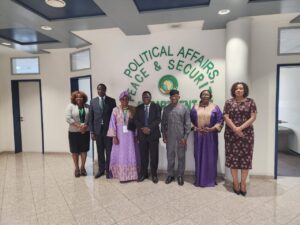
Leading Uganda’s delegation, Minister of Justice and Constitutional Affairs Hon. Norbert Mao appeared before the African Union Ministerial Committee on Candidatures to present the candidature of Ms. Rosette Muzigo-Morrison for election as a judge of the International Criminal Court. The AU endorsement process forms a critical stage in building regional consensus before elections are conducted by the Assembly of States Parties to the Rome Statute.
The judicial elections are scheduled to take place from 1–17 December 2026 at the United Nations Headquarters in New York, where States Parties to the Rome Statute will elect judges to serve on the Court for a non-renewable nine-year term beginning in 2027.
Ms. Muzigo-Morrison was among eight African candidates seeking the African Union’s endorsement, reflecting the continent’s growing interest in ensuring that its legal expertise and perspectives remain adequately represented within international judicial institutions.
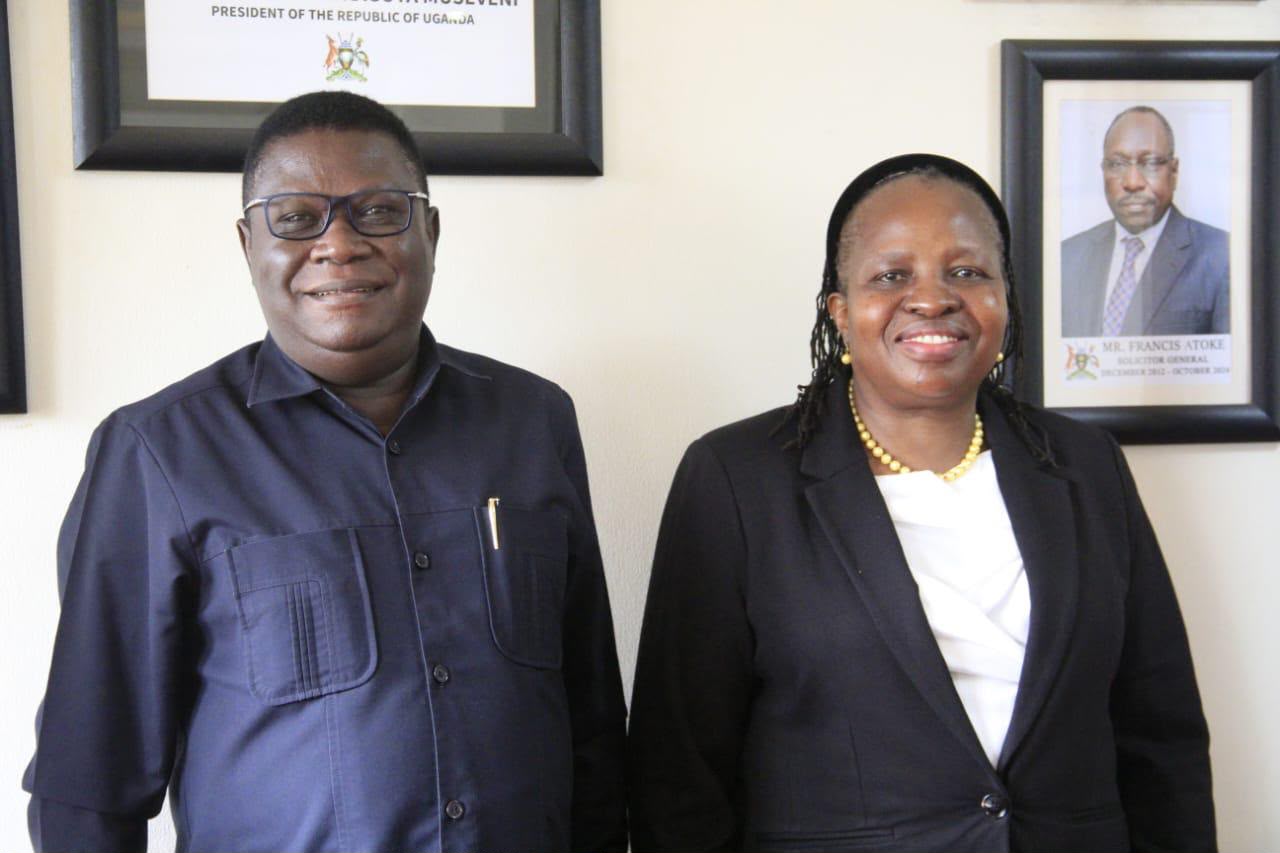
Her candidacy is distinguished by more than three decades of practical experience spanning the core pillars of international criminal justice. Her professional portfolio includes extensive work in international criminal law, the functioning of international criminal tribunals, the operational and procedural framework of the International Criminal Court, state cooperation in international justice, diplomatic engagement, victim and witness protection, and the investigation and prosecution of complex conflict-related crimes.
Within the current African field of candidates, observers note that Ms. Muzigo-Morrison is among the few nominees possessing extensive operational experience from within international criminal justice institutions themselves. Such practical expertise has become increasingly significant as the ICC continues to navigate evolving legal, geopolitical, and institutional challenges.
The forthcoming elections carry significance beyond individual candidatures. They present an opportunity for African States Parties to strengthen the continent’s influence within international judicial governance at a time when debates surrounding accountability, sovereignty, conflict resolution, and international criminal law continue to shape global diplomacy.
Africa remains the largest regional bloc within the Assembly of States Parties to the Rome Statute, making coordinated continental positions an important factor in judicial elections. At the same time, African governments have consistently advocated for equitable geographical representation, diversity of legal traditions, and greater participation of qualified African jurists in international institutions.
Uganda’s diplomatic campaign therefore reflects broader continental aspirations to ensure that international justice mechanisms benefit from diverse judicial perspectives while reinforcing confidence in multilateral institutions tasked with addressing crimes of international concern.
The presentation of Uganda’s candidature also illustrates how international legal appointments have become an increasingly important dimension of modern diplomacy. Beyond traditional bilateral relations, states are investing diplomatic capital in securing representation within global governance institutions where legal interpretation, accountability, and international norms are shaped.
For Uganda, supporting an experienced candidate for one of the world’s highest judicial offices aligns with its broader engagement in multilateral diplomacy and reinforces its commitment to contributing qualified expertise to the international rules-based order.
As campaigning continues ahead of the December elections in New York, the outcome will not only determine the composition of the ICC’s bench for the 2027–2036 term but will also reflect wider geopolitical dynamics surrounding representation, legal expertise, and confidence in international justice. Whether Uganda secures the African Union’s endorsement and ultimately the support of States Parties will be closely watched across diplomatic and legal circles, where judicial elections increasingly serve as indicators of both professional merit and international cooperation.