XIAMEN, CHINA | Uganda is strengthening its economic and commercial diplomacy with China, inviting Chinese coffee buyers, processors and investors to deepen sourcing partnerships and establish value-addition ventures in Uganda. The initiative reflects a deliberate effort to transform the country’s position in the global coffee trade from a leading producer and exporter of green coffee into a more competitive participant in processing, product development, branding and international distribution.

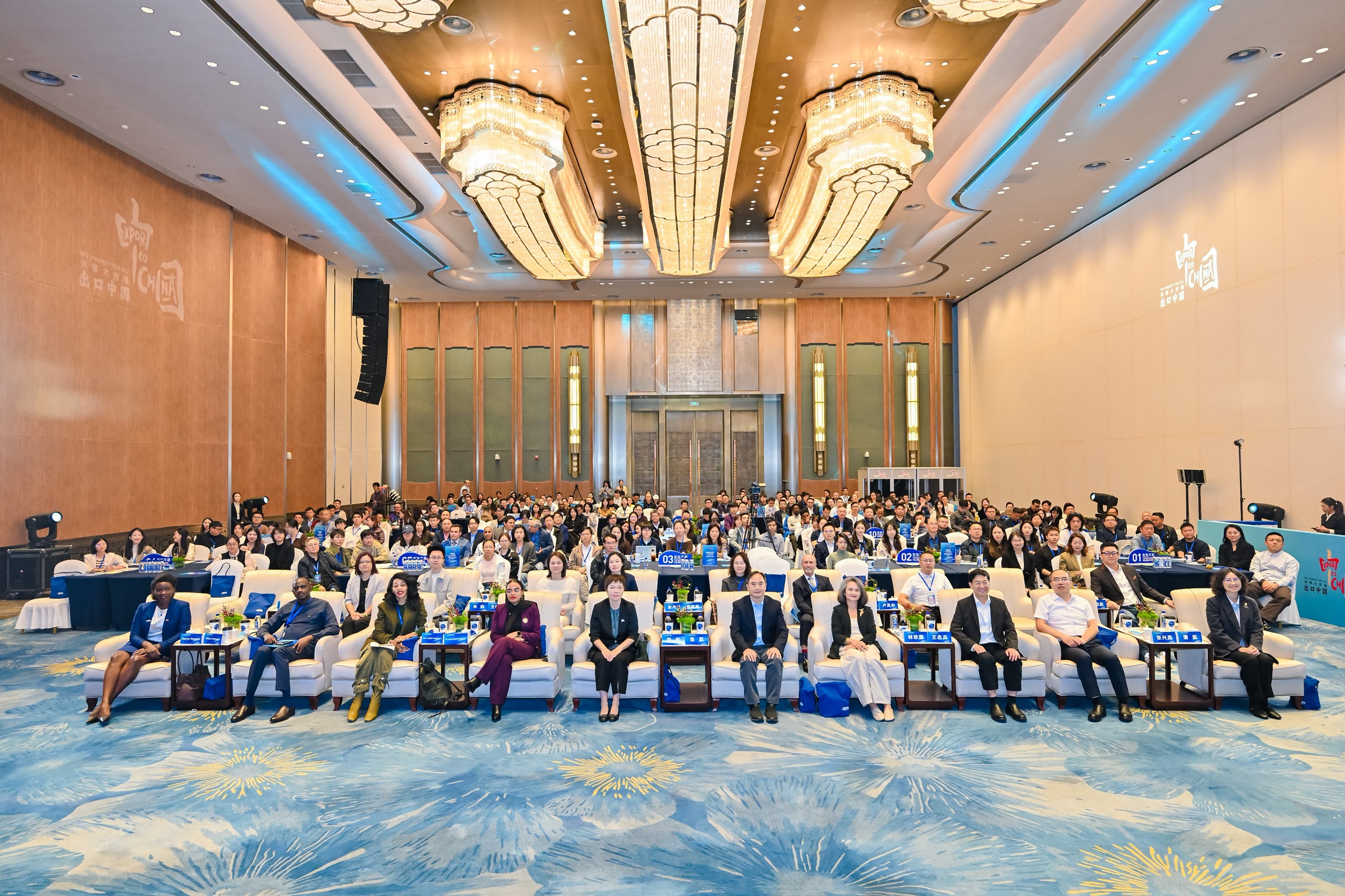
The call was made by Ambassador Judyth Nsababera, Consul General of Uganda in Guangzhou, while leading the Ugandan delegation at the “Big Market for All: Export to China” International Coffee Industry Matchmaking Conference in Xiamen on 19 November 2026. “We invite Chinese partners to source more Ugandan coffee and invest with us in roasting, branding and packaging at origin,” Ambassador Nsababera said, highlighting the commercial opportunities available through closer cooperation between Ugandan producers and China’s expanding coffee market.
The engagement demonstrates how diplomatic missions can serve as practical instruments of economic transformation by connecting domestic producers to international buyers, facilitating investment and opening pathways for local enterprises to participate in global value chains. The scale of Uganda’s coffee trade with China provides a strong basis for this engagement. According to figures presented by Ms Doryn Negesa, Agriculture and Trade Attaché at the Ministry of Agriculture, Animal Industry and Fisheries (MAAIF), Uganda’s coffee exports to China reached US$62 million in calendar year 2025, nearly doubling the value recorded in 2024.
Between January and September 2026, Uganda shipped approximately 13,000 metric tonnes of coffee to China, comprising about 8,930 tonnes of Robusta and 4,068 tonnes of Arabica. Shipments during financial year 2025/26 reached 14,732 tonnes, compared with 3,779 tonnes in FY2023/24 an increase of approximately 29%. These figures point to an expanding commercial relationship and the potential for Uganda to increase its presence in one of the world’s major consumer markets. They also illustrate the importance of market diversification: stronger access to China can complement Uganda’s established export destinations while creating additional opportunities for farmers, cooperatives, exporters and processors.
At the national level, Uganda exported a record 8.7 million 60-kilogram bags of coffee in calendar year 2025, representing a 48 per cent increase, with export earnings reaching approximately US$2.5 billion, according to figures cited by the Ugandan delegation. This performance reinforces coffee’s importance to foreign exchange earnings, rural livelihoods and the country’s broader export strategy.
The strategic opportunity now lies in capturing a greater share of the value generated after harvest. Uganda’s coffee sector has historically relied heavily on exporting green beans, while much of the roasting, packaging, branding and final-product marketing takes place in importing markets.
Investing in these activities at origin could expand domestic manufacturing, create skilled employment, strengthen small and medium-sized enterprises and increase the value retained within Uganda. It would also create opportunities for Chinese firms to establish joint ventures with Ugandan producers and exporters in processing, quality assurance, packaging technology and product development.
Uganda offers two distinctive coffee profiles: indigenous Robusta, which is particularly suited to espresso blends and milk-based beverages, and highland Arabica grown around Mount Elgon and the Rwenzori Mountains, which offers opportunities in specialty and single-origin markets.
Ambassador Nsababera encouraged prospective buyers to begin with samples, cupping sessions and trial orders before developing longer-term sourcing arrangements. She also invited Chinese investors to explore partnerships in processing and product development within Uganda, emphasising the mutual benefits of combining Uganda’s production capacity with Chinese market access, technology and commercial networks.
The initiative directly supports Uganda’s Tenfold Growth Strategy, which seeks to expand the national economy towards US$500 billion by 2040. Agro-industrialisation is one of its central growth drivers, with a target of generating US$20 billion in annual export earnings by FY2039/40 through increased production, processing and value addition.
The strategy makes the case for moving beyond the export of raw commodities towards higher-value products that can compete in international markets. Coffee provides a practical example of how this transition can be pursued: sourcing creates market access, processing builds domestic industrial capacity, and branding strengthens the commercial identity of Ugandan products.
China’s expanded zero-tariff measures for eligible African products also create an important trade-policy opportunity. The measures announced in April 2026 provide for zero tariffs on specified tariff lines for 20 African countries with diplomatic relations with China that are not classified as least-developed countries. Uganda’s applicable market-access arrangements and product requirements should therefore be assessed against the relevant Chinese tariff schedules and rules of origin.
The Ugandan delegation included Ambassador Geoffrey Muheesi, Deputy Head of Mission at the Uganda Embassy in Beijing; Mr Moses Kasujja of the Ministry of Foreign Affairs; and Ms Doryn Negesa of MAAIF. Their participation illustrates the value of coordinated diplomatic and technical engagement in advancing commercial partnerships.
The conference was co-hosted by the Trade Development Bureau of China’s Ministry of Commerce and the Xiamen Municipal Bureau of Commerce, alongside the Xiamen International Coffee Fair. Business engagements continue at the Uganda Pavilion, Booth A3T010, at the Xiamen International Convention and Exhibition Center from 20 to 22 November 2026.
Ugandan exporters seeking to enter or expand within the Chinese market have been encouraged to contact the Consulate General in Guangzhou and MAAIF for buyer linkages, upcoming trade missions and information on market requirements. Ultimately, Uganda’s engagement in Xiamen is about more than securing additional coffee orders. It is about using diplomacy to attract investment, strengthen domestic production capabilities and ensure that a greater share of the value generated by Ugandan coffee benefits Ugandan enterprises and communities.
With coffee exports to China approaching 13,000 tonnes in the first nine months of 2026, the opportunity is increasingly measurable. The next milestone should be to convert growing demand into sustained sourcing contracts, processing partnerships and products that carry Ugandan brands into international markets. The ambition is clear: not only to sell more Ugandan coffee to China, but also to build more of the coffee business in Uganda.