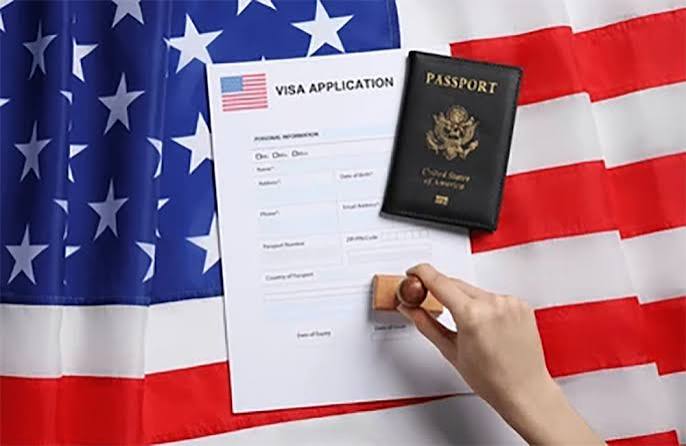
KAMPALA — The United States has expanded visa restrictions affecting nationals from several African countries, a policy move that is likely to shape diplomatic engagement, educational exchanges, business travel, and migration patterns between Washington and parts of the continent. The measures affect citizens of Burkina Faso, Chad, the Republic of the Congo, Equatorial Guinea, Eritrea, Mali, Niger, Sierra Leone, Somalia, Sudan, and South Sudan, with varying levels of visa suspension or additional restrictions depending on each country’s circumstances. While the policy does not constitute a blanket prohibition for every category of traveler, it introduces tighter controls on the issuance of specific non-immigrant and immigrant visas.
According to the U.S. government, the decision forms part of broader efforts to strengthen immigration management, improve identity verification systems, and encourage greater cooperation from partner governments on issues such as document security, the return of nationals with final removal orders, and border management. For many African governments, however, the development presents a complex diplomatic challenge. The restrictions come at a time when African states are seeking deeper engagement with the United States in trade, security, education, public health, and investment. Mobility remains a critical pillar of these relationships, enabling students, entrepreneurs, researchers, and government officials to participate in exchanges that strengthen bilateral cooperation. Analysts note that visa policies increasingly function as instruments of foreign policy. While governments retain the sovereign right to determine entry requirements, such measures inevitably carry broader diplomatic and economic implications. Restrictions on travel can affect academic collaboration, private sector investment, tourism, humanitarian operations, and people-to-people connections that often underpin long-term partnerships.
The announcement also arrives against the backdrop of evolving geopolitical competition in Africa. As global powers expand their engagement with the continent through infrastructure financing, development cooperation, technology, and security partnerships, ease of mobility has become an increasingly important element of diplomatic influence. Policies perceived as limiting access may encourage affected countries to diversify international partnerships and strengthen regional cooperation within Africa. For African citizens, the immediate impact will depend on the category of visa sought and individual circumstances. Students with confirmed admissions, business executives attending commercial engagements, humanitarian workers, and families pursuing reunification may experience additional scrutiny, longer processing periods, or restrictions depending on the applicable visa classifications.
The policy also highlights the importance of strengthening national identity management systems across Africa. Experts have long argued that investments in secure civil registration, biometric identification, passport integrity, and border governance not only enhance national security but also improve international confidence in travel documentation. Such reforms can contribute to smoother mobility and reinforce broader economic and diplomatic objectives under initiatives such as the African Continental Free Trade Area (AfCFTA). From a diplomatic perspective, African governments are expected to continue engaging Washington through established bilateral channels to address the concerns underpinning the restrictions. Previous visa limitations imposed on countries around the world have, in some instances, been eased after governments implemented agreed reforms relating to documentation, information-sharing, or immigration cooperation.
The episode serves as a reminder that international mobility is increasingly intertwined with governance, security, and foreign policy. As Africa deepens its global engagement, the ability of states to meet international standards while protecting the legitimate movement of people will remain central to both diplomatic relations and economic integration. For the continent, the broader lesson extends beyond the immediate policy. Building resilient institutions, modernizing identity systems, and strengthening diplomatic engagement may prove as important to future mobility as the passports citizens carry.