KAMPALA, Uganda — As geopolitical competition reshapes international security partnerships and funding for peace operations comes under increasing strain, Uganda this week became the focal point of Africa’s security diplomacy by hosting the Second Extraordinary Summit of the African Union Support and Stabilization Mission in Somalia (AUSSOM) Troop-Contributing Countries (TCCs).
Far beyond a routine diplomatic gathering, the three-day summit in Kampala represents one of the continent’s most consequential strategic consultations on the future of African-led peace support operations. Bringing together defence chiefs, ministers, senior African Union officials, United Nations representatives, IGAD leaders and international partners, the meeting seeks to answer a defining question confronting Africa’s peace architecture: How should the continent sustain peace operations when traditional funding and logistical arrangements are evolving? Held under the theme “To Sustain the Stabilisation Process in Somalia,” the summit comes at a critical moment for Somalia’s security transition as responsibility gradually shifts towards the Somali National Armed Forces while international support mechanisms undergo significant change.
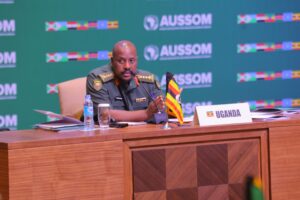
The deliberations unfolded against a rapidly changing international landscape, the anticipated conclusion of logistical support provided through the United Nations Support Office in Somalia (UNSOS) at the end of 2026 has intensified discussions around the sustainability of African peace missions. For many African policymakers, the question extends beyond Somalia it touches on the continent’s broader ambition to finance, manage and lead its own security interventions.
Increasingly, African governments argue that sustainable peace cannot rely indefinitely on external political priorities that may shift with changing global dynamics. Instead, regional ownership, predictable financing and stronger continental institutions are emerging as central pillars of Africa’s evolving security doctrine. In this context, Kampala became more than a host city; it became a venue for strategic reflection on the future of African peace operations.
Uganda occupies a distinctive position in Somalia’s modern history, for nearly two decades, Uganda has remained among the largest troop-contributing countries to successive African Union missions, beginning with AMISOM and now AUSSOM. Ugandan forces have participated in efforts to weaken terrorist networks, protect civilian populations and support Somalia’s state-building process. Hosting the summit therefore reinforces Uganda’s broader diplomatic identity as both a regional security actor and an advocate for multilateral cooperation. Rather than presenting itself solely as a military contributor, Uganda has increasingly positioned its role within a wider framework that combines diplomacy, regional integration and collective security under African Union leadership.
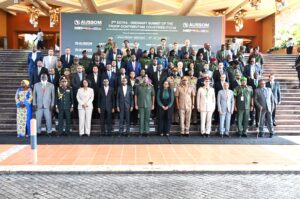
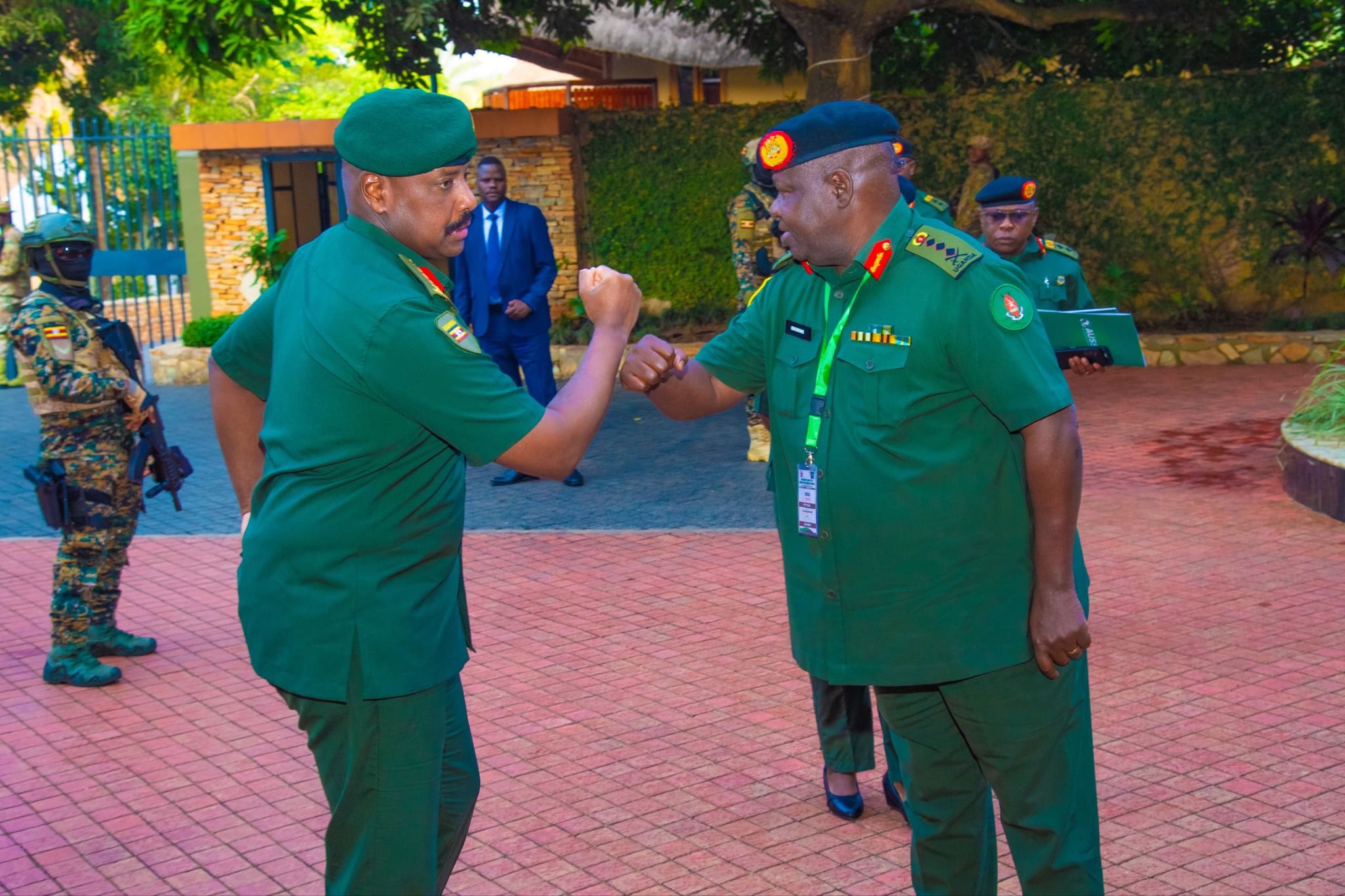
The summit opened with a meeting of the Chiefs of Defence Forces from the participating troop-contributing countries. Their discussions extended beyond battlefield assessments to encompass institutional reforms, intelligence capabilities, operational readiness and the future structure of AUSSOM. Welcoming delegates, Uganda’s Chief of Defence Forces, General Muhoozi Kainerugaba, argued that Africa had reached an important strategic moment. He observed that changing international financial and political realities require African countries to strengthen ownership of continental peace support mechanisms while preserving the operational gains achieved over many years in Somalia.
His remarks reflected a broader consensus emerging across African security institutions that future missions will require greater innovation, stronger regional coordination and more predictable financing if they are to remain effective. The military chiefs subsequently adopted recommendations addressing force generation, intelligence, surveillance capabilities, institutional strengthening and long-term financing mechanisms, all intended to support a gradual and conditions-based transition towards Somali-led security.
The summit’s second phase elevated the discussions from military planning to political decision-making. Meeting under the chairmanship of Uganda’s Minister of Defence and Veteran Affairs, Hon Kiryowa Kiwanuka. Ministers reviewed the recommendations submitted by the Chiefs of Defence Forces before examining the broader political and operational priorities necessary to sustain AUSSOM. Their discussions reflected a growing recognition that military operations alone cannot secure lasting peace.
Instead, delegates emphasized institution-building, governance, intelligence cooperation, predictable financing and stronger partnerships with the African Union, United Nations, IGAD, the European Union and other international stakeholders. The ministers also stressed that preserving operational continuity would be essential in preventing security vacuums that extremist groups could exploit during Somalia’s transition. Closing the ministerial session, Hon. Kiryowa Kiwanuka observed that sustainable peace in Somalia would ultimately depend on political stability as much as military success, calling for continued solidarity among troop-contributing countries and the Somali Government.
Although centred on Somalia, the discussions carry implications far beyond the Horn of Africa. The effectiveness of AUSSOM will likely influence future African Union peace operations elsewhere on the continent, including debates around financing mechanisms, burden-sharing and institutional coordination. The summit therefore represents an important test of Africa’s capacity to design and sustain its own collective security architecture while maintaining productive partnerships with international actors. It also reflects a broader evolution in African diplomacy, where security cooperation is increasingly linked to economic development, governance reform and regional integration.
For Uganda, hosting the summit reinforces its reputation as an active convener of regional dialogue on peace and security. In recent years, Kampala has increasingly hosted high-level discussions addressing regional stability, reflecting the country’s strategic position within the African Union, the East African Community and IGAD. The successful convening of defence chiefs, ministers and international partners further strengthens Uganda’s diplomatic profile as an advocate of multilateral engagement and African-led conflict resolution.
The recommendations adopted by the Chiefs of Defence Forces and Defence Ministers will now be submitted to the Summit of Heads of State and Government, where Africa’s political leaders are expected to determine the strategic direction of AUSSOM and Somalia’s next phase of stabilization. Whatever decisions emerge, the Kampala summit has already underscored a broader reality: Africa is increasingly seeking to shape its own security future through continental leadership, regional solidarity and pragmatic international partnerships. For Somalia, the outcome could influence the trajectory of one of Africa’s longest-running stabilization efforts. For the continent, it represents another important step toward strengthening African ownership of peace, security and collective responsibility.