Addis Ababa, Ethiopia —Uganda has called for sustained follow-up on financing for development and the implementation of the Sevilla commitments, urging stronger coordination among African institutions and continued engagement with international financial institutions to ensure that development priorities translate into tangible economic outcomes.
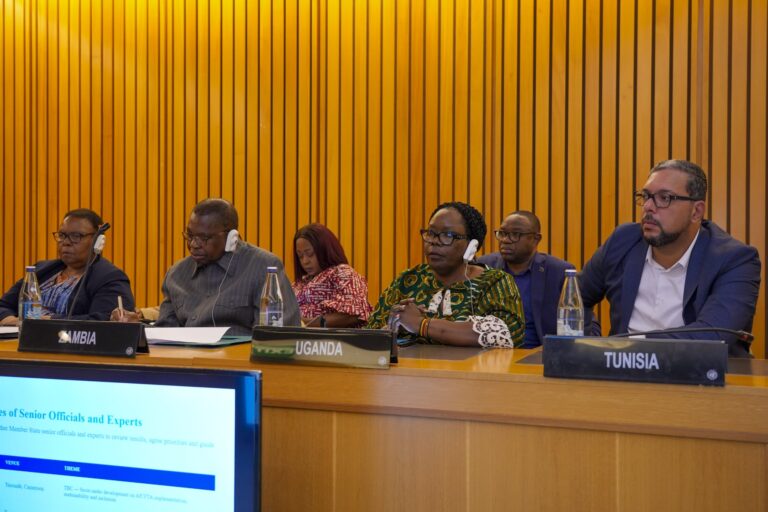
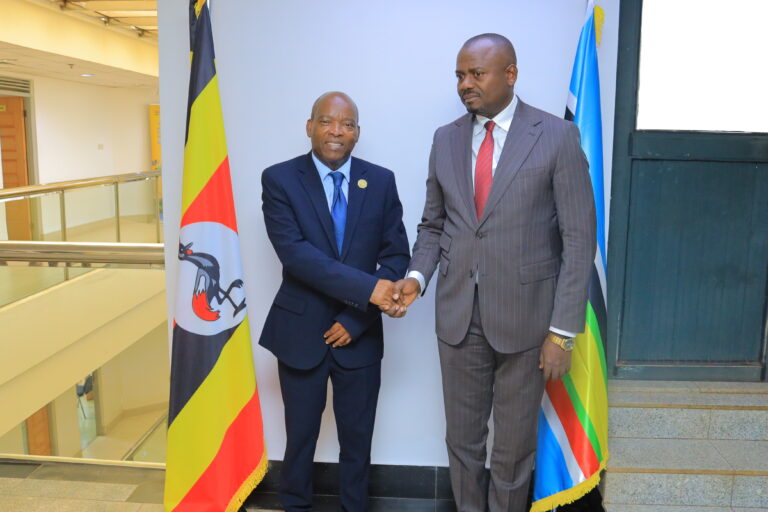
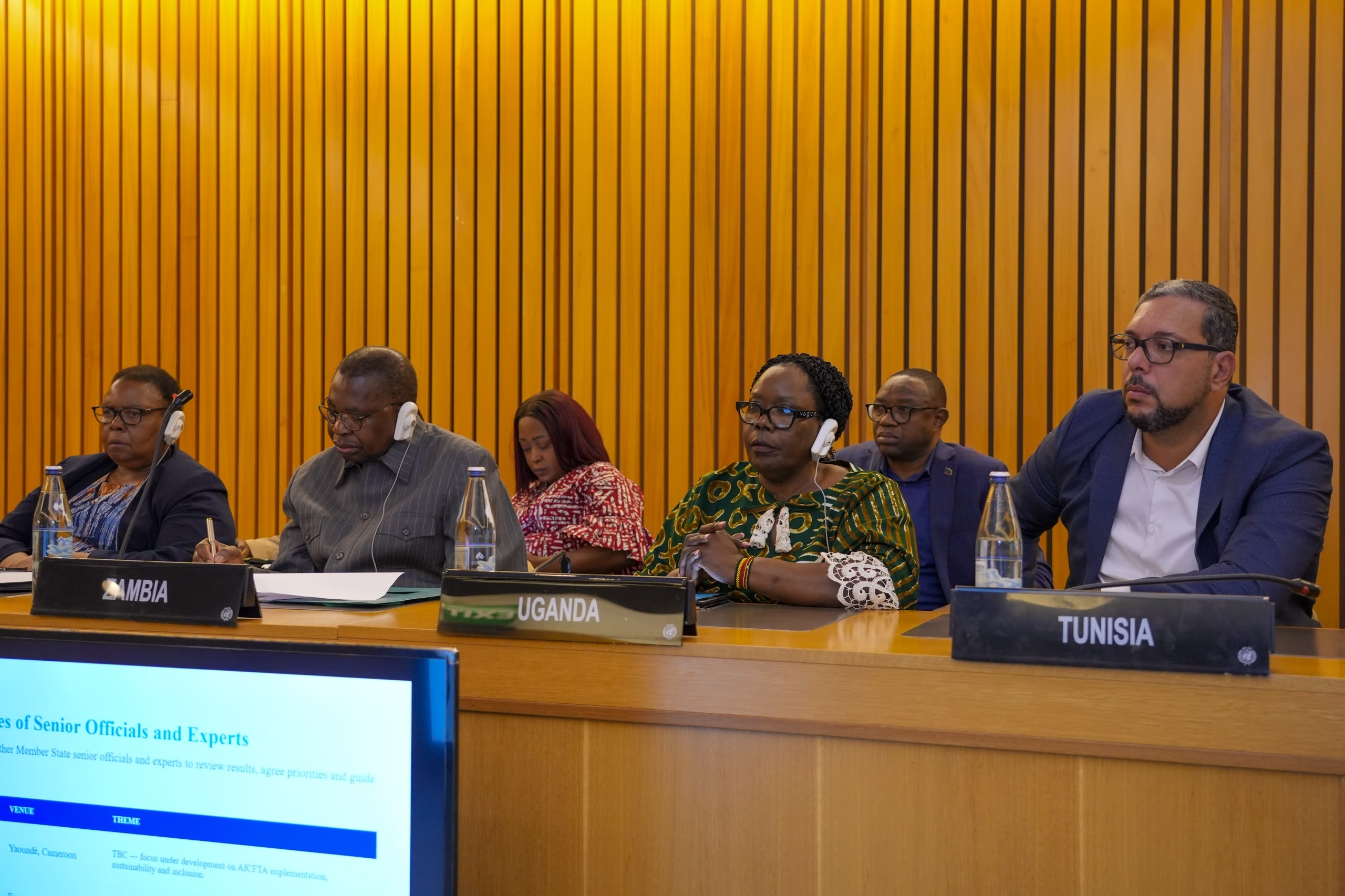
Uganda’s Permanent Representative to the African Union and the United Nations Economic Commission for Africa (ECA), H.E. Ambassador Rebecca Amuge Otengo, made the call during a high-level briefing convened by ECA Executive Secretary Dr. Claver Gatete for African Ambassadors and Permanent Representatives in Addis Ababa.
The briefing brought together members of the diplomatic community to examine pressing continental economic and development priorities and to discuss how ECA can continue supporting African Member States through policy, technical and analytical assistance. At the centre of Uganda’s intervention was a call for consistent follow-up rather than one-off discussions on the commitments emerging from the global financing-for-development process.
Ambassador Otengo emphasised the need for regular briefings and structured monitoring of progress on financing for development and implementation of the Sevilla commitments. She also highlighted the pivotal role ECA can play in engaging international financial institutions, including the World Bank and International Monetary Fund, to ensure that Africa’s development priorities remain central to international financing discussions.
For Uganda, the financing challenge cannot be addressed through a single source of capital. Domestic resource mobilisation remains important, but Ambassador Otengo stressed that it must be supported by stronger economic growth and increased productive capacity capable of generating the resources required for long-term development. The position reflects a broader development challenge facing many African economies: mobilising more domestic resources while simultaneously creating the productive base needed to expand revenues, investment and employment.
The discussions also addressed Africa’s continuing debt challenges and proposals for greater coordination among borrowing countries. Uganda expressed support for the proposed Borrowers’ Club, including the establishment of an African chapter. The proposed platform could provide African countries with an avenue to coordinate positions, exchange experiences and strengthen collective engagement on debt and international financial reform. For Uganda, however, such an initiative should be closely connected to the emerging African Common Position on Debt.
Ambassador Otengo called for close cooperation between the ECA and the African Union Commission in taking the initiative forward. The emphasis on coordination reflects the growing importance of collective African positions in international discussions on debt sustainability, financing conditions and the architecture of global development finance.
The ECA briefing was designed to strengthen dialogue between the Commission and African diplomatic missions while providing Member States with updates on priority economic and development issues. Presentations by ECA officials were followed by an interactive exchange with Ambassadors and Permanent Representatives. Among the issues discussed were:
- financing for development;
- implementation of the Sevilla commitments;
- domestic resource mobilisation;
- Africa’s debt challenges;
- the proposed Borrowers’ Club;
- economic transformation;
- sustainable development; and
- ECA’s technical and analytical support to Member States.
For African governments, the challenge is increasingly not only securing commitments but ensuring that those commitments are translated into financing, productive investment and measurable development outcomes.
Responding to the concerns raised by Member States, ECA Executive Secretary Dr. Claver Gatete reaffirmed the Commission’s readiness to work closely with African governments. The Commission indicated that it would continue providing tailored technical support aligned with national development priorities.
The engagement also reinforced the importance of maintaining regular communication between ECA and the diplomatic community. For Member States, such dialogue provides an opportunity to communicate national priorities while also shaping continental policy discussions around issues that affect Africa’s economic transformation.
Africa’s development financing challenge extends beyond the question of how much money can be mobilised. It also concerns the terms on which financing is obtained, the capacity of economies to generate domestic resources, the sustainability of public debt, investment in productive sectors and the ability of countries to convert financing into economic transformation.
This makes institutional coordination increasingly important, at the continental level, the ECA and African Union Commission have complementary roles in policy coordination and technical support, while national governments remain responsible for translating continental commitments into national development programmes. International financial institutions, meanwhile, remain important sources of financing, technical assistance and policy engagement. Uganda’s intervention therefore points towards a broader approach: stronger domestic capacity, better continental coordination and sustained engagement with international financial institutions.
The Addis Ababa briefing comes against a backdrop of continuing discussions over how African countries can secure adequate and sustainable financing for development while managing debt pressures and strengthening domestic resource mobilisation.
Uganda’s position places emphasis on maintaining momentum after international commitments are made. The call for regular follow-up seeks to ensure that commitments such as those associated with Sevilla remain connected to implementation, monitoring and accountability. The proposed African chapter of the Borrowers’ Club also reflects Uganda’s support for greater coordination among African borrowing countries, particularly when discussing debt and reforms to the international financial system.
The discussions in Addis Ababa underline a central issue for Africa’s development agenda: commitments matter, but implementation determines their impact. For Uganda, this means maintaining engagement with continental institutions, strengthening domestic productive capacity, mobilising domestic resources and participating actively in discussions on international financing and debt.
For ECA, it means continuing to provide the policy analysis, technical assistance and convening role required by Member States and for African countries collectively, it means finding mechanisms through which national priorities can be translated into stronger continental positions and more effective engagement with the international financial system.
The message from Uganda’s delegation was therefore clear: financing for development requires sustained follow-up, stronger coordination and a continued focus on implementation. As Africa pursues economic transformation and sustainable development, the effectiveness of these mechanisms will ultimately be measured not by the number of commitments made, but by the extent to which they support investment, productive capacity, resilience and improved development outcomes across the continent.