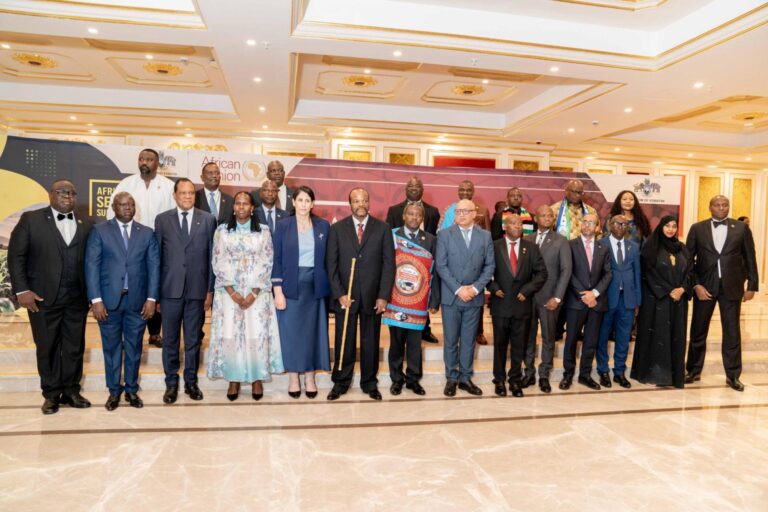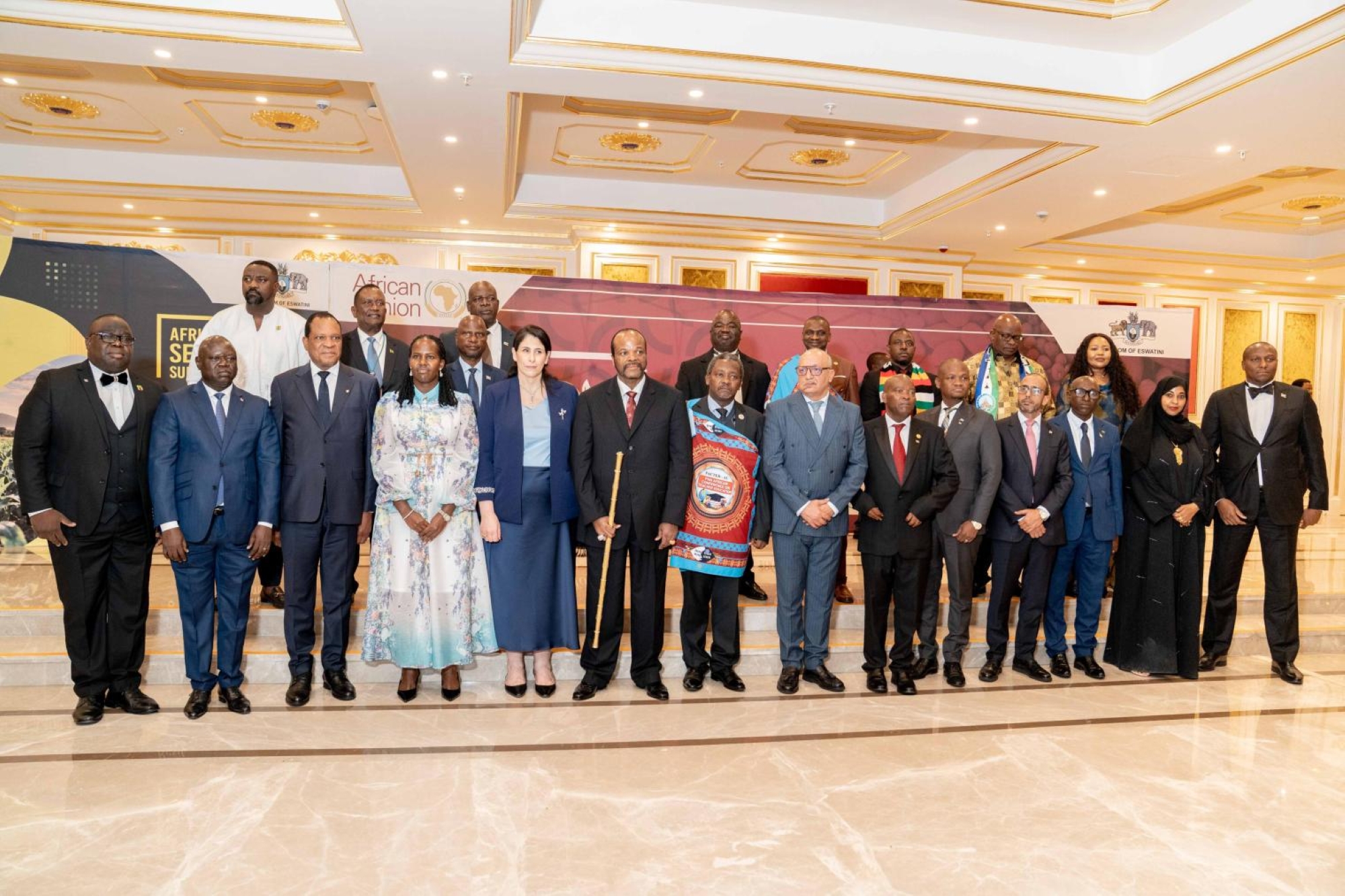
EZULWINI, Eswatini —Africa’s food security begins with access to quality seed, supported by agricultural research, investment and reliable distribution systems. This was the central message of the inaugural Africa Seed Summit, convened by the African Union Commission (AUC) in Eswatini from 5–7 October 2026 under the theme “Resilient Seed Systems for a Food Secure Africa.”
Opening the Summit on 6 October, King Mswati III stressed the importance of quality planting materials, declaring: “No fertilizer, irrigation or machinery can make up for poor seed.” The Summit brought together African leaders, agriculture ministers, researchers, farmers, seed businesses and development partners to address constraints affecting seed production, quality assurance and access across the continent.
Despite Africa’s agricultural potential, seed systems face persistent challenges, including underfunded plant-breeding programmes, weak regulatory enforcement, limited seed testing and the circulation of counterfeit products. These gaps can prevent farmers from accessing suitable varieties at affordable prices and within critical planting seasons.
Representing the African Union Commission Chairperson, H.E. Mahmoud Ali Youssouf, Deputy Chairperson H.E. Ambassador Selma Malika Haddadi called for investment in plant breeding, seed certification, testing and extension services, alongside stronger seed enterprises.
The Summit also highlighted the importance of farmer-managed seed systems, which preserve locally adapted varieties and support communities where commercial distribution remains limited. Proposed continental priorities include recognising farmers’ varieties, strengthening community seed banks, conserving indigenous genetic resources and developing climate-resilient crops. The Ministers further called for an integrated African Seed and Gene Bank System to complement national and regional institutions, alongside greater cooperation in agricultural biotechnology, digital agriculture and seed-quality assurance.
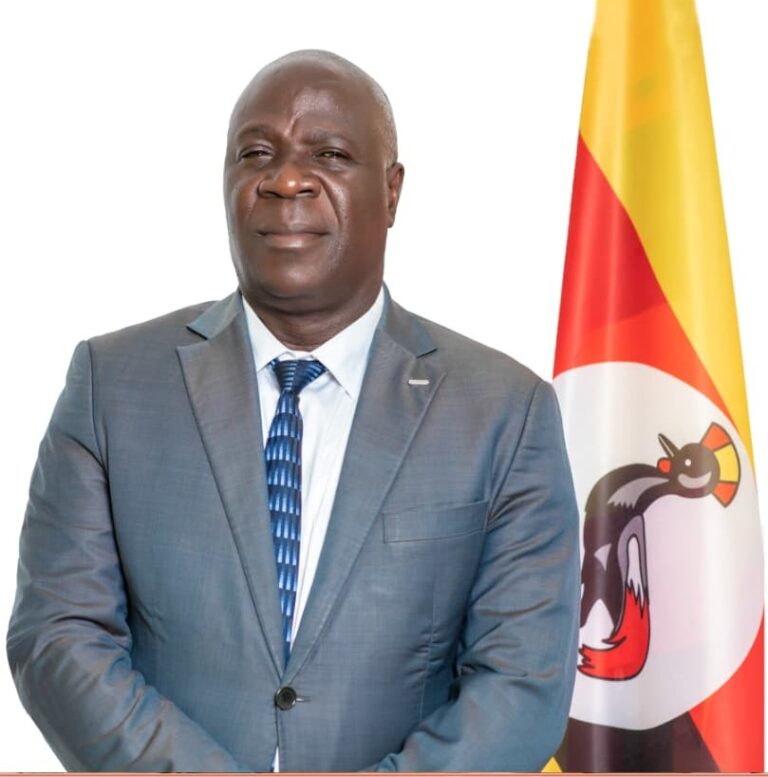
Uganda’s contribution to the ministerial session, delivered by Hon. Desire Muhooza, Minister of State for Agriculture, highlighted the need to expand quality seed production, strengthen regulation and improve access for farmers. According to figures presented by the Minister, Uganda has 42 active registered seed companies producing approximately 18,000 metric tonnes of seed annually, with maize accounting for about 70 per cent of output. “The Uganda seed sub-sector is characterized by co-existing formal and informal seed systems,” she explained, underscoring the need to strengthen commercial supply while recognising community-based seed saving and exchange.
Uganda regulates the sector under the Seed and Plant Act of 2006 and is prioritising seed inspection, testing, plant breeding and early-generation seed production. It is also promoting Quality Declared Seed (QDS), which supports quality-assured community seed production, particularly for non-hybrid crops.
The country is working towards a National Seed Investment Plan informed by assessments involving the African Seed Access Index (TASAI), AGRA, the Food and Agriculture Organization of the United Nations and the World Bank.Hon. Muhooza emphasised the need to move from policy commitments to practical action, stating: “We welcome the Ezulwini Declaration and the Summit’s focus on implementation, not new policies: Africa has the laws, but must fund and enforce them.”She also called for stronger measures against counterfeit seed, including digital authentication, market surveillance and regional cooperation.
The Summit recognised that resilient seed systems require cooperation beyond national borders. Harmonised regulations and more efficient regional markets can facilitate seed trade, improve access to suitable varieties and support agricultural integration, including under the African Continental Free Trade Area (AfCFTA).
The Ezulwini Outcome Document calls for timely and affordable access to quality seed, particularly for smallholder farmers, women and young people. Its recommendations include increased investment in research, support for seed enterprises, recognition of farmer-managed systems, conservation of genetic resources and stronger coordination among African countries. At the closing ceremony, H.E. Moses Vilakati, AUC Commissioner for Agriculture, Rural Development, Blue Economy and Sustainable Environment, reaffirmed the Commission’s commitment to supporting implementation of the Summit’s recommendations.
The outcome document is to proceed through the appropriate African Union policy organs for consideration, validation and formal endorsement. Ultimately, the Summit’s success will depend on whether its commitments translate into better access to reliable seed, stronger research institutions, effective regulation and investment that reaches farmers.
As King Mswati III cautioned, “Frameworks that remain on paper feed no one.” For Africa, the task ahead is clear: turn continental commitments into practical seed systems that farmers can trust, afford and access when they need them. A food-secure Africa begins with the seed but depends on the investment, institutions and cooperation that enable it to flourish.