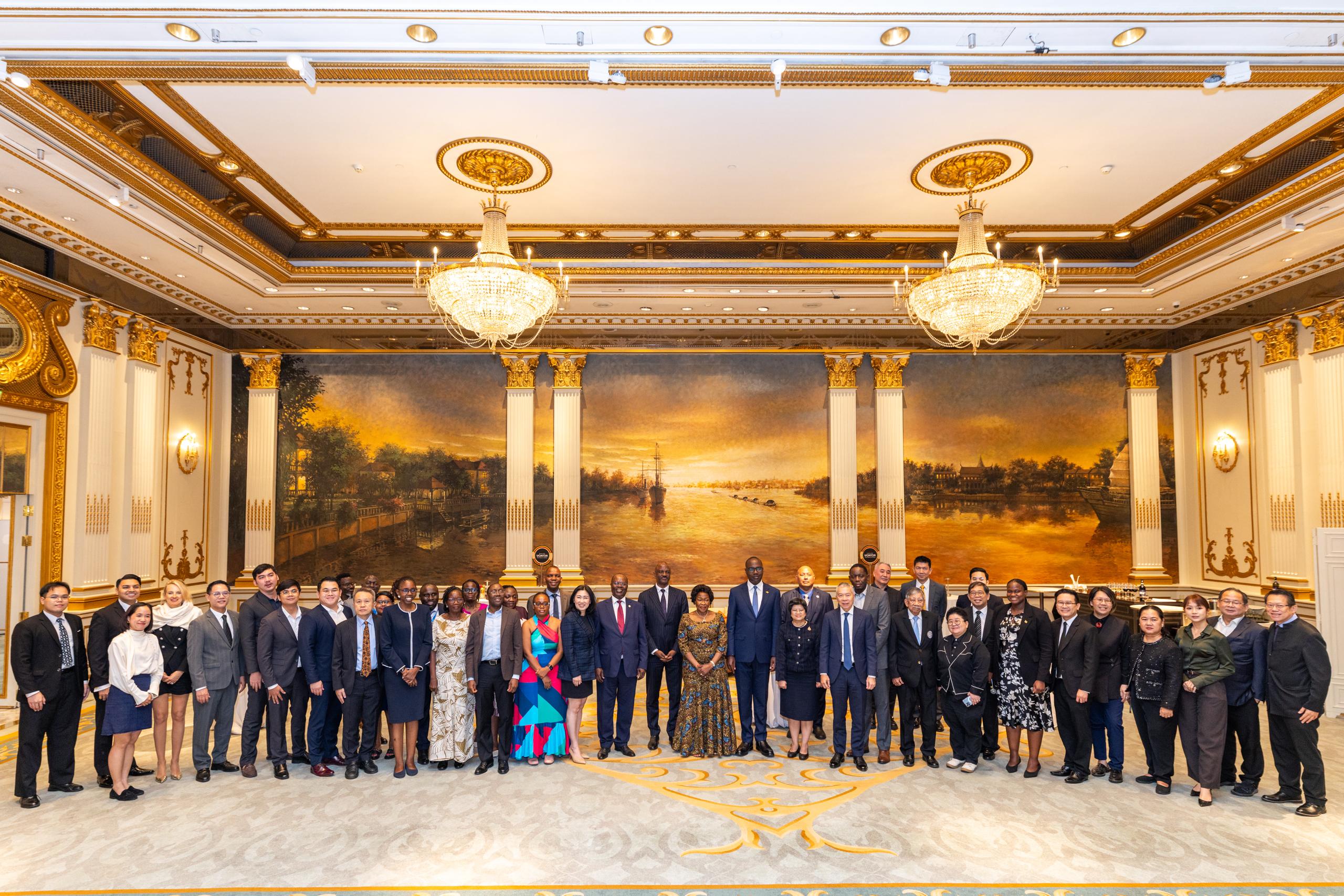
BANGKOK, THAILAND | The Government of Uganda has stepped up its economic and commercial diplomacy with the Kingdom of Thailand, seeking to translate bilateral relations into investment, trade expansion and industrial partnerships. The engagement took place at the Uganda–Thailand Economic Networking Dinner in Bangkok on 12 October 2026, on the sidelines of the Annual Meetings of the World Bank Group and the International Monetary Fund (IMF).
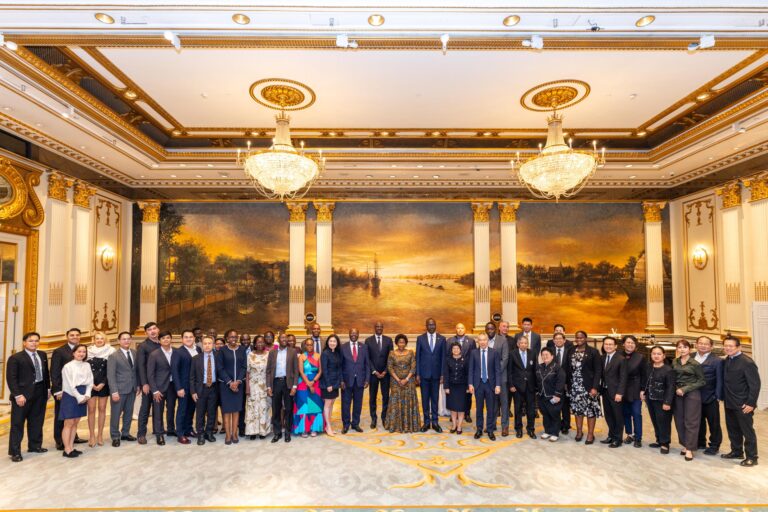
Hosted by the Uganda High Commission in Kuala Lumpur in collaboration with the Ministry of Finance, Planning and Economic Development, the dinner brought together Thai government officials, investors and private-sector representatives to explore opportunities aligned with Uganda’s national development priorities.
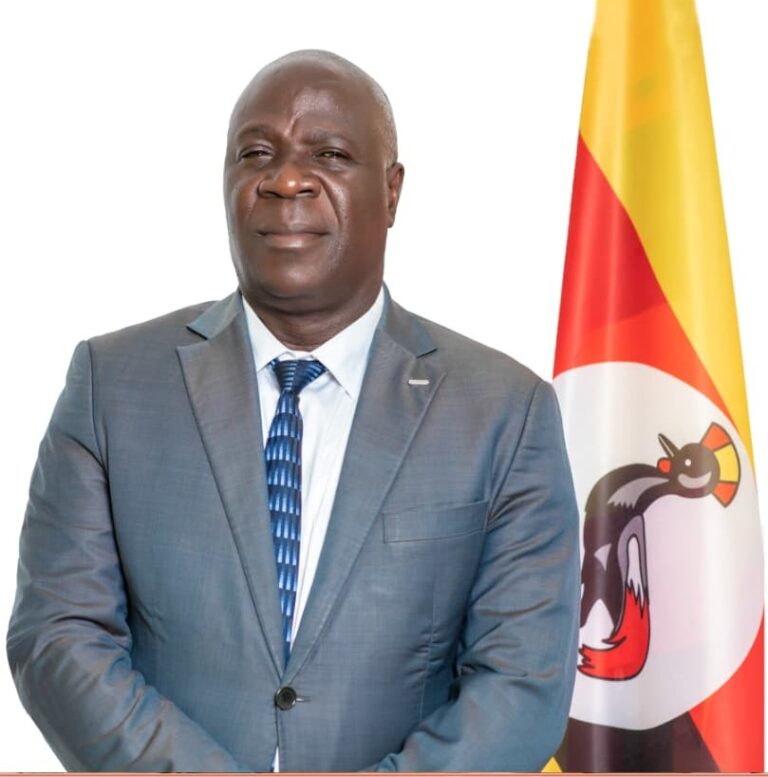
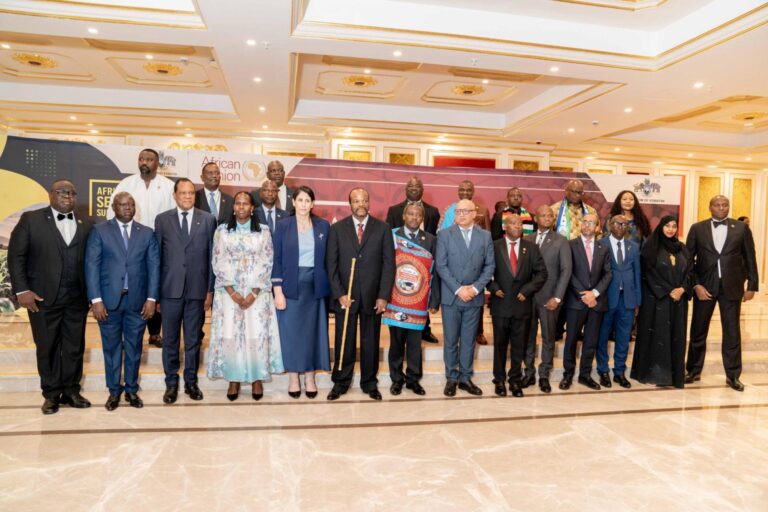
The Ugandan delegation was led by Hon. Henry Musasizi, Minister of Finance, Planning and Economic Development, and included Dr. Ramathan Ggoobi, Permanent Secretary/Secretary to the Treasury, and Dr. Michael Atingi-Ego, Governor of the Bank of Uganda. Thailand was represented by Mrs. Urasa Mongkolnavin, Director General of the Department of South Asian, Middle East and African Affairs at the Ministry of Foreign Affairs, alongside other officials and business representatives.
Hon. Musasizi highlighted the complementarity between Thailand’s experience in agro-processing, food exports, tourism and advanced manufacturing and Uganda’s Tenfold Growth Strategy, which seeks to expand the economy to USD 500 billion by 2040.
He identified investment opportunities in agro-processing, tourism and hospitality, pharmaceuticals, mineral development, oil and gas, fertilisers, construction materials, information and communications technology, and export-oriented manufacturing. Uganda’s macroeconomic performance, infrastructure development, investment framework and access to regional markets were presented as key advantages for prospective investors. “Together, let us turn the friendship between our two countries into factories, export growth, jobs and shared prosperity,” Hon. Musasizi said, inviting Thai businesses to work with the Uganda Investment Authority to explore opportunities and navigate investment procedures.
In his presentation on Uganda’s economy, Dr. Ggoobi reported GDP growth of 6.4 per cent in financial year 2025/26, with a projection of 10.2 per cent for 2026/27. He also cited export earnings of USD 18.4 billion and foreign direct investment inflows of USD 3.7 billion in 2025. He identified agro-industrialisation, light manufacturing, and tourism and hospitality as priority areas for Uganda–Thailand cooperation, linking them to Uganda’s four ATMS growth anchors: Agro-industrialisation, Tourism development, Minerals development, including oil and gas, and Science, Technology and Innovation.
These priorities are consistent with Uganda’s Fourth National Development Plan (NDP IV), covering 2025–2030, which seeks to accelerate economic transformation through value addition, industrialisation, export diversification and technology-driven productivity.
Bilateral diplomacy and trade statistics
Uganda and Thailand have continued to identify trade, investment, tourism and development cooperation as areas for strengthening bilateral relations. In October 2025, officials from both countries reaffirmed their commitment to expanding commercial ties during a bilateral meeting in Kampala on the sidelines of the 19th Ministerial Meeting of the Non-Aligned Movement. Discussions also covered Thailand’s development cooperation, including short-term scholarships and training programmes, and the Thailand–Africa Initiative, which seeks to deepen engagement between Thailand and African countries.
The trade figures underline both the existing relationship and the scope for greater balance. According to the Uganda High Commission in Kuala Lumpur, citing World Bank World Integrated Trade Solution (WITS) data for 2023, Uganda’s exports to Thailand were valued at USD 0.79 million, while imports from Thailand stood at USD 98.2 million. The Mission subsequently reported that bilateral trade increased by USD 59 million in 2024, indicating further commercial activity and opportunities for deeper engagement. These figures relate to the stated reporting years and should not be interpreted as 2026 totals.
The imbalance points to an opportunity for Uganda to diversify and increase the value of its exports. Potential areas include coffee, leather products, textiles and processed agricultural goods, alongside opportunities for Thai investment in Uganda’s agro-processing, manufacturing and tourism sectors. Diplomatic engagement can help address this gap by connecting exporters with buyers, facilitating business-to-business partnerships, encouraging investment and strengthening cooperation between relevant government institutions. It can also help businesses understand market requirements and identify opportunities for technology transfer and local production.
The networking dinner attracted interest from Thai investors in agro-industrialisation, mining, oil and gas, manufacturing, financing, and tourism. Thailand’s experience in food processing and agricultural technology could complement Uganda’s agricultural base, while partnerships in hospitality and manufacturing could support value addition, employment and access to wider African markets.
Uganda’s regional position also offers prospective investors a platform for reaching consumers through the East African Community and the Common Market for Eastern and Southern Africa. The Uganda High Commission has previously promoted the country’s investment opportunities in Thailand, focusing on agro-industrialisation and food processing, tourism and hospitality, ICT and innovation, and mining, oil and gas. The presence of senior Ugandan economic and financial officials alongside Thai government representatives provided a platform to connect diplomatic engagement with investment priorities and private-sector interests.
As the World Bank Group and IMF Annual Meetings continue in Bangkok from 12 to 18 October 2026, Uganda’s outreach to Thai investors forms part of its broader effort to mobilise capital, technology and strategic partnerships for national development. The next step is to convert the dialogue into concrete business engagements, investment commitments and stronger trade links. By combining diplomatic cooperation with practical support for businesses, Uganda and Thailand can work towards a more diversified commercial relationship that expands exports, strengthens productive capacity and creates shared economic opportunities.