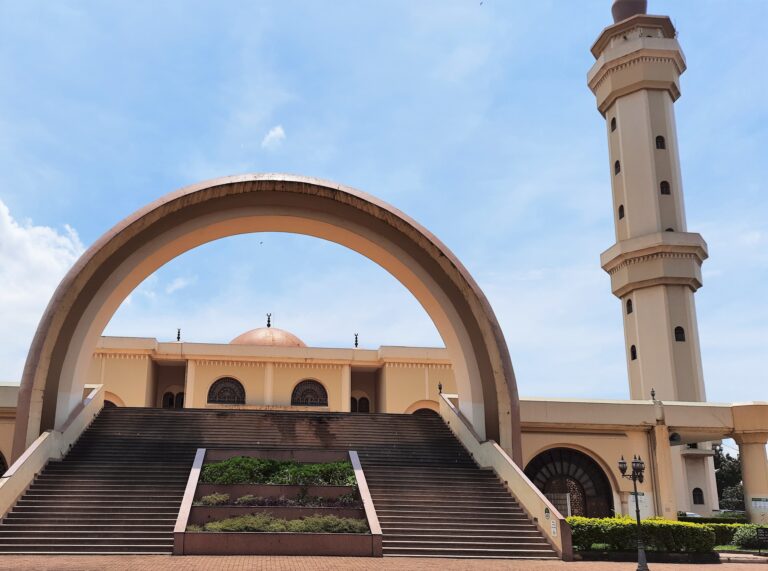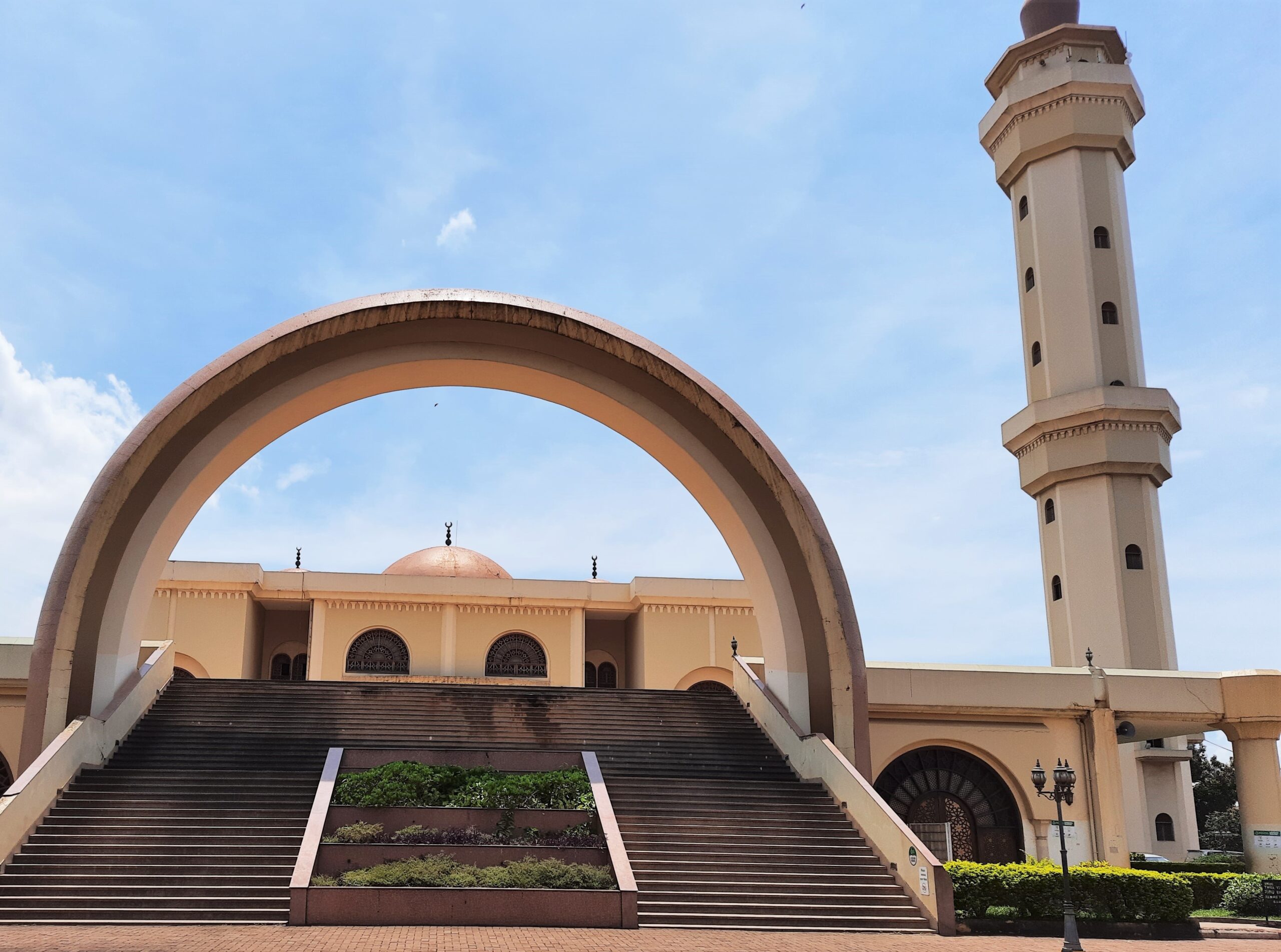
KAMPALA, UGANDA | The Uganda Muslim Supreme Council (UMSC) has constituted a five-member committee to investigate the reported disappearance of UGX 3.5 billion in government compensation for land previously owned by the Muslim institution, in a development that has renewed scrutiny of its property management, financial oversight and internal governance.

The National Executive Committee, during a special meeting held on 16 November 2026 at the Council’s headquarters in Old Kampala, resolved to establish the inquiry and directed Secretary General Hajji Abbas Muluubya Ssekyanzi to proceed on mandatory leave as investigations commence. The committee is expected to submit its findings within one month, beginning 18 November.
The panel comprises Dr Abduwahid Ijosiga, representing West Nile; Dr Counsel Adam Makmot Kibwanga, Northern Uganda; Hajji Yusuf Mayanja, West Buganda; retired Major Hajji Abubakar Kalume, East Buganda; and Counsel Sheikh Kassim Kamugisha, Ankole-Kigezi. Counsel Hajji Muhammad Ali Aluma has meanwhile been appointed Acting Secretary General.
The controversy concerns compensation reportedly deposited in December 2024 into a joint account at Tropical Bank’s main branch in Kampala. According to UMSC National Chairperson Prof. Dr Muhammadi Lubega Kisambira, the Council subsequently discovered that the entire UGX 3.5 billion had allegedly been withdrawn through 81 cheques without the knowledge of its principal signatory.
The withdrawals raise questions about the authority under which the transactions were conducted, the safeguards applied by the bank and the eventual destination of the money. UMSC says it has reported the matter to police and identified three individuals whose signatures reportedly appeared on the cheques. These are allegations awaiting investigation, not findings of criminal responsibility.
The compensation traces its origins to land acquired by UMSC in the mid-1970s for large-scale livestock ranching. The Council established Uganda Ranches Limited to manage the investments, with directors appointed to oversee the company’s operations. The ranching venture reportedly collapsed following the overthrow of President Idi Amin in 1979, after which the company ceased operations. Decades later, questions surrounding its former directors, corporate records and ownership documentation appear to have complicated the compensation process.
Prof. Lubega told journalists that land belonging to the ranching enterprise was affected by government land restructuring and compulsory acquisition during the 1990s, after which compensation was due to the affected proprietors. He attributed some of the difficulties in tracing the assets to earlier leadership disputes that reportedly resulted in the loss of important property records. He further said that successive UMSC administrations had not adequately followed up on the status of Uganda Ranches Limited or updated the company’s official records to reflect changes in its management.
According to the press release from the UMSC Spokesperson, the Executive Committee meeting indicate that former officials Hajji Fazil Jjingo Kasujja and Hajji Isah Khalifa Lukwago, together with the company’s former Board Secretary, Counsel Mustafa Ssebankyaye, were involved in challenging the proposed compensation arrangements. They reportedly opposed payment into UMSC’s consolidated accounts and pursued a joint-account arrangement.
The Secretary General has since offered a different account, according the press document, on 17 November, Muluubya reportedly claimed that the withdrawal was carried out on the instructions of the Mufti, Sheikh Shaban Ramadhan Mubajje, and that he did not act independently. This is a material counterclaim that the investigation will need to examine alongside the Council’s account, the banking records and the relevant authorisations.
Why the dispute matters beyond UGX 3.5 billion
The significance of the controversy extends beyond the amount involved, UMSC is a longstanding institution established in 1972 to provide an umbrella structure for Muslim communities and coordinate religious, social and institutional affairs.
The 2024 National Population and Housing Census recorded 6,051,317 Muslims in Uganda, representing 13.2 per cent of the country’s population. This compares with 4,663,204 Muslims, or 13.5 per cent, in the 2014 census. The Muslim population therefore increased by approximately 1.39 million people, or nearly 30 per cent, over the decade, even as its share of the national population edged down slightly. These figures underline the scale of the community whose institutional interests UMSC is expected to serve.
The Council’s own Strategic Plan 2023–2033 identifies education, health, water and sanitation, institutional capacity and the socio-economic empowerment of Muslims as important priorities. It also highlights disparities in the ownership of educational institutions. According to the plan, Muslim-founded schools account for 4.7 per cent of secondary schools, while Muslim-founded institutions account for 2 per cent of business, technical and vocational training institutions and primary teachers’ colleges. The plan further records that, as of 2017, only two of 27 listed privately owned universities were Muslim-founded. These are figures published in UMSC’s strategic planning document, rather than a new independent audit of the education sector. Nevertheless, they illustrate why the management of institutional assets and compensation funds carries implications for the Council’s wider development ambitions.
UGX 3.5 billion is a substantial resource in that context. Its proper accounting, preservation and use are important not only for the institution’s balance sheet but also for the confidence of Muslims who expect their collective assets to support religious, educational and social development.
The latest controversy also comes against the background of previous disputes over UMSC leadership and property management. In 2023, members petitioned the High Court over the conduct of the Council’s affairs, including allegations concerning the management and disposal of Muslim community properties. The proceedings exposed deep divisions within the institution and prompted judicial consideration of its governance arrangements.
In January 2025, the High Court reviewed and set aside earlier orders in the dispute, emphasising the need for parties to follow the arbitration mechanism provided under Article 28 of the UMSC Constitution. The ruling did not establish that all allegations made during the dispute were true or false; it addressed the legal process through which the internal disagreements should be handled.
The period also saw public controversy over the proposed sale and attachment of Muslim properties in connection with a reported UGX 19 billion debt dispute. That matter is separate from the current UGX 3.5 billion compensation inquiry, but it forms part of the wider institutional history that makes transparent property administration particularly important.
UMSC’s amended Constitution provides for a Property and Endowment (Awqaaf) Trust, intended to hold and manage Muslim land, buildings, investments and securities. Article 26 provides for at least ten holding trustees drawn from the Council’s ten Muslim regions and envisages the vesting of institutional properties in the Trust. The provision offers an institutional framework for safeguarding assets, although its effectiveness depends on proper implementation, documentation and oversight.
The committee faces several questions that will require documentary and financial evidence.
First, what were the precise terms of the government compensation and the joint-account arrangement? Second, who held authority to approve withdrawals, and what instructions or resolutions supported the 81 cheques? Third, what records exist showing the beneficiaries and ultimate use of the funds? Fourth, what role did the bank’s account mandates and internal verification procedures play in processing the transactions?
The inquiry will also need to establish whether the Council’s leadership, its principal signatory and the relevant former company officials received the information required under the applicable banking arrangements. The bank’s response and the findings of police investigations will be important in determining the facts.
The Council’s constitutional framework already provides for financial governance and asset management structures. The present case therefore presents an opportunity to assess not only individual responsibility, if any, but also whether those structures were adequately applied to a legacy asset involving several decades of corporate and institutional history.
The one-month inquiry is an important first step, but its credibility will depend on independence, access to records, fair consideration of all accounts and a clear report supported by evidence. Any subsequent recovery of funds or disciplinary and legal action should follow established procedures.
For UMSC, the broader challenge is to move beyond recurring disputes over leadership and property towards a more reliable system of institutional stewardship. That means maintaining an accurate register of assets, updating company records, strengthening internal financial controls, ensuring effective oversight of bank accounts and publishing regular audited financial statements.
The compensation dispute should not become another episode in which competing accounts deepen divisions within the Muslim community. It should instead provide an opportunity to establish the facts, protect community property and reinforce the principle that assets held by a public-facing religious institution must be managed transparently and in the interests of the people they are intended to serve. Ultimately, the question is not only where the UGX 3.5 billion went. It is whether the governance systems responsible for protecting Muslim community assets are strong enough to ensure that such a controversy does not recur.