ADDIS ABABA, Ethiopia | Uganda’s creative industry received continental recognition at the 12th Africa Sourcing and Fashion Week (ASFW) and the 15th All Africa Leather Fair (AALF), held in Addis Ababa from 12 to 15 November 2026. Ugandan designers and entrepreneurs showcased the country’s craftsmanship, indigenous materials and manufacturing potential, demonstrating how culture can serve as a bridge between nations while opening opportunities for trade and investment.

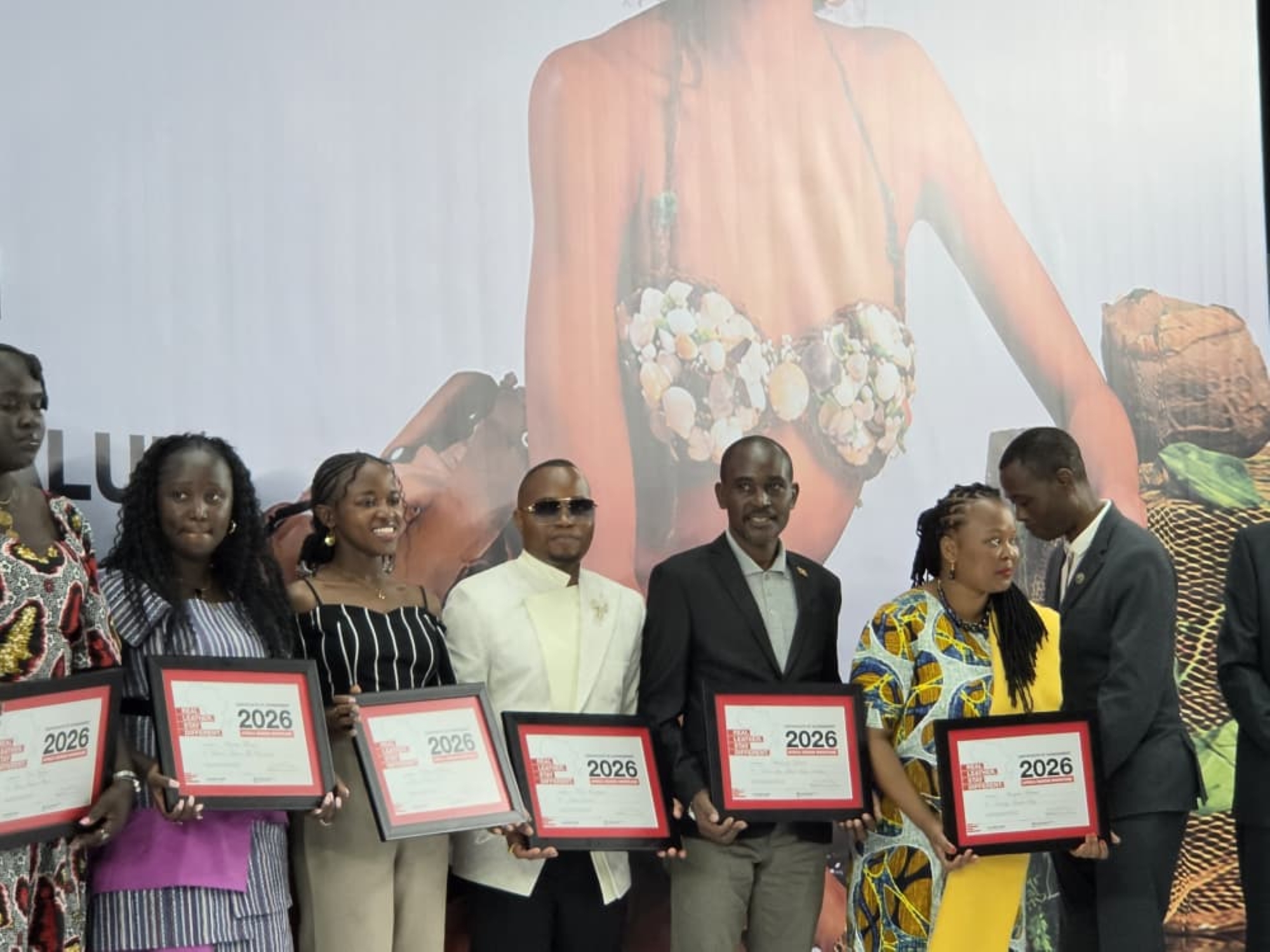
Among exhibitors from more than 30 countries, Ugandan participants attracted attention for their locally crafted footwear, leather products and sustainable fashion. A notable highlight was the recognition of Ugandan entrepreneur Yoram Atuhamize, founder and Chief Executive Officer of ISO-certified Jora Shoes Co. Ltd., among the Top 15 Leather Exhibitors, selected from more than 90 participants.
His award-winning entry was a reinforced leather boot designed to improve protection and durability for Uganda’s boda-boda motorcycle taxi riders. Made using locally sourced materials, the product illustrated how indigenous manufacturing knowledge can respond to everyday needs while creating products with wider commercial appeal. The achievement also carried a cultural message: Uganda’s identity is not expressed only through its music, dance, food and traditional ceremonies, but also through the creativity, skills and enterprise of its people.
Cultural diplomacy through creative enterprise
Uganda’s participation was supported by the Embassy of the Republic of Uganda in Addis Ababa as part of its Economic and Commercial Diplomacy (ECD) mandate. The Mission used the international platform to connect Ugandan businesses with buyers, industry representatives, policymakers and potential partners.
Margaret Kafeero, Minister Counsellor for Bilateral Affairs at the Embassy, emphasised the importance of linking diplomatic engagement with practical opportunities for local entrepreneurs. She noted that platforms such as ASFW and AALF enable Ugandan craftsmanship to move beyond policy discussions and gain visibility in regional and international markets.
This approach reflects an increasingly important dimension of contemporary diplomacy: cultural influence can create pathways for economic cooperation. When Ugandan products reach international audiences, they communicate the country’s heritage, ingenuity and productive capacity while challenging perceptions of Africa as merely a source of raw materials.
Uganda’s presence was further enriched by two women whose work connected traditional knowledge with contemporary design. Irene Namalwa Kajumba, founder of Mother’s Love Crafts, represented the Kampala Leather Cluster with handcrafted leather products. Nominated by the Ministry of Trade, Industry and Cooperatives and sponsored by the Africa Leather and Leather Products Institute (ALLPI), she also participated in industry discussions and professional networking.
Rowena Kamasai Kagaba of Good Fibre presented a collection inspired by Uganda’s indigenous materials, including barkcloth, sisal, cotton and silk. Her work demonstrated how traditional resources can be reimagined through contemporary fashion while sustaining local production knowledge and creative livelihoods.
Barkcloth, in particular, carries cultural significance in Uganda, connecting modern design with an established tradition of craftsmanship. Its presence on an international fashion platform offered an opportunity to introduce audiences to an important element of Uganda’s cultural heritage. Together, these designers demonstrated that cultural preservation and commercial innovation need not be competing objectives. With appropriate investment, skills development and market access, traditional materials and techniques can contribute to sustainable livelihoods and the growth of Uganda’s creative economy.
The event brought together stakeholders from across the textile, apparel and leather industries, creating opportunities for collaboration among African countries, including Uganda, Ethiopia, Kenya, Zambia and South Africa. Such engagements are particularly relevant to the African Continental Free Trade Area (AfCFTA), whose ambition to expand intra-African trade depends not only on policy commitments but also on the capacity of businesses to produce, market and distribute competitive goods across borders.
For Uganda, the creative sector offers an additional avenue for export diversification, enterprise development, employment and international visibility. Connecting designers and artisans to regional supply chains can help transform individual creative achievements into wider economic opportunities.
Uganda’s participation in Addis Ababa illustrates how cultural diplomacy can complement traditional diplomatic engagement. Through fashion, leather craftsmanship and indigenous materials, the country presented a narrative of creativity, identity and economic possibility.
The recognition of Jora Shoes, alongside the contributions of Mother’s Love Crafts and Good Fibre, provides an opportunity to build sustained partnerships between Ugandan creative enterprises and international markets.
The next step is to translate exhibition visibility into commercial relationships, investment, technology transfer, skills development and stronger market access for local producers.
Ultimately, Uganda’s cultural diplomacy will be measured not only by how successfully its heritage is presented abroad, but also by how effectively that recognition creates opportunities for its people at home. Uganda is not simply showcasing what it makes; it is sharing who it is, what it values and what it can contribute to Africa’s creative and economic future.
The Embassy represents Uganda’s bilateral interests in Ethiopia and its multilateral engagements with the African Union and the United Nations Economic Commission for Africa. Through cultural engagement and Economic and Commercial Diplomacy, the Mission promotes Uganda’s exports, attracts investment and builds partnerships that advance the country’s regional and international interests.