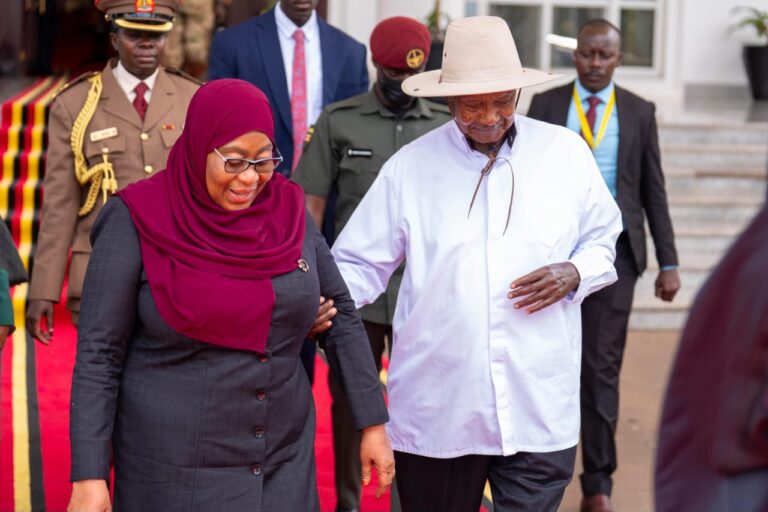
ENTEBBE, UGANDA | Uganda Airlines has launched its Entebbe–Accra service, marking a strategic step in Uganda’s efforts to strengthen economic diplomacy, expand intra-African connectivity and translate continental integration ambitions into practical commercial opportunities.

The four-times-weekly service, operating on Tuesdays, Thursdays, Fridays and Sundays via Lagos, Nigeria, connects Uganda’s principal international aviation gateway with Ghana’s capital and commercial centre. The route is being operated using a Boeing 737-800 and adds Ghana to the national carrier’s expanding West African network. The launch follows the airline’s relaunch in August 2019 and comes as Uganda Airlines marks seven years of operations. More than a new destination, the connection offers Uganda and Ghana an opportunity to deepen commercial relations between two regions whose economic cooperation remains central to Africa’s integration agenda.
Accra is a strategic addition to Uganda Airlines’ network, building on its existing presence in Nigeria. For Ugandan businesses, the route creates another channel through which to engage Ghanaian importers, distributors, investors, tourism operators and other commercial partners. For Ghanaian businesses, Entebbe offers potential onward connections into the East African Community and markets beyond.
The commercial opportunity is particularly significant given the relatively modest recorded merchandise trade between the two countries. According to United Nations Comtrade data reported by Trading Economics, Uganda’s exports to Ghana amounted to approximately US$258,640 in 2025. The recorded exports included edible fruits and nuts, dairy products, pharmaceutical products and technical or medical equipment.
While this figure represents exports in one direction rather than total bilateral trade, it illustrates the scope for expanding commercial exchange. Better air connectivity alone will not guarantee increased trade, but it can reduce travel friction, improve access to business networks and facilitate face-to-face negotiations that help commercial relationships develop.
Priority opportunities include coffee, tea, dairy products, horticulture, processed foods, pharmaceuticals and other value-added products. Cargo potential will depend on competitive freight rates, reliable capacity, customs procedures, product certification and the ability of exporters to meet market requirements.
The route carries particular significance because Accra hosts the Secretariat of the African Continental Free Trade Area (AfCFTA), the continent-wide initiative designed to create a more integrated market for African goods and services. The AfCFTA’s ambitions extend beyond reducing tariffs. Its success also depends on the practical ability of businesses to identify customers, move goods, access finance, navigate regulations and establish reliable supply chains across national borders.
Air connectivity can support these processes by improving business mobility, enabling time-sensitive cargo movements and strengthening links between commercial centres. However, the benefits will depend on complementary measures, including trade facilitation, predictable regulations, competitive transport costs and effective implementation of continental agreements.
The African Union’s Single African Air Transport Market (SAATM) similarly seeks to promote connectivity between African capitals through a unified air transport market. The AU identifies the initiative as an instrument for advancing continental economic integration and growth.
The Entebbe–Accra service therefore offers a practical example of how airline network development can support broader African integration. Its ultimate value will be measured not only by passengers carried, but also by the commercial relationships, tourism flows and investment opportunities it helps facilitate.
For Uganda, the route aligns with the country’s Economic and Commercial Diplomacy agenda and the ambition to accelerate structural transformation through the Tenfold Growth Strategy, which targets a US$500 billion economy by 2040. The scale of Uganda’s export economy underscores the importance of accessing new markets. Figures published by Uganda’s Ministry of Trade, Industry and Cooperatives indicate that merchandise exports reached approximately US$10.64 billion in financial year 2024/25, compared with US$7.9 billion in the preceding financial year. Refined gold, coffee and other commodities featured prominently in the export performance.
These national figures should not be confused with existing trade between Uganda and Ghana. Rather, they demonstrate Uganda’s broader export capacity and the importance of diversifying market access, strengthening distribution networks and increasing the share of products sold through higher-value commercial channels.
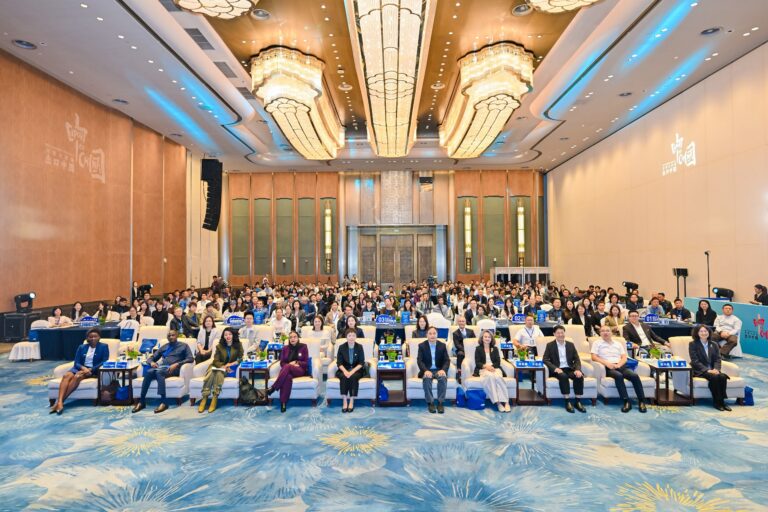
The route launch is accompanied by a Ghana–Uganda Trade and Business Forum scheduled for 28 October at the Accra Marriott Hotel. The forum provides a platform for government representatives, business leaders, investors and tourism stakeholders to explore partnerships and identify opportunities for trade and investment. To produce lasting results, such engagements should be followed by measurable commercial outcomes: exporter–buyer agreements, corporate travel arrangements, tourism packages, cargo commitments and investment leads that progress into actual transactions.
Uganda’s mountain gorillas, the Source of the Nile, wildlife parks, cultural heritage and conference facilities present opportunities for Ghanaian visitors seeking nature, adventure and business travel. Ghana, in turn, offers Ugandan travellers access to its historic coastal heritage, cultural attractions and vibrant commercial environment.
Joint destination marketing between Uganda Airlines, the Uganda Tourism Board, Ghanaian tourism institutions and private-sector operators could help convert improved access into visitor growth. Coordinated itineraries, travel-agent partnerships, familiarisation trips and competitive packages would give the route a stronger commercial foundation.
Beyond leisure tourism, easier travel can support academic exchanges, diplomatic engagement, professional networks, family visits and cultural cooperation. These relationships contribute to the social foundations upon which sustainable economic partnerships are built.
The long-term success of the Accra route will depend on more than its inaugural ceremony. Airline operations require sufficient passenger demand, effective capacity management, reliable schedules and disciplined cost control. The initial four-weekly schedule provides a basis for developing the market while allowing the airline and its partners to assess demand. Any future increase in frequency will need to be supported by sustained traffic and commercially viable operations.
Governments and aviation regulators also have a role in facilitating growth through effective implementation of air-service agreements, efficient airport processes, transparent charges and continued efforts to liberalise African aviation markets.
For Uganda Airlines, the challenge is to balance its national development mandate with the commercial discipline required to sustain a competitive network. For the business communities of both countries, the corresponding responsibility is to use the new connection to develop real demand. The launch of Entebbe–Accra represents a new chapter in Uganda Airlines’ network development and a practical opportunity to strengthen East–West African economic relations.
Its wider significance lies in the possibility of bringing diplomacy, aviation, tourism and trade closer together. By linking Uganda to Ghana through a scheduled service, the airline creates an additional platform for businesses, investors, travellers and institutions to engage across the continent. The next phase must convert that access into measurable outcomes: stronger bilateral commerce, more visitors, increased cargo activity, deeper private-sector partnerships and improved commercial links between East and West Africa.
For Uganda and Ghana, the route is an invitation to move beyond the symbolism of connectivity and build a relationship in which African markets become more accessible to African businesses.