NEW YORK — Uganda has called for a more predictable, adequately financed and institutionally coordinated approach to African peace operations, urging international partners to translate commitments to continental security into sustainable operational support.

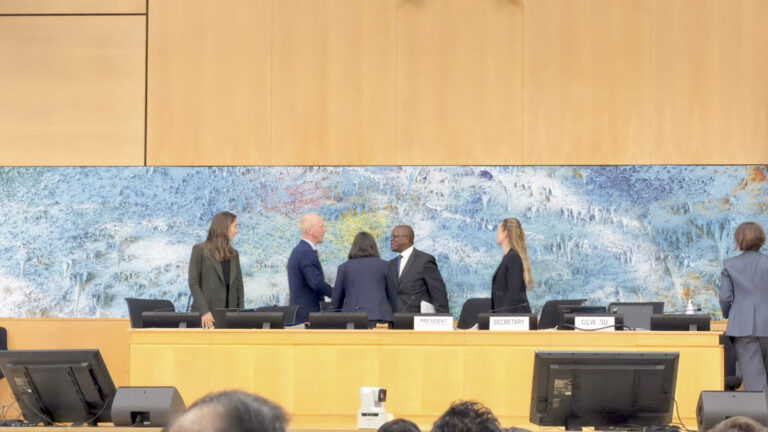
Speaking during high-level engagements on African peace operations and peacebuilding in New York, H.E. Ambassador Rebecca Amuge Otengo, Uganda’s Permanent Representative to the African Union (AU), underscored the importance of moving beyond ad hoc security arrangements towards a structured partnership between the AU and the United Nations (UN).
At the centre of Uganda’s position is UN Security Council Resolution 2719 (2023), which establishes a framework for financing AU-led peace support operations from UN-assessed contributions, subject to Security Council authorisation and the resolution’s applicable conditions. The mechanism represents an important development in efforts to address the longstanding financial constraints facing African-led peace initiatives. For a continent confronting interconnected security challenges, Uganda argues that sustainable peace requires more than political declarations. It demands reliable financing, coherent operational planning, clearly defined mandates and a shared commitment to protecting civilians.
Uganda’s position draws significantly on the experiences of African-led operations in Somalia, where successive missions have demonstrated both the contribution of regional security cooperation and the challenges associated with sustaining complex peace support deployments. The African Union Mission in Somalia (AMISOM), the African Union Transition Mission in Somalia (ATMIS) and the African Union Support and Stabilization Mission in Somalia (AUSSOM) provide important lessons for future operations. Their experiences highlight the need to align political objectives with operational capabilities, secure predictable resources and establish realistic transition arrangements.
Ambassador Otengo emphasised that future missions must integrate essential capabilities from the earliest planning stages. These include strategic mobility, advanced logistics, aviation assets, medical evacuation, intelligence and surveillance infrastructure, reliable communications and the capacity to sustain deployed personnel.
Such capabilities are fundamental to operational effectiveness, particularly where forces operate across extensive territories, face evolving security threats and must protect civilian populations. The Somali experience also demonstrates why transitions between missions require careful preparation. Changes in mandates, command arrangements or financing must not create operational gaps that undermine security gains or weaken support for political processes.
A central concern raised by Uganda is the mismatch between the urgency of security crises and the institutional processes governing their financing. Different budget cycles, approval procedures and deployment timelines within the AU and UN can delay the availability of resources when operations need them most. Dependence on voluntary or extra-budgetary contributions can further complicate long-term planning.
Uganda therefore advocates stronger resource mobilisation, diversified funding arrangements and continued contributions to the AU Peace Fund, while maintaining that international partners must recognise peace and security in Africa as a shared global responsibility.
Resolution 2719 offers a framework for addressing part of this challenge, but its effectiveness depends on implementation. Predictable financing must be accompanied by accountability, appropriate oversight, transparent expenditure and clear political objectives. For African governments, this also reinforces the importance of strengthening continental institutions and demonstrating responsible stewardship of resources committed to peace operations.
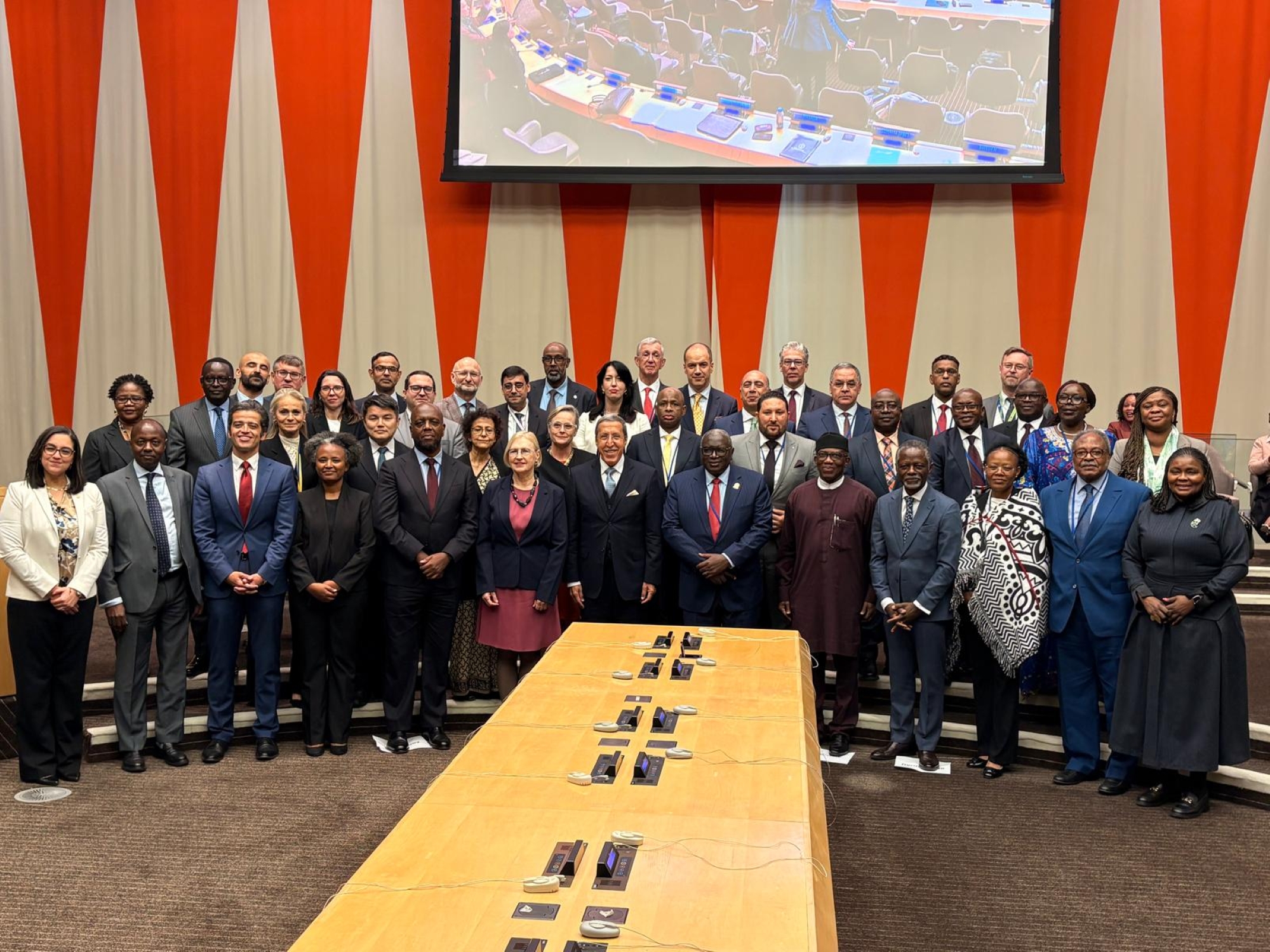
Uganda’s advocacy complements the outcomes of the Ninth Annual Consultative Meeting between the AU Peace and Security Council (PSC) and the UN Peacebuilding Commission (PBC), convened in New York on 21 October 2026 under the theme of advancing synergies and regional approaches in support of nationally owned peacebuilding priorities in Africa. The Ugandan delegation was led by Ambassador Otengo. The meeting focused on strengthening coordination between continental and international institutions and translating policy commitments into practical cooperation.
Among the proposed areas of follow-up were regular information-sharing, country-specific cooperation, joint field missions undertaken with the consent of host states, improved institutional coordination and stronger links between peacebuilding and development financing. The discussions also highlighted the importance of regional economic communities and regional mechanisms in supporting peace initiatives, alongside the need to respect national sovereignty and nationally defined priorities.
A quarterly progress-reporting approach was outlined to help track implementation, identify bottlenecks and strengthen institutional accountability ahead of the next annual consultative meeting. These measures reflect an important principle: peacebuilding cannot be sustained through security interventions alone. Durable stability also depends on functioning institutions, economic opportunities, inclusive governance and the participation of communities affected by conflict.
The African Union comprises 55 member states and has a mandate to advance continental peace, security and integration. Yet the ambition of African-led solutions must be matched by the institutional and financial capacity to implement them.
Uganda’s position recognises that African ownership and international burden-sharing are complementary rather than competing objectives. Continental institutions must provide strategic leadership and accountability, while international partnerships can help mobilise the resources required for complex peace operations. The ultimate test of these arrangements will be whether they support timely deployments, protect civilians, strengthen political solutions and contribute to lasting peace.
For Africa, predictable peace financing is therefore not simply a budgetary question. It is a strategic investment in regional stability, economic recovery and the conditions necessary for sustainable development. As AU and UN institutions advance their cooperation, Uganda’s message is clear: frameworks matter, but their credibility will depend on implementation. A more peaceful continent requires coordinated planning, reliable resources and a partnership capable of translating collective commitments into measurable results for African communities.