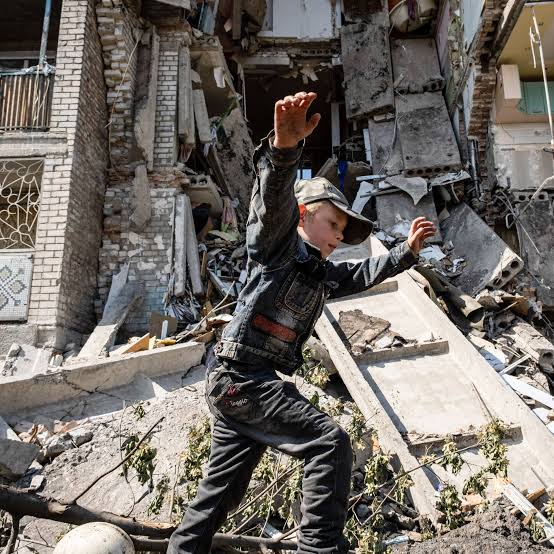
The latest reports of children killed and injured in attacks across both the Russian Federation and Ukraine have renewed international concern over the escalating humanitarian cost of the ongoing conflict, reinforcing calls for stronger protection of civilians under international humanitarian law.
Over recent days, multiple incidents have resulted in the deaths and injuries of children on both sides of the conflict, underscoring the reality that prolonged warfare continues to exact its heaviest toll on the most vulnerable members of society. According to reports, a 13-year-old girl was killed while two other girls, aged seven and nine, sustained injuries after a drone struck near a playground in Russia’s Belgorod region. Separate reports indicate that three children were among seven people killed during an attack in Russia’s Krasnodar region, where dozens of other civilians were also reportedly injured.
Across the border in Ukraine, authorities have reported the deaths of at least six children during the past week. The casualties include an eight-year-old boy, several children who reportedly died alongside members of their family in the Dnipropetrovsk region, and two young girls in the Sumy region. Additional reports indicate that numerous other children suffered injuries during attacks over the same period. While the circumstances surrounding individual incidents continue to be documented, the cumulative humanitarian impact has intensified international appeals for greater adherence to the principles of distinction, proportionality, and precaution that govern the conduct of armed conflict under international humanitarian law.
Across modern conflicts, children frequently experience consequences that extend far beyond immediate physical harm. Loss of family members, interrupted education, psychological trauma, displacement, and reduced access to healthcare collectively shape long-term development prospects for entire generations. Humanitarian organisations have repeatedly cautioned that every attack affecting civilian populations carries consequences that may persist long after active hostilities have ended, making child protection an essential component of conflict response and post-conflict recovery.
The continued loss of civilian lives has prompted renewed appeals from international organisations for all parties to the conflict to take every feasible measure to safeguard civilians, particularly children. International humanitarian law requires parties to armed conflicts to distinguish between military objectives and civilians and to take precautions aimed at minimising civilian harm. Regardless of geography or nationality, the protection of children remains a universally recognised humanitarian obligation. Their safety should never become secondary to military objectives or political disputes.
As the conflict continues into another year, diplomatic engagement remains central to efforts aimed at reducing civilian suffering and creating conditions for sustainable peace. While political differences remain profound, humanitarian considerations continue to provide an area where international consensus is both possible and necessary. The latest reports serve as another reminder that the consequences of armed conflict are measured not only in strategic outcomes but also in human lives. Every child lost represents a profound tragedy for families, communities, and the broader international community. Protecting children during armed conflict is not solely a legal responsibility it is a shared moral imperative that transcends borders, politics, and competing national interests.