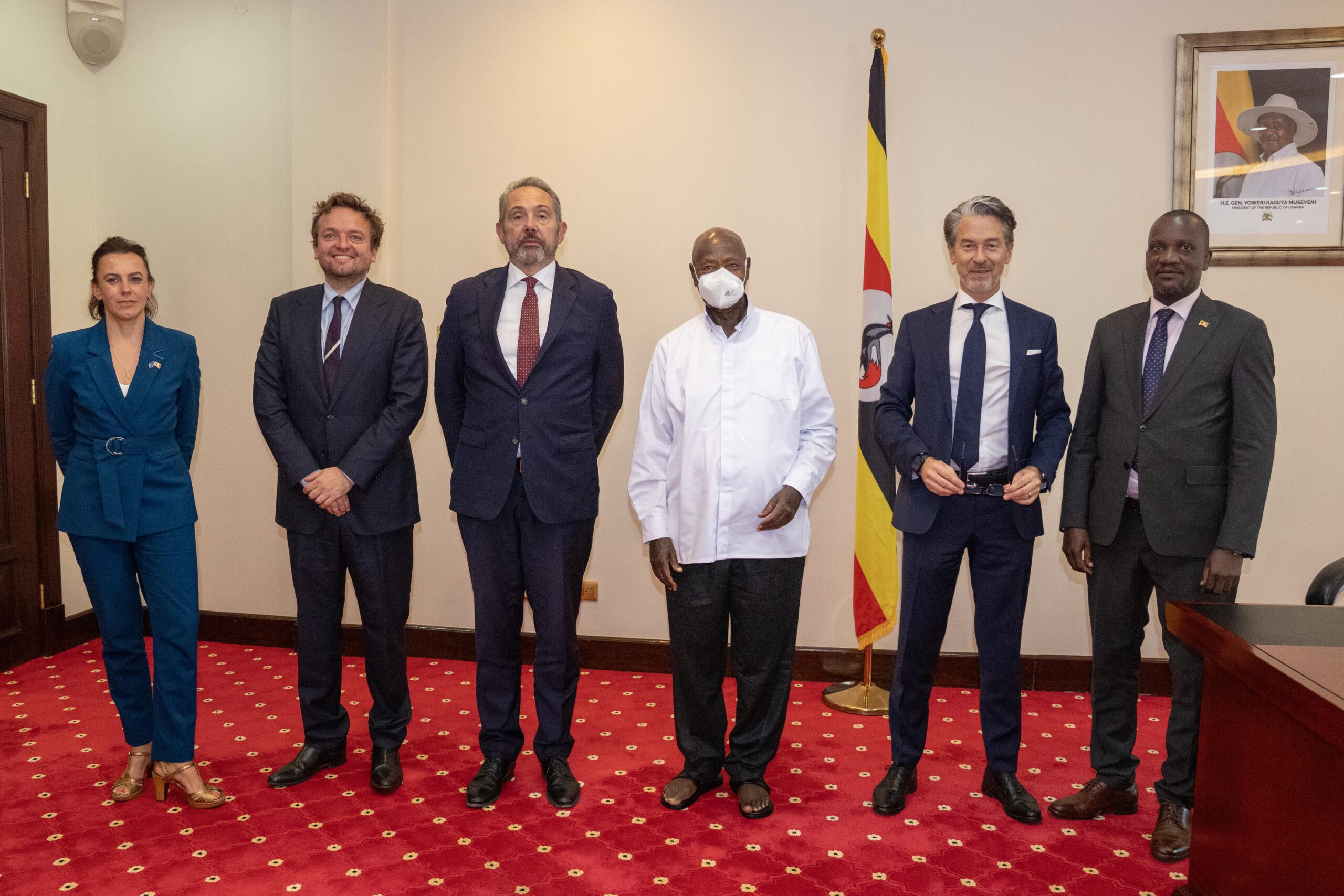
ENTEBBE, UGANDA | Ugandan President Yoweri Kaguta Museveni has reiterated the importance of dialogue as the foundation for resolving the protracted conflict in eastern Democratic Republic of Congo (DRC), during discussions with the European Union (EU) Special Representative for the Great Lakes Region, Mr. Johan Borgstam, at State House, Entebbe.

The meeting focused on regional peace and security, particularly the continuing conflict in eastern DRC and the need for sustained political engagement to address the underlying challenges affecting stability in the Great Lakes region.
President Museveni emphasised that dialogue remains the most viable path towards a durable resolution, urging the parties involved to prioritise negotiations over threats and armed confrontation. “The only solution is talk. Stop all these threats and wars and everything else and talk, because it is unfair that the people of Congo are suffering because of this stubbornness to refuse to talk,” President Museveni said.
He underscored the human cost of the conflict, noting that the Congolese people deserve peace and the opportunity to determine their future through peaceful political processes. His remarks reinforced the importance of political will, inclusive engagement and constructive negotiations in addressing a conflict with implications extending beyond national borders.
The eastern DRC conflict remains a significant concern for the wider Great Lakes region, where insecurity can contribute to population displacement, humanitarian pressures, disrupted trade and strained relations among neighbouring countries. Efforts to achieve lasting peace therefore carry implications not only for the DRC but also for regional economic cooperation, cross-border security and the welfare of communities affected by instability.
Mr. Borgstam, the EU Special Representative for the Great Lakes Region, acknowledged President Museveni’s experience in regional affairs and highlighted the value of Uganda’s perspective in understanding the political and security dynamics affecting the region. “We have come to seek your advice and get a full analysis from you as the regional father who is wise and experienced,” Mr. Borgstam said.
The engagement reflected the continued importance of consultation between African regional leaders and international partners in addressing complex security challenges. Such exchanges can contribute to a better understanding of regional priorities, support diplomatic coordination and identify opportunities for complementary peace initiatives.
The European Union has an established role in supporting peace, security and regional cooperation in the Great Lakes region through diplomatic engagement and cooperation with African institutions and national governments. Uganda, meanwhile, remains an important regional interlocutor because of its geographical position, security interests and engagement in regional diplomatic processes.
The meeting provided an opportunity to exchange perspectives on the conflict in eastern DRC and the wider search for a sustainable political settlement. However, no specific agreement or new peace initiative was announced in the information made available about the engagement.
The discussions highlighted a central challenge confronting peace efforts in eastern DRC: translating diplomatic engagement into sustained political commitment and practical progress towards ending hostilities. A durable settlement requires more than calls for negotiations. It depends on credible political processes, the willingness of the parties to engage, respect for relevant regional and international commitments, and measures that address the security and humanitarian concerns of affected populations.
The principles underpinning the United Nations Charter, particularly the peaceful settlement of disputes under Article 2(3), provide an important international framework for diplomatic efforts. The African Union’s emphasis on peaceful conflict resolution and regional cooperation similarly underscores the importance of African-led initiatives supported by constructive international partnerships.
For communities affected by conflict, the significance of such engagements ultimately lies in whether diplomatic dialogue contributes to greater security, improved humanitarian access, the safe and voluntary return of displaced populations where conditions permit, and opportunities for recovery and development.
President Museveni’s call for dialogue and the EU delegation’s consultation with Uganda’s leadership illustrated the continuing relevance of political engagement in efforts to address regional insecurity. Sustained coordination among the DRC, neighbouring countries, the African Union, regional mechanisms and international partners remains important to advancing a peaceful and durable outcome.
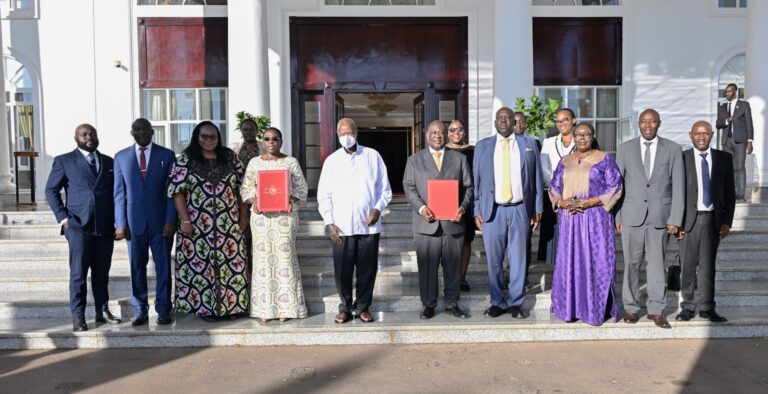
The meeting was attended by H.E. Jan Sadek, Ambassador of the European Union to Uganda; H.E. Eole Sury, Deputy Head of the EU Delegation to Uganda; and Mr. Tristan Terryn, Political Adviser to the EU Special Representative for the Great Lakes Region. The engagement reaffirmed the importance of continued diplomatic consultation on peace and security in eastern DRC, with dialogue remaining central to efforts to reduce tensions and advance stability across the Great Lakes region.