Uganda’s latest security tragedy in Kisoro is not simply a story of a shooting followed by six arrests. It is the loss of a community leader whose work sought to widen opportunities and dignity for deaf people—and a reminder that insecurity can reach beyond the immediate victim to affect families, institutions, livelihoods and public confidence.

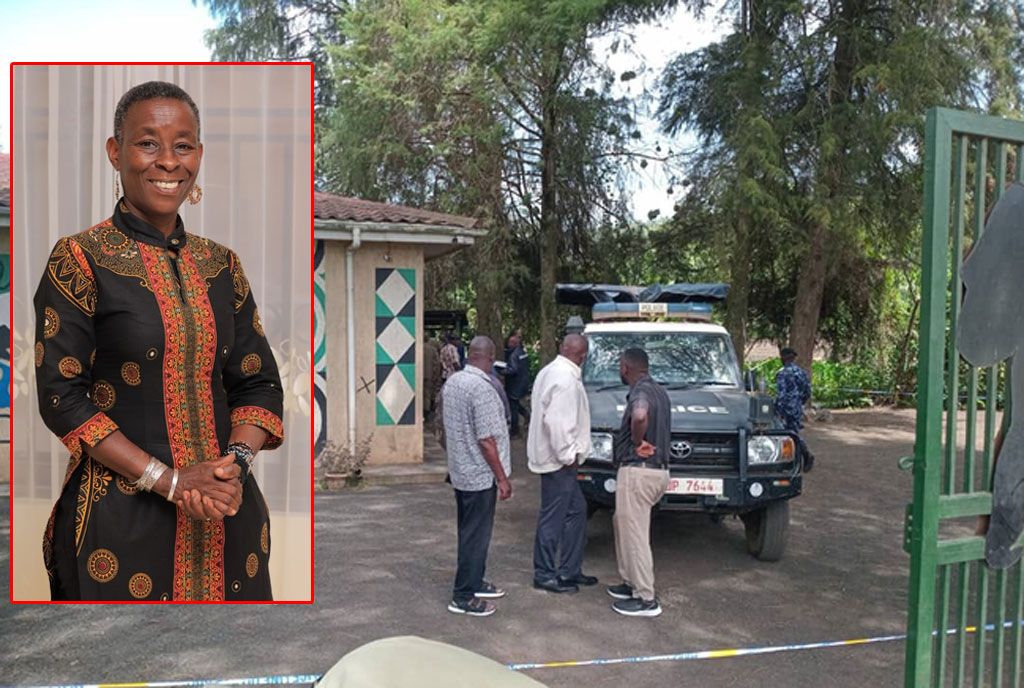
Barbra Nassozi Kiyaga, founder and executive director of Deaf Link Uganda, was shot dead during an exchange of gunfire after unidentified assailants attacked Mucha Lodges in Kisoro District at approximately 2:00 a.m. on Thursday, 5 November 2026. A police officer guarding the premises, Police Constable Charles Mukesi, was also injured. He was taken to Kisoro Hospital and reported to be in stable condition.
On Saturday, 7 November, local authorities confirmed that six people had been arrested to assist investigations. Those arrested reportedly included four lodge employees, a tour guide and a police officer. Their arrest does not establish guilt, and investigators must establish the circumstances of the attack, identify the assailants and determine whether any other individuals were involved.
The case is unfolding against a troubling security backdrop in Kisoro. On 17 October, businessman Africano Nteziyaremye and his wife, Peace Kyompeire, were shot dead at the gate of their home in the district. Earlier reports also described an attempted attack at Bweza Lodge in the wider area. Authorities have not established that these incidents are connected. Nevertheless, their occurrence within a relatively short period places renewed attention on the safety of residents, visitors and businesses in this strategically important tourism region.
Kiyaga’s contribution through Deaf Link Uganda gives the tragedy a wider social dimension. Organisations serving persons with disabilities are often important bridges between communities and public institutions, supporting access to information, services, education and participation. The death of their leadership can disrupt that work and leave vulnerable communities with fewer advocates.
Across Africa, the protection of persons with disabilities remains a development and human-rights concern. The United Nations’ Disability and Development Report 2024 presents data showing that, in Uganda, 34% of women with disabilities aged 15–49 in the surveyed population had experienced sexual violence at least once, compared with 22% of women without disabilities. Rwanda recorded 33% and 22%, respectively. These figures concern sexual violence, not homicide, and they do not establish that Kiyaga herself had a disability. They nevertheless illustrate the particular vulnerabilities that disability-inclusive institutions and protection systems must address.
The World Health Organization has also warned that women with disabilities face heightened risks of violence and that their experiences are often inadequately captured in national data. Isolation, inaccessible reporting systems and discrimination can make it harder for survivors to seek help or receive appropriate protection.
The African Union’s commitments to inclusive development, human rights and the implementation of Agenda 2063 must therefore translate into practical protection: accessible justice systems, stronger community safety mechanisms and institutions capable of responding to the needs of persons with disabilities.
Kisoro occupies an important place in Uganda’s tourism landscape, with its lakes, mountain scenery and proximity to mountain gorilla conservation areas. Its tourism economy depends not only on natural attractions and hospitality investment, but also on the confidence that visitors, workers and residents can move and stay safely. When armed attacks occur around tourism facilities, the consequences can extend beyond the immediate crime scene. They can affect visitor confidence, accommodation bookings, local employment, transport operators and the reputation of the destination. Security, therefore, is not separate from economic diplomacy or tourism promotion; it is one of their foundations.
The authorities’ response must go beyond temporary deployments. It should include intelligence-led policing, effective coordination between tourism operators and security agencies, emergency-response preparedness, proper incident reporting and transparent communication with the public. Any investigation must be evidence-based and protect the rights of those arrested as well as the interests of the victim and her family.
The six arrests represent an investigative development, not the conclusion of the case. The public deserves credible answers: who carried out the attack, what happened during the exchange of gunfire, whether security arrangements at the lodge were adequate, and what measures will prevent similar incidents.
For Deaf Link Uganda, the priority must also be continuity. The organisation’s work and the communities it serves should not be left without support because its founder has been killed. Government agencies, civil society organisations and disability-rights networks have a role in helping sustain its programmes and protecting the institutional legacy she leaves behind.
Kiyaga’s death should not become another headline that fades when the immediate investigation leaves the news cycle. It should prompt a wider conversation about the value of community leadership, the safety of Uganda’s tourism destinations and the responsibility of African institutions to protect every person particularly those whose voices and needs are too often overlooked. The measure of justice will not be the number of arrests announced. It will be whether the truth is established, those responsible are held accountable through due process, and the conditions that allowed this tragedy to occur are meaningfully addressed.