Washington, D.C. — President Donald Trump’s foreign and domestic policy agenda is encountering contrasting political realities, exposing divisions within the Republican Party over the ongoing conflict with Iran while highlighting a widening imbalance in the United States’ immigration system.
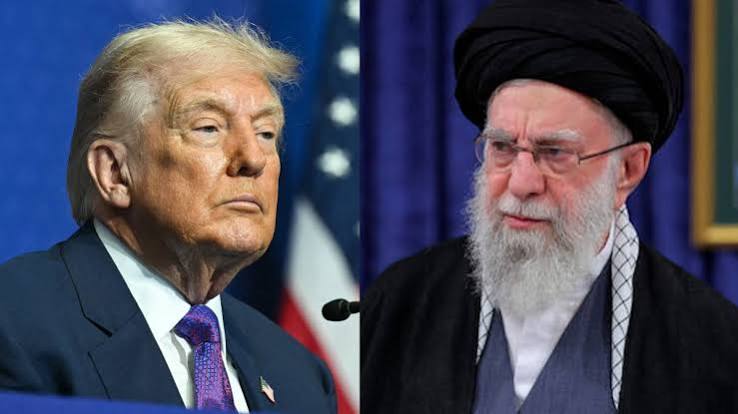
As Congress debates a multibillion-dollar funding package to sustain U.S. military operations in Iran, several Republican lawmakers have expressed growing reservations over the war’s financial costs, strategic objectives, and constitutional implications. While House Republican leadership continues to back the administration’s security agenda, a number of conservative legislators have questioned whether the conflict aligns with the “America First” principles that have long defined Trump’s political base.
The emerging divisions suggest that support for the administration’s Iran policy is no longer unanimous within Republican ranks. Fiscal conservatives have raised concerns about expanding defence expenditures amid rising national debt, while others argue that Congress should exercise greater oversight over prolonged military engagement. The debate underscores a broader question confronting U.S. foreign policy: how to balance national security commitments with domestic economic priorities.
The disagreements also reflect a wider shift in American political discourse, where bipartisan consensus on overseas military interventions has become increasingly difficult to sustain. As the conflict evolves, congressional deliberations are expected to shape not only defence spending but also the future direction of U.S. strategic engagement in the Middle East.
Meanwhile, on the immigration front, the outlook presents a mixed picture, Recent developments indicate that family-sponsored green card applicants are experiencing notable progress, with visa availability improving in several categories and processing moving forward for many families seeking permanent residency. However, the situation remains markedly different for employment-based immigrants, particularly highly skilled professionals from countries with significant demand, who continue to face lengthy processing backlogs because of annual visa limits and country caps.
The disparity has renewed debate over whether the United States’ immigration framework adequately reflects contemporary labour market needs. Business groups and technology employers have consistently argued that prolonged waits for employment-based permanent residency undermine America’s ability to attract and retain global talent, even as family reunification remains a central pillar of U.S. immigration policy.
At the same time, the Trump administration is pursuing a stricter immigration agenda, including the reinstatement of the “public charge” rule, which requires immigration officials to assess whether certain applicants are likely to depend on public assistance when determining eligibility for permanent residence. Supporters argue the policy promotes self-sufficiency, while critics contend it may discourage eligible families from accessing essential public services.
For observers across Africa, these developments extend beyond U.S. domestic politics. American foreign policy decisions continue to influence global security dynamics, while changes to immigration policy have direct implications for African professionals, students, entrepreneurs and families seeking educational, employment and investment opportunities in the United States.
As Washington navigates competing priorities abroad and at home, the debates unfolding in Congress illustrate a broader reality of contemporary governance: national security, economic competitiveness and immigration policy are increasingly interconnected in shaping America’s global role.