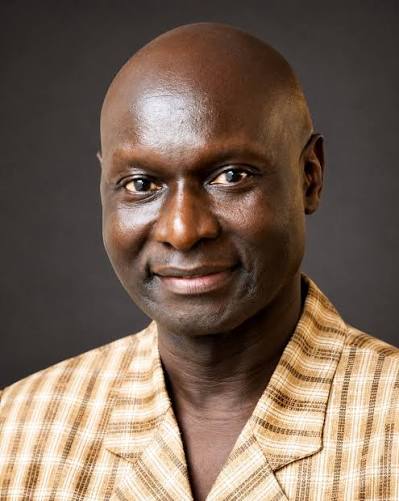
KAMPALA, Uganda — Uganda has formally presented the candidature of veteran diplomat Ambassador Olara Otunnu for the position of Secretary-General of the United Nations, positioning the nomination as both a national endorsement and a broader contribution to the future of multilateral governance.
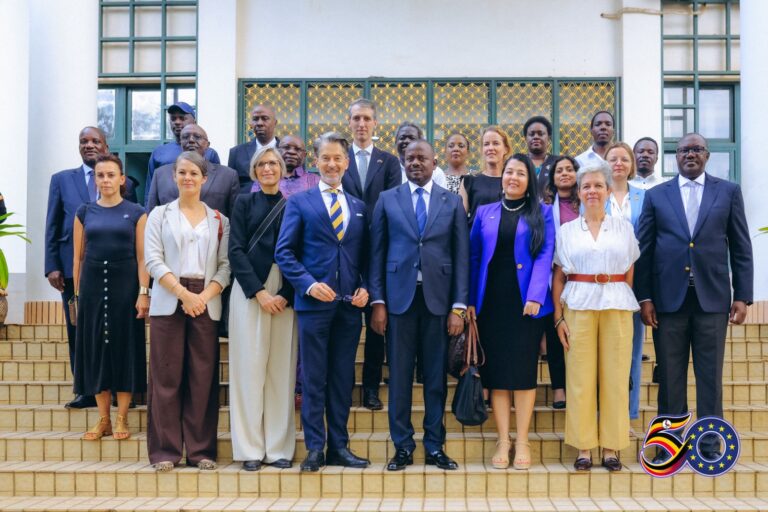
Announced during a high-level press briefing in Kampala attended by senior government officials, members of the diplomatic corps, development partners and journalists, the nomination reflects Uganda’s conviction that the United Nations requires principled, experienced and consensus-driven leadership to navigate an increasingly fragmented international order. The announcement comes at a time when the multilateral system faces unprecedented tests from geopolitical rivalry and armed conflicts to climate change, technological disruption and widening inequalities placing renewed attention on the leadership required to guide the world’s foremost international organisation.
Introducing the candidature, the Permanent Secretary of Uganda’s Ministry of Foreign Affairs described Ambassador Otunnu as a statesman whose distinguished diplomatic career embodies the qualities required for one of the world’s most demanding public offices. The Permanent Secretary noted that the Secretary-General, appointed by the United Nations General Assembly upon the recommendation of the Security Council, serves not only as the chief administrative officer of the Organisation but also as one of the world’s foremost moral and diplomatic voices.
Rather than exercising military or political authority, the office derives its influence from the principles enshrined in the United Nations Charter, the confidence of Member States and the trust of the international community. Uganda’s nomination, officials emphasized, reflects confidence that Ambassador Otunnu’s decades of experience in diplomacy, peacebuilding and international governance would strengthen the effectiveness, credibility and responsiveness of the United Nations.
Accepting the nomination, Ambassador Otunnu expressed gratitude to President Yoweri Kaguta Museveni, the Government of Uganda and Ugandans for the confidence placed in him. He also acknowledged colleagues, friends and supporters across the world whose encouragement, he said, reinforced the shared belief that effective multilateralism remains indispensable in addressing today’s global challenges. Presenting his vision, Ambassador Otunnu called for renewed commitment to the United Nations’ three foundational pillars:
- international peace and security;
- human rights; and
- sustainable development.
He argued that restoring confidence in the United Nations requires leadership grounded in integrity, dialogue, impartiality and consensus-building. “The office of the Secretary-General,” he suggested, “must continue serving as a bridge between nations, cultures and competing interests while remaining faithful to the principles of the Charter.”
Addressing international peace and security, Ambassador Otunnu stressed that preventing conflict should receive as much attention as responding to it. He observed that women and children continue to shoulder the greatest humanitarian burden during armed conflicts, making stronger investment in preventive diplomacy, mediation and post-conflict recovery increasingly urgent. He further called for sustained engagement among major powers, arguing that dialogue remains indispensable for reducing geopolitical tensions and preventing crises from escalating into wider instability. The remarks resonate with ongoing international discussions about strengthening preventive diplomacy as global conflicts become more complex and interconnected.
Among the emerging issues highlighted during the briefing was the rapid development of artificial intelligence. Rather than viewing AI solely through a technological lens, Ambassador Otunnu described it as a transformative force carrying profound implications for governance, development, security and human rights. He advocated broad international consultations bringing together governments, academia, scientific communities, civil society and the private sector to establish ethical governance frameworks that promote innovation while safeguarding humanity. His intervention reflects growing international recognition that AI governance cannot be left to individual states alone but requires cooperative global standards capable of ensuring equitable access, transparency and accountability.
On international development, Ambassador Otunnu underscored the importance of expanding access to long-term financing for developing countries. He argued that while the Secretary-General does not control international financial institutions, the office possesses significant convening authority capable of bringing together governments, multilateral development banks, philanthropic organisations and private investors to mobilise greater resources for sustainable development. He further emphasized that development partnerships should create mutual benefits for developed and developing countries alike.
Climate change also featured prominently in Ambassador Otunnu’s vision, He reaffirmed the importance of implementing commitments under the Paris Agreement through practical international partnerships capable of accelerating climate adaptation, resilience and sustainable economic transformation. Equally significant was his call for continued reform of the United Nations system, He reiterated Africa’s longstanding position that the Security Council should become more representative of today’s geopolitical realities, including equitable permanent representation for African states. The proposal reflects a wider continental consensus that global governance institutions should evolve to better reflect contemporary political and demographic realities.
Reflecting on the responsibilities attached to the office, Ambassador Otunnu emphasized that the Secretary-General serves neither individual governments nor regional blocs but the collective interests of humanity. He identified humility, impartiality, attentive listening and the ability to build consensus as essential attributes for effective leadership. Drawing upon his extensive international experience including serving as President of the United Nations Security Council, heading the International Peace Institute and championing the protection of children affected by armed conflict he pledged to pursue solutions that bridge local realities with global policymaking.
The Permanent Secretary also situated the nomination within Uganda’s broader diplomatic tradition. He highlighted the country’s longstanding engagement with multilateral institutions, including the election of Rt. Hon. Sam Kutesa as President of the United Nations General Assembly and Uganda’s sustained contributions to regional peace efforts in Somalia, the Democratic Republic of the Congo and the Great Lakes Region. Officials noted that Uganda continues to view multilateral diplomacy as an important pillar of its foreign policy, particularly in advancing peace, regional integration and international cooperation.
Uganda’s nomination of Ambassador Olara Otunnu extends beyond national diplomacy. It reflects broader African aspirations for a stronger voice in shaping international governance at a moment when many countries are calling for reforms that make multilateral institutions more representative, inclusive and effective. The debate surrounding the next Secretary-General is expected to unfold against a backdrop of intensifying geopolitical competition, accelerating technological change, climate-related pressures and persistent development challenges. In that context, the qualities increasingly sought in global leadership are likely to include diplomatic credibility, institutional experience, moral authority and the capacity to build consensus across diverse political interests.
Whether Ambassador Otunnu ultimately secures the position will depend on the complex consultative processes within the United Nations system. Nevertheless, Uganda’s nomination contributes meaningfully to ongoing conversations about the future of global governance and the evolving role of African leadership in international affairs. As Ambassador Otunnu concluded during the briefing, the office of the Secretary-General “serves the peoples of the world” a reminder that peace, sustainable development, technological governance and human dignity remain shared responsibilities that transcend national borders.