Kampala, Uganda — It is a cold morning in Uganda, and for a country accustomed to hearing the warm sounds of Afrigo Band across generations, the news of the death of Moses Matovu has brought an unusual silence.
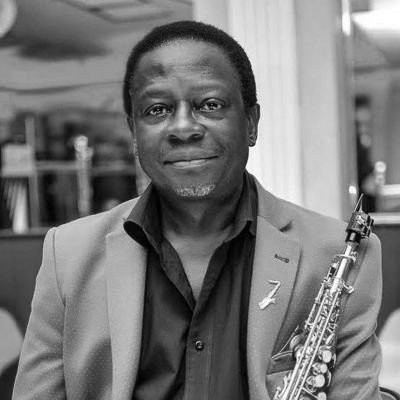
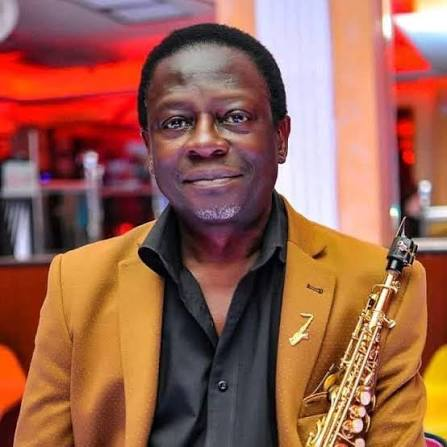
Matovu, the veteran musician, saxophonist, vocalist, composer and longtime leader of Afrigo Band, died at Kibuli Hospital on Thursday morning after reportedly being attacked by unidentified assailants in Kampala. Reports indicate that he was attacked while on his way to a mosque for morning prayers and was subsequently rushed to hospital. The circumstances of the attack and the identities and motive of the assailants remain under investigation.
For Uganda’s cultural community, however, the significance of Matovu’s death extends far beyond the circumstances of his final hours. It marks the passing of one of the principal custodians of a musical tradition that has accompanied Uganda through decades of political, social and cultural change.
Born in Kampala in 1949, Matovu entered professional music in the 1960s, first performing with the Thunderbirds Band before moving through the Police Band and Cranes Band. In 1975, following the collapse of the Cranes Band, he and fellow musicians established Afrigo Band. What followed was one of the most enduring stories in Uganda’s popular music.
Afrigo reached its 50th anniversary in 2025, a milestone that reflected not merely the longevity of a musical group but the extraordinary ability of a cultural institution to remain relevant across generations. Under Matovu’s leadership, the band developed a distinctive sound drawing from African rumba, jazz, funk and local Ugandan musical traditions, with Luganda lyrics helping anchor its music in Ugandan cultural expression.
For generations of Ugandans, Afrigo was more than entertainment. It became part of the soundtrack of national life. Matovu’s saxophone and voice were therefore not simply instruments of performance. They were instruments of memory. This is where the loss of Moses Matovu acquires a broader significance for cultural diplomacy.
Countries do not communicate their identity to the world only through embassies, official statements and diplomatic meetings. They also speak through music, literature, film, food, fashion, sport and the creative arts.
Artists can become informal cultural ambassadors because they carry elements of their societies with them wherever they perform. Their work can introduce foreign audiences to a country’s language, rhythms, history, values and imagination without the need for a formal diplomatic message.
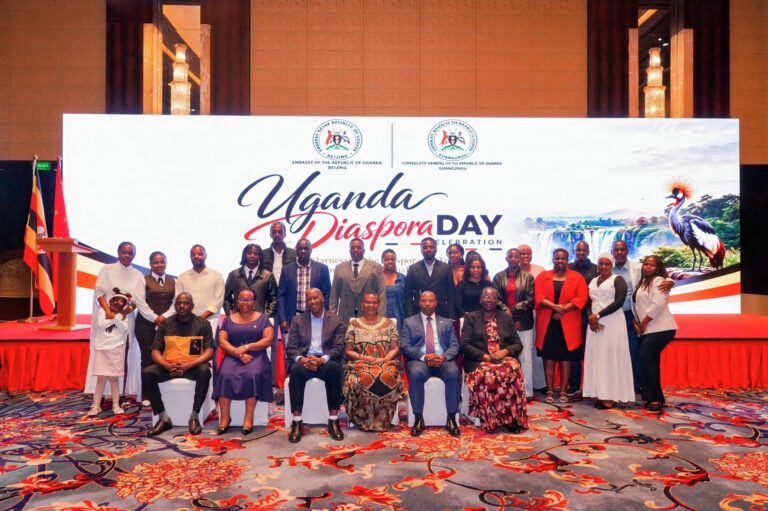
Afrigo embodied this dimension of Uganda’s international cultural presence. The band has performed for Ugandan communities in the diaspora, including audiences in Europe and the United States, helping maintain cultural connections between Ugandans abroad and the country of their heritage.
In 2016, Afrigo was also recognised by the Kabaka of Buganda for its contribution to the preservation of culture, with Matovu publicly associated with that recognition. Such moments demonstrate how cultural institutions can operate at the intersection of identity, heritage and international engagement.
Matovu’s greatest legacy may ultimately be found not in a single song or performance, but in the continuity he helped create. He remained active in music for decades while nurturing younger musicians and advocating for the preservation of culture. In a 2024 engagement with young learners, Matovu encouraged parents to recognise and nurture children’s creative abilities, describing culture as foundational to identity.
That message is particularly relevant at a time when Uganda’s creative industries are increasingly connected to digital platforms, international audiences and the wider African cultural economy. The death of a cultural figure of Matovu’s generation consequently raises an important question: how does a country preserve the knowledge carried by its cultural pioneers?
Recordings must be preserved. Oral histories must be documented. Musical archives must be digitised. Young artists must have opportunities to learn from those who built Uganda’s creative industries before them. And cultural institutions need the capacity to ensure that important artistic legacies do not disappear with their creators. Cultural diplomacy ultimately depends on cultural memory.
Uganda will mourn Moses Matovu as a musician, but history may remember him as something larger: a custodian of a particular chapter in Uganda’s cultural story.
Afrigo’s five-decade journey demonstrated that music can outlive political eras, technological changes and shifting public tastes. Its survival created a bridge between generations of Ugandans and provided a recognisable expression of Ugandan creativity to audiences beyond the country’s borders. His death therefore invites more than condolences. It invites reflection on how Uganda values, documents and projects its cultural heritage.
As the police investigation into the circumstances of his death continues, the country waits for answers. But alongside the search for justice is another responsibility: to ensure that the music, stories, recordings and lessons of Moses Matovu’s generation remain accessible to those who come after them.
On this cold September morning, Uganda has lost a musician but it has also lost a keeper of memory and somewhere beneath the grief, the question remains: who will carry the music forward? Moses Matovu, may your soul rest in peace.