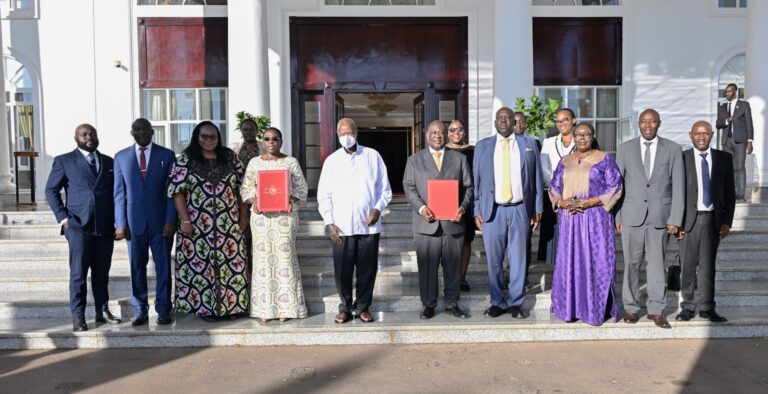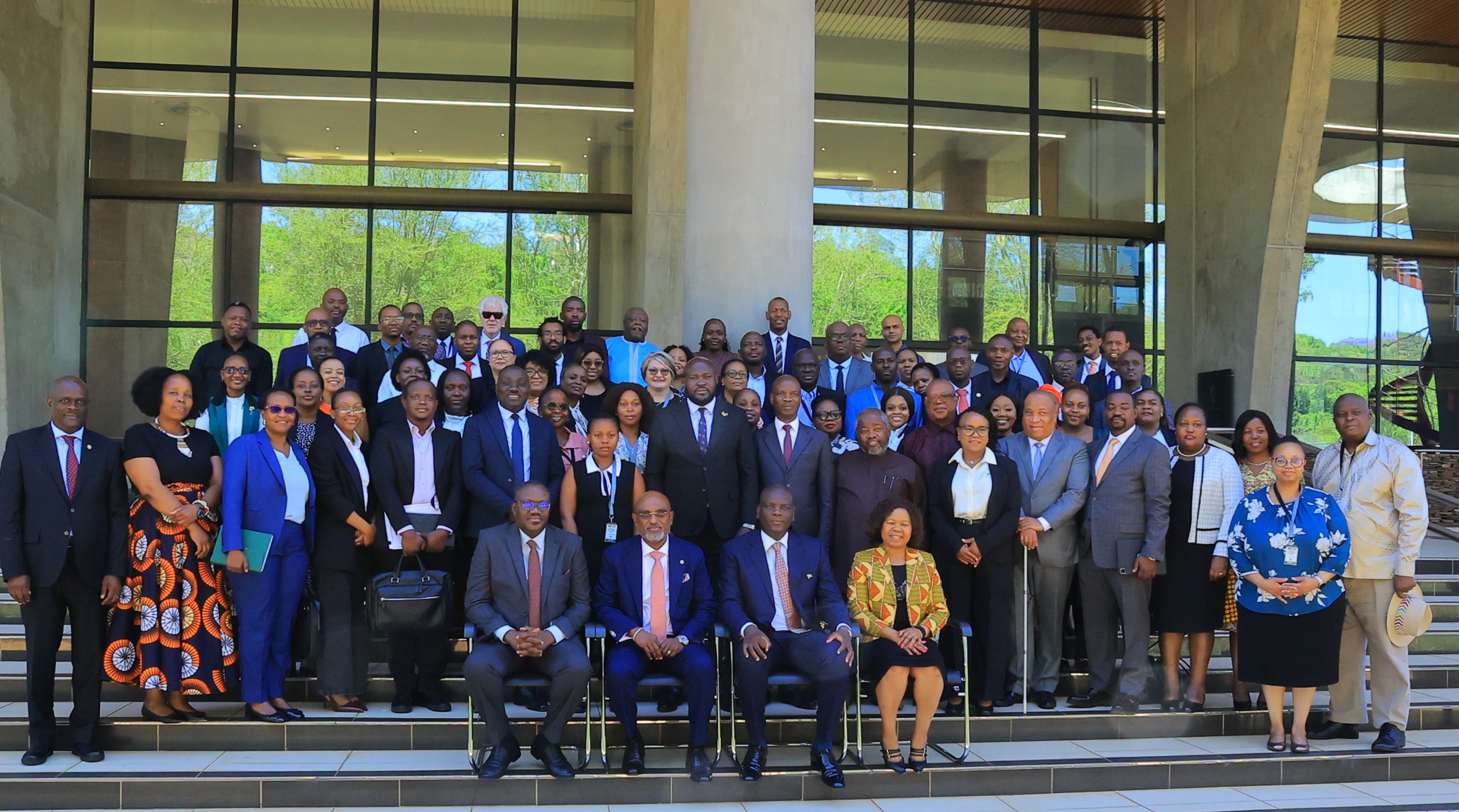
PRETORIA, SOUTH AFRICA | South Africa and Uganda have reaffirmed their commitment to strengthening bilateral relations, with a renewed focus on political consultation, trade, investment and sectoral cooperation following the Ministerial Meeting of the Third Session of the Joint Commission of Cooperation (JCC) in Pretoria on 20 October 2026.

The meeting brought together South Africa’s Minister of International Relations and Cooperation, Hon. Ronald Lamola, and Uganda’s Minister of Foreign Affairs, Hon. Adonia Ayebare, to consider and adopt recommendations arising from the Senior Officials Meeting and identify practical measures to advance cooperation between the two countries. The discussions underscored the role of structured diplomatic engagement in translating longstanding political relations into commercial opportunities, institutional partnerships and shared development priorities. Ministers reaffirm political ties and identify trade, investment, tourism and regional integration as priorities for stronger bilateral relations.
Opening the meeting, Hon. Lamola welcomed the opportunity to consolidate bilateral relations and advance common interests through the African Union (AU), the East African Community (EAC) and other multilateral platforms. He described the Joint Commission of Cooperation as an important mechanism for sustaining political dialogue and implementing commitments established during previous engagements, including the preceding JCC in Kampala in 2022, the Mid-Term Review in Pretoria in 2023 and President Yoweri Kaguta Museveni’s State Visit to South Africa in the same year. Hon. Lamola also commended Uganda’s emphasis on economic and commercial diplomacy, highlighting its potential to strengthen business connections and create opportunities for investment. He identified mining, energy, agriculture, telecommunications, tourism and manufacturing as priority sectors for further collaboration.
The participation of established South African companies in Uganda, including MTN, Standard Bank through Stanbic Bank Uganda, and Absa, illustrates existing commercial links between the two economies and the potential for further private-sector engagement.
Economic diplomacy at the centre of cooperation
For Uganda, strengthening economic cooperation remains a central objective of its engagement with South Africa. Hon. Ayebare emphasised the importance of sustained political and diplomatic consultations at bilateral, regional and continental levels. He also welcomed the two countries’ shared commitment to African integration, peaceful conflict resolution and the advancement of African interests within the AU and the United Nations.
The Minister highlighted opportunities in manufacturing, agro-processing, mining, energy infrastructure, information and communication technology, and financial services.
To translate these opportunities into commercial outcomes, he proposed organising trade missions and business forums that would facilitate direct engagement between companies, investors and other economic stakeholders. He also called for concerted efforts to address barriers affecting trade, including non-tariff barriers, high logistics costs and regulatory challenges. The emphasis on practical business engagement reflects a broader economic diplomacy priority: ensuring that political goodwill is accompanied by improved market access, stronger commercial relationships and identifiable opportunities for enterprises in both countries.
Tourism emerged as another area with potential for expanded cooperation. Hon. Ayebare proposed collaboration in destination marketing, hospitality training, skills development and conservation, with the aim of promoting tourism flows and strengthening the competitiveness of both destinations. Such cooperation could support knowledge exchange between tourism institutions, encourage private-sector partnerships and create opportunities for joint promotion in regional and international markets.
On immigration, the Minister stressed the importance of facilitating legitimate travel for business, education and other economic engagements. He welcomed South Africa’s Electronic Travel Authorisation (ETA) system, noting its positive results for Ugandan businesspeople and students. Continued engagement on travel facilitation could help reduce administrative obstacles for eligible travellers while supporting the orderly management of cross-border mobility.
The meeting also reaffirmed the importance of cooperation through African and regional institutions. South Africa and Uganda participate in the African Union and maintain engagement through broader continental frameworks. Uganda is a member of the East African Community, while South Africa belongs to the Southern African Development Community (SADC).
Their bilateral relationship therefore provides an opportunity to connect economic cooperation across different regional markets and strengthen dialogue on African integration, development and multilateral diplomacy. However, the practical benefits of regional and continental cooperation depend on effective implementation, predictable regulatory arrangements and sustained coordination between public institutions and the private sector. The Joint Commission offers a structured platform through which the two governments can review commitments, address outstanding issues and identify priorities for further action.
Both Ministers called for effective implementation of agreed commitments, regular bilateral engagement and the removal of trade barriers to unlock the full potential of cooperation. The impact of the Third Session of the JCC will ultimately depend on how its recommendations are translated into practical measures, including stronger business-to-business engagement, progress on identified sectoral priorities and improved coordination between the relevant institutions. For businesses, the value of the process will be reflected in clearer market opportunities, more efficient trade procedures and partnerships capable of generating sustainable commercial returns.
For both governments, consistent follow-up will be essential to maintaining momentum and ensuring that diplomatic engagement delivers tangible benefits.
The Pretoria meeting marks another step in South Africa and Uganda’s efforts to consolidate their longstanding relations and expand cooperation in areas of mutual interest. By linking political consultation with economic diplomacy, the two countries are seeking to strengthen bilateral ties while advancing broader African development priorities.