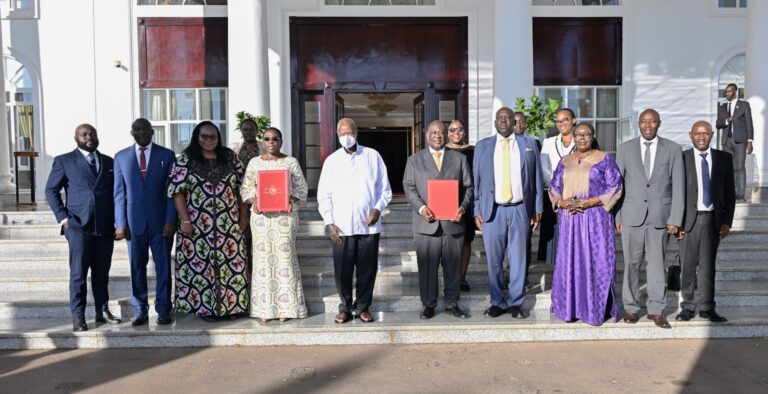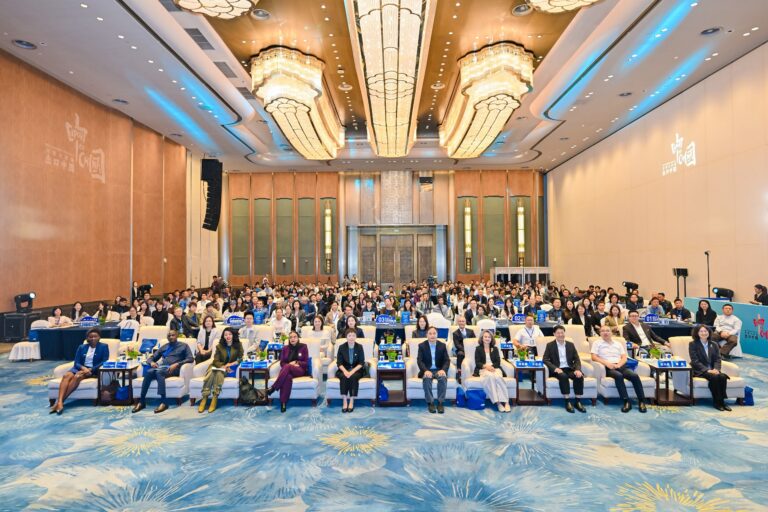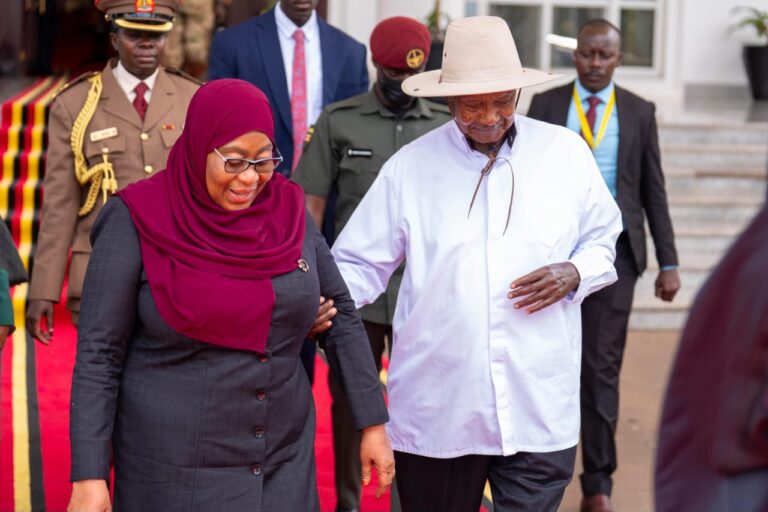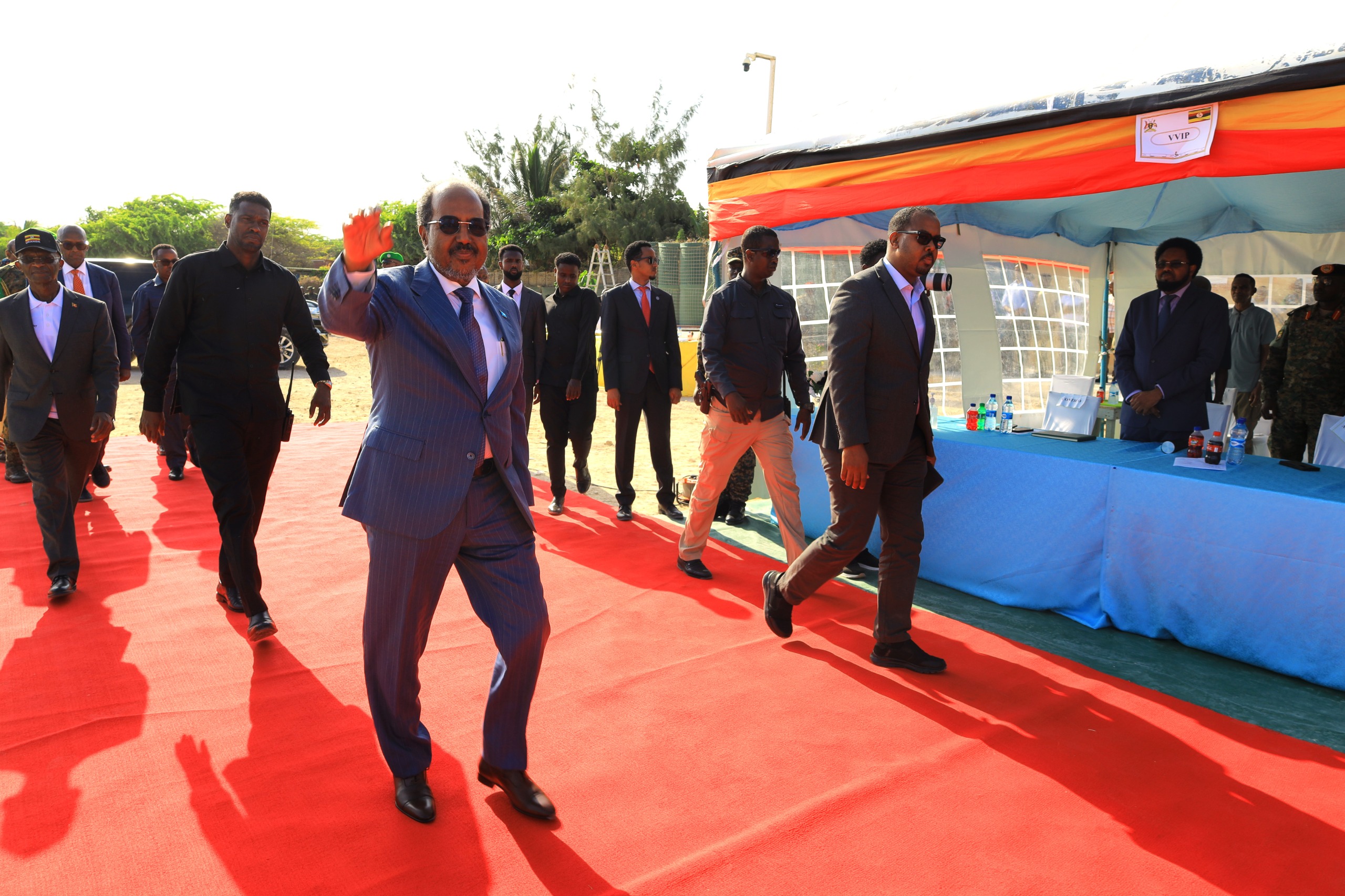
MOGADISHU, SOMALIA | The President of the Federal Republic of Somalia, H.E. Hassan Sheikh Mohamud, has reaffirmed his country’s commitment to strengthening bilateral relations with Uganda, pledging government support for Ugandan businesses seeking opportunities in Somalia. President Hassan Sheikh Mohamud reaffirms Somalia’s commitment to strengthening economic cooperation with Uganda, highlighting opportunities for private-sector partnerships, investment and regional integration.

President Mohamud made the commitment while presiding as Chief Guest at Uganda’s 64th Independence Anniversary celebrations hosted by the Embassy of the Republic of Uganda in Mogadishu on 23 October 2026. His participation underscored the longstanding relationship between the two countries and growing efforts to translate diplomatic engagement into practical economic cooperation. Held under the theme “Enhancing Our Sovereignty with Hope and Visionary Leadership,” the celebrations brought together senior Somali government officials, members of the diplomatic corps, representatives of Uganda’s private sector, Ugandan nationals living in Somalia and other invited guests.
The event was hosted by H.E. Prof. Sam Turyamuhika, Uganda’s Ambassador to Somalia, and came at a time when both countries are seeking to deepen cooperation in trade, investment, tourism, aviation and labour mobility.
In his keynote address, President Mohamud congratulated President Yoweri Kaguta Museveni and the people of Uganda on the 64th Independence Anniversary. He also paid tribute to Uganda’s contribution to peace and stability in Somalia, recognising the sacrifices made by Ugandan troops deployed to the country since 2007. Turning to economic relations, the Somali President reaffirmed his government’s willingness to work with Uganda’s private sector and relevant institutions to facilitate business cooperation. “We will work with you, Somali institutions will work with you to honour what you have requested for,” President Mohamud said, expressing his government’s commitment to supporting Ugandan business interests.
The statement carries significance for businesses exploring opportunities in Somalia, where stronger institutional engagement, predictable commercial arrangements and effective coordination between public and private stakeholders can help facilitate cross-border investment. For Uganda, the commitment provides an opportunity to build on existing commercial connections and pursue new markets for its goods and services. For Somalia, closer economic engagement offers prospects for investment, enterprise development, employment and expanded access to regional supply chains. Realising these opportunities will depend on translating political commitments into practical measures, including business facilitation, market information, trade partnerships and sustained engagement between the two countries’ private sectors.
In his remarks, President Mohamud recalled President Museveni’s historic visit to Mogadishu in 1992, describing it as a demonstration of solidarity during a period of severe insecurity. Uganda’s subsequent security engagement in Somalia, beginning in 2007, has been an important element of the bilateral relationship. Uganda’s military contribution has supported broader African Union-led efforts to stabilise Somalia and strengthen its institutions. The President’s recognition of Uganda’s role highlighted the security dimension of a relationship increasingly encompassing economic diplomacy and regional cooperation.
Speaking at the celebrations, Uganda’s Minister of Gender, Labour and Social Development, Hon. Gen. (Rtd) Henry Tumukunde, reflected on Uganda’s independence journey and the country’s progress in peace, stability and socioeconomic development. “True independence is more than a date on a calendar; it is a living promise,” he said, emphasising the continuing responsibility to translate national sovereignty into tangible progress for citizens. He also paid tribute to Ugandan peacekeepers who have served in Somalia for nearly two decades, recognising their contribution to the pursuit of peace and stability.
Ambassador Prof. Turyamuhika, in his welcome remarks, thanked President Mohamud for honouring Uganda’s national celebration, describing his presence as a reflection of the friendship between the two countries. The Independence Anniversary celebrations followed a series of bilateral engagements held in Mogadishu from 21 to 22 October 2026, including a Joint Permanent Commission Mid-Term Review, a business forum and a joint exhibition.
The engagements provided a platform for government officials and business representatives to discuss opportunities for expanding commercial relations across trade, investment, aviation, tourism and labour. The meetings also reflected the two countries’ interest in strengthening economic ties within the wider East African Community (EAC) framework.
For Uganda, Somalia represents a market for export diversification and business expansion. For Somalia, stronger commercial relations with Uganda offer opportunities to access regional goods, services, investment partnerships and established production networks. However, sustainable growth in bilateral trade requires more than high-level political goodwill. Businesses need reliable information on market demand, transparent regulatory procedures, efficient transport and logistics, accessible payment systems and mechanisms for resolving commercial disputes.
The Joint Permanent Commission and associated business engagements can help address these requirements by connecting public institutions with enterprises and identifying practical barriers to trade. The next step will be to turn the discussions into measurable outcomes, including new commercial agreements, investment commitments, expanded trade volumes and stronger business-to-business partnerships.
Ahead of the anniversary celebrations, Minister Tumukunde met members of the Ugandan diaspora at the Embassy’s chancery on 22 October. He urged Ugandans living and working in Somalia to uphold professionalism, integrity and responsible conduct, noting the importance of protecting Uganda’s reputation abroad.
Diaspora communities can contribute to bilateral relations through entrepreneurship, professional networks, skills transfer, investment and connections between markets. Their experience and knowledge of local business environments can also help companies navigate unfamiliar commercial settings. Effective diaspora engagement therefore forms part of a broader economic diplomacy agenda, linking citizens abroad with national development priorities and opportunities for cross-border cooperation.
The renewed commitment to Uganda–Somalia cooperation also carries implications for the wider East African region. As EAC partner states seek to expand regional trade and economic connectivity, stronger bilateral relationships can help improve market access, encourage private investment and create opportunities for enterprises operating across national borders.
Somalia’s engagement with Uganda is particularly relevant to efforts to connect businesses, institutions and markets across the region. Progress will depend on practical cooperation in areas such as customs procedures, transport connectivity, investment facilitation, standards and the movement of goods and services. The bilateral meetings in Mogadishu provide an institutional platform for advancing these priorities. Their impact will ultimately be measured by the extent to which agreements translate into commercially viable partnerships and tangible benefits for businesses and citizens.
President Mohamud’s participation in Uganda’s Independence Anniversary celebrations was both a diplomatic gesture and an opportunity to reinforce the economic dimension of bilateral relations. His pledge to work with Ugandan businesses signals political support for deeper cooperation. Sustaining that momentum will require continued engagement between government institutions, investors, exporters and the private sector in both countries.
For Uganda, the opportunity lies in broadening export markets, supporting businesses abroad and strengthening economic diplomacy. For Somalia, deeper cooperation can contribute to enterprise development, investment mobilisation and stronger regional commercial connections. The two countries’ shared challenge is to convert longstanding political and security ties into a more diversified economic partnership one capable of creating jobs, expanding trade and supporting sustainable development.
As Uganda commemorates 64 years of independence, the celebrations in Mogadishu illustrate how diplomatic relationships can provide a foundation for practical economic engagement, with the potential to deliver shared prosperity across the East African region.