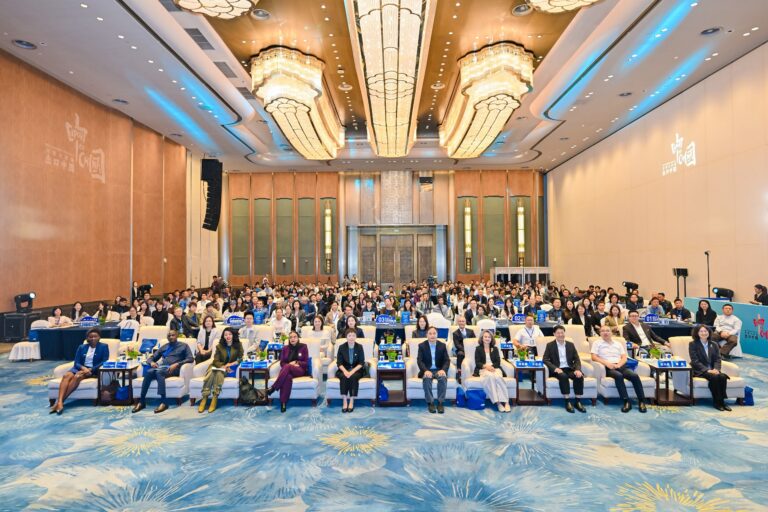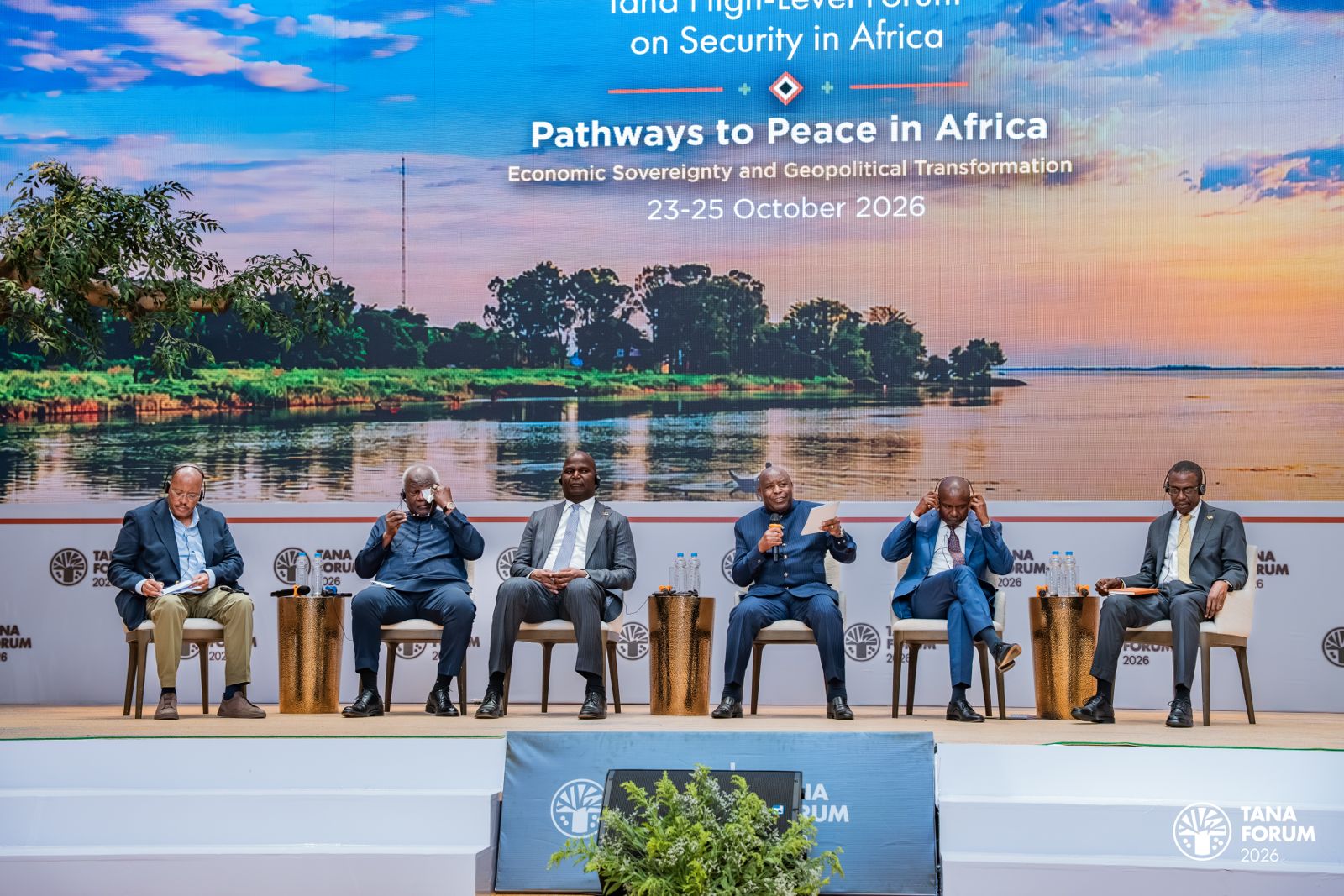
BAHIR DAR, ETHIOPIA | African leaders have called for a stronger connection between economic sovereignty, regional integration and sustainable peace as the 12th Tana High-Level Forum on Security in Africa opened in Bahir Dar, Ethiopia, on 23 October 2026. From natural resource value addition to digital independence and regional integration, the 12th Tana High-Level Forum examines how Africa can strengthen its security by transforming its economic position in an increasingly competitive world.

The three-day gathering, running until 25 October, brings together heads of state and government, ministers, former leaders, security experts and policymakers to examine how African countries can strengthen their capacity to manage resources, finance development and respond to intensifying geopolitical competition.
Opening the forum, Ethiopian Prime Minister Abiy Ahmed emphasised African ownership of continental priorities, highlighting the importance of predictable financing, regional cooperation and greater influence in shaping international rules. He argued that external economic pressures, including fluctuations in fuel and freight costs, can affect household welfare and national development priorities.
The discussions reflect a broader policy challenge facing the continent: how to convert political independence and abundant natural resources into economic resilience, institutional capacity and lasting peace. Africa’s security challenges are increasingly discussed alongside questions of public finance, employment, resource governance and economic opportunity. While conflicts have different historical and political causes, economic exclusion, competition over resources and weak institutions can compound existing tensions.
The United Nations Economic Commission for Africa estimated that Africa’s debt-service costs reached approximately US$163 billion in 2024, placing considerable pressure on public finances and governments’ capacity to fund development priorities. High debt-servicing obligations can constrain spending on essential services, infrastructure and social protection. For countries already confronting insecurity, these pressures can complicate efforts to address the underlying conditions that make communities vulnerable to instability.
The Tana Forum’s emphasis on economic sovereignty therefore positions development policy as an important component of peacebuilding. The objective is not simply to expand national income, but to strengthen governments’ ability to deliver services, create productive employment and manage economic shocks without undermining essential public investments.
Uganda’s Minister of Defence, Hon. Kiryowa Kiwanuka, representing President Yoweri Kaguta Museveni, called for a development model that translates infrastructure and natural resource investments into tangible economic benefits for citizens. “Development must lead to individual wealth creation, not just infrastructure,” Kiwanuka said. He advocated greater domestic processing of African raw materials, arguing that exporting resources without developing local industries can limit opportunities to retain value within African economies. He cited Uganda’s historical copper industry as an example of the inefficiencies associated with exporting raw materials and subsequently importing processed products.
The issue extends beyond individual countries. Africa’s mineral resources, agricultural commodities and energy potential can support industrialisation, but the benefits depend on investment in processing facilities, skills, technology, reliable energy and access to finance.
Retaining more value within African economies could expand employment, strengthen manufacturing capacity and increase the contribution of natural resources to public revenue. However, achieving this requires commercially viable industries, competitive production costs and regional markets capable of absorbing goods produced locally. The forum’s discussions consequently underscored the importance of aligning national resource strategies with wider continental industrial and trade priorities.
Digital infrastructure has also become central to discussions about economic independence and national security. According to the International Telecommunication Union, approximately 38 per cent of Africa’s population used the internet in 2024, compared with a global average of 68 per cent. The digital divide remains particularly pronounced between urban and rural communities, limiting access to online education, digital financial services and emerging economic opportunities.
At the forum, Prime Minister Abiy highlighted Ethiopia’s efforts to expand fibre infrastructure, strengthen domestic technological capacity and develop artificial intelligence skills. He also referenced energy development, including the Grand Ethiopian Renaissance Dam, and Ethiopia’s electricity cooperation with neighbouring countries.
Such initiatives illustrate how energy, connectivity and technical expertise can support economic resilience. Nevertheless, digital sovereignty requires more than infrastructure: it also depends on cybersecurity, affordable access, data governance, technical skills and the capacity to develop competitive local enterprises. For African countries, regional collaboration in these areas could reduce duplicated investment, improve interoperability and expand opportunities for businesses operating across borders.
The forum’s discussions also highlighted the importance of strengthening African markets and regional institutions amid geopolitical rivalry. The African Continental Free Trade Area offers a framework for expanding intra-African commerce and supporting regional value chains. Its effectiveness, however, depends on the implementation of agreed commitments, improved transport infrastructure, efficient customs systems and the reduction of practical barriers to cross-border trade. A more integrated market could help African manufacturers achieve economies of scale, enable businesses to reach additional consumers and strengthen the continent’s negotiating position in international trade.
For Uganda and other African economies, the strategic objective is to complement international partnerships with stronger regional production networks, allowing countries to participate in global markets while retaining more economic value at home. Economic sovereignty in this context does not require isolation. It means building sufficient productive capacity and institutional resilience to engage international partners from a stronger position.
The 12th Tana High-Level Forum brings these questions together through a central proposition: lasting peace requires institutions capable of managing insecurity while creating the economic conditions for stability and opportunity. The challenge ahead is translating dialogue into measurable progress through transparent resource governance, sustainable public financing, domestic value addition, digital development and effective regional cooperation.
For Africa, the relationship between security and economic transformation is ultimately about strengthening the capacity of states and communities to withstand external shocks, resolve disputes and pursue development priorities. As deliberations continue in Bahir Dar, the forum provides an opportunity to advance a more coordinated continental approach one that recognises peace not only as the absence of conflict, but also as the product of resilient institutions, inclusive economic opportunity and meaningful regional cooperation.