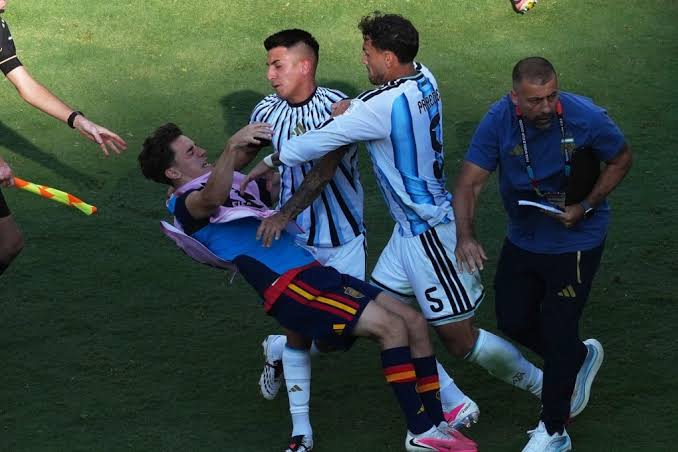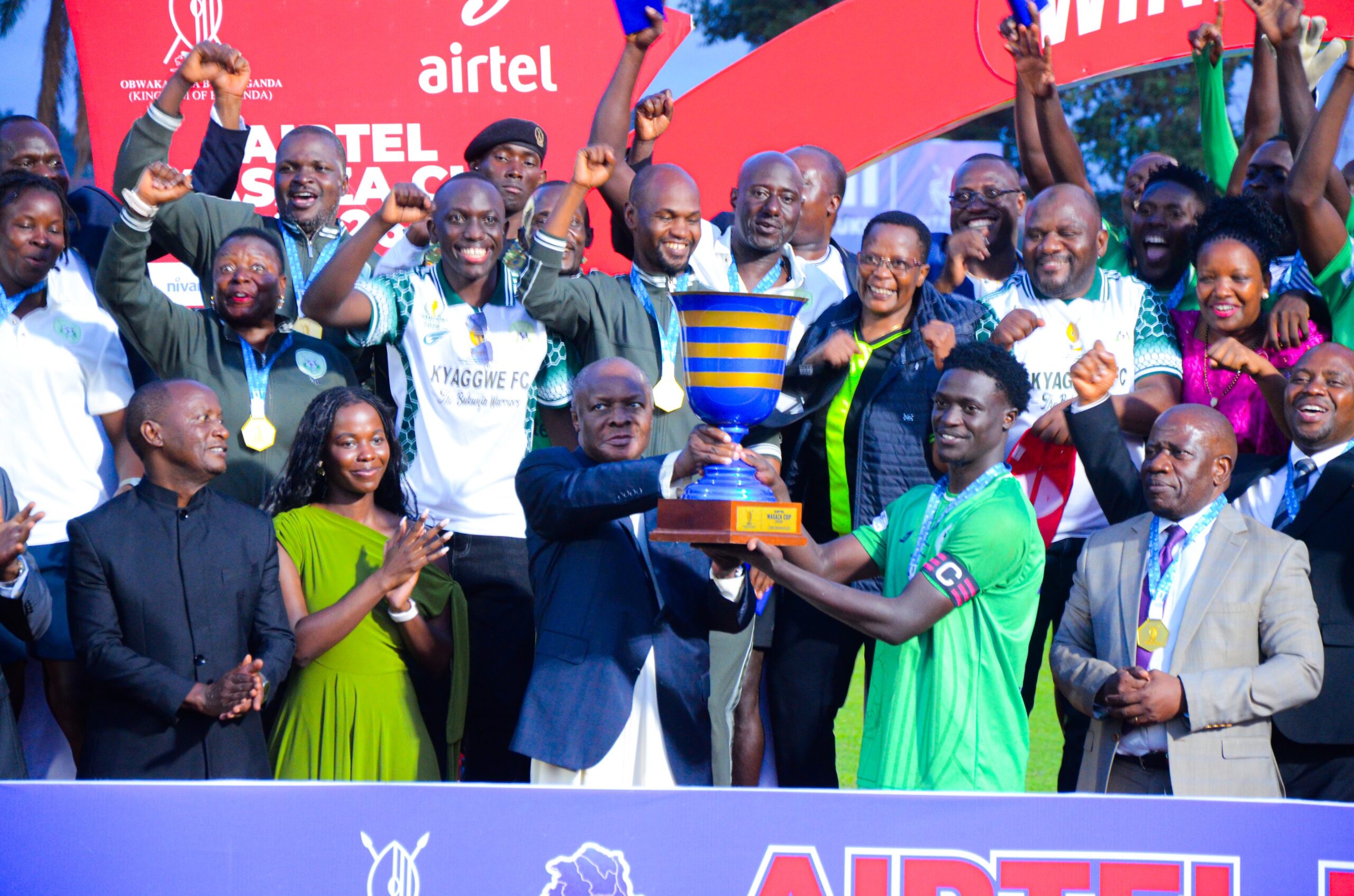
When George Isingoma Kato found the back of the net in the 75th minute of the 2026 Buganda Masaza Cup final, the goal did more than settle a football contest. It ended Kyaggwe’s long wait for a championship, denied Gomba a sixth title and brought a five-month sporting journey across Buganda to a memorable conclusion.

Kyaggwe defeated the five-time champions 1–0 on October 31 at Muteesa II Memorial Stadium, Wankulukuku, in a final witnessed by His Majesty the Kabaka of Buganda, Ronald Muwenda Mutebi II. For Kyaggwe, it was a first title since the competition’s restoration in 2004. For Gomba, it was another painful final, having now appeared in ten championship matches. The difference on the day was one goal, but the significance of the tournament extends considerably beyond the result.
The competition began on June 13, 2026, with defending champions Buweekula taking on Kyaddondo at Mubende National Teachers’ College. What followed was a campaign involving 18 county teams, with an initial schedule of 104 matches across the kingdom. By the time the group stage concluded on August 30, 90 matches had produced 164 goals, an average of 1.82 goals per game. The final group-stage weekend alone accounted for 27 goals, illustrating the competitive intensity that had developed as teams pursued qualification.
Yet the numbers tell only part of the story. The Masaza Cup has developed into an important meeting point for football, cultural identity and community participation. Each participating county carries more than a team onto the pitch. It carries the expectations of supporters, local leadership, businesses and communities whose attachment to their respective counties gives the competition its distinctive character.
That connection has increasingly attracted commercial investment. Airtel Uganda has supported the tournament as title sponsor since 2014, while Centenary Bank committed Shs200 million towards the 2026 competition. Kansai Plascon, which began its partnership with the tournament in 2023, also continued its involvement. These partnerships demonstrate how a culturally rooted sporting platform can attract businesses seeking visibility while supporting grassroots sporting development.
The financial story, however, is not confined to corporate sponsorship. It is also reflected in the determination of communities to keep their teams competitive. Ahead of the final, Gomba supporters and well-wishers mobilised Shs18.6 million through a fundraising dinner as the team sought to meet a Shs45 million preparation target. The money was intended to support accommodation, feeding, team camp arrangements and other operational requirements.
The campaign illustrated how football can mobilise resources beyond formal sponsorship arrangements. Contributions from businesspeople, political leaders, ordinary supporters and even a 12-year-old fan demonstrated the different levels at which community ownership operates. One supporter contributed Shs20,000, a modest amount in isolation but a meaningful expression of belonging within a collective fundraising effort.
The rewards at the conclusion of the tournament provided another measure of its financial dimension. Kyaggwe received Shs25 million, gold medals and the championship trophy, while Gomba collected Shs22 million. Third-placed Butambala received Shs20 million. Together, the three leading teams accounted for Shs67 million in reported prize money, excluding other individual awards and the wider costs of participating in the competition.
There is also an economic dimension that deserves greater attention. Matches hosted across the participating counties create opportunities for transport operators, food vendors, small traders, accommodation providers, photographers and other service providers. Supporters travelling to attend matches contribute to local commercial activity, while teams require equipment, transport, meals, medical support and other services throughout the season.
Although comprehensive figures on the tournament’s total economic contribution are not publicly established, these activities illustrate the potential of grassroots football to support local enterprise. The Shs200 million Centenary Bank commitment and the fundraising undertaken by individual teams are measurable financial indicators; the wider multiplier effect on businesses and household incomes remains an area deserving systematic research.
Beyond commerce, the tournament also serves a public-interest function. During the final, Buganda’s Katikkiro, Charles Peter Mayiga, reiterated the importance of using the competition to raise awareness about HIV/AIDS, particularly encouraging men to take greater responsibility in protecting women and the girl child. This adds a public-health dimension to a sporting platform whose reach extends into communities that conventional awareness campaigns may not always engage effectively.
The individual awards also offered a reminder of the talent emerging through the competition. Gomba’s Meddie Kasule finished as the leading scorer with six goals, Kyaggwe’s Godfrey Arijole was named Most Valuable Player, and Mawogola goalkeeper Herbert Masaba received the Best Goalkeeper award. Butambala, meanwhile, collected both the Fair Play and Most Improved Team awards after finishing third.
For Kyaggwe, the celebrations at Wankulukuku marked the beginning of a new chapter. For Buganda, the conclusion of the competition reinforced the continuing value of a sporting institution that brings together communities across generations.
The broader lesson is that football can be an instrument of social organisation and economic participation when it is connected to institutions, businesses and communities. The Masaza Cup has demonstrated considerable potential in this respect. Its next challenge is to translate that popularity into stronger youth development structures, transparent financial reporting, measurable local economic benefits and sustainable investment in grassroots sports. A trophy may have been lifted on October 31, but the more important question is what the competition leaves behind for the communities that sustain it. That is where the long-term value of sports diplomacy should ultimately be measured.