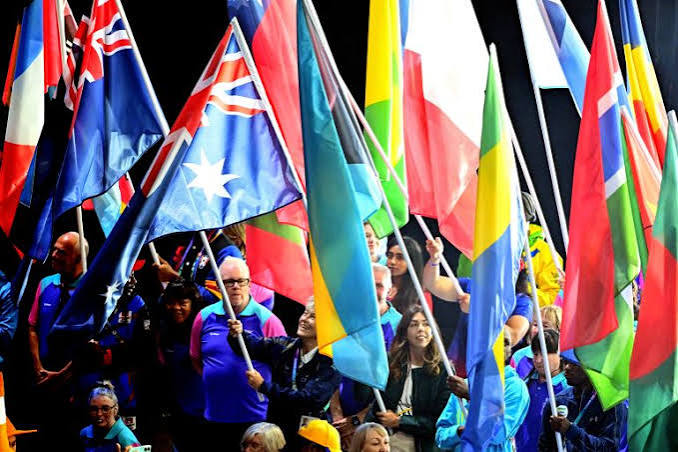
As the 2026 Commonwealth Games in Glasgow conclusion draws closer, reports that several athletes did not return to their home countries with their national delegations, prompting investigations by Police Scotland and renewed international discussion about the intersection of sport, migration, and diplomacy. Reports indicate that athletes from Uganda and Pakistan were among those who failed to travel home with their teams after the Games concluded.
While the immediate focus remains on establishing the whereabouts of the athletes and understanding the circumstances surrounding their decisions, the development extends beyond a sporting incident. It highlights a recurring challenge confronting international sporting events: how global competitions increasingly intersect with broader questions of economic opportunity, human mobility, athlete welfare, and international cooperation.
Sport has long been regarded as one of the world’s most effective instruments of diplomacy. It creates opportunities for nations to build mutual respect, celebrate diversity, and strengthen people-to-people relations beyond political boundaries. Every major international sporting event represents more than competition; it is an expression of trust between participating nations and host countries.
Yet history demonstrates that athlete disappearances are not unique to Glasgow or to the Commonwealth Games. Similar incidents have occurred at previous editions of international competitions across different continents, often prompting debates that extend well beyond sport itself.
For policymakers and sports administrators across Africa, such incidents present a complex policy dilemma. They require balancing the legitimate rights and welfare of athletes with the responsibilities of national federations, immigration systems, and international sporting organizations. The issue cannot be understood solely through the lens of security or compliance. It also invites reflection on the broader conditions influencing athlete mobility, including professional development, access to world-class training environments, financial sustainability, and long-term career prospects.
For African nations, this conversation is particularly significant. Over the past two decades, the continent has emerged as a powerhouse in athletics, boxing, rugby, football, and long-distance running. African athletes continue to elevate national reputations on global stages while serving as ambassadors for their countries. Their achievements contribute to national branding, tourism promotion, investment confidence, and international visibility—making sport an increasingly valuable pillar of public diplomacy.
Consequently, protecting athletes extends beyond preparing them for competition. It involves creating environments where sporting talent can flourish at home while expanding pathways for international partnerships, education, professional exchange, and athlete welfare. Strengthening domestic sports ecosystems may ultimately become as important as winning medals themselves.
The Glasgow incident also reinforces the importance of coordinated engagement among governments, sporting federations, immigration authorities, and international organizations. Effective sports diplomacy is no longer confined to ceremonial exchanges or bilateral sporting agreements; it increasingly encompasses athlete safeguarding, ethical governance, mobility management, and institutional cooperation.
As investigations continue, it remains important to distinguish verified facts from speculation. The role of responsible journalism is not to amplify assumptions but to provide context that enables informed public understanding. The circumstances surrounding individual athletes will ultimately be determined through appropriate legal and administrative processes.
Ultimately, the Commonwealth Games remain one of the world’s most significant platforms for international friendship and cooperation. Incidents involving individual athletes should not diminish the achievements of thousands of competitors who embodied the values of excellence, respect, and unity throughout the Games. Rather, they should encourage governments, sporting institutions, and development partners to strengthen the policies that support athletes both during and beyond international competition.
For Africa, the lesson is clear. Sporting excellence and sports diplomacy are inseparable from broader investments in governance, opportunity, athlete welfare, and international cooperation. As global mobility continues to reshape international sport, the conversation must evolve beyond medals and records toward building systems that allow athletes to thrive while preserving the integrity and diplomatic value of international competition.