Kampala– The significance of Uganda–Algeria relations should not be measured only by diplomatic ceremonies, historical solidarity or the exchange of official visits. Their real value lies in what the relationship can deliver to ordinary citizens: jobs, investment, industrial capacity, technology transfer, educational opportunities and access to new markets.

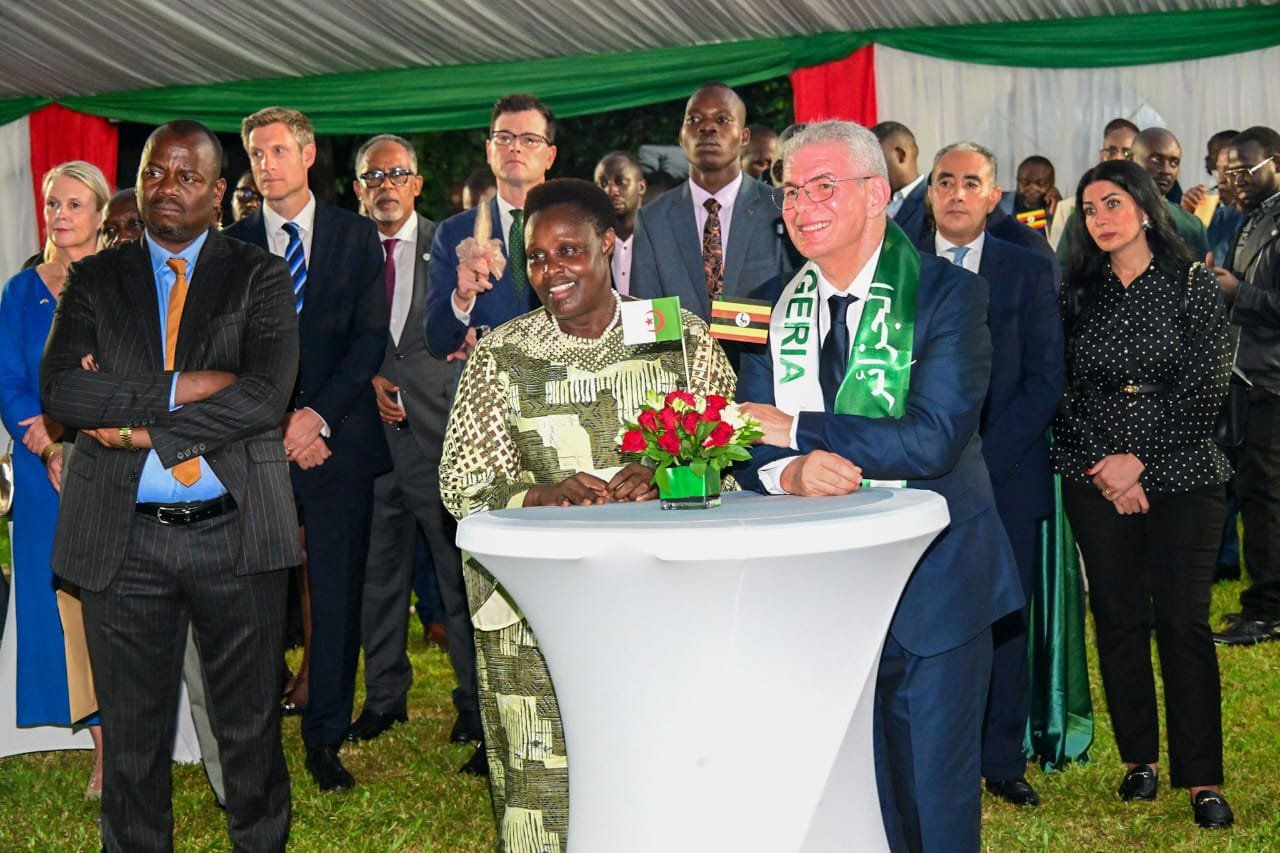
This was the central message emerging from Algeria’s 72nd anniversary of the Glorious Revolution of November 1, 1954, celebrated in Kampala. Algeria’s Ambassador to Uganda, H.E Mourad Amokrane, used the occasion to challenge both countries to move beyond traditional commodities such as coffee and milk and pursue a broader economic partnership.
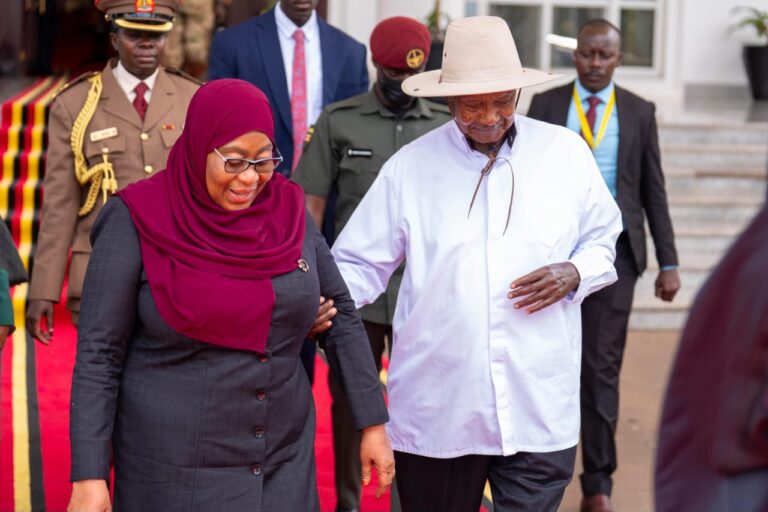
Representing President Yoweri Museveni, Vice President Jessica Alupo reaffirmed Uganda’s commitment to strengthening bilateral relations and welcomed Algeria’s US$5 million grant towards the construction of a Muslim Leadership Training Institute in Uganda. These developments provide an opportunity to reconsider a relationship whose historical foundations are strong but whose economic possibilities remain considerably underexploited.
Uganda and Algeria have maintained relations founded on African solidarity, sovereignty and shared liberation experiences. However, the next chapter must be defined by commercial performance. Available UN Comtrade-based figures indicate that Uganda’s exports to Algeria reached approximately US$67.47 million in 2024, with coffee, tea and spices accounting for US$39.67 million and mineral fuels and oils approximately US$27.68 million. These figures demonstrate that an economic relationship already exists, although the concentration of exports in a relatively narrow range of products exposes the need for diversification.
The opportunity is to transform individual transactions into structured value chains. Uganda can expand the supply of coffee, dairy products, cocoa, oilseeds, fruits and processed agricultural products, while Algerian companies can explore partnerships in food processing, packaging, cold-chain infrastructure and industrial manufacturing.
In September 2025, Uganda’s Ministry of Foreign Affairs reported that 400 tonnes of powdered milk had already been supplied to Algeria, alongside growing cooperation involving four Ugandan coffee companies. This is an important commercial foundation on which to build. The priority should now be to establish predictable purchasing arrangements, facilitate business-to-business engagements and improve access to each other’s markets.
Energy presents perhaps the most strategic opportunity. Algeria is one of Africa’s leading energy producers, ranking first in natural gas production and second in total liquid fuels production on the continent, according to the US Energy Information Administration’s 2024 estimates. Its experience in petroleum development, gas infrastructure, electricity generation and energy distribution could complement Uganda’s emerging oil and gas industry.
For Uganda, the opportunity extends beyond oil extraction. Cooperation could cover refinery development, pipeline management, gas utilisation, electricity transmission, renewable energy and technical training. Algeria’s energy companies could explore investment and joint ventures in Uganda, while Ugandan professionals could benefit from specialised industrial training. The same principle applies to minerals. Uganda should seek partnerships that develop geological expertise, mining technology, mineral processing and industrial inputs. The objective must be to retain more economic value domestically rather than simply expand the export of unprocessed resources.
Agriculture provides another practical entry point. Uganda possesses an established agricultural production base, while Algeria offers a significant market and experience in large-scale food systems. The two governments already recognised this potential during President Museveni’s March 2023 state visit to Algeria, when they signed two agreements and five memoranda of understanding covering energy, tourism, agriculture, animal health, higher education and scientific research.
The April 2026 meeting between Uganda’s State Minister for Cooperatives, Frederick Ngobi Gume, and Algeria’s Minister of Agriculture, Yacine El-Mehdi Oualid, further demonstrated that agricultural cooperation remains on the bilateral agenda.
Practical cooperation should include dairy production, livestock breeding, veterinary services, agricultural mechanisation, irrigation, seed development, fertiliser production and food preservation. Joint ventures could also help Ugandan producers meet Algerian import standards and secure long-term supply contracts. This is particularly important for Uganda’s dairy industry. The reported supply of 400 tonnes of powdered milk in 2025 demonstrates that Algerian demand can be translated into commercial opportunities for Ugandan producers. Perhaps the most visible investment in the relationship is education. Ambassador Amokrane disclosed that more than 600 Ugandans had benefited from Algerian scholarships over the preceding three years.
The significance of this programme extends beyond the number of students. Scholarships in science, technology, engineering and medicine create opportunities to develop a generation of professionals who understand both countries and can facilitate future cooperation. However, the next phase should connect education to employment and enterprise. Universities, research institutions and technical training centres should establish exchange programmes, joint research projects, industrial internships and professional networks.
Health cooperation also deserves greater attention. The US$5 million grant towards the Muslim Leadership Training Institute demonstrates Algeria’s willingness to support institutional development in Uganda. Beyond this contribution, the existing cooperation framework on animal health and scientific research offers opportunities for pharmaceutical research, medical training, vaccine development and veterinary technology.
Uganda and Algeria should explore partnerships between hospitals, universities, pharmaceutical manufacturers and research institutions, particularly in areas where local production can reduce dependence on imported medical products.
Tourism remains an underdeveloped dimension of the relationship. Uganda recorded 1,642,215 international tourist arrivals in 2025, generating approximately US$1.62 billion in tourism revenue. This represents a substantial market opportunity for international tourism partnerships. Algeria, with its Mediterranean coastline, Saharan landscapes, historical sites and cultural heritage, offers Uganda opportunities for destination marketing, tour operator partnerships and cultural exchanges. Uganda’s wildlife, mountain gorillas, national parks and adventure tourism products could equally attract Algerian travellers. Both countries should encourage tourism exhibitions, travel trade missions, university exchanges and discussions on improved air connectivity. Transport and logistics cooperation would also help reduce the commercial distance between Kampala and Algiers. Cultural diplomacy should complement these efforts through film, literature, sports, academic exchanges and youth programmes. The shared history of liberation provides a foundation for connecting younger generations with the political and cultural experiences of both nations.
Cooperation in defence and security is another established dimension. In February 2024, Uganda’s Ministry of Defence and the UPDF discussed opportunities with an Algerian defence delegation involving counterterrorism training, advanced technologies and military capacity development. Uganda has also benefited from Algerian military training opportunities. Both countries can deepen cooperation in counterterrorism, intelligence exchange, peacekeeping, cybersecurity and regional security, while maintaining their commitments to international law and African peace and security frameworks.
At the continental level, Uganda and Algeria should use their positions within the African Union to advance African integration, economic sovereignty, peacebuilding and implementation of the African Continental Free Trade Area (AfCFTA).
The forthcoming Uganda–Algeria Joint Permanent Commission should become the mechanism for converting diplomatic commitments into measurable results. The proposed Algerian-Ugandan Joint Business Council, initiated during the 2023 business engagement, also deserves renewed attention. Both governments should prioritise a practical implementation framework covering trade targets, investment promotion, scholarship opportunities, industrial partnerships, tourism exchanges and private-sector engagement. Regular progress reviews would help establish accountability.
The central question is no longer whether Uganda and Algeria enjoy friendly relations. Their historical solidarity, political engagement and institutional agreements have already established that foundation. The question is whether that friendship can deliver measurable economic transformation.
Algeria’s 1954 Revolution represented a struggle for dignity, sovereignty and self-determination. Uganda’s own liberation history provides a comparable foundation for understanding the value of political independence. Today, both countries face a different but equally important challenge: translating political sovereignty into economic capability.
For Uganda, Algeria represents a potential gateway to North African markets, industrial expertise, energy technology and scientific cooperation. For Algeria, Uganda offers agricultural opportunities, access to the East African market and a strategic partner within the African integration agenda.
The future of Uganda–Algeria diplomacy must therefore be measured not only by the number of agreements signed or scholarships awarded, but by factories established, businesses connected, jobs created, technologies transferred and markets opened. That is how historical friendship becomes an economic partnership, and how diplomacy begins to change the everyday lives of citizens.