June 16, 2026

Sports Diplomacy

An exploration of how sport intersects with international relations, national identity, and soft power. This category examines how sporting events, institutions, and personalities influence diplomacy, foster unity, and contribute to global engagement beyond competition.

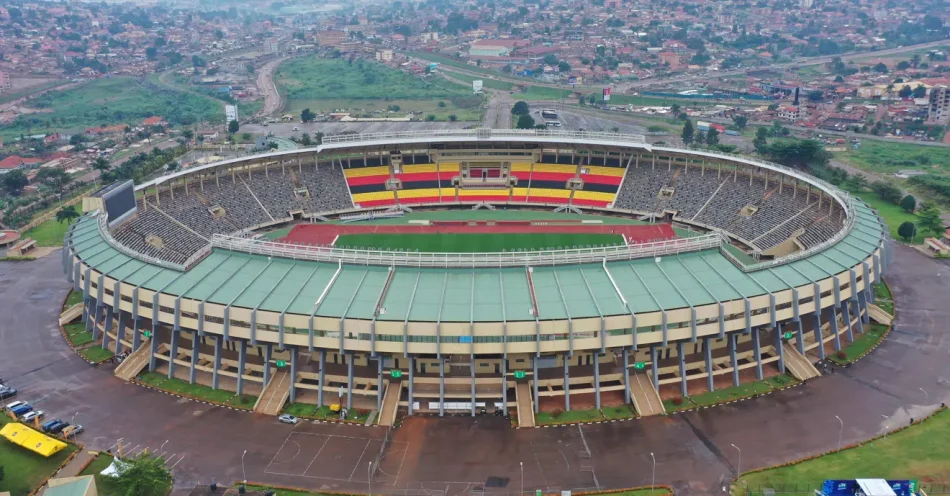
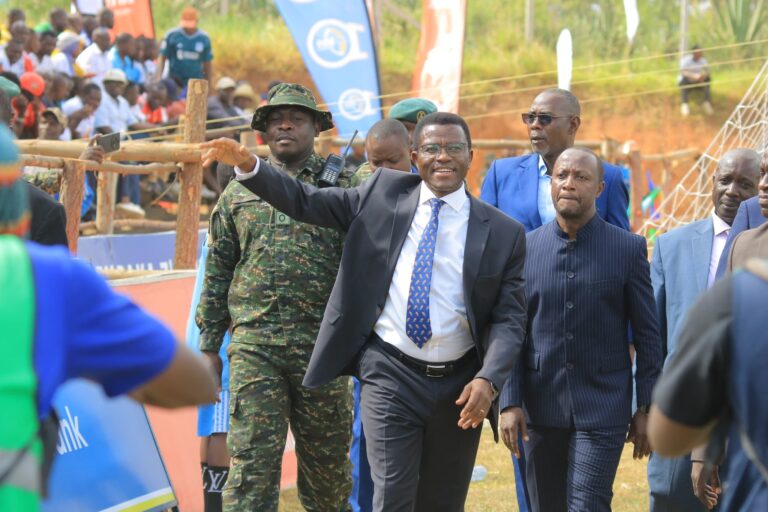
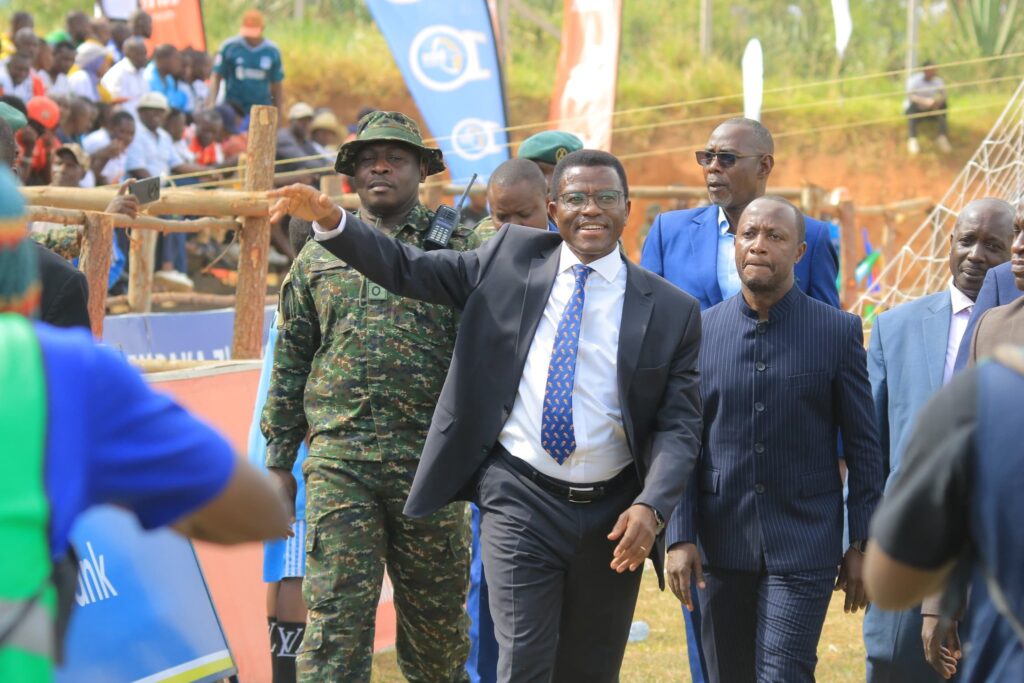
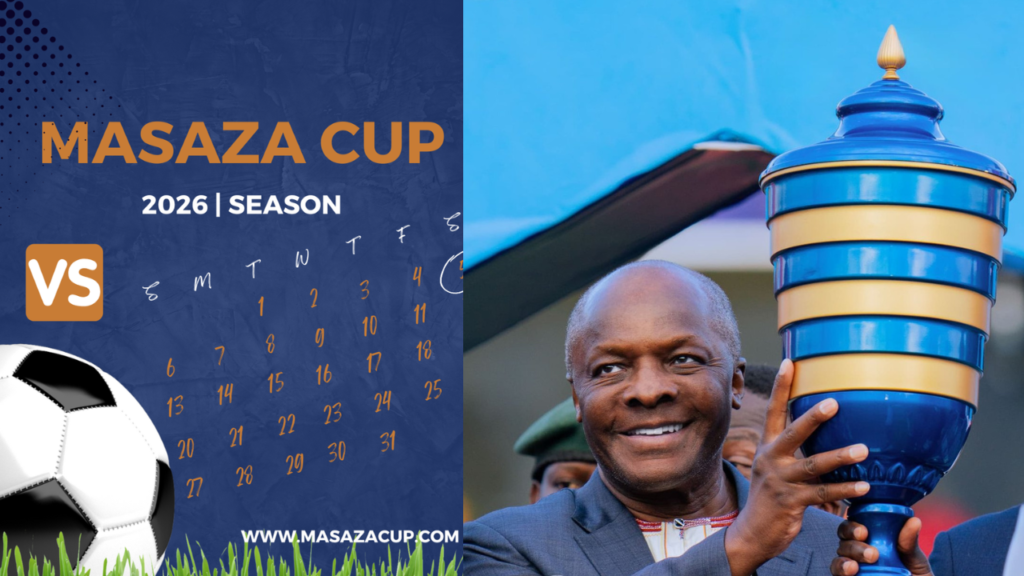
MUBENDE, Uganda — The 2026 Masaza Cup officially kicked off in Mubende District with defending champions Buweekula taking on Kyadondo in a highly anticipated opening fixture. The ceremony was presided over by the Katikkiro of Buganda, Owek. Charles Peter Mayiga, who represented the Buganda Kingdom at one of its most celebrated annual sporting events. Notably absent, however, was the Kabaka of Buganda, Ronald Muwenda Mutebi II, marking the third occasion that the monarch has missed the opening ceremony of the tournament since assuming the tradition of officially launching the competition in 2004.


The Kabaka previously missed the 2021 opening due to health concerns during the COVID-19 period and was also absent from the 2023 opening ceremony for medical reasons. His absence from this year’s launch has inevitably generated discussion among supporters, sports enthusiasts, and cultural observers across Buganda and beyond. Yet beyond the question of attendance lies a broader story about the evolution of the Masaza Cup itself and its place within Buganda’s cultural and social landscape. For more than two decades, the Masaza Cup has grown from a regional football competition into one of Uganda’s most unique sporting institutions. Combining football, cultural identity, community pride, and youth engagement, the tournament has become an annual celebration that extends far beyond the ninety minutes played on the pitch.


The Kabaka’s presence at Masaza Cup events has historically been one of the competition’s defining features. Wherever he attends, thousands of subject’s travel from different counties and districts to witness both the football and the cultural significance attached to the event. His appearances often transform matches into kingdom-wide gatherings that bring together traditional leaders, government officials, business leaders, cultural enthusiasts, and football fans. Observers familiar with Buganda Kingdom activities note that attendance patterns have increasingly become an important consideration in major kingdom events.


The opening match in Mubende at NTC, while successful from an organizational perspective, did not exhibit the massive crowds traditionally associated with fixtures attended by the Kabaka. Some analysts suggest that the atmosphere surrounding the opening game may have influenced expectations regarding royal attendance, although the kingdom has not publicly linked attendance considerations to the monarch’s absence. The conversation is not entirely new, during the 2025 Masaza Cup final at Hamz Stadium, Nakivubo, where the Kabaka presided over the championship match, sections of the stadium remained visibly unfilled despite the significance of the occasion. Some sports commentators interpreted the turnout as evidence that the finalist teams commanded relatively smaller fan bases compared to some of Buganda’s historically popular counties.


Such developments raise important questions about the tournament’s future growth strategy. While the Masaza Cup remains one of Uganda’s most followed domestic football competitions outside the national leagues, sustaining enthusiasm among younger audiences is becoming increasingly important. Competition for public attention has intensified with the rise of European football broadcasts, digital entertainment platforms, and changing leisure preferences among youth. Yet the tournament continues to retain unique advantages, unlike many sporting competitions, the Masaza Cup is deeply rooted in cultural identity. It provides opportunities for talent development, promotes unity among counties, strengthens Buganda’s heritage, and creates platforms for youth participation through sports. The continued involvement of the Katikkiro, clan leaders, county chiefs, and kingdom institutions demonstrates that the competition remains a strategic pillar of Buganda’s cultural engagement agenda.


Indeed, the opening ceremony in Mubende reflected the kingdom’s commitment to continuity. By delegating the launch to Katikkiro Charles Peter Mayiga, the Buganda Kingdom ensured that the symbolic significance of the tournament remained intact while reaffirming institutional leadership beyond individual personalities. For many supporters, however, the Kabaka’s presence remains a special attraction. His appearances often elevate matches from sporting events into cultural occasions that embody Buganda’s unity and identity. As the tournament progresses, attention will likely shift toward whether the monarch will attend later stages of the competition, particularly the semifinals or final, which traditionally attract larger audiences. Ultimately, the significance of the 2026 opening may not lie solely in who was absent, but in what it reveals about the evolving relationship between culture, sports, and public engagement in Buganda.


As the first whistle of the new season sounded in Mubende, the message remained clear the Masaza Cup continues to be one of the kingdom’s most enduring institutions. Its long-term success, however, will depend not only on preserving tradition but also on adapting to changing audience expectations while maintaining the cultural values that have defined it for more than twenty years. Whether attended by the Kabaka, the Katikkiro, or thousands of devoted supporters, the tournament remains a powerful reminder that in Buganda, football is more than a game it is a reflection of community, identity, and heritage.
FIFA’s First-Ever World Cup Final Halftime Show Signals a New Era of Global Sports Entertainment

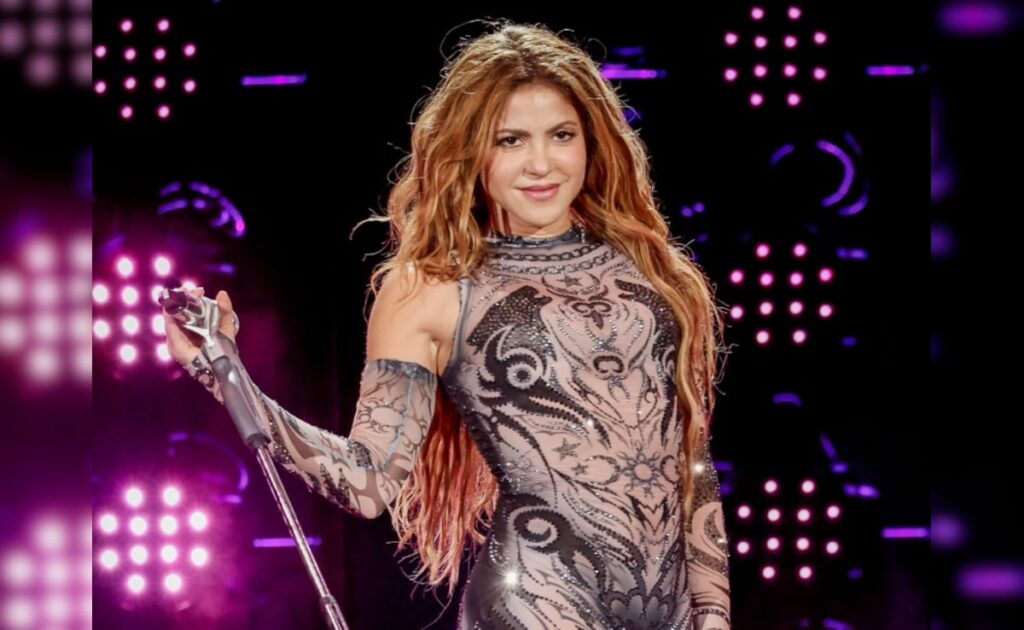
New York, United States-The announcement that global music icons Shakira, Madonna, and BTS will headline the first-ever halftime show at a FIFA World Cup final marks more than a historic entertainment decision. It reflects a broader transformation in how international sport, popular culture, digital audiences, and commercial diplomacy are increasingly converging on the global stage. Confirmed through a FIFA social media announcement, the development introduces a format long associated with American sports culture into the world’s most watched sporting event the FIFA World Cup final. For decades, the World Cup has relied primarily on opening ceremonies and pre-match performances. The inclusion of a dedicated halftime spectacle now signals FIFA’s intention to expand the tournament’s entertainment architecture and deepen its engagement with younger, digitally connected audiences.


The choice of performers is itself deeply strategic, each artist represents not only musical influence, but also distinct global audiences and cultural geographies. Shakira remains one of the most recognizable voices associated with football culture following the enduring global success of “Waka Waka (This Time for Africa)” during the 2010 FIFA World Cup in South Africa. Madonna’s inclusion brings intergenerational appeal and mainstream Western pop legacy, while BTS represents the expanding global influence of Asian entertainment industries and the extraordinary transnational reach of K-pop culture. Together, the lineup reflects FIFA’s evolving understanding of modern global audiences: fragmented geographically, digitally interconnected, and increasingly drawn to experiences that combine sport, entertainment, identity, and online participation.


The decision also highlights how mega sporting events are becoming instruments of soft power and cultural diplomacy. In recent years, international tournaments have moved beyond athletics alone to become platforms for branding nations, attracting investment, influencing tourism flows, and shaping geopolitical narratives. Music performances at events of this scale are no longer viewed simply as entertainment interludes; they are now part of broader global image-making exercises tied to commercial partnerships, broadcasting value, and international visibility. Within the African context, the announcement carries particular relevance. Football remains the continent’s most influential cultural and sporting force, connecting generations and transcending political, linguistic, and economic divides. The inclusion of artists with strong global multicultural appeal demonstrates how international sporting institutions are increasingly recognizing the commercial and demographic importance of audiences across Africa, Asia, and Latin America not merely Europe and North America.


For African broadcasters, digital creators, and advertisers, the halftime show also presents new opportunities within the expanding sports-entertainment economy. Conversations around sponsorship, streaming engagement, influencer participation, and youth-driven online discourse are likely to intensify as FIFA continues repositioning the World Cup into a broader entertainment ecosystem. The move mirrors wider trends already visible in global sport. American leagues such as the NFL have successfully transformed halftime entertainment into headline global events capable of generating millions of online interactions beyond the sporting contest itself. FIFA’s adoption of a similar format suggests an awareness that modern audience retention increasingly depends on multi-dimensional spectacle in addition to athletic competition.


Yet the development may also reopen debates around commercialization within football. Critics have long argued that global sporting institutions risk prioritizing entertainment value and corporate visibility at the expense of the sport’s traditional culture and competitive purity. Questions may emerge over whether the World Cup final a fixture historically defined by tension, national pride, and sporting drama could gradually shift toward a more entertainment-centric model. At the same time, supporters will likely argue that football, as the world’s most globalized sport, must evolve alongside changing audience behaviour and media consumption habits. Younger viewers increasingly engage with sporting events not only through live broadcasts, but through short-form clips, social media trends, celebrity culture, and digital fan communities. In that environment, halftime performances become part of the wider storytelling ecosystem surrounding global tournaments.


The inclusion of BTS is particularly significant in this regard. K-pop has evolved into one of the world’s most sophisticated cultural export industries, shaping fashion, digital engagement, streaming economics, and fan mobilization across continents. Their participation reflects how Asian entertainment power is now firmly embedded within mainstream global cultural institutions once dominated almost exclusively by Western acts. Ultimately, FIFA’s decision appears designed to achieve more than entertainment alone. It is a calculated effort to expand the commercial and cultural reach of the World Cup brand at a time when global sport is increasingly competing for digital attention in an overcrowded media landscape.


As anticipation builds, the first-ever World Cup final halftime show is already being framed as a defining moment in the evolution of international sports entertainment. Whether viewed as innovation, commercialization, or cultural convergence, one reality is becoming increasingly clear: the modern World Cup is no longer just a football tournament. It is now one of the world’s largest platforms where sport, culture, business, and global influence intersect in real time.

Kampala/Uganda-As the countdown to the 2026 Masaza Cup gathers momentum across the Buganda Kingdom, anticipation is once again building around one of Uganda’s most celebrated grassroots sporting spectacles. More than just a football competition, the Masaza Cup has over the years evolved into a symbol of identity, cultural pride, and community mobilization within Buganda and beyond.


Since its establishment in 2004 by the Buganda Kingdom, the tournament has grown into a powerful platform for youth empowerment, talent development, and cultural unity. Over the years, it has also emerged as a vital bridge between sport and community diplomacy, bringing together local leaders, cultural institutions, businesses, and thousands of supporters under a shared sense of purpose. The 2026 edition officially begins on 13 June and will climax on 31 October 2026, according to the roadmap unveiled by the Masaza Cup Organising Committee (MCOC). The defending champions, Buweekula, will host the opening match in Mubende a privilege traditionally accorded to the reigning champions as a symbol of recognition and honour within the Buganda Kingdom. Yet beyond the excitement surrounding the new season lies a bigger question dominating conversations among football fans and county loyalists alike: can Buweekula achieve what no county has managed before successfully defend the Masaza Cup title?


A Tournament Rooted in Culture and Community

The Masaza Cup occupies a unique place within Uganda’s sporting landscape because it blends competitive football with cultural identity. Unlike conventional league football, each team represents a traditional county of Buganda, creating an emotional connection that transcends the game itself. The annual tournament attracts thousands of supporters from across the Kingdom and the Ugandan diaspora, with opening and closing ceremonies often graced by the Kabaka of Buganda, His Majesty Ronald Muwenda Mutebi II. The royal presence adds prestige and symbolism to the competition, reinforcing the Kingdom’s continued investment in youth development and cultural preservation.


Over the years, counties such as Gomba, Buddu, Mawokota, Ssingo, and Bulemeezi have established themselves as football powerhouses. Gomba remain the tournament’s most successful side with five titles, while Buddu and Bulemeezi have consistently appeared in the latter stages of the competition. The tournament has also served as a launching pad for national football talent. Several Uganda Cranes players, including Farouk Miya and Arafat Usama, first gained visibility through the Masaza Cup before progressing into professional football.


Buweekula’s Rise and the Weight of Expectation

Buweekula’s triumph in the 2025 season marked one of the most celebrated moments in recent tournament history. Their championship victory not only energized supporters in Mubende but also shifted the balance of competition heading into 2026. Now, as hosts of the opening fixture, expectations surrounding the county are immense. Within Buweekula itself, however, preparations have not been without challenges. Questions continue to emerge from sections of supporters regarding team organization, committee structures, and community coordination. Because the tournament is deeply community-driven, fans often view themselves not merely as spectators but as active stakeholders in the team’s success.


Across social spaces and local gatherings, discussions have increasingly focused on leadership, mobilization, and support systems ahead of the season opener. For many supporters, the concern is not simply about winning matches, but about ensuring that the county presents itself as united and competitive throughout the campaign. The pressure is intensified by history itself, since the tournament’s inception in 2004, no reigning champion has successfully defended the Masaza Cup trophy. Several champions have struggled in subsequent campaigns, with some even failing to progress beyond the group stages the following season. That reality now places Buweekula at the centre of one of the most compelling storylines of the 2026 competition. Will they break the long-standing pattern and establish a new era of dominance? Or will they follow the familiar path of champions who shine brightly one season only to fade in the next?


Football Beyond the Pitch

What makes the Masaza Cup remarkable is its ability to transform football into a broader social and economic event. Matchdays stimulate local businesses, transport networks, entertainment activities, and community gatherings. In many counties, preparations for the tournament begin months in advance, involving cultural leaders, sponsors, youth groups, and local organizers. Corporate support has also strengthened the tournament’s profile. Airtel Uganda remains a key sponsor, while Centenary Bank’s continued financial backing demonstrates growing confidence in the competition’s social and commercial value. The MCOC has confirmed that the 2026 season will run across 15 weekends, carefully scheduled to minimize clashes with major continental football competitions. Organizers believe this structure will sustain fan engagement while preserving the tournament’s festive atmosphere.


The Countdown Begins

As the official launch approaches on 13 June 2026, attention will now shift toward the group stage draws and fixture releases. Traditional giants such as Gomba, Buddu, Mawokota, Kyaggwe, and Ssingo are all expected to mount strong title challenges, setting the stage for another fiercely contested campaign. For now, however, the spotlight firmly remains on Buweekula, the opening whistle on 13 June will mark not just the beginning of another football season, but the continuation of a cultural tradition that has become deeply woven into Buganda’s social fabric. Whether Buweekula can defend their crown remains uncertain. But one thing is already clear: the 2026 Masaza Cup promises another unforgettable chapter in Uganda’s most celebrated grassroots football tournament.


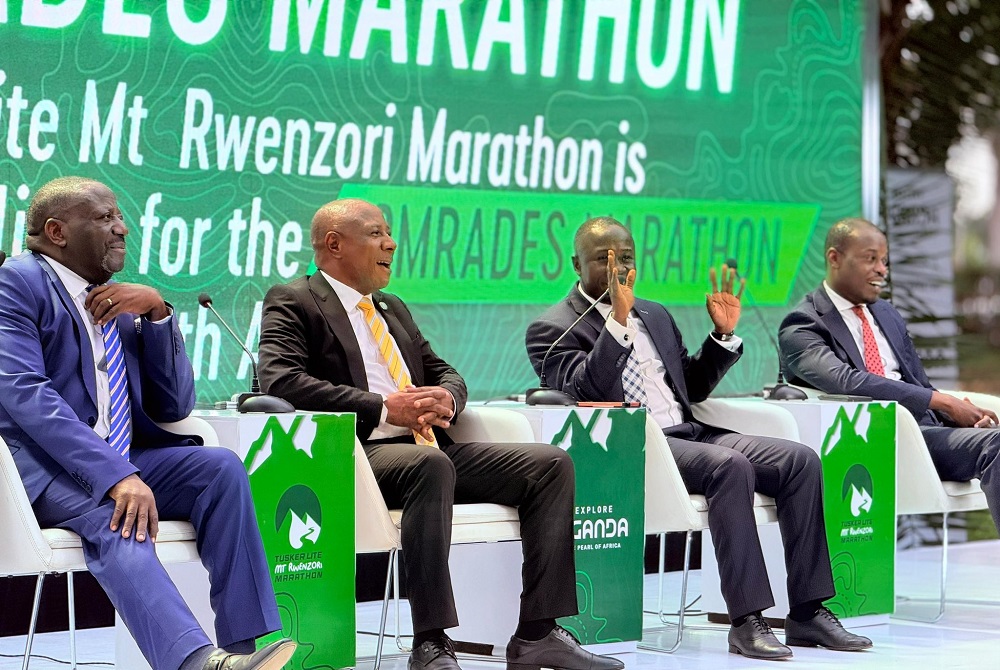
Kampala, Uganda — For years, Uganda’s global athletics story has largely been told through the triumphs of elite runners on distant tracks and city marathons. From the high-altitude communities around Mount Elgon to international podiums, Ugandan athletes have carried the country’s flag with distinction. Yet a quiet transformation is underway one that is shifting the narrative from exporting talent to importing global attention. At the centre of this shift is the Rwenzori Marathon, an initiative that has evolved into one of East Africa’s most compelling examples of sports diplomacy in action. What began as a modest idea has matured into a globally recognised event, now officially listed as a World Athletics Label Road Race an endorsement that places Uganda firmly on the international road racing calendar.

This recognition, recently announced was made by national leaders and sector stakeholders, signaling more than compliance with global standards in race organisation. It affirms a broader strategic vision: that sport can be a bridge between tourism, investment, and international engagement. Set against the dramatic backdrop of the Rwenzori Mountains and stretching through the iconic Queen Elizabeth National Park, the marathon offers a course unlike any other. Runners begin near the Equator and move through landscapes that blend wildlife, culture, and geography into a single experience ending in Kasese town with the mountains rising behind them. It is this fusion of sport and scenery that has elevated the marathon beyond competition into a storytelling platform for Uganda’s natural and cultural assets.

Over its five editions, the marathon has demonstrated a measurable ripple effect with tourism bookings surging in the weeks surrounding the event, with many participants extending their stay to explore western Uganda’s attractions. Hospitality businesses from lodges to local vendors report increased activity, while transport and service sectors benefit from the influx of visitors. In the immediate aftermath, conversations around investment often follow, linking visibility to opportunity.

This intersection of sport and economics reflects a growing policy direction within Uganda’s external engagement framework. Under initiatives such as economic and commercial diplomacy, Ugandan missions abroad are increasingly tasked with promoting the country not only as a destination, but as a partner. Pre-event runs organised in foreign capitals have become part of this strategy, positioning the marathon as a year-round diplomatic tool rather than a single-day event. The journey has not been without its challenges, in its early stages, the marathon operated with limited institutional backing, relying heavily on private sector initiative and community support. Today, that dynamic is shifting, Government involvement both direct and indirect has expanded, with commitments including financial support and logistical coordination. The Ministry responsible for sports pledged significant funding, recognising the marathon’s role in advancing national development priorities.

At the heart of this evolution is Amos Wekesa, widely credited as the driving force behind the initiative. A tourism entrepreneur with a long-standing commitment to promoting Uganda’s global image, Wekesa has consistently framed the marathon as more than a race. His approach often emphasising action over formalities has helped translate vision into reality, mobilising partnerships that cut across sectors. Importantly, the marathon’s impact extends into the host communities, Temporary employment opportunities emerge in event management, security, hospitality, and logistics. Small businesses experience increased demand, while local visibility improves for future tourism flows. Though these gains are concentrated around the event period, they contribute to a broader ecosystem of opportunity.

Globally, the Rwenzori Marathon aligns with a growing recognition that sporting events can serve as catalysts for development when anchored in local contexts. From marathons in major capitals to emerging races in scenic regions, the model is increasingly being adapted to reflect place-based identity. Uganda’s approach integrating conservation, culture, and commerce offers a distinctive variation of this trend. The awarding of World Athletics Label status marks a pivotal milestone, but stakeholders are clear that it is not an endpoint. Rather, it raises expectations around quality, inclusivity, and sustainability. As participation grows, so too does the need to balance international appeal with environmental stewardship and community benefit.

With the next edition scheduled for August 22, 2026, anticipation is already building, registration figures are rising, and interest from both elite and recreational runners continues to expand. For Uganda, the event represents more than a date on the calendar it is a statement of intent. In an era where nations compete not only through policy but through perception, the Rwenzori Marathon illustrates how a single idea, nurtured over time, can reshape a country’s narrative. It brings the world to Uganda’s doorstep, invites engagement beyond headlines, and demonstrates that the future of diplomacy may well be run one kilometer at a time.

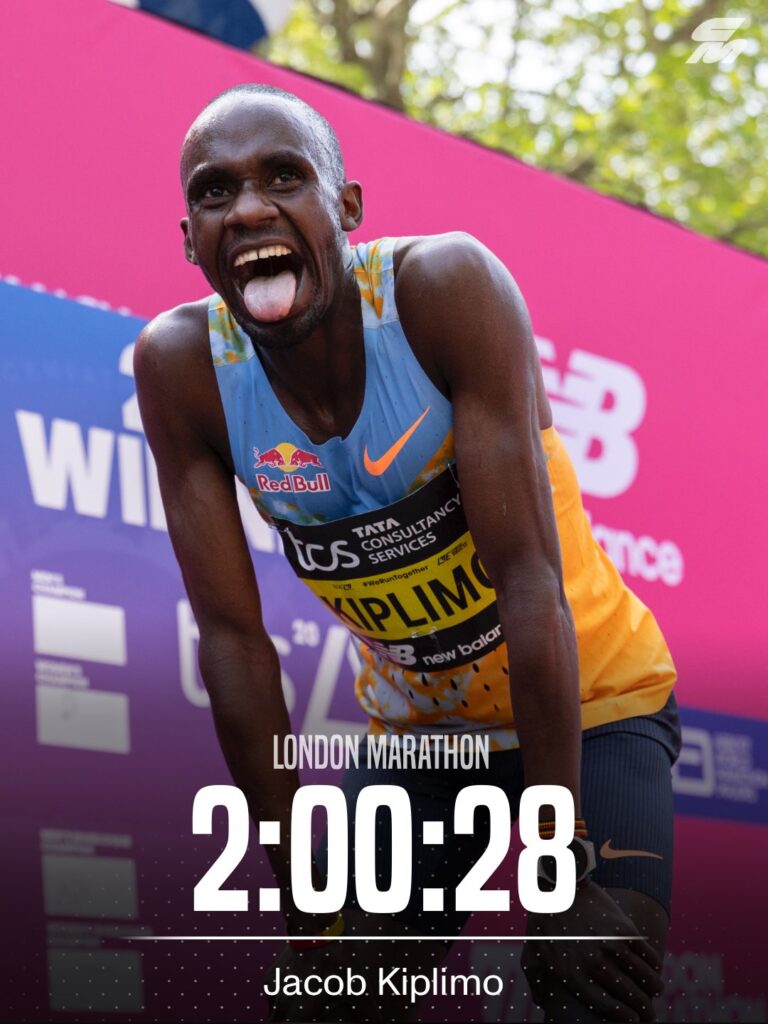
London — Uganda’s long-distance running legacy gained renewed global visibility as Jacob Kiplimo delivered a standout performance at the London Marathon, finishing third in one of the fastest races in the event’s history. Clocking a personal best of 2:00:28, Kiplimo not only improved significantly on his previous mark of 2:02:23 set during his victory at the Chicago Marathon but also reinforced Uganda’s growing stature within elite global athletics.


In a race defined by extraordinary pace and historic milestones, Kenya’s Sebastian Sawe stunned the athletics world by completing the marathon in 1:59:30, becoming the first athlete to break the two-hour barrier in a competitive race setting. Ethiopia’s Yomif Kejelcha secured second place, with all three podium finishers surpassing the previous course record of 2:00:35 set by the late Kelvin Kiptum in 2023. The result positions the 2026 edition among the most competitive and technically advanced marathons in recent memory.

Uganda’s representation extended beyond the podium, with Joshua Cheptegei finishing 12th in 2:06:39 an outcome that, while outside medal contention, reflects consistent high-level participation by Ugandan athletes on the global stage. Together, these performances illustrate a broader narrative: Uganda is no longer an emerging force in long-distance running; it is an established contender shaping the sport’s modern era. Yet beyond times and rankings, Kiplimo’s achievement carries significance that transcends athletics. In an increasingly interconnected world, sport has evolved into a subtle but influential instrument of diplomacy projecting national identity, fostering international goodwill, and expanding soft power. Uganda’s presence at premier global competitions such as the London Marathon contributes to this dynamic, positioning the country within a network of cultural and sporting exchange.

For policymakers and observers alike, such performances highlight the strategic value of investing in sports development. Elite athletes serve as de facto ambassadors, representing not only personal excellence but also the systems that nurture talent from grassroots training programs to national federations. In Kiplimo’s case, his discipline, endurance, and consistency reflect a broader ecosystem that continues to produce world-class competitors from Uganda’s high-altitude regions. This visibility has tangible implications, international sporting success can enhance a country’s global image, attract tourism, and even influence investment perceptions. Major sporting events often serve as entry points through which global audiences engage with nations beyond traditional narratives. For Uganda, whose economic ambitions increasingly hinge on diversification and global integration, such exposure is both timely and valuable.

At the same time, the race underscores the intensifying competitiveness within East Africa’s athletics corridor. Kenya, Ethiopia, and Uganda remain dominant forces, yet the margins separating victory from third place are narrowing. This evolving landscape places renewed emphasis on innovation in training, sports science, and athlete welfare areas that will determine future success as performance thresholds continue to shift. Kiplimo’s personal progression also reflects the changing profile of elite runners. Transitioning from track and cross-country dominance into marathon excellence requires not only physical adaptation but also strategic race management. His ability to deliver a personal best in a high-pressure, record-breaking field signals maturity and positions him as a consistent podium contender in future majors.

For Uganda’s younger athletes, the impact is equally important. Performances at this level create aspirational benchmarks, demonstrating that global competitiveness is attainable. They also reinforce the role of sport as a pathway not only to personal achievement but to national contribution. In communities where opportunities may be limited, such examples carry profound social resonance. As global attention continues to follow the evolution of marathon running, Uganda’s presence within that conversation is becoming more pronounced. Kiplimo’s bronze medal is not merely a podium finish; it is part of a broader trajectory that sees the country consolidating its place among the world’s leading athletics nations.

In the final analysis, the significance of this moment lies in both performance and perception. While the stopwatch records speed, the broader impact is measured in visibility, influence, and connection. Through athletes like Kiplimo, Uganda is engaging the world in a language that transcends borders one defined by endurance, excellence, and shared human achievement. As the marathon calendar progresses, the question is no longer whether Uganda can compete at the highest level, but how far it can extend its influence within it. For now, Kiplimo’s run in London stands as a compelling reminder that in global sport, as in diplomacy, presence matters and Uganda’s presence is being felt with increasing clarity.

Kampala, Uganda — Uganda’s national football team, the Uganda national football team, continues to command talent, patriotism, and passionate public support. Yet its recurring setbacks reveal a deeper reality: the team’s most persistent challenges lie not in tactics or player quality, but in governance, policy coherence, and institutional discipline. The contrast between Uganda’s recent Africa Cup of Nations (AFCON) campaign in Morocco and its performance in the African Nations Championship closer to home offers a revealing lens. While surface explanations point to differences in competition level, the underlying issues are structural.


At the core is a governance model that remains reactive rather than strategic. Frequent leadership shifts, inconsistent technical direction, and administrative uncertainty have turned each tournament into a standalone project rather than part of a sustained national football vision. Coaches operate under pressure without predictable institutional backing, while players enter camps unsure about logistics that should have been resolved well in advance. In globally competitive systems, governance stability is as critical as player development; in Uganda’s case, its absence continues to undermine performance.


A recurring flashpoint has been player welfare. Disputes over allowances and facilitation repeatedly emerge on the eve of crucial matches not due to opportunism, but because systems fail to settle these matters early. When such issues arise days before competition, they disrupt focus, weaken trust, and erode team cohesion. Professional football environments resolve welfare concerns contractually and ahead of time; uncertainty at that level signals institutional fragility.


Equally significant is the perception whether fully accurate or not that team selection is occasionally influenced by factors beyond merit. Even the suggestion of external pressure from agents, administrators, or political actor’s compromises confidence within the squad. Coaches, caught between technical responsibility and competing interests, operate in constrained conditions. This dynamic discourages long-term planning and shifts focus toward short-term survival.


Government support has played an essential role in sustaining the Cranes, from financial backing to infrastructure and logistics. However, the absence of a clearly defined policy framework means that such support can appear inconsistent strong and visible during some tournaments, less coordinated during others. The AFCON experience in Morocco, where access to the team was tightly restricted, contrasted sharply with the more open and supportive environment observed during CHAN. The difference was not simply operational; it shaped morale and the sense of national connection.


Ultimately, the Cranes’ challenges reflect a broader issue: the persistence of informal systems in a professional sporting environment. Ad-hoc decision-making and personality-driven authority may function domestically, but they struggle under the demands of continental competition. AFCON did not merely expose gaps in performance it highlighted institutional vulnerabilities. If Uganda is to transform the Cranes into a consistently competitive force, reform must extend beyond the pitch. Governance structures require stability, player welfare must be formalized, and technical decisions protected from undue influence. Government support, while vital, should be anchored in clear and consistent policy frameworks. Uganda’s football future will not be determined solely by talent or passion. It will depend on preparation, structure, and the strength of the systems that support the game.