June 20, 2026

Diplomacy

Dedicated to the practice and substance of statecraft, this category explores foreign policy decisions, diplomatic engagements, and public policy frameworks. It provides insight into how governments negotiate interests, manage bilateral and multilateral relations, and translate policy into action.

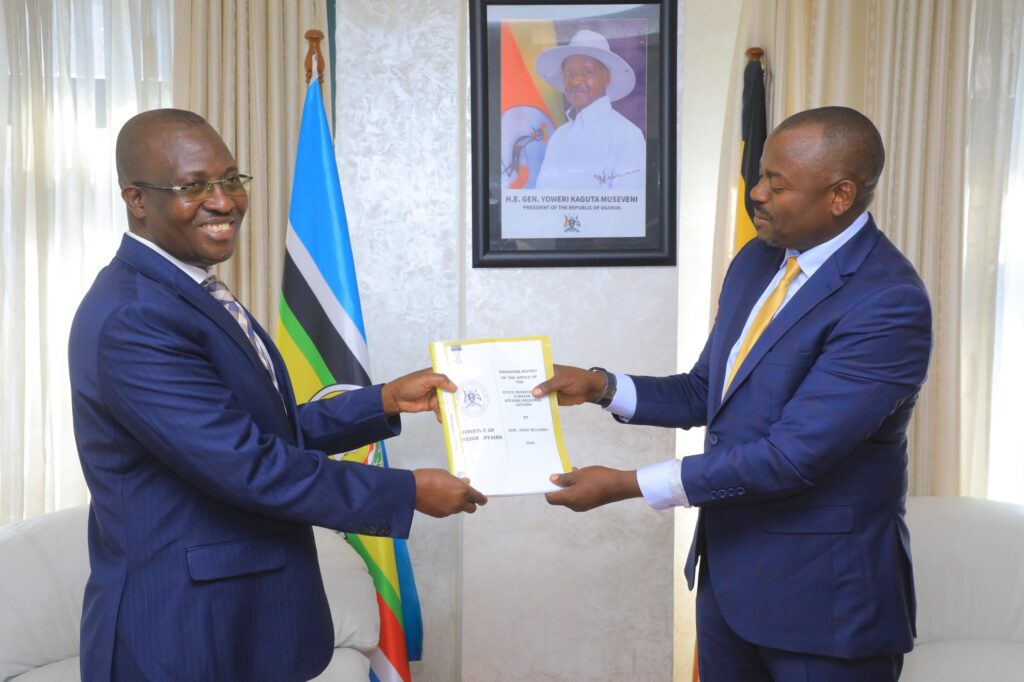
KAMPALA, Uganda — The formal handover of the Office of the Minister of State for Foreign Affairs (Regional Cooperation) from Hon. John Mulimba to Hon. Haruna Kasolo Kyeyune marks more than a routine transition within government. It signals the continuation of a strategic portfolio that sits at the heart of Uganda’s economic diplomacy, regional integration agenda, and engagement with neighboring states.


Held at the Ministry of Foreign Affairs headquarters in Kampala, the ceremony brought together senior officials, and ministry staff under the stewardship of Permanent Secretary Vincent Waiswa Bagiire. While ceremonial in nature, the event offered important insights into the evolving role of regional diplomacy in advancing Uganda’s national interests.


In his remarks, Mr. Bagiire praised Hon. Mulimba’s contribution to strengthening Uganda’s engagement across the East African region and beyond. He particularly highlighted the outgoing minister’s role in spearheading Joint Permanent Commissions (JPCs), a diplomatic mechanism increasingly becoming a cornerstone of Uganda’s bilateral relations. According to the Permanent Secretary, five Joint Permanent Commissions have already been concluded this year alone, creating structured platforms for resolving trade bottlenecks, strengthening political cooperation, and opening new markets for Ugandan products.


In an era where economic growth is closely tied to regional connectivity, such engagements have become vital instruments of foreign policy. For Uganda, a country whose exports depend heavily on regional markets, addressing Non-Tariff Barriers (NTBs) remains a critical diplomatic priority. These barriers, which range from administrative delays and customs procedures to regulatory restrictions, often have a greater impact on trade than tariffs themselves. The emphasis on market access reflects a broader trend across Africa. As implementation of the African Continental Free Trade Area (AfCFTA) gains momentum, governments are increasingly recognizing that diplomatic missions must deliver tangible economic outcomes. Foreign ministries are no longer solely responsible for political relations; they are becoming active facilitators of trade, investment, and commercial diplomacy.


Hon. Mulimba’s tenure appears to have aligned closely with this evolving model, In his farewell remarks, the outgoing minister expressed gratitude to President Yoweri Museveni for entrusting him with the regional cooperation docket and commended the Ministry’s technical team for their professionalism and dedication. He noted that diplomacy often produces results that are not immediately visible to the public but remain fundamental to national development. His observation touches on a reality frequently overlooked in public discourse. Unlike infrastructure projects or social programs that produce visible outputs, diplomatic successes often occur behind closed doors. Negotiations that prevent trade disputes, improve border cooperation, facilitate movement of people, or create favorable conditions for exporters rarely generate headlines, yet their economic and political impact can be substantial. Perhaps one of the most significant lessons shared by Hon. Mulimba was the importance of cultivating personal relationships with regional counterparts. While formal frameworks and treaties remain essential, experienced diplomats acknowledge that trust built through direct engagement often accelerates solutions to complex bilateral challenges.


This principle has been demonstrated globally, Countries such as Rwanda, Kenya, and South Africa have increasingly invested in leader-to-leader and ministerial diplomacy to resolve regional disputes and strengthen economic partnerships. Across the East African Community, informal diplomatic channels frequently complement official negotiations, enabling governments to address emerging concerns before they escalate into larger disputes. The appointment of Hon. Haruna Kasolo Kyeyune therefore comes at a strategically important moment. The region continues to navigate challenges related to trade facilitation, infrastructure connectivity, cross-border security, migration, and economic integration. At the same time, geopolitical competition and shifting global supply chains are creating new opportunities for African economies to position themselves within international markets.


In his acceptance remarks, Hon. Kasolo pledged to build upon the foundation established by his predecessors while working closely with the Ministry’s technical teams to advance Uganda’s foreign policy objectives. His commitment to expanding market access for Ugandan goods and deepening regional cooperation aligns closely with the government’s broader economic transformation agenda. The transition also underscores an important characteristic of Uganda’s foreign policy architecture: continuity. While ministers may change, the strategic objectives of promoting regional stability, advancing economic diplomacy, and supporting regional integration remain consistent pillars of Uganda’s external engagement.


As East Africa moves toward deeper economic integration and greater continental cooperation under the AfCFTA framework, the Ministry of Foreign Affairs will continue to play a central role in shaping Uganda’s competitiveness and influence. The handover from Hon. Mulimba to Hon. Kasolo is therefore not merely a change of officeholders. It represents the passing of responsibility for one of Uganda’s most consequential diplomatic missions ensuring that regional cooperation translates into measurable benefits for businesses, farmers, investors, and citizens across the country. The challenge ahead will be maintaining momentum in an increasingly complex regional environment while ensuring that diplomacy continues to deliver practical outcomes for national development. For Uganda’s new Minister of State for Regional Cooperation, that task begins immediately.
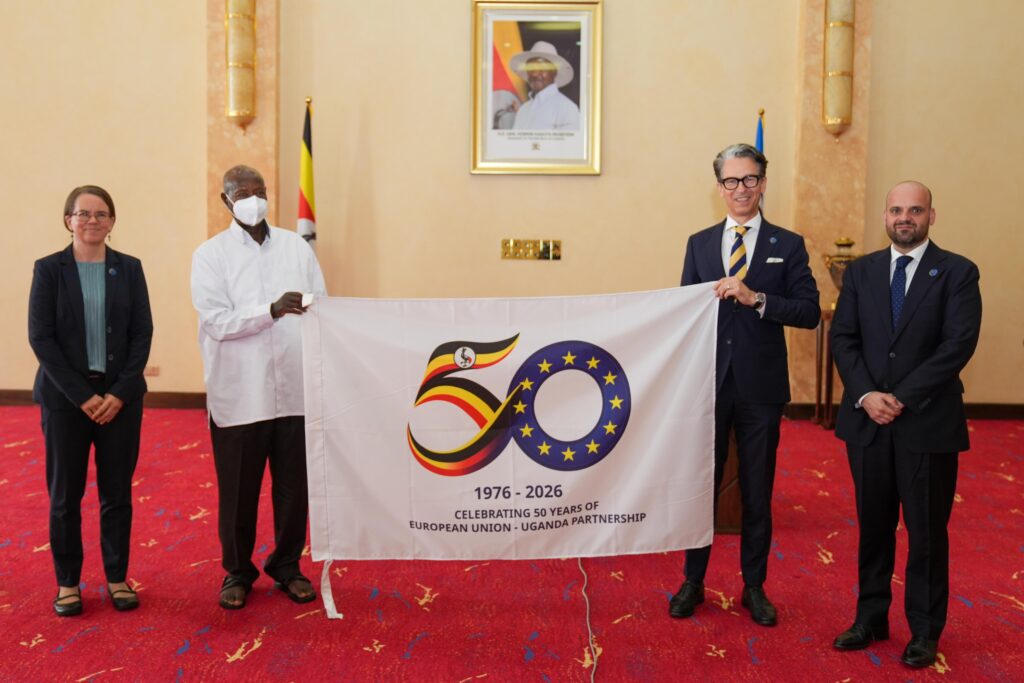
ENTEBBE, Uganda — As Uganda and the European Union commemorate 50 years of diplomatic engagement, President Yoweri Kaguta Museveni has used the milestone to advance a message that has increasingly defined his engagement with international partners: Africa’s future lies not in exporting raw materials, but in building industries capable of transforming those resources into higher-value products.


During a meeting at State House Entebbe with European Union Ambassador Jan Sadek and members of the EU delegation, Museveni framed the anniversary not merely as a celebration of past cooperation, but as an opportunity to rethink the economic foundations of Africa-Europe relations in a rapidly changing global order. His remarks come at a time when the international economic system is undergoing significant restructuring. Global supply chains are being reconsidered, geopolitical competition is reshaping trade partnerships, and developing economies are increasingly demanding a greater share of value from their natural resources.


For Uganda, and much of Africa, the central question remains whether political independence can be matched by economic transformation. “The total GDP of Africa is only $3.6 trillion for a population of approximately 1.5 billion people,” Museveni observed. His argument was straightforward: despite possessing vast natural resources, Africa continues to earn relatively little because much of its wealth leaves the continent in raw form. The President’s position reflects a long-standing development debate that has occupied economists and policymakers for decades. Countries that successfully transitioned from low-income to middle- and high-income economies including South Korea, China, Malaysia, and Singapore did so largely through industrialization, manufacturing expansion, technological upgrading, and value addition.


Many African economies, however, continue to depend heavily on exports of unprocessed commodities such as coffee, cocoa, minerals, cotton, and crude oil. The result is a structural imbalance in which the highest-value stages of production often occur elsewhere, while producing countries capture only a fraction of the final market value. The discussion is particularly relevant to Uganda, Coffee remains one of the country’s leading exports, yet a significant proportion of Ugandan coffee reaches international markets in raw or semi-processed form. While exports have grown substantially over the years, policymakers increasingly argue that roasting, packaging, branding, and distribution should increasingly occur within Uganda to maximize earnings, create jobs, and strengthen domestic industries.


Ambassador Jan Sadek’s presentation of roasted coffee produced in Kisoro during the meeting symbolized precisely the type of economic transition Museveni advocates. Rather than exporting beans alone, Uganda is increasingly seeking to export finished products capable of competing in international markets. The issue extends beyond agriculture, Uganda’s ongoing investments in mineral development, oil production, manufacturing parks, and agro-industrialization are part of a broader strategy aimed at moving the economy up the value chain. Similar conversations are unfolding across Africa under the framework of the African Continental Free Trade Area (AfCFTA), which seeks to create a larger integrated market capable of supporting industrial growth. Yet industrialization requires more than political commitment.


Museveni emphasized infrastructure as a critical component of competitiveness, highlighting transport systems, affordable energy, financing costs, and logistics efficiency. These factors have historically constrained industrial development across much of the continent. In this regard, the European Union’s role may prove increasingly important. According to Ambassador Sadek, EU support in Uganda has expanded far beyond traditional development assistance into sectors such as infrastructure, hydropower, trade, education, tourism, and investment. Trade between Uganda and the EU has reportedly tripled from approximately 500 million euros to 1.5 billion euros over recent years, reflecting a relationship that is becoming more commercially driven.


This shift mirrors a broader transformation in international development policy. Increasingly, African governments are seeking partnerships based on investment, technology transfer, market access, and industrial cooperation rather than aid dependency. For Europe, the strategic rationale is equally compelling, africa possesses the world’s youngest population, vast untapped consumer markets, critical minerals required for the green energy transition, and growing urban economies. Supporting African industrialization could expand future markets for European businesses while contributing to greater economic stability and job creation across the continent.


However, experts caution that industrialization must also be accompanied by governance reforms, skills development, technological innovation, environmental sustainability, and regional integration. Without these foundations, industrial growth risks remaining uneven and exclusionary. The significance of the Uganda-EU Golden Jubilee therefore extends beyond diplomatic symbolism. It reflects a broader conversation about the future architecture of Africa-Europe relations.


The central question is no longer whether cooperation should continue, but what form that cooperation should take in the next fifty years. If the first half-century was defined largely by development assistance and institutional support, the next may increasingly be measured by investment partnerships, industrial growth, value-added exports, and shared prosperity. For Uganda, Museveni’s message was clear: Africa’s economic transformation will require partners willing to support production rather than merely consumption, manufacturing rather than extraction, and wealth creation rather than dependency. Whether Europe fully embraces that vision may help determine the trajectory of one of the world’s most consequential partnerships in the decades ahead.


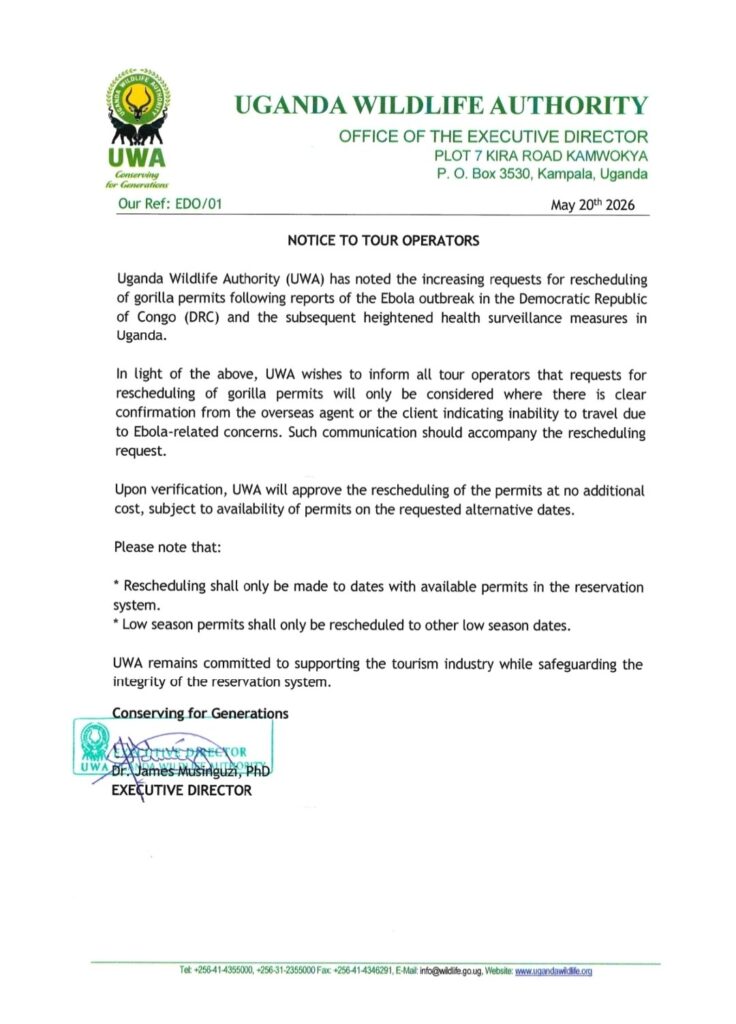
Kampala, Uganda — The Uganda Wildlife Authority has issued a notice allowing rescheduling of gorilla permits following Ebola-related concerns linked to the Democratic Republic of Congo (DRC) reflects the growing pressure East African tourism economies face whenever regional health outbreaks emerge near shared borders. While Uganda has not declared an Ebola outbreak within its key tourism destinations, international perception, amplified by global media coverage, often moves faster than geographic realities.


Once reports of Ebola cases in eastern DRC surfaced, international headlines quickly framed the outbreak within the wider East African region. For many overseas travelers unfamiliar with regional border dynamics, distinctions between outbreak zones and tourism circuits become blurred. The result has been growing concern among tourists and international travel agents, particularly regarding gorilla trekking experiences in southwestern Uganda due to their proximity to the DRC border. The Uganda Wildlife Authority (UWA), through its latest communication to tour operators, acknowledged the increasing number of requests for gorilla permit rescheduling amid Ebola fears. The notice outlines a flexible approach allowing tourists unable to travel due to outbreak-related concerns to reschedule permits at no additional cost, subject to availability and verification from overseas agents or clients.


From a tourism management perspective, the move signals an attempt to preserve confidence within Uganda’s high-value conservation tourism sector while balancing public health sensitivity and operational continuity. Gorilla tourism remains one of Uganda’s most important foreign exchange earnings and a cornerstone of its international destination branding. Any prolonged disruption within this segment carries implications not only for tourism revenues, but also for conservation financing, community livelihoods, and investor confidence across the hospitality sector. However, the situation also raises broader questions about crisis communication and regional tourism resilience within East Africa. In today’s global information environment, outbreaks, insecurity, or conflict occurring near borders can rapidly affect entire regional tourism ecosystems regardless of whether destinations themselves remain operationally safe.


Uganda now finds itself confronting a familiar challenge faced by many tourism-dependent economies: how to manage international perception during external crises largely beyond direct national control. Health outbreaks, much like security incidents, often produce fear-driven reactions among travelers, insurers, and international operators long before official risk assessments are fully understood. The challenge becomes even more significant given Uganda’s tourism recovery cycle. The country has been operating within a relatively slower tourism season, and industry stakeholders were anticipating improved arrivals as peak travel months approached. The emergence of Ebola concerns linked to neighboring DRC therefore arrives at a particularly sensitive moment for tour operators, hotels, transport providers, and conservation agencies hoping to stabilize post-pandemic growth momentum.


Industry observers increasingly argue that East African tourism resilience now depends not only on destination attractiveness, but also on how governments and institutions communicate during crises. Travelers today respond as much to perception management as to the actual risk environment. This is where comparisons with Rwanda’s tourism crisis management model frequently emerge within regional conversations. Rwanda has over the years built a reputation for disciplined crisis communication, rapid international engagement, and centralized narrative management during periods of regional insecurity or external concern. Even amid occasional rebel activity near border regions, Rwanda’s tourism sector has often succeeded in maintaining global confidence through coordinated messaging, diplomatic reassurance, aggressive destination branding, and visible institutional response systems.


The lesson for Uganda may not necessarily lie in replicating Rwanda’s model entirely, but in strengthening institutional coordination between tourism authorities, public health agencies, foreign missions, airlines, tour operators, and international media engagement teams during periods of regional uncertainty. Tourism crises today are rarely resolved through silence alone. In many cases, absence of coordinated communication allows speculation and international anxiety to dominate narratives. Proactive visibility, transparent updates, health preparedness briefings, and targeted reassurance campaigns increasingly form part of modern tourism diplomacy. Equally important is the role of regional cooperation. Because East Africa’s tourism ecosystem is interconnected, outbreaks or security incidents affecting one country often influence neighboring destinations. This creates a growing need for coordinated regional response mechanisms capable of distinguishing isolated risk zones from unaffected tourism corridors.


Uganda’s conservation assets remain globally competitive. Bwindi Impenetrable National Park, community tourism initiatives, cultural heritage sites, and biodiversity experiences continue to attract significant international interest. Yet protecting these gains increasingly requires investment not only in wildlife conservation, but also in strategic communication infrastructure capable of managing perception during unpredictable crises. The UWA notice therefore represents more than an administrative adjustment for tourists. It reflects the delicate balancing act confronting African tourism economies operating within complex regional realities where public health, geopolitics, media narratives, and economic survival intersect. As East Africa continues navigating cross-border health and security uncertainties, the broader challenge will not simply be responding to outbreaks after they occur. It will be building tourism systems resilient enough to sustain confidence even during periods of regional instability. In global tourism, perception can influence economies almost as powerfully as reality itself.


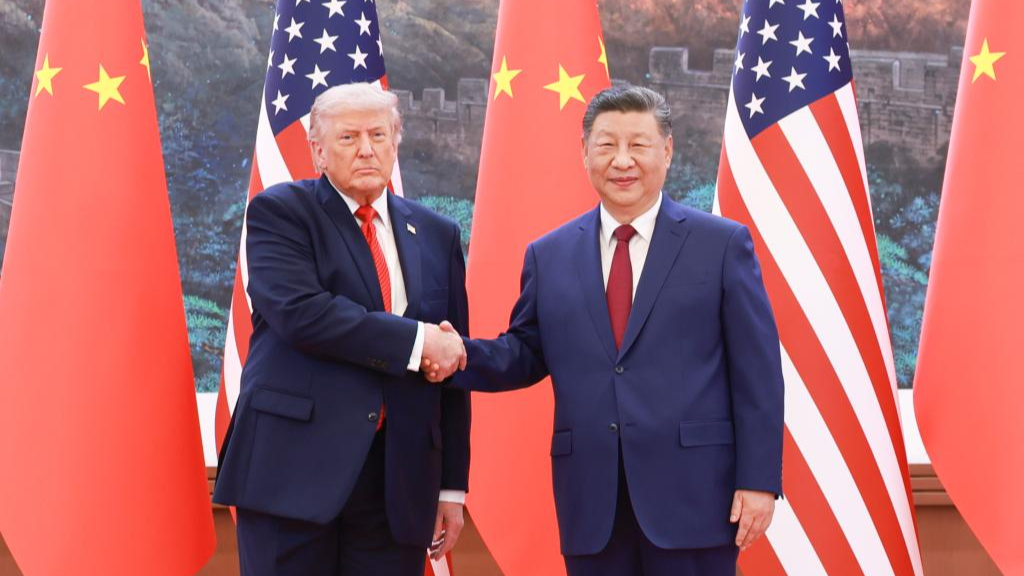
Beijing, China — When U.S. President Donald Trump departed the Chinese capital following high-level meetings with Chinese President Xi Jinping, the atmosphere surrounding the visit reflected a familiar feature of modern US–China diplomacy: carefully choreographed stability masking unresolved strategic rivalry. Held across key state venues in Beijing, including discussions linked to the Great Hall of the People and Zhongnanhai leadership compound engagements, the summit produced warm rhetoric, ceremonial symbolism, and renewed public affirmations of dialogue. Yet beneath the diplomatic optics, many of the structural tensions defining the relationship between the world’s two largest economies remain fundamentally unresolved.


The visit itself carried significant geopolitical weight. It came at a moment of heightened global uncertainty marked by tensions surrounding Taiwan, disruptions linked to the Middle East conflict, supply chain vulnerabilities, artificial intelligence competition, and an increasingly fragmented global economic order. For both Washington and Beijing, the summit was less about producing immediate breakthroughs and more about preventing further deterioration in relations.   That objective alone now reflects the realities of contemporary great-power diplomacy. According to international reporting following the summit, both leaders emphasized the importance of maintaining strategic communication and avoiding direct confrontation. Xi described the meetings as a “milestone” in stabilizing bilateral ties, while Trump highlighted what he portrayed as a strong personal relationship with the Chinese leader.  However, despite the cordial language, there was little evidence of substantive progress on the core disputes that continue to strain the relationship. Taiwan remains the most sensitive geopolitical flashpoint between the two powers, with Xi reportedly warning that mishandling the issue could lead to “clashes and even conflicts.”


Trade tensions also remain unresolved. Although discussions reportedly included Chinese purchases of Boeing aircraft and agricultural commodities, analysts noted the absence of broader agreements capable of addressing deeper disagreements surrounding tariffs, export controls, rare earth minerals, semiconductor restrictions, and technological competition.  This reflects a broader transformation in the nature of US–China relations. The rivalry is no longer confined to trade imbalances or market access disputes alone. Increasingly, it revolves around technological supremacy, strategic influence, military positioning, and competing visions of global governance. For China, the summit offered an opportunity to project diplomatic confidence and reinforce its image as an indispensable global power capable of engaging Washington on equal footing. Some international observers interpreted the meeting as part of Beijing’s long-term effort to normalize the perception of a “G-2” international order in which the United States and China function as the world’s dominant geopolitical actors.


For the Trump administration, meanwhile, the visit appeared aimed at balancing confrontation with economic pragmatism. Despite years of tariff battles and strategic competition, the United States remains deeply economically intertwined with China. American corporations continue to view Chinese markets as commercially significant, even as political tensions intensify. This duality explains why both governments increasingly frame their relationship not in terms of partnership, but managed competition. Within the African context, the implications of the Beijing summit are particularly significant. Africa today sits at the intersection of growing US–China competition, with both powers seeking influence through infrastructure financing, technology partnerships, trade agreements, mineral access, and diplomatic engagement. China’s expanding economic footprint across Africa through the Belt and Road Initiative continues to reshape development conversations, while Washington has sought to reassert its strategic presence through renewed economic and security partnerships.


For African policymakers, the central challenge remains navigating these competing interests without becoming overly dependent on either side. The Beijing meetings therefore matter not only for Washington and Beijing, but also for emerging economies seeking stability within an increasingly polarized international system. Equally important is the symbolism surrounding the summit itself. In global diplomacy, optics often carry strategic meaning. China’s elaborate reception for Trump underscored Beijing’s preference for leader-driven diplomacy and its longstanding emphasis on state ceremony as an instrument of political messaging. Reports described grand receptions, carefully managed engagements, and highly visible demonstrations of mutual respect between the two leaders.  Yet the durability of this temporary stabilization remains uncertain, the structural drivers of rivalry between the United States and China—economic competition, military positioning in Asia, technological decoupling, and ideological differences have not disappeared. Rather, they are becoming increasingly institutionalized within both countries’ long-term strategic planning.


What emerged from Beijing was therefore not a diplomatic reset, but a calibrated pause in escalation. In today’s geopolitical climate, that alone may be viewed as a significant outcome. But as both powers continue balancing cooperation with confrontation, the broader international community will be watching closely to see whether diplomatic symbolism can eventually evolve into durable strategic understanding or whether the current stability merely delays a deeper phase of global competition.


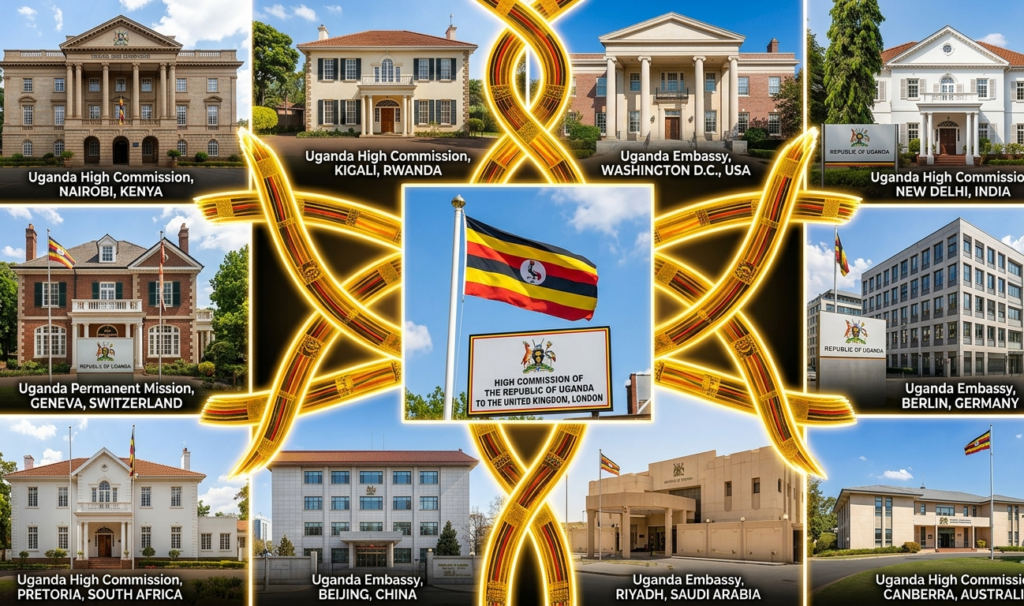
Kampala, Uganda — In recent months, Uganda’s diplomatic missions abroad have increasingly found themselves at the centre of online publications, commentary, and public debate. Allegations ranging from financial mismanagement and administrative inefficiencies to operational underperformance have circulated widely across digital platforms, often drawing public attention to missions in cities such as London, Malaysia, Brussels, Roma, Pretoria, Abu Dhabi, Abuja, Washington, D.C. Kinshasa, Berlin, Copenhagen, Ottawa, and Beijing among others.


Some of these claims appear linked to concerns raised within the Auditor General’s 2025 report, which reportedly highlighted performance gaps, accountability concerns, and institutional weaknesses across certain foreign missions. Yet beyond the specifics of individual allegations some verified, others speculative the wider national conversation now raises a more strategic question: what happens when a country’s international image becomes collateral damage within internal institutional contestations? This question matters particularly for Uganda at a time when the government is actively pursuing economic transformation through Economic and Commercial Diplomacy (ECD) under the Tenfold Growth Strategy. Across foreign missions, diplomats are increasingly tasked not only with political representation, but also with attracting foreign direct investment (FDIs), tourism partnerships, export markets, technology transfers, and strategic business relationships capable of supporting Uganda’s long-term development ambitions.


In this environment, perception itself becomes a form of economic currency, global investors, development partners, and multinational corporations often assess countries not only through economic indicators, but also through institutional reputation, governance narratives, and international media visibility. This explains why national branding is rarely built overnight, it is accumulated gradually through years of diplomacy, policy consistency, investor confidence, and strategic communication. Yet reputational damage can spread globally within hours through a single viral publication or sustained negative narratives online.


Uganda already faces persistent challenges within global governance and corruption perception rankings. While such indices may not always capture the full complexity of national realities, they continue to influence investor psychology, sovereign credibility, and international business decisions. In competitive investment environments, perception gaps alone can redirect opportunities toward alternative destinations. This is why discussions surrounding Uganda’s diplomatic missions require careful balance between accountability and national interest.


Public scrutiny of institutions is legitimate and, in many respects, necessary within modern governance systems. Transparency, oversight, and responsible journalism remain essential pillars of institutional credibility. If irregularities exist within public offices, they must be addressed through lawful processes, audits, reforms, and administrative accountability. However, the growing culture of sensationalized publication particularly when allegations remain unverified or selectively amplified can produce unintended national consequences extending far beyond individual office bearers.


Within diplomatic and policy circles, there is increasing concern that some narratives risk weakening confidence in Uganda’s international representation precisely at a time when the country is seeking to strengthen external partnerships and economic positioning. Diplomats posted abroad function not merely as individuals, but as custodians of national image. When missions become consistently associated with controversy rather than opportunity, the broader country brand inevitably absorbs the damage. The timing of some of the recent public narratives has also generated speculation within political and diplomatic circles. With Uganda approaching expected appointments and possible reshuffles across several sectors including diplomatic and ministerial positions questions have emerged over whether some of the intensified public criticism may intersect with internal competition, institutional lobbying, or positioning for future appointments.


Whether such assumptions hold merit or not, the broader risk remains the same: when institutional reputations are weakened through prolonged public battles, the eventual damage often outlives the individuals involved. A diplomat may leave office, an ambassador may be recalled, a posting may change but rebuilding confidence in a country’s institutional credibility can take years. This reality is particularly important for countries within emerging economies where investment attraction remains heavily dependent on confidence, predictability, and strategic perception management. Nations competing for capital, tourism, and international partnerships increasingly understand that reputation management is now inseparable from economic policy itself.


For Uganda, the challenge therefore is not whether institutions should be questioned, but how such scrutiny can occur without undermining broader national interests. Constructive criticism should ideally contribute toward institutional strengthening, reform recommendations, and policy improvement rather than feeding cycles of reputational erosion that external audiences may interpret as systemic instability. Equally important is the need for stronger strategic communication from institutions themselves. In the absence of timely clarification, verified information, and transparent engagement, speculation often fills the vacuum. Public trust is strengthened not through silence, but through credible communication and visible accountability mechanisms.


Uganda’s diplomatic missions remain central pillars within the country’s Economic and Commercial Diplomacy agenda. Their effectiveness directly affects trade promotion, tourism marketing, diaspora engagement, investment outreach, and bilateral cooperation. Strengthening these institutions therefore requires a long-term approach rooted in professionalism, performance evaluation, institutional reform, and coordinated national messaging. Ultimately, countries do not compete globally through headlines alone. They compete through confidence. And in international diplomacy, confidence is built slowly, carefully, and collectively but it can be weakened very quickly when national institutions become arenas of sustained public demolition rather than strategic improvement.


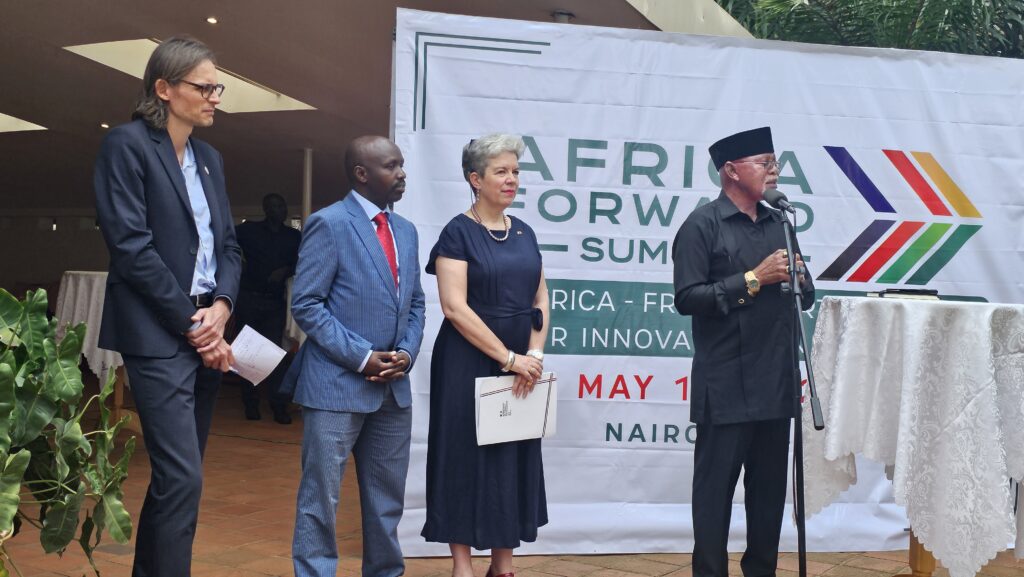
Kampala, Uganda — Uganda and France are intensifying diplomatic and economic engagement ahead of the upcoming Africa-Forward Summit, with officials from both countries describing the gathering as a defining moment in the evolution of Africa-Europe partnerships. Scheduled for May 11–12 in Nairobi, the summit will, for the first time since its inception in 2017, be hosted in an English-speaking African country an adjustment both symbolic and strategic in the changing landscape of continental diplomacy.


Speaking during a high-level breakfast briefing hosted by H.E Virginie Leroy the French Ambassador to Uganda, Uganda’s Minister of Foreign Affairs, Hon. Gen Odongo Jeje Abubakhar, welcomed the summit as a reflection of shifting geopolitical realities and a growing recognition of Africa’s expanding economic and demographic significance. “Nairobi is a first,” the Minister observed. “Since 2017, these meetings have taken place in French-speaking countries. This is the first time France is crossing the proverbial Rubicon to engage directly within English-speaking Africa.”


The remarks carried broader diplomatic significance beyond venue selection, the summit’s relocation as part of France’s evolving Africa policy under H.E President Emmanuel Macron, aimed at broadening engagement across the continent through partnerships anchored in economic cooperation, innovation, and youth empowerment rather than traditional political influence. Hon. Gen. Odongo framed the summit within Uganda’s own transition toward Economic and Commercial Diplomacy, a strategy increasingly guiding the country’s foreign policy engagements. He emphasized that the Nairobi meeting would focus less on ceremonial diplomacy and more on measurable outcomes tied to trade, investment, enterprise, and job creation. “We are not going to Nairobi for symbolism alone,” he remarked. “Africa-Forward is a statement that Africa is moving forward through enterprise, business, innovation, and regional partnerships.”


The summit comes at a pivotal time for Uganda, which continues to position itself as one of East Africa’s emerging economic centres. Ambassador Leroy noted that Uganda’s sustained economic growth consistently above six percent has attracted growing international interest, particularly as the country prepares for commercial oil production and expands investment in infrastructure and energy. At the same time, she underscored the urgency of addressing Uganda’s demographic realities, with approximately 700,000 young people entering the labour market annually. According to the Ambassador, future partnerships must therefore prioritize scalable employment opportunities, entrepreneurship, and skills development.


France’s engagement with Uganda, she explained, is increasingly guided by three interconnected pillars: partnership, investment expansion, and long-term developmental impact. Under the “Team Up” approach, France works alongside Ugandan institutions, youth-led initiatives, and regional partners through agencies and institutions including the Agence Française de Développement, Alliance Française, and the French Chamber of Commerce. The model also integrates broader European and African partnerships, reflecting a multilateral approach to development cooperation.


The second pillar, “Scale Up,” focuses on mobilizing financing instruments to support Uganda’s priority sectors. French-backed investments have increasingly targeted infrastructure, renewable energy, healthcare, and entrepreneurship through concessional financing, export support mechanisms, and private sector partnerships. The third pillar, “Multiply Impact,” centres on employment creation, skills transfer, and regional integration. Officials highlighted the growing footprint of French companies operating in Uganda, particularly in sectors linked to energy, agribusiness, finance, and digital innovation.

Several bilateral projects were cited as examples of this expanding cooperation. Partnerships between the National Water and Sewerage Corporation and French development institutions have improved access to clean water for millions of Ugandans across Greater Kampala and southwestern Uganda over the past decade and a half.


In the renewable energy sector, collaboration involving Uganda’s Ministry of Energy, France, and the European Union has extended clean energy access across dozens of districts, supporting rural electrification and sustainability goals. Agricultural transformation has also emerged as a central area of engagement, particularly through initiatives supporting climate-resilient coffee production and agroforestry systems. French-supported entrepreneurship programs are increasingly targeting Uganda’s innovation ecosystem. Through initiatives such as Digital Africa and GreenTech incubation partnerships with financial institutions, Ugandan start-ups particularly those led by women and youth are receiving mentorship, financing, and international exposure. Cultural diplomacy has similarly become part of the relationship. Creative economy initiatives supporting digital content creators, musicians, and cultural entrepreneurs illustrate a broader understanding that economic cooperation increasingly intersects with culture, technology, and soft power.


The upcoming summit in Nairobi is therefore expected to serve not merely as a diplomatic gathering, but as a platform for redefining how African and European partnerships are structured in the coming decade. Observers note that the language surrounding the summit particularly the term “Africa-Forward” signals an intentional shift away from donor-recipient frameworks toward partnerships based on shared interests and mutual growth. For Uganda, participation in the summit aligns with its wider strategy of positioning itself as both a regional investment destination and an active diplomatic actor within Africa’s transformation agenda. As preparations continue, expectations are growing that the Nairobi meeting could help shape a more pragmatic and commercially driven phase in Africa-France relations one increasingly defined not by history, but by opportunity.


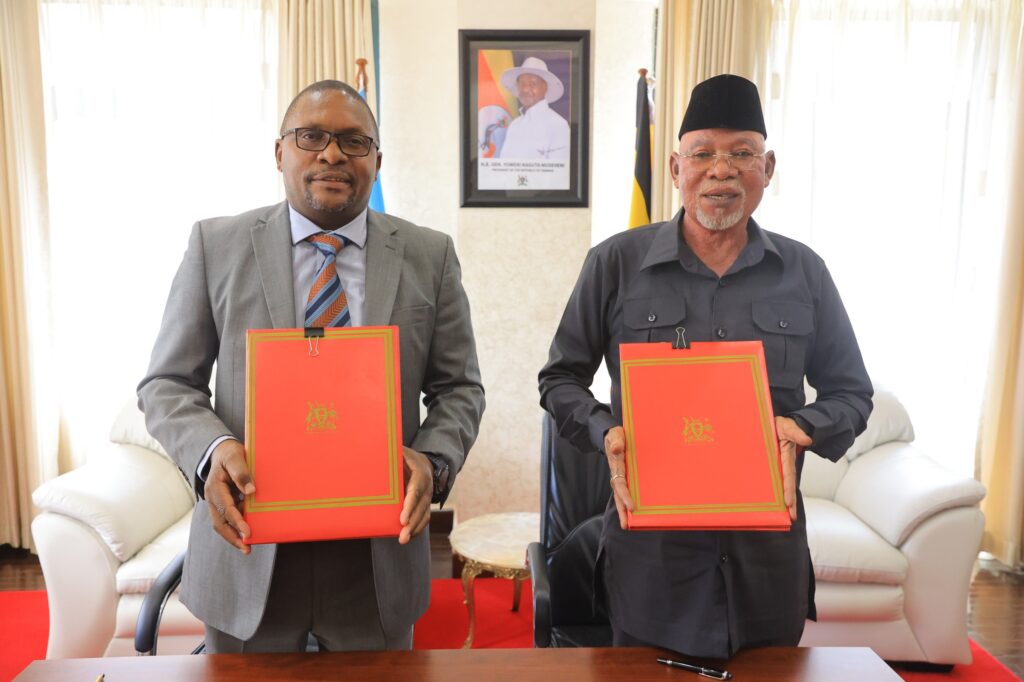
Kampala, Uganda — The Government of Uganda has formally signed a Host Country Agreement with the Centre for Agriculture and Biosciences International, marking a significant milestone in the country’s efforts to strengthen agricultural productivity, expand export competitiveness, and deepen scientific collaboration in the agriculture sector. The agreement, signed by Hon. Gen. Odongo Jeje Abubakhar on behalf of the Government of Uganda, and Mr. Morris Akiri, Executive Director for Africa at CABI, establishes a permanent institutional presence of the organisation in Uganda. Mr. Akiri was accompanied by Dr. Monica Kansiime, Regional Director; Mrs. Christine Alokit; and Dr. Nasib Mugwanya of the National Agricultural Research Organisation. CABI is a science-driven, intergovernmental, not-for-profit organisation founded in 1928 under a United Nations treaty framework. It is recognised by both the United Nations system and the Commonwealth as a leading global institution in agricultural knowledge, plant health, and bioscience innovation. Uganda has been a member since 1995, engaging the organisation through the Ministry responsible for agriculture and NARO in various research and development programmes.


The newly signed agreement follows Uganda’s ratification of the CABI Instrument in 2025 and the completion of all domestic legal processes, including clearance by the Attorney General. It now provides the legal and operational basis for CABI to establish a fully-fledged country office in the Greater Kampala Metropolitan Area. This transition represents a shift from a project-based engagement model to a permanent institutional footprint within Uganda’s scientific and agricultural ecosystem. At the signing ceremony, Gen. Odongo Jeje Abubakhar underscored the strategic importance of the partnership in addressing structural challenges within Uganda’s agricultural sector. He highlighted the persistent need to improve compliance with international sanitary and phytosanitary standards, particularly as Uganda seeks to regain and expand access to high-value export markets, including the European Union.


He noted that agriculture remains a central pillar of Uganda’s economy, employing a significant proportion of the population, and that partnerships such as this are essential in modernising production systems. Strengthening value chains, improving extension services, and equipping farmers with science-based knowledge were identified as key priorities under the collaboration.

CABI’s mandate aligns closely with Uganda’s national development objectives, particularly in areas of poverty reduction through agricultural productivity, environmental sustainability through nature-based solutions, and inclusive value chain development targeting women and youth. The partnership also places strong emphasis on knowledge transfer between global experts and local institutions, ensuring that scientific innovations are translated into practical solutions for farmers.

Mr. Akiri reaffirmed CABI’s long-term commitment to Uganda, highlighting ongoing and planned programmes designed to strengthen agricultural systems. He referenced an €8 million European Union-funded initiative aimed at improving regulatory frameworks, enhancing plant health systems, and building technical capacity within national institutions. A key component of this collaboration includes the establishment of a Centre of Excellence at Entebbe International Airport, which is expected to support phytosanitary inspections and improve export readiness. In addition, the introduction of cold chain logistics systems was highlighted as a critical intervention to reduce post-harvest losses and maintain product quality for international markets.


One of the flagship programmes under CABI’s global portfolio, PlantwisePlus, is also expected to play a central role in Uganda’s agricultural transformation agenda. The initiative supports plant health management by strengthening advisory services for farmers and extension workers, thereby improving productivity and reducing crop losses caused by pests and diseases. Both parties expressed optimism that the establishment of CABI’s permanent office will significantly enhance Uganda’s agricultural research capacity and export competitiveness. The agreement is also expected to foster stronger linkages between Ugandan scientists and global research networks, opening up new opportunities for innovation, investment, and technical cooperation.


Beyond its technical dimensions, the partnership reflects a broader policy direction within Uganda’s development strategy one that prioritises science, innovation, and international collaboration as drivers of economic transformation. By embedding a globally recognised scientific institution within its national framework, Uganda positions itself to better respond to emerging challenges in food security, climate resilience, and global trade compliance. As implementation begins, attention will now turn to translating the agreement into tangible outcomes for farmers, exporters, and research institutions. If effectively executed, the partnership has the potential to redefine Uganda’s agricultural trajectory shifting it from a largely subsistence-based system toward a more competitive, knowledge-driven, and export-oriented sector.

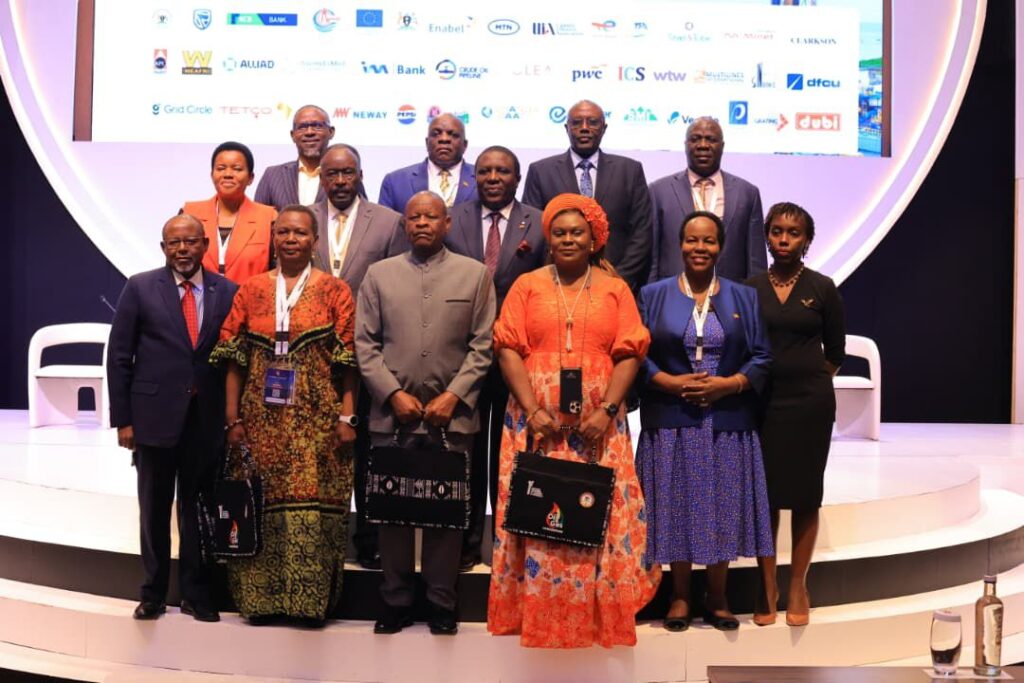
Kampala, Uganda — Uganda is intensifying its economic diplomacy efforts as its diplomatic missions abroad move to strengthen partnerships with private sector actors in support of the country’s fast-evolving oil and gas industry. This strategic push formed the centerpiece of a high-level engagement held on the sidelines of the 11th Oil and Gas Convention, bringing together envoys, policymakers, and industry leaders to align investment promotion with national development priorities.


The meeting convened Uganda’s ambassadors and representatives from key missions including postings in Russia, India, Tanzania, Japan, China, Angola, Egypt, the United States, and regional hubs such as Dar es Salaam and Mombasa under the coordination of the Ministry of Foreign Affairs. The delegation, led by Ambassador Richard Kabonero on behalf of the Permanent Secretary, engaged with stakeholders from the Ministry of Energy and Mineral Development, the Uganda National Oil Company, the Uganda Chamber of Mines and Petroleum, the Ministry of Trade, Industry and Cooperatives, and the Uganda Investment Authority. At the core of the discussions was a shared recognition that Uganda’s foreign missions must play a more proactive role in shaping the country’s economic trajectory. Participants emphasized that embassies are increasingly being repositioned as platforms for commercial diplomacy tasked not only with representing national interests abroad but also with actively identifying investors, facilitating business linkages, and promoting Uganda’s opportunities across global markets.

Ambassador Richard Kabonero underscored this shift, noting that Uganda’s diplomatic footprint is being recalibrated to reflect the demands of a competitive global economy. He highlighted the importance of aligning diplomatic engagement with key sectors such as energy, where timely investment and technology partnerships are critical. “Our missions must operate as gateways for investment and innovation, connecting Uganda’s potential to global capital and expertise,” he observed. The engagement comes at a pivotal moment as Uganda advances toward First Oil, with major projects such as Tilenga, Kingfisher, and the East African Crude Oil Pipeline (EACOP) signaling the transition from exploration to production. Officials noted that while these developments mark a milestone, the broader objective extends beyond extraction to the creation of an integrated industrial ecosystem.

Industry leaders stressed that the oil and gas sector presents opportunities across a wide value chain, including engineering, logistics, environmental services, and financial solutions. However, they cautioned that realizing these opportunities will require deliberate coordination between government institutions, private sector actors, and diplomatic missions to ensure that Uganda remains an attractive and competitive destination for investment. The Uganda Chamber of Mines and Petroleum, represented at the meeting, reiterated its commitment to fostering collaboration that supports both foreign investment and local participation. The Chamber emphasized the importance of building a sector that not only attracts global players but also empowers domestic enterprises, contributing to industrial growth and skills development.

Discussions also explored practical mechanisms to enhance coordination, including structured engagement with international investors, participation in global energy forums, and targeted promotion of Uganda’s upstream and midstream projects. Stakeholders agreed that consistent messaging and unified representation across diplomatic missions would be essential in building investor confidence and sustaining momentum. Complementing these discussions, voices from the broader policy space reinforced the need to anchor oil and gas development within a wider industrialization agenda. Leaders highlighted that Uganda’s long-term gains will depend on its ability to leverage petroleum resources to stimulate sectors such as petrochemicals, manufacturing, and infrastructure development. There was also a strong emphasis on regional integration as a critical enabler of success. With projects like EACOP linking Uganda and Tanzania, the oil and gas sector is increasingly seen as a driver of cross-border economic cooperation. Participants noted that aligning national strategies with regional frameworks would enhance market access, streamline logistics, and create economies of scale.

As Uganda positions itself within the global energy landscape, the role of economic diplomacy is becoming more pronounced. The engagement in Kampala reaffirmed that coordinated efforts between diplomatic missions and domestic institutions will be central to unlocking investment, facilitating technology transfer, and ensuring sustainable sector growth. Ultimately, stakeholders converged on a common understanding: the success of Uganda’s oil and gas sector will not be measured solely by production milestones, but by its ability to catalyze industrialization, generate employment, and contribute to long-term economic transformation. With diplomatic channels increasingly aligned to these objectives, Uganda is signaling a clear intent to convert its natural resource potential into a foundation for inclusive and sustained development.

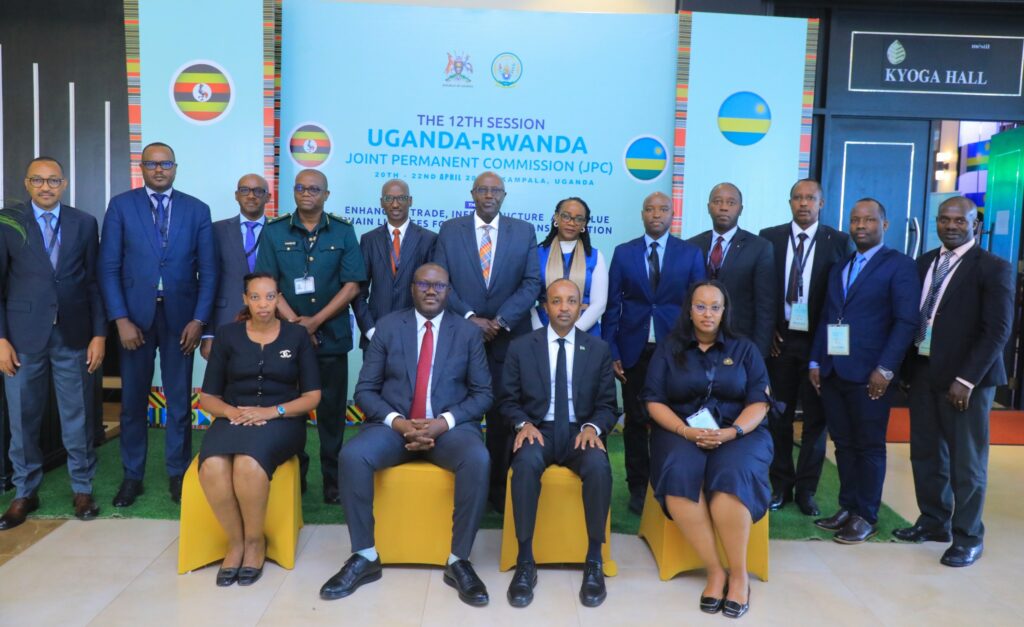
Kampala, Uganda — Uganda and Rwanda have reaffirmed their commitment to strengthening bilateral cooperation following the successful convening of the 12th Session of the Joint Permanent Commission (JPC), held in Kampala. The meeting, which brought together senior government officials and policymakers from both countries, signals a renewed diplomatic momentum aimed at advancing regional integration, economic cooperation, and long-term stability in the Great Lakes region.


The session, hosted at Mestil Hotel in Kampala, was co-chaired by Uganda’s Minister of State for Foreign Affairs (Regional Affairs), Hon. John Mulimba, and Rwanda’s Minister of State for Foreign Affairs, Hon. Dr. Usta Kaitesi. It followed the 11th JPC session held in Kigali in March 2023 and served as a platform to review progress, address emerging challenges, and set new priorities for collaboration.


At the heart of the discussions was a shared recognition of the steady progress made in implementing previous agreements. Both delegations expressed satisfaction with advancements in key sectors, including defence and security, immigration, infrastructure, information and communication technologies, as well as trade and customs. These areas, officials noted, are central to facilitating cross-border movement, enhancing economic exchange, and building mutual trust between the two nations.


The Ministers emphasized that sustained coordination remains critical to maintaining this positive trajectory. They called on technical teams and senior officials to strengthen institutional linkages and work collaboratively to resolve practical bottlenecks affecting trade flows and the movement of people. Such coordination, they noted, is essential not only for bilateral relations but also for broader regional stability within the East African Community framework.


A notable outcome of the session was the expansion of cooperation into additional strategic sectors. Both countries agreed to deepen partnerships in investment promotion and facilitation, tourism development particularly within the Meetings, Incentives, Conferences, and Exhibitions (MICE) segment as well as conservation and sustainable tourism. These areas reflect a forward-looking agenda that aligns economic growth with environmental stewardship and global tourism trends.


In a demonstration of this strengthened partnership, Uganda and Rwanda signed four Memoranda of Understanding (MoUs) covering health, education, agriculture, and local government. These agreements are expected to reinforce institutional collaboration and provide structured pathways for implementing joint initiatives that directly impact citizens’ livelihoods.

The reaffirmation of cooperation in agriculture and local governance is particularly significant, given the role these sectors play in rural development and service delivery. Similarly, collaboration in health and education underscores a shared commitment to human capital development an area increasingly viewed as foundational to sustainable economic progress.

Both sides reiterated their commitment to ensuring that agreed initiatives are implemented effectively and within agreed timelines. The emphasis on tangible outcomes reflects a shift toward results-driven diplomacy, where bilateral engagements are measured not only by agreements signed but by their real-world impact on communities and economies.


Importantly, the session also highlighted the role of high-level political leadership in guiding bilateral relations. The continued engagement between Uganda and Rwanda under the leadership of their respective Heads of State has provided a stable framework within which technical and diplomatic efforts can thrive. Looking ahead, the two countries agreed that the 13th Session of the Joint Permanent Commission will be hosted by Rwanda, with dates to be determined through diplomatic channels. This continuity underscores a shared commitment to institutional dialogue as a mechanism for managing relations and advancing mutual interests.


In a region where cross-border cooperation is increasingly linked to economic resilience and security, the outcomes of the 12th JPC reflect a pragmatic and constructive approach to diplomacy. By prioritizing coordination, expanding areas of partnership, and focusing on implementation, Uganda and Rwanda are positioning their bilateral relationship as a cornerstone of regional integration. As both countries move to operationalize these commitments, the emphasis will now shift from policy alignment to delivery ensuring that diplomatic progress translates into measurable benefits for citizens on both sides of the border.

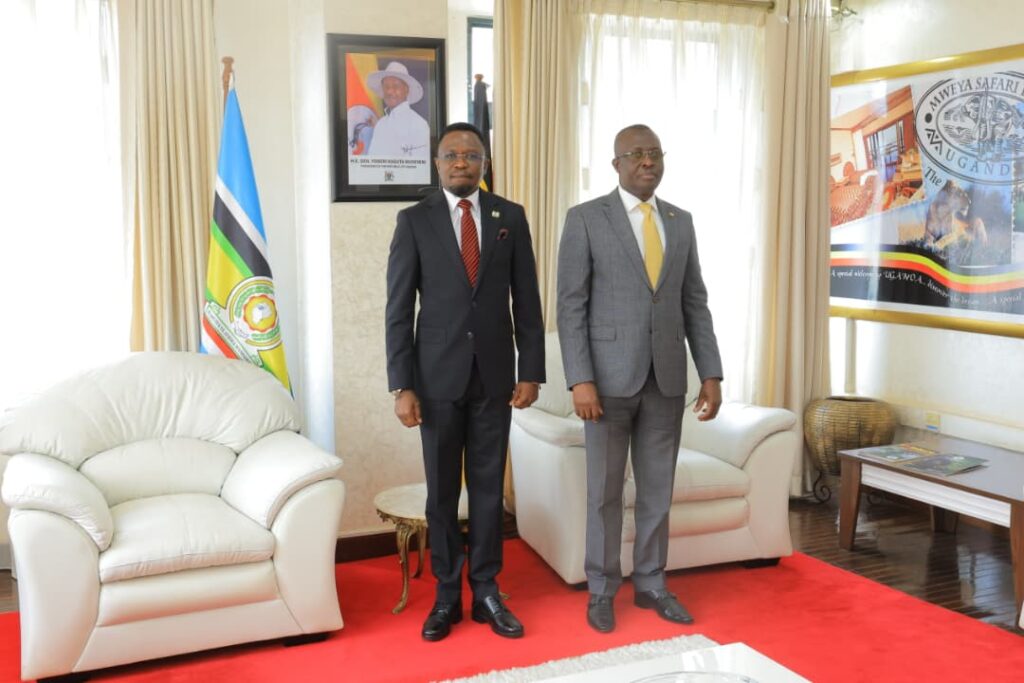
Kampala, Uganda — Uganda and Kenya have reiterated their enduring diplomatic and economic partnership following the presentation of copies of Letters of Credence by Kenya’s High Commissioner-designate, Ambassador Ababu Namwamba, to the Minister of State for Regional Cooperation, Hon. John Mulimba, at the Ministry of Foreign Affairs in Kampala. The ceremonial engagement, while procedural in nature, underscored the broader strategic importance both nations attach to their bilateral relations long regarded as a cornerstone of regional stability and integration within the East African Community (EAC).


Hon. Mulimba welcomed the envoy with a message of continuity and cooperation, congratulating Ambassador Namwamba on his appointment and reaffirming Uganda’s commitment to facilitating a productive diplomatic tenure. He highlighted the historical bonds between Uganda and Kenya, noting that the relationship is anchored in shared cultural heritage, economic interdependence, and aligned regional aspirations. “The ties between our two Republics are not only longstanding but forward-looking,” Mulimba noted, emphasizing the importance of sustained collaboration in advancing peace, economic growth, and regional integration.


In his remarks, Ambassador Namwamba conveyed appreciation for the warm reception accorded to him, signaling Kenya’s intent to deepen cooperation across key sectors. He identified peace and security collaboration, alongside trade and investment promotion, as central priorities of his mission in Uganda. The High Commissioner-designate further pointed to tourism development and joint infrastructure projects as critical enablers of economic transformation. Such initiatives, he observed, hold the potential to stimulate cross-border commerce, enhance value addition, and create employment opportunities for citizens in both countries.


The meeting also provided an opportunity for both sides to align on pressing regional priorities. Emphasis was placed on the need to accelerate East African integration through practical measures, including the reduction of non-tariff barriers that continue to constrain intra-regional trade. Both parties reaffirmed their commitment to strengthening people-to-people linkages, recognizing that social and cultural exchanges remain vital to sustaining diplomatic goodwill and economic cooperation. They also agreed on the importance of regular high-level consultations to ensure momentum in the implementation of agreed initiatives.


The presentation of credentials marks a key step in Ambassador Namwamba’s formal assumption of duties, setting the stage for renewed diplomatic engagement between Kampala and Nairobi at a time when regional collaboration is increasingly seen as essential to navigating global economic and security challenges. As Uganda and Kenya continue to position themselves as pivotal actors within the EAC framework, the tone set during this engagement reflects a shared determination to translate diplomatic goodwill into tangible outcomes for their respective populations.


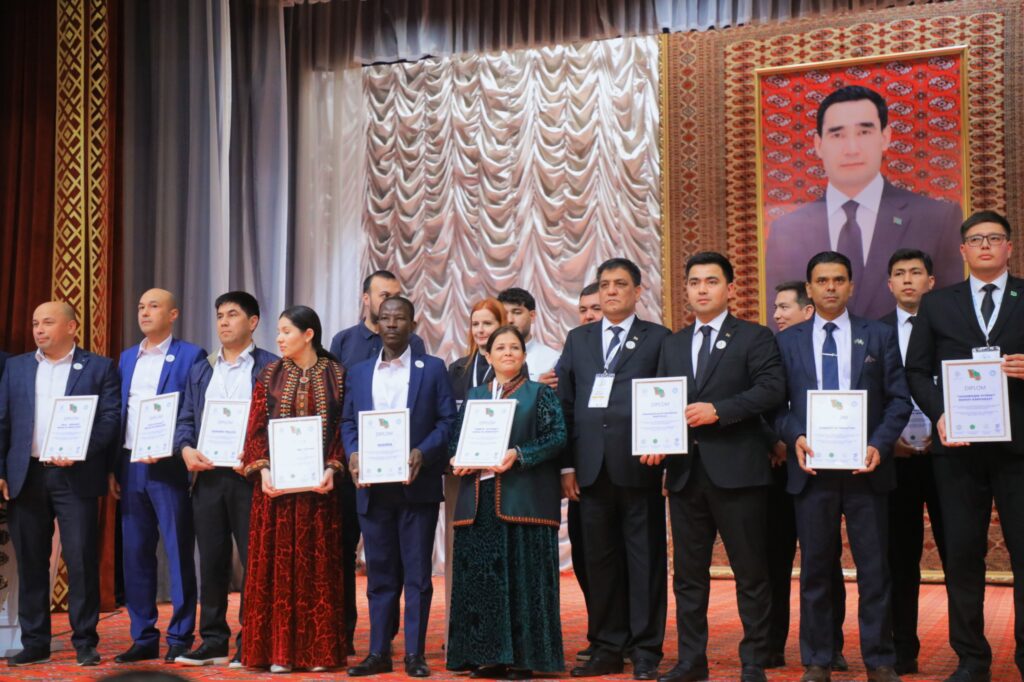
Uganda was honoured to participate in the Turkmen Travel and Tourism Expo 2026—an important platform for strengthening cultural diplomacy and advancing global tourism partnerships.

Amb. Matata extended his sincere appreciation to the Rector for the warm hospitality and to the Government of Turkmenistan for the gracious invitation. Uganda is proud to be part of this meaningful engagement.

Uganda and Turkmenistan have enjoyed cordial relations since 1999, built on mutual respect and sustained through cooperation in multilateral platforms, including the United Nations. There is strong potential to further deepen these ties through enhanced people-to-people connections and cultural exchange.

Uganda proudly showcases a rich cultural heritage, with over 56 tribes, vibrant traditions, and historic kingdoms. From the UNESCO-listed Kasubi Tombs to the captivating performances at the Ndere Cultural Centre, cultural tourism continues to serve as a powerful bridge for connection and shared prosperity.

We are also honoured to have received an Award of Participation at the Expo, received by Mr. Sseremba, Under Secretary, Ministry of Tourism.

As we look ahead, we remain committed to strengthening collaboration in tourism, culture, and diplomacy—building lasting partnerships that contribute to peace, cooperation, and sustainable development.

#Uganda #Turkmenistan #Tourism #CulturalDiplomacy #TravelExpo2026 #GlobalPartnerships