June 10, 2026

africa focus

Kampala, Uganda — The election of Jacob Marksons Oboth Oboth as Speaker of Uganda’s 12th Parliament is being interpreted by many political observers as more than a routine parliamentary transition. For some, it represents a carefully calibrated consolidation of power within the ruling establishment. For others, it reflects a familiar cycle in Uganda’s politics where loyalty, timing, and silence often carry greater political currency than public ambition.


Oboth Oboth’s ascent comes in the aftermath of one of the most politically turbulent periods in Uganda’s recent parliamentary history: the dramatic fall of former Speaker Anita Annet Among, whose tenure increasingly became overshadowed by allegations of corruption, abuse of office, and widening internal divisions within the state machinery. While no court of law has convicted her on many of the allegations circulating in public discourse, the political pressure surrounding her office had become impossible to ignore.


The turning point, according to analysts, emerged when the ruling establishment appeared to withdraw its political shield. The announcement by Patriotic League of Uganda (PLU) Secretary General Daudi Kabanda distancing support from the outgoing Speaker was widely viewed as a signal of shifting power calculations within the system. What followed intensified speculation: security operatives reportedly conducting searches at properties associated with the former Speaker, including her residence, office, village home, and business-linked establishments.


For Ugandans who have witnessed similar political episodes over the decades, the developments revived uncomfortable memories. Across different administrations and institutions, several once-powerful figures have experienced abrupt political isolation after falling out of favour with the establishment they once served. In Uganda’s political culture, critics argue, humiliation often begins quietly through silence from allies, withdrawal of endorsements, or strategic distancing before formal political collapse becomes visible.


It is within this atmosphere that Oboth Oboth’s rise is being examined, unlike many figures who openly campaigned or positioned themselves for the speakership, Oboth Oboth remained notably restrained. His name rarely dominated public debate around succession politics. Yet behind the scenes, his political journey had been unfolding steadily and methodically through the institutional corridors of Parliament and Cabinet. Representing West Budama Central, Oboth built influence not through populist theatrics, but through committee systems and internal parliamentary structures. He chaired key committees including Rules, Discipline and Privileges; Natural Resources; and Legal and Parliamentary Affairs positions that exposed him to both legislative procedure and power negotiation. His later appointments as State Minister for Defence and subsequently Minister of Defence and Veteran Affairs further deepened his proximity to the centre of state power.


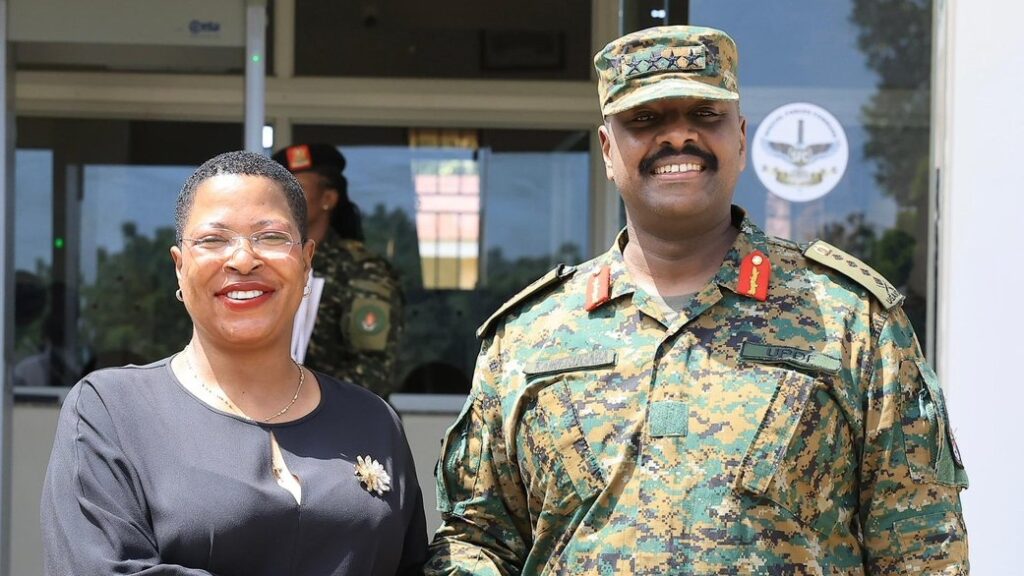
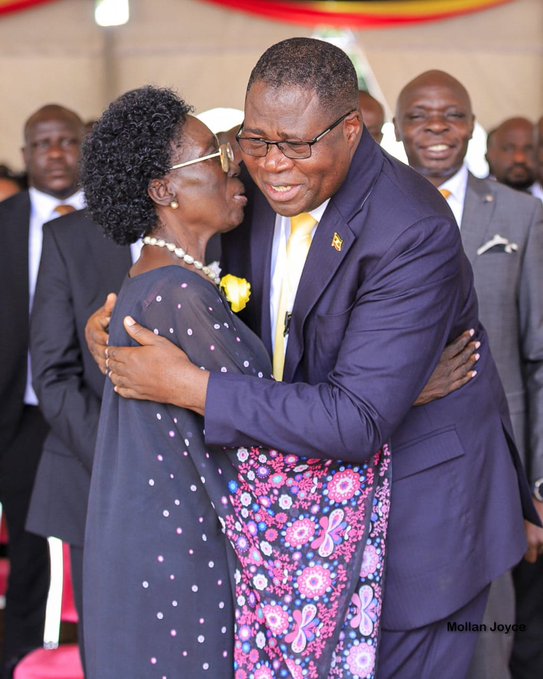
The circulation of photographs showing Oboth alongside former Speaker Rebecca Alitwala Kadaga has only added another layer to political interpretation. Kadaga, who herself experienced a difficult and highly publicized exit from the speakership, was long perceived to have maintained a complicated relationship with Among. For sections of the political class, the imagery symbolized continuity within an older institutional network seeking renewed influence after years of internal contestation.


The central question emerging from the transition is whether Oboth Oboth represents a stabilizing negotiator within the ruling establishment or a consolidator of deeper executive influence over Parliament. Supporters describe him as measured, experienced, and institutionally grounded. They argue that his background in legal and parliamentary affairs positions him to restore procedural discipline and rebuild public confidence in the House after years of controversy and political spectacle. Critics, however, caution that Uganda’s Parliament has historically struggled to maintain full institutional independence from executive power. In their assessment, the speakership transition may signal a broader reorganization of internal political control rather than a democratic reset.


Yet beyond elite political calculations lies a deeper public sentiment, For many Ugandans who have previously watched prominent officials rise, fall, and face state pressure after losing political protection, the latest developments resonate less as isolated events and more as part of a recurring national pattern. It is a reminder of how fragile political alliances can become when power shifts direction.


Still, Oboth Oboth enters office at a defining moment for Uganda’s legislature. Public trust in institutions remains under scrutiny, youth unemployment continues to shape political frustrations, and demands for accountability are growing louder across civic spaces. Whether his leadership becomes remembered as a period of institutional repair or political consolidation may ultimately depend not on how he attained the office, but on how he exercises it. For now, one reality remains undeniable: Jacob Oboth Oboth’s rise was quiet, calculated, and deeply consequential and in Ugandan politics, silence has often been the loudest signal of all.

 Kilifi, Kenya — Fresh concerns have emerged over presidential security management in Kenya after a young man briefly breached security and stormed toward President William Ruto’s podium during a public event in Kilifi County, marking the latest in a series of incidents that have exposed vulnerabilities around high-profile political gatherings. The dramatic moment unfolded during a thanksgiving ceremony for Youth Affairs Principal Secretary Fikirini Jacobs, where President Ruto was addressing supporters before the event was suddenly interrupted by the intruder. In full view of cameras and attendees, the individual managed to move toward the podium, forcing the President to abruptly halt his speech as members of his security detail rushed to restrain and remove the man.


Amid the confusion, President Ruto appeared visibly shaken and nearly lost his balance as security officers tackled the individual near the podium. Witnesses at the event reported a brief moment of panic before the situation was brought under control. In a move that quickly drew public attention online, Ruto attempted to calm the situation and appeared to urge restraint from his security personnel. “Leave that young man alone,” the President was heard saying after the individual had already been subdued. Moments later, Ruto sought to downplay the incident publicly, joking that the young man was likely trying not to “miss an opportunity” after learning from the host of the event. However, despite the President’s attempt to ease tensions, the episode has reignited debate over the effectiveness and preparedness of Kenya’s presidential security systems during open public engagements. What has intensified concern is that the Kilifi incident is not isolated. Over the past year, President Ruto has experienced several similar security breaches during public rallies and official events, prompting growing scrutiny of crowd-control protocols and the responsiveness of the Presidential Escort Unit (PEU).


In February 2026, during a visit to Wajir County for the disbursement of NYOTA startup funds, another young man reportedly approached the podium from the President’s blind side while he addressed the public. Security officers intervened before the individual could get close to the Head of State. Just days earlier, on February 6 in Mombasa, another unidentified man ran toward the podium while Ruto was speaking at a separate event. In that case, the President reportedly instructed security officers to allow the man to speak, a reaction that generated mixed public responses regarding the balance between accessibility and security. Perhaps the most alarming incident occurred in May 2025 in Migori County, when a shoe was thrown toward President Ruto while he addressed a rally. The President reportedly blocked the object with his arm, narrowly avoiding direct impact. Following that incident, reports indicated that presidential security arrangements had been reviewed and strengthened, with tighter crowd-control measures introduced at subsequent events.


Despite those adjustments, the recurrence of security breaches has continued raising difficult questions about the vulnerabilities associated with highly public and politically charged gatherings in Kenya’s evolving political environment. Political analysts note that modern presidential security increasingly faces challenges linked to changing political culture, crowd dynamics, and the growing influence of spontaneous public interactions amplified by social media visibility. Leaders seeking to maintain direct engagement with citizens often favor open rallies and accessible public appearances, but such visibility can simultaneously increase exposure to unpredictable security risks.


Kenya’s political rallies have historically carried intense public energy, often drawing large crowds in emotionally charged environments where movement control becomes difficult. In such contexts, even minor breaches can quickly escalate into major security concerns, particularly given regional and global trends surrounding attacks on public officials. Security experts argue that the repeated incidents involving President Ruto may not necessarily indicate complete institutional failure, but rather reflect the increasing complexity of securing modern political events while preserving public accessibility. The challenge for presidential protection units globally is balancing democratic openness with strict operational security.


At the same time, the optics surrounding repeated breaches can significantly affect public confidence in state security structures. When individuals appear capable of reaching close proximity to a sitting Head of State with relative ease, questions inevitably emerge regarding intelligence coordination, perimeter enforcement, crowd screening, and response timing. The incidents have also generated broader political discussion within Kenya, where public reactions remain divided. Some citizens interpret the episodes as evidence of the President’s willingness to remain accessible and connected to ordinary people. Others see them as warning signs of growing lapses within elite security management.


As Kenya continues navigating a politically active environment characterized by frequent rallies and public mobilization, pressure is likely to grow on security agencies to reassess operational procedures around presidential events. Ultimately, the Kilifi incident serves as another reminder that in modern political environments, public engagement and national security increasingly intersect in delicate ways. For state institutions, the challenge lies not only in protecting leaders physically, but also in maintaining public confidence without undermining the openness expected within democratic societies.

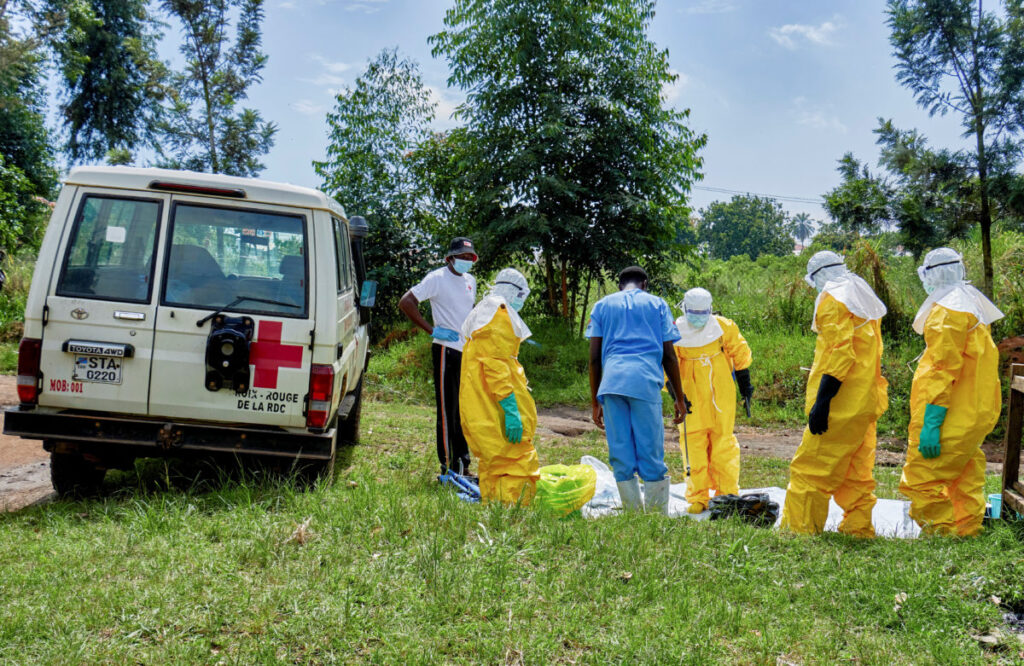
Ituri & North Kivu, DR Congo — As health authorities continue efforts to contain the Ebola outbreak in eastern Democratic Republic of Congo, residents in the heavily affected provinces of Ituri and North Kivu say the crisis is being compounded not only by delayed response systems, but also by the rapid spread of misinformation and growing public complacency toward preventive health measures.


Across several communities, local concerns increasingly point to a dangerous combination of fear, confusion, and distrust that is undermining containment efforts at a critical stage of the outbreak. While medical teams continue surveillance, treatment, and awareness campaigns, many residents report that false information circulating within communities has weakened public cooperation and contributed to resistance toward health guidelines. Health workers operating in outbreak zones say misinformation surrounding Ebola symptoms, treatment procedures, vaccines, and prevention measures remains one of the most persistent barriers to effective response. Rumours shared through informal networks, local conversations, and digital platforms have in some cases fueled suspicion toward healthcare workers and reinforced misconceptions about how the virus spreads.


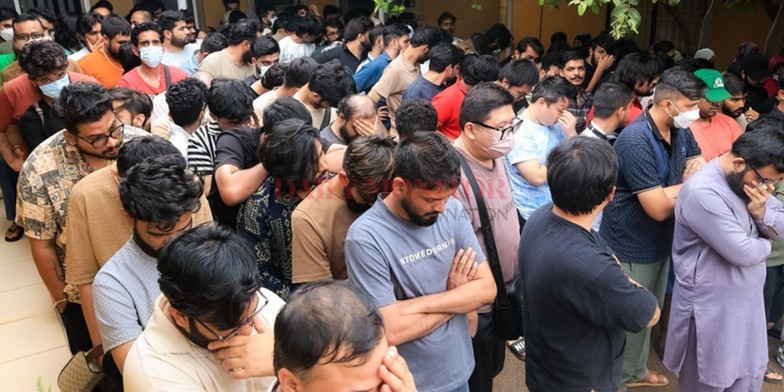
In parallel, community leaders and residents report declining adherence to basic preventive practices, including consistent use of face masks and avoidance of high-risk contact. In crowded markets, transport hubs, and public gathering spaces, enforcement of precautionary measures appears increasingly inconsistent as sections of the population grow fatigued by prolonged health restrictions and recurring outbreaks. The situation reflects a broader challenge confronting many fragile health systems globally: epidemic management depends not only on medical infrastructure, but also on sustained public trust and behavioural cooperation. In regions where communities already face insecurity, poverty, displacement, and weak access to healthcare, maintaining confidence in official health messaging becomes significantly more difficult.


Eastern DR Congo has for years remained vulnerable to overlapping humanitarian crises, including armed conflict, population displacement, food insecurity, and limited public infrastructure. These pressures have contributed to deep institutional mistrust in some communities, creating fertile ground for misinformation during health emergencies. The public fatigue is becoming an increasingly important dimension of outbreak management. After repeated exposure to epidemics, conflict, and emergency interventions, sections of the population may begin normalising risk or disengaging from prevention campaigns altogether. In such environments, compliance with public health measures often weakens over time, especially where daily survival pressures take precedence over long-term health concerns.


The challenge is particularly complex in densely populated and economically vulnerable communities where informal economic activity dominates everyday life. For many residents, avoiding crowded spaces or limiting physical interaction is often impractical due to dependence on local markets, transport systems, and face-to-face trade for income generation. At the same time, inconsistent messaging from different actors can further erode public confidence. Health communication specialists have repeatedly emphasized that outbreak response strategies must prioritize clarity, cultural sensitivity, and community engagement rather than relying solely on top-down directives. Where communication gaps persist, misinformation frequently fills the vacuum.


The concerns emerging from Ituri and North Kivu also highlight the growing influence of digital misinformation during public health crises across Africa. False claims regarding disease origins, vaccines, or treatment protocols can spread rapidly through social media and local communication networks, often outpacing verified information from official institutions. Public health experts argue that combating misinformation now requires approaches extending beyond traditional awareness campaigns. Greater investment is increasingly needed in local-language communication, grassroots engagement, trusted community ambassadors, and partnerships with religious and civic leaders capable of influencing public behaviour at community level.


Importantly, the Ebola outbreak is unfolding within a region already experiencing security instability, making response coordination even more difficult. Humanitarian workers and medical teams often operate under constrained conditions, balancing disease containment with logistical challenges and safety concerns. The evolving situation in eastern DR Congo therefore serves as a reminder that epidemic response is ultimately as much a social challenge as it is a medical one. Vaccines, treatment centres, and surveillance systems remain essential, but their effectiveness depends heavily on whether communities trust institutions enough to participate fully in prevention efforts.


As authorities continue containment operations, the immediate priority extends beyond reducing infection rates alone. Restoring public confidence, countering misinformation, and rebuilding cooperation between communities and health institutions may prove equally decisive in preventing the outbreak from deepening further. In fragile environments where uncertainty already shapes daily life, public trust becomes one of the most valuable and vulnerable tools in managing any health emergency.


Kampala, Uganda — The Saturday security operation at the Nakasero residence of former Speaker of the Uganda Parliament Anita Annet Among marks more than a high-profile corruption investigation. It reflects a convergence of political tension, institutional pressure, anti-corruption rhetoric, and internal power recalibration within Uganda’s ruling establishment at a particularly sensitive moment in the country’s political transition.


The joint operation, reportedly led by the Criminal Investigations Directorate (CID) with support from the Uganda People’s Defence Forces (UPDF) and other state agencies, comes amid escalating scrutiny surrounding Among’s wealth, political influence, and role within the increasingly contested landscape of the ruling National Resistance Movement (NRM). Investigators are said to be examining allegations linked to illicit enrichment, money laundering, and undeclared assets claims the former Speaker has consistently denied. While authorities have not issued a comprehensive official statement by the time of this reporting, the symbolism surrounding the operation was unmistakable. Security deployments at the residence of one of Uganda’s most influential political figures immediately has intensified public debate over whether the developments represent a genuine anti-corruption push, a strategic political repositioning ahead of parliamentary speakership battles, or a combination of both.


The timing of the raid is particularly significant.

Uganda’s political environment is entering a delicate phase as internal alignments within the ruling party increasingly shape succession conversations, parliamentary leadership contests, and broader influence within state institutions. The ongoing speakership dynamics in the 12th Parliament is already exposing divisions among political actors competing for strategic control of Parliament an institution that remains central not only to legislation, but also to national budgeting, political patronage, and state influence.


The investigation into Among is unfolding alongside growing public statements by Chief of Defence Forces Gen. Muhoozi Kainerugaba, whose recent anti-corruption messaging has generated intense national discussion. His remarks condemning “thieves” within public office and calling for accountability have been interpreted by some analysts as signalling a harder institutional posture toward corruption allegations among senior officials. At the same time, the developments also expose a wider tension confronting many African political systems: the increasingly difficult balance between anti-corruption enforcement and perceptions of selective accountability. Across the continent, corruption investigations involving senior political figures often generate dual interpretations. On one hand, they are welcomed by citizens frustrated by widening inequality, rising public debt, and recurring reports of misuse of public resources. On the other hand, they frequently raise questions over institutional consistency, timing, and whether investigations are insulated from political competition.


In Uganda’s case, public frustration around governance and public expenditure has intensified in recent years amid broader economic pressures affecting households, youth employment, and service delivery. The visibility of luxury lifestyles among senior officials has increasingly become politically sensitive in a country where many citizens continue navigating high living costs and economic uncertainty. The scrutiny surrounding Among therefore extends beyond legal allegations alone. It intersects with deeper public concerns about wealth accumulation within political office, transparency in public leadership, and the broader question of accountability within state institutions.


The matter also carries international dimensions. Among has previously faced sanctions from Western governments over corruption-related allegations, particularly from the United Kingdom and the United States, although she has repeatedly rejected wrongdoing. Such external actions elevated her profile internationally and placed Uganda’s governance debates under greater global attention. Now, with domestic investigations intensifying, the situation risks evolving into a broader test of institutional credibility. If investigations proceed transparently and within established legal frameworks, authorities may seek to frame the process as evidence of strengthening accountability mechanisms regardless of political status. However, if the process is perceived as politically selective or procedurally inconsistent, it could deepen skepticism around the impartiality of state institutions.


The involvement of military-linked security agencies in the operation has also drawn attention. In many emerging democracies, the visible intersection between security structures and political disputes often fuels public debate about the boundaries between law enforcement, political management, and state power. Uganda has historically maintained a highly securitized political environment, particularly during periods of heightened political contestation. Equally notable is the growing connection between digital political mobilisation and elite political rivalries. The reported arrest of Masaka City Woman MP Justine Nameere Nsubuga following online exchanges linked to the controversy reflects how social media platforms are increasingly becoming extensions of political confrontation within Uganda’s evolving information ecosystem.


Yet beneath the immediate headlines lie a broader institutional question: whether Uganda’s governance systems are entering a phase of deeper internal reform or simply experiencing another cycle of elite political reconfiguration. For many citizens, the answer will depend less on public statements and more on consistency. Ugandans have witnessed corruption investigations before, but public confidence often hinges on whether accountability processes extend beyond political expediency and whether institutions demonstrate equal application of scrutiny across the political spectrum.


As investigations continue, the raid on Anita Among’s residence is likely to remain politically consequential not only because of the individual involved, but because of what it may reveal about the future direction of power, governance, and institutional accountability within Uganda’s evolving political order. In that sense, the developments in Nakasero are no longer simply about one politician. They have become part of a larger national conversation about authority, public trust, and the credibility of governance in an increasingly scrutinized political era.

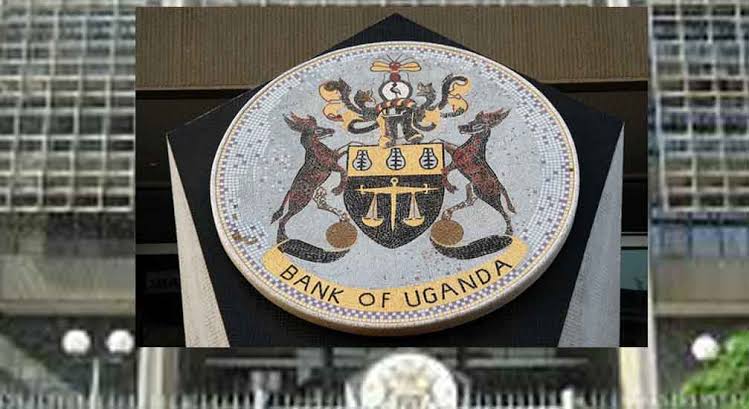
Kampala, Uganda — The recent break-in at the headquarters of the Bank of Uganda has reignited national debate over institutional security, financial governance, and the growing sophistication of criminal networks targeting strategic public institutions in Uganda.  In a public statement issued on May 4, the central bank confirmed that unknown individuals unlawfully accessed its headquarters along Kampala Road during the night and stole seven laptop computers. Although the institution assured the public that its core operations remained unaffected, the incident has generated widespread concern due to both the symbolic and strategic significance of the country’s apex financial institution.


The theft itself may appear limited in material value compared to conventional financial robberies. Yet analysts argue that the implications extend far beyond the loss of physical devices. In an era where information has become one of the most valuable assets in governance and finance, the removal of laptops from a highly secured central bank immediately raises critical questions about cybersecurity, internal safeguards, and institutional vulnerability. The incident has since triggered an expansive multi-agency security operation across Kampala. Authorities raided several commercial arcades, including Mutaasa Kafeero Plaza, City House, and Kalungi Plaza, recovering electronic devices and arresting more than twenty suspects believed to be connected to criminal syndicates operating within the city.


Police later confirmed the arrest of two key suspects identified as Micheal Boaz Kule, 19, and Ramadhan Kabulye, also known as Rhama. According to Police spokesperson Rusoke Kituuma, intelligence-led operations led to the recovery of two of the stolen laptops, while investigations into the whereabouts of the remaining devices continue. While the arrests mark progress in the investigation, they have not fully addressed broader public concerns surrounding how intruders managed to breach one of Uganda’s most heavily monitored financial institutions. The Bank of Uganda sits within a highly secured section of central Kampala, surrounded by financial institutions, surveillance infrastructure, and state security presence, making the intrusion particularly alarming.


Security experts and governance observers say the circumstances surrounding the break-in point to deeper systemic concerns that cannot be ignored. Questions continue to emerge regarding whether the operation was a case of ordinary theft, insider facilitation, coordinated criminal intelligence, or an attempt to access sensitive institutional data. The theft also arrives against the backdrop of previous financial controversies involving Uganda’s financial systems. In late 2024 and early 2025, the country witnessed investigations into the unauthorized diversion of approximately Shs60 billion from government-linked financial channels, leading to multiple arrests within the Ministry of Finance and renewed scrutiny over internal oversight mechanisms.


That scandal exposed long-standing weaknesses in Uganda’s financial management systems, particularly around digital controls, payment authorization structures, and accountability procedures. The recurrence of security-related incidents connected to sensitive financial institutions has intensified calls for structural reform rather than reactive crisis management. Across Africa, central banks and treasury institutions are increasingly becoming targets of both physical and cyber-enabled threats as governments digitize financial systems. Countries such as Kenya and Ghana have invested heavily in integrated digital oversight systems designed to minimize human interference, improve transaction transparency, and strengthen institutional monitoring. Governance analysts argue that Uganda faces growing pressure to accelerate similar reforms.


The latest breach also unfolds within a politically sensitive climate, At the time of the incident, public discourse had already intensified around the controversial Sovereignty Bill recently passed by Parliament, following comments made by Michael Atingi-Ego The Governor Bank of Uganda regarding the implications of policy stability, governance confidence, and investor perception. The coincidence of these developments has inevitably amplified public speculation and political scrutiny surrounding institutional preparedness and national stability. Importantly, however, investigators have not presented evidence linking the break-in to political activity, state actors, or the Sovereignty Bill debate. Authorities continue to treat the matter primarily as a criminal investigation. Still, the symbolism remains significant. Public confidence in financial institutions is built not only on monetary stability but also on perceptions of competence, resilience, and security. Any breach physical or digital within a central bank inevitably attracts heightened national and international attention because such institutions serve as custodians of economic trust.


For Uganda, the incident presents an opportunity for broader reflection on institutional modernization. Beyond arrests and recoveries, experts say the country must strengthen access-control systems, upgrade cybersecurity infrastructure, expand independent auditing mechanisms, and reinforce internal accountability frameworks within sensitive public institutions. The challenge facing Uganda is therefore larger than recovering stolen laptops. It is about reinforcing confidence in the institutions that underpin national economic stability. As investigations continue, many Ugandans will be watching closely not only to see who carried out the break-in, but whether the episode becomes another passing controversy or a catalyst for meaningful reform in public sector security and governance.

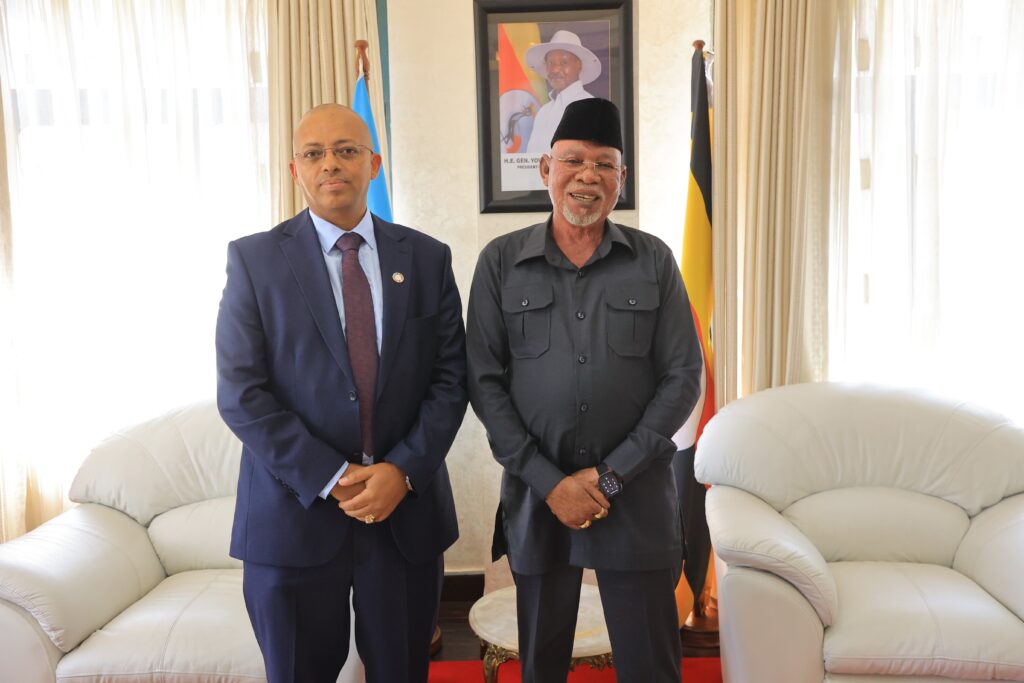
Kampala, Uganda — In a diplomatic engagement underscoring the centrality of agriculture to Uganda’s development agenda, Hon. Gen. Odongo Jeje Abubakhar today received Letters of Credence from Ezana Getahun Kassa, the newly appointed representative of the Food and Agriculture Organization of the United Nations, during a formal ceremony marked by cordial exchange and renewed commitment to sustainable development cooperation.The presentation of credentials signified the formal commencement of Mr. Kassa’s diplomatic mandate in Uganda, reinforcing longstanding collaboration between the Government of Uganda and FAO in advancing agricultural transformation, food security, and rural development.


Welcoming the newly accredited envoy, Hon. Odongo Jeje reaffirmed that agriculture remains the backbone of Uganda’s economy, sustaining the livelihoods of the majority of the population and anchoring national development priorities. He observed that while Uganda continues to pursue modernization of its agricultural systems, equal attention must be given to preserving indigenous knowledge systems that have historically supported resilience in rural communities. The Minister emphasized that agricultural transformation must be approached as a balanced process one that integrates innovation with cultural and social realities. He noted that climate change has intensified the urgency for adaptive strategies, particularly in relation to unpredictable rainfall patterns, land use pressures, and food production systems.


In his remarks, Hon. Odongo Jeje highlighted the importance of emerging agricultural technologies, including biotechnology and genetically modified organisms (GMOs), while underscoring that their adoption must be guided by careful assessment of Uganda’s socio-economic conditions and cultural context. He reiterated that national policy remains anchored in safeguarding both productivity and identity, stating that development must not come at the expense of heritage. Uganda’s geographical advantage, particularly its equatorial climate, was also highlighted as a strategic asset for agricultural productivity. The Minister noted that the country’s favorable climatic conditions allow for year-round cultivation, offering significant potential for both domestic food security and export-oriented agricultural growth. However, he cautioned that increasing climate variability continues to present challenges that require coordinated, multi-sectoral responses. He further emphasized Government’s commitment to strengthening institutional collaboration across ministries and development partners to ensure a coherent approach to agricultural transformation. According to the Minister, sustainable progress in the sector depends on aligning policy, research, and implementation frameworks under a unified national vision.


In his response, Mr. Ezana Getahun Kassa expressed appreciation for the warm reception extended to him and reaffirmed FAO’s commitment to supporting Uganda’s agricultural development priorities. He commended Uganda’s natural endowment and agricultural potential, describing the country as a strategic partner in advancing regional and global food security objectives. Mr. Kassa further observed that agriculture inherently intersects with multiple sectors, including environment, trade, health, and infrastructure, and therefore requires broad-based institutional engagement. He requested facilitation to engage with relevant Government entities beyond the Ministry responsible for agriculture, in order to support a more integrated approach to programme implementation.


In response, Hon. Odongo Jeje welcomed the proposal, affirming Uganda’s openness to coordinated and structured collaboration through established diplomatic and institutional channels. He underscored the importance of maintaining coherence in external engagements to ensure alignment with national priorities and development frameworks. The discussion also reflected shared concern over global food systems, climate resilience, and the need for strengthened technical cooperation. Both parties acknowledged that sustainable agricultural development is increasingly linked to broader issues such as environmental sustainability, population growth, and global supply chain stability.


The meeting concluded on a note of mutual commitment to deepen cooperation between Uganda and FAO, with a focus on enhancing technical support, promoting innovation, and advancing inclusive agricultural development. Both sides expressed confidence that strengthened collaboration will contribute meaningfully to improving food security and livelihoods across Uganda. As Uganda continues to position agriculture at the centre of its economic transformation agenda, partnerships with international organizations such as FAO remain critical. The engagement reaffirmed a shared understanding that sustainable agricultural progress requires not only investment and technology, but also respect for local context, institutional coordination, and long-term strategic alignment.


Kampala, Uganda — Uganda’s security agencies have disrupted what authorities describe as a sophisticated transnational criminal network, following an intelligence-led operation that uncovered links between drug trafficking, identity fraud, and impersonation of state authority. The operation, coordinated under the oversight of the Ministry of Internal Affairs, resulted in multiple arrests, seizure of weapons, and recovery of forged official documents.


At the centre of the investigation is Mugisha Keith King, a resident of Kira Municipality and proprietor of the Keith King Group of Companies entities authorities believe largely functioned as shell structures to facilitate illicit activities. Security officials describe him as a repeat offender with a documented history of international drug trafficking. In 2010, he was arrested at Jomo Kenyatta International Airport in possession of cocaine reportedly trafficked from Brazil, for which he served a 12-year custodial sentence in Kenya.


According to investigators, the suspect maintained multiple identities, holding passports from several jurisdictions, including Seychelles, Eswatini, Belgium, the United Kingdom, and Brazil. He is also reported to have possessed national identification documents from both Kenya and Nigeria. Authorities further allege that he used forged credentials to impersonate an official attached to the Office of the President, raising concerns about vulnerabilities in document verification systems. Security agencies indicate that the network’s methods extended beyond documentation fraud. Mugisha is accused of adopting elaborate impersonation tactics, including the use of luxury vehicles fitted with unauthorized sirens and the wearing of military-style uniforms to project legitimacy and evade scrutiny. At his residence, signage reportedly identified the premises as an “Ambassador’s Residence,” suggesting deliberate attempts to exploit diplomatic symbolism for operational cover.


Investigations also point to collaboration with foreign nationals, particularly from Nigeria. Two individuals Ikemefuna Testimony Udo and Ikemefuna Annointing are currently in custody and assisting with inquiries. Authorities allege that another associate, Ms. Ikemefuna Winner Chekwubechukwu, fraudulently obtained Ugandan identification documents and is currently at large, with indications she may be in Brazil. Search operations conducted at multiple locations yielded a range of items now considered critical evidence. These include firearms a gun and pistol alongside live ammunition. Security personnel also recovered a cache of forged documents, including passports, identity cards, and counterfeit headed papers purportedly from the President’s Office. In addition, military-style equipment such as jackets, tactical vests, headgear, walkie-talkies, and a satellite communication device were seized.


Officials say the breadth of recovered materials underscores the organised nature of the network and its capacity to operate across borders. A comprehensive review of the immigration status of all foreign associates linked to the case is currently underway, with authorities working to determine the full scope of the network’s regional and international connections. The operation reflects a broader shift toward intelligence-driven security interventions in Uganda, where agencies are increasingly targeting complex criminal enterprises that exploit global mobility and digital systems. Analysts note that such networks often blur the lines between organised crime and identity-based fraud, making coordinated responses essential.


In a statement issued by the Ministry, spokesperson Simon Peter Mundeyi reiterated the government’s zero-tolerance stance on drug trafficking and the misuse of state symbols, including military attire and official insignia. He emphasized that such acts not only undermine public trust but also pose risks to national security. Authorities have called on the public to remain vigilant, particularly regarding individuals who unlawfully use sirens, wear military-style clothing, or present themselves as state officials without clear identification. Citizens are also encouraged to report suspected drug-related activities through established police communication channels. While investigations continue, the case has reignited discussion around document security, cross-border crime, and the need for stronger verification systems within both public and private institutions. It also highlights the importance of regional cooperation, as many of the elements uncovered including multiple passports and international movements fall beyond the jurisdiction of any single country.


For Uganda, the dismantling of this network represents both an operational success and a reminder of the evolving nature of organised crime. As authorities deepen investigations and pursue remaining suspects, attention will likely turn to strengthening safeguards that prevent similar networks from taking root. In an increasingly interconnected world, the challenge for security agencies is not only to respond to crime, but to anticipate it. This latest operation suggests that, at least in this instance, intelligence and coordination have delivered a decisive outcome.

Kampala, Uganda — In fast-growing cities, infrastructure rarely fails all at once. It fades—quietly at first—until the moment it becomes impossible to ignore. The pedestrian footbridge that once spanned Queensway Kampala, linking Katwe to Nsambya, is a case in point. Brought down on 13 May 2018 after being declared structurally unsafe, it had served the public for over two decades. Its removal was justified on safety grounds. Its replacement, however, remains unseen years later. At the time, Kampala Capital City Authority assured the public that a new structure would be installed “as soon as possible.” In the interim, a zebra crossing was announced to be designated to facilitate pedestrian movement, accompanied by guidance under the Traffic and Road Safety Act requiring motorists to slow down. On paper, this was a reasonable contingency. In practice, it has proven insufficient.


Queensway remains one of the city’s busy corridors, carrying a mix of private vehicles, commercial traffic, and public transport. The communities of Katwe, Makindye and Nsambya are densely populated, with residents crossing daily for work, school, trade, and access to services. A painted crossing, however visible, cannot replicate the safety of grade-separated infrastructure in such an environment. The result is a daily negotiation between pedestrians and traffic one where risk is normalized. The persistence of this gap raises a broader question: how should cities manage essential infrastructure when removal becomes necessary? Kampala is not alone in facing such dilemmas, across rapidly urbanizing regions, authorities are often forced to balance immediate safety concerns with long-term planning constraints. Yet what distinguishes resilient cities is not the absence of failure, but the presence of continuity. When infrastructure is removed, alternatives temporary or permanent are expected to follow within a clear, communicated timeline.


In Katwe, that continuity has been less visible, as residents and commuters now ask whether the city was prepared to dismantle aging infrastructure without first securing viable replacements. The concern extends beyond this single location. Other pedestrian crossings, including those in high-traffic areas such as Nakawa, have also shown signs of wear. The question being posed is both practical and urgent: are we waiting for structures to fail before acting, or planning proactively to prevent disruption? Urban mobility cannot function effectively in a cycle of reaction.


A city’s transport system is an ecosystem, roads, crossings, sidewalks, and public transit networks are interdependent. When one element is removed without adequate substitution, pressure shifts to others often in ways that compromise safety. In this case, the burden has shifted to pedestrians, who must navigate high-speed traffic with limited protection. There is also a governance dimension to consider. Infrastructure projects require not only technical design but also budgeting, procurement, and coordination across agencies. Delays can stem from legitimate constraints funding cycles, competing priorities, or regulatory processes. However, the absence of consistent public updates risks eroding trust. When commitments are made without visible follow-through, even well-intentioned decisions come under scrutiny.


What, then, can be done?

  • First, transparency must become standard practice, if timelines for reconstruction have shifted, authorities should communicate the reasons clearly, alongside revised plans. Public understanding does not eliminate frustration, but it can mitigate uncertainty.
  • Second, interim solutions should match the scale of the challenge. In high-traffic corridors like Queensway, temporary pedestrian infrastructure such as signalized crossings, traffic calming measures, or modular footbridges could provide safer alternatives while permanent structures are developed.
  • Third, maintenance and audit systems need strengthening. Regular structural assessments of existing footbridges can identify risks early, allowing for phased rehabilitation rather than abrupt closure. This approach reduces disruption and enables better resource planning.


Finally, urban planning must anticipate growth rather than respond to it. Kampala’s expansion is not a future projection; it is a present reality. Infrastructure strategies must therefore align with projected population increases, traffic volumes, and land-use patterns. The story of the Katwe–Nsambya footbridge is not merely about a missing structure. It reflects a broader tension between urgency and preparedness in urban governance. Cities evolve, and with them, the demands placed on infrastructure. The challenge is to ensure that adaptation is deliberate rather than reactive. For the thousands who cross Queensway each day, the issue is immediate and tangible. It is about safety, time, and dignity in movement. Whether Kampala can address such gaps decisively will shape not only mobility outcomes, but also public confidence in the systems designed to support a growing city.


Kampala, Uganda — Uganda’s immigration authorities have intensified enforcement operations, arresting 62 Nigerian nationals in Adjumani District for allegedly working without valid permits. The operation, conducted by the Directorate of Citizenship and Immigration Control, followed a public tip-off and forms part of a broader national effort to address irregular migration and unauthorized economic activity. “Following a tip-off, our enforcement team has arrested 62 Nigerian nationals operating illegally in Adjumani (without work permits),” the agency confirmed. Authorities say the group had been operating a church and engaging in additional activities outside the scope of legal authorization. The suspects are currently undergoing processing under Uganda’s immigration laws, with outcomes expected to include fines, deportation, or prosecution depending on individual case assessments.


The Adjumani arrests come shortly after a separate intelligence-led operation in Kampala, where Ugandan authorities began deporting 169 foreign nationals arrested in the Bukoto–Ntinda area. According to officials at the Ministry of Internal Affairs Uganda, the group comprising nationals from Asia and Africa was found working on visitor visas, in violation of immigration regulations. Deportations began on 1 May 2026 and are being conducted in phases due to flight constraints. Assistant Commissioner Robert Kahwa Kato noted that each individual was fined approximately $400 and required to cover their return travel costs. Authorities also recovered computers and digital equipment allegedly used in illicit online activities, including cyber fraud and unauthorized gaming operations.


Uganda’s actions are grounded in the Uganda Citizenship and Immigration Control Act, which regulates entry, residence, and employment of foreign nationals. Under the Act, it is an offence for any non-citizen to engage in employment without a valid work permit. Violations may result in fines, imprisonment, or deportation.

Specifically, the law provides that: A foreign national must obtain appropriate authorization before engaging in any form of employment or business activity.

  • Immigration officers are empowered to arrest, detain, and remove individuals found in breach of these provisions.
  • Deportation orders may be issued where continued presence is deemed contrary to national interest or public order.

Regionally and globally, Uganda’s enforcement aligns with established legal norms. The International Organization for Migration recognizes the sovereign right of states to regulate migration within their borders, provided actions respect human rights and due process. Similarly, frameworks such as the African Union Migration Policy Framework encourage member states to balance enforcement with protection, particularly in cases involving vulnerable populations. At the global level, instruments like the International Convention on the Protection of the Rights of All Migrant Workers and Members of Their Families emphasize that while states may enforce immigration laws, migrants regardless of status retain fundamental rights, including access to fair legal processes and humane treatment.


Uganda’s recent operations reflect a broader pattern across Africa, where governments are tightening immigration controls amid concerns over illegal employment, tax evasion, and transnational crime. In countries such as Ghana, South Africa, and Kenya, similar crackdowns have targeted unauthorized workers and undocumented migrants, often linked to informal sector activity or digital fraud networks. Globally, the scale of migration underscores the complexity of enforcement. According to the United Nations, there are over 280 million international migrants worldwide, with a significant proportion engaged in informal or irregular employment. The International Labour Organization estimates that migrant workers constitute nearly 5% of the global labor force, highlighting both their economic contribution and the regulatory challenges they present. In Africa, migration remains largely intra-continental, driven by economic opportunity, conflict, and regional integration. While free movement protocols exist in some regions, enforcement at national level often reflects domestic priorities, particularly where local employment and revenue concerns are at stake.


Uganda’s recent actions raise important policy considerations, on one hand, enforcement is necessary to uphold the rule of law, protect labor markets, and safeguard public revenue. Officials argue that unauthorized employment deprives the state of non-tax income generated through work permits and may expose citizens to unfair competition. On the other hand, such operations carry diplomatic and humanitarian implications. The arrest of foreign nationals particularly in large numbers requires careful handling to maintain bilateral relations and ensure compliance with international standards. Analysts note that the most effective immigration systems combine enforcement with clear, accessible legal pathways for work authorization. Simplifying permit processes, enhancing public awareness, and strengthening inter-agency coordination can reduce violations while supporting legitimate economic activity.


The cases in Adjumani and Kampala illustrate both the scale and complexity of migration governance in a globalized economy. As Uganda continues to position itself as an investment and trade hub in East Africa, the integrity of its immigration system will remain central to that ambition. For authorities, the task is to sustain enforcement while ensuring transparency, fairness, and consistency. For migrants, the message is equally clear: compliance with host country laws is not optional, but foundational to lawful participation in the economy. In an interconnected world, migration will continue to test the balance between sovereignty and openness. Uganda’s current trajectory suggests a firm stance on legality one that mirrors a wider global shift toward stricter, but increasingly scrutinized, immigration control.

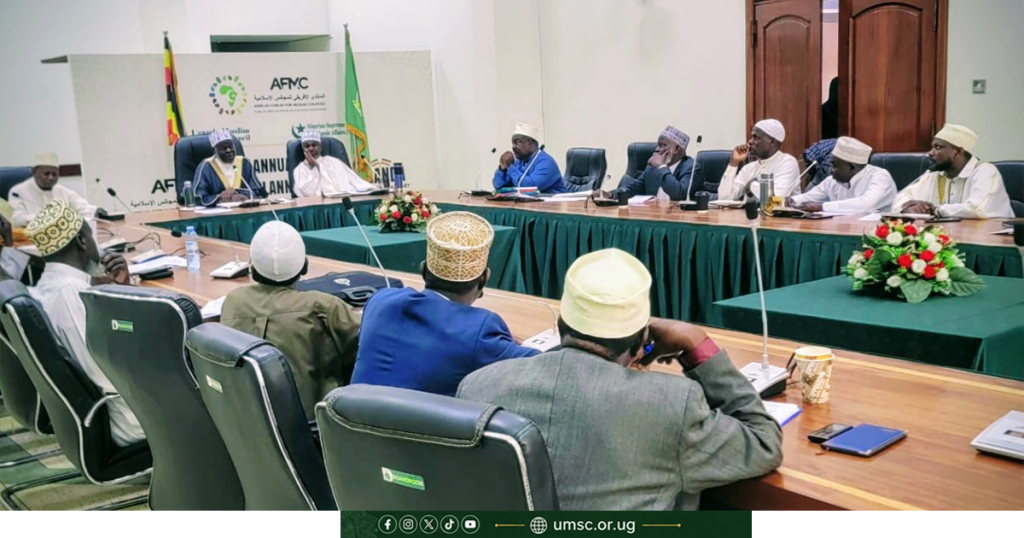
Old Kampala, Uganda — The Uganda Muslim Supreme Council (UMSC) has taken decisive administrative and policy steps following a Joint Session that brought together its Executive Committee and the Majlis Al-Ulaam, setting the stage for governance reforms and institutional continuity ahead of the forthcoming General Assembly. The high-level meeting, held on Sunday, May 3, 2026, at the UMSC Headquarters in Old Kampala, resolved to fill critical vacancies, approve strategic transfers within the religious administrative structure, and define priority agenda items for deliberation at the next sitting of the General Assembly the Council’s supreme legislative organ.


At the core of the Joint Session’s resolutions was the imperative to ensure continuity in leadership and operational efficiency. The session formally acknowledged the cessation of membership of Hon. Hussein Lukyamuzi from the Executive Committee due to prolonged absence since 2022, in accordance with governance expectations on participation and accountability. To address existing gaps, the session approved key appointments within the Majlis Al-Ulaam. Isa Twahir Walugumba was appointed to succeed the late Sheikh Hussein Walugumba as a representative of Busoga, while Saad Habib Kaweesi was appointed to replace the late Sheikh Twaha Tamale as Kampala’s representative. These appointments reflect a structured approach to leadership succession, ensuring that regional representation within the Council remains intact while preserving institutional memory.


Beyond leadership replacements, the Joint Session approved a series of transfers affecting Regional Assistants to the Mufti (RAMs) and District Kadhis. The reassignments, both across Muslim regions and within districts, are designed to enhance service delivery, improve administrative coordination, and respond to evolving community needs. In policy terms, such transfers signal a shift toward a more dynamic and responsive governance model within UMSC one that prioritizes efficiency, equity in service provision, and optimal utilization of human capital across regions. Importantly, the session also resolved to mandate the Mufti to appoint qualified Sheikhs to serve as Kadhis in districts where such capacity is lacking. This decision, grounded in the provisions of the UMSC Constitution, addresses long-standing gaps in judicial and religious leadership at the grassroots level.


The resolutions of the Joint Session are anchored in the broader framework of the UMSC Constitution, reinforcing the Council’s commitment to rule-based governance. By adhering to constitutional provisions in appointments and administrative restructuring, UMSC strengthens institutional legitimacy while minimizing governance disputes. The decisions are, however, subject to ratification by the General Assembly an inclusive body representing Muslim communities across all ten regions of Uganda. This layered approval process reflects a governance model that balances executive efficiency with representative oversight.


The session was chaired by Hon. Haj Muzamir Abon, Deputy National Chairperson, who represented the National Chairperson, Muhammad Lubega Kisambira. The Chairperson was reportedly engaged in attending to a family medical emergency. Also in attendance were senior religious and administrative leaders, including His Eminence Shaban Ramadhan Mubaje, the Mufti of Uganda; His Eminence Muhammad Ali Waiswa; and His Eminence Hafiz Muhammad Harunah Bukenya, alongside the Secretary General, Abbas Muluubya Ssekyanzi, and other key officials. Their presence underscored the institutional weight of the meeting and the importance attached to the resolutions passed.


The outcomes of the Joint Session carry broader implications for religious governance and institutional management within Uganda. By prioritizing structured appointments, strategic transfers, and constitutional compliance, UMSC is reinforcing a governance culture that aligns with modern organizational standards while remaining rooted in faith-based leadership principles. Such reforms are particularly significant in a context where religious institutions play a central role in community cohesion, social service delivery, and moral guidance. Strengthened administrative systems within UMSC can therefore translate into more effective engagement with Muslim communities nationwide.


Attention now shifts to the upcoming General Assembly, where these resolutions will be presented for ratification. The Assembly is expected to deliberate on governance reforms, administrative restructuring, and broader policy directions aimed at strengthening the Council’s institutional capacity. As UMSC advances toward this critical meeting, the Joint Session’s decisions provide a clear indication of its strategic priorities: continuity, accountability, and service delivery. In a rapidly evolving socio-religious landscape, such policy-driven approaches may prove essential in ensuring that the Council remains responsive, representative, and resilient.

Mubende, Uganda — In development discourse, electricity is often framed as a catalyst for progress powering hospitals, sustaining enterprise, and reinforcing public trust in state institutions. Yet in parts of Uganda today, its absence is producing the opposite effect. In towns like Mubende, prolonged power outages are converging with rising insecurity, exposing vulnerabilities that extend beyond infrastructure into the realm of governance and public confidence. A recent visit to Mubende, a municipality strategically positioned along trade routes linking central and western Uganda, revealed a pattern residents describe with quiet resignation: “If it is not darkness, it is theft.” The phrase captures more than frustration. It reflects a lived reality where essential systems appear to be faltering in tandem.


Electricity supply in the area has become increasingly erratic following the transition from Umeme Limited to Uganda Electricity Distribution Company Limited (UEDCL). While the shift was intended to strengthen national control and improve service delivery, many residents report a sharp decline in reliability. In some instances, power is available for only a few hours within a 24-hour period; in others, entire days pass with little to no supply. For small businesses welders, traders, internet cafés, and informal manufacturers this is not merely an inconvenience. It disrupts livelihoods, reduces productivity, and erodes already narrow profit margins. In an economy where micro and small enterprises form the backbone of local resilience, such disruptions carry long-term consequences.


The implications are even more pronounced in critical public services. Mubende hosts a regional referral hospital serving a wide population catchment. Facilities of this nature depend on stable electricity for surgical procedures, diagnostic equipment, neonatal care, and vaccine storage. Global health authorities, including the World Health Organization, have consistently warned that unreliable power in medical settings can directly compromise patient outcomes. Where backup generators exist, they offer only a partial solution; where they do not, improvisation becomes an uneasy substitute for system reliability.


Yet the absence of light has also created conditions for another pressing concern: insecurity.

Residents increasingly point to a rise in theft, particularly involving motorcycles and vehicles. In Uganda, motorcycles commonly used as commercial taxis are both an economic lifeline and a frequent target for organized theft. During this visit, the theft of a motorcycle belonging to a local resident triggered a rapid, community-led response. Within hours, citizens mobilized to track suspects, and by the following day, several individuals had been apprehended. While this demonstrates a strong sense of civic vigilance, it also raises difficult questions. If communities can identify suspects with relative speed, why do such networks continue to operate?


Conversations with residents and local actors suggest that certain locations informally known as “Ku Ki Solar” and “Kataka” are widely associated with the movement or dismantling of stolen property. These areas are not remote; they exist within close proximity to administrative and security centers. Such dynamics point to a deeper governance paradox. When communities perceive that criminal actors are known yet remain active, confidence in institutions begins to erode. Over time, this erosion risks undermining cooperation between citizens and law enforcement cooperation that is essential for effective policing.


It is important, however, to situate these concerns within broader structural realities. Security personnel in many developing contexts operate under significant constraints, including limited resources, logistical challenges, and staffing shortages. These factors complicate efforts to maintain consistent, proactive presence on the ground. Nonetheless, the convergence of unreliable electricity, economic strain, and rising crime creates a reinforcing cycle. Businesses close earlier in the absence of power. Public spaces grow darker and less active. Reduced visibility and mobility create opportunities for illicit activity. The result is a gradual contraction of both economic and social life after dusk.


The implications extend beyond Mubende itself. Uganda has long positioned itself as a stable and attractive destination for investment in East Africa. Secondary towns like Mubende play a critical role in this vision, linking rural production zones to national markets and supporting decentralized growth. When such towns experience persistent instability whether infrastructural or security-related the effects ripple outward, influencing investor confidence, employment patterns, and migration trends. Addressing these challenges requires a coordinated and transparent response. Authorities responsible for energy oversight must provide clear communication regarding power distribution, including timelines for infrastructure improvements and mechanisms for managing outages. Equally, security agencies may need to strengthen intelligence-led operations and deepen collaboration with communities to address perceptions of impunity. There are precedents across the continent and globally where such integrated approaches have yielded measurable improvements in both service delivery and public safety. The key lies in aligning institutional capacity with community trust.


Ultimately, the situation in Mubende is not solely about electricity or crime. It reflects a broader question facing many developing regions: whether the promise of development often articulated in policy frameworks and international forums translates into tangible improvements in everyday life. For residents, expectations remain modest but fundamental: reliable power, secure neighborhoods, and institutions that respond effectively to emerging challenges. Meeting these expectations is not only a matter of service delivery; it is central to sustaining public confidence and long-term stability. If left unaddressed, the issues unfolding in Mubende risk becoming more than a localized concern. They may serve as an early signal of wider systemic pressures one that policymakers would do well to heed, both within Uganda and across similarly positioned economies.

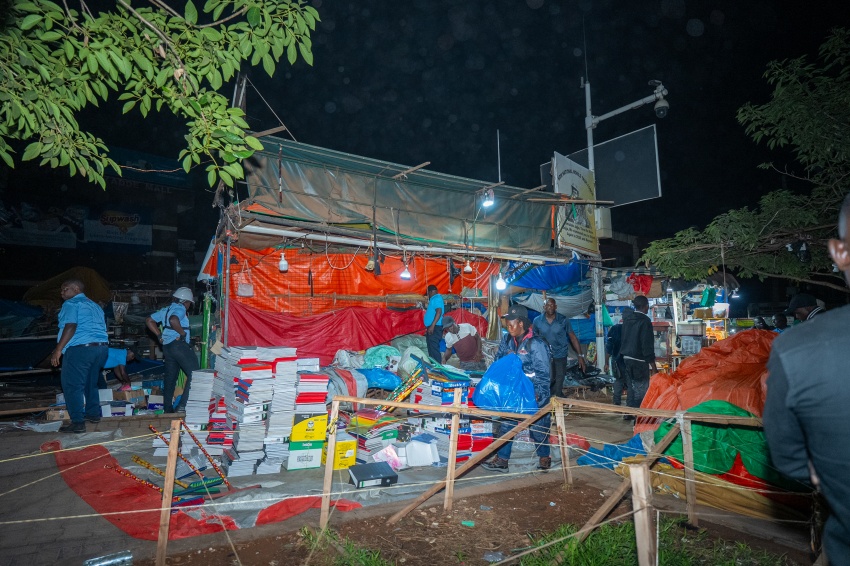
Kampala, Uganda — Uganda’s renewed push to enforce urban trade order has reignited a long-standing policy debate: how to balance the need for structured, competitive cities with the realities of informal livelihoods that sustain millions. Recent operations led by the Kampala Capital City Authority (KCCA), and replicated across municipalities nationwide, have cleared roadside vendors and informal operators from city streets often abruptly, and in some cases with reported loss of goods.


The directive, initially rolled out in Kampala and later extended to other districts, was briefly halted by the Ministry of Local Government over procedural concerns. Yet before tensions could fully subside, authorities announced a resumption of enforcement. The policy intent is clear: restore order, improve mobility, and align Uganda’s urban centres with the standards of competitive emerging economies. The question, however, is whether the country is sufficiently prepared for such a transition and whether the sequencing of enforcement matches the broader development context.

There is little dispute that organized cities are essential for economic growth. Congested streets, unregulated trade, and encroachment on road reserves and wetlands undermine infrastructure, deter investment, and strain public services. In that sense, the government’s direction reflects a legitimate ambition: to transform Uganda’s towns into efficient, investor-friendly spaces. Yet policy coherence remains a central concern. For years, informal trade has not only been visible but tacitly accommodated. In some instances, operators working in road reserves or drainage corridors held trading licenses issued by local authorities. This creates a contradiction: how does a system first permit, or at least tolerate, irregular activity, only to later enforce its removal without structured transition mechanisms?

The cost of this inconsistency is borne primarily by small-scale traders many of whom operate with limited capital and rely on daily income. Sudden evictions, particularly where alternative spaces are not ready or accessible, risk deepening urban vulnerability. While enforcement may restore order physically, it can also disrupt economic stability socially. Comparative experiences from other developing cities offer instructive lessons. In Kigali, often cited for its urban cleanliness and order, authorities combined strict enforcement with early investment in designated markets and continuous public engagement. Informal traders were gradually relocated into structured trading zones, supported by regulatory clarity and consistent messaging.

Similarly, Nairobi has pursued a mixed approach, where periodic crackdowns on street vending are paired though not always seamlessly with efforts to formalize small businesses through market infrastructure and licensing reforms. While challenges persist, the policy direction acknowledges that enforcement alone cannot resolve informality without parallel inclusion strategies. Further afield, Addis Ababa has invested in integrated urban development plans that incorporate informal trade into city design, recognizing its role in employment creation while gradually transitioning operators into formal systems. These examples underscore a common principle: successful urban order is rarely achieved through enforcement in isolation. It requires sequencing first establishing viable alternatives, then enforcing compliance. It also requires consistency in governance, ensuring that licensing, zoning, and infrastructure development align with enforcement actions.

In Uganda’s case, critics argue that this sequencing has been uneven. Questions persist over why construction in wetlands and road reserves has historically been allowed or inadequately regulated, only to later become the focus of enforcement. Addressing such structural gaps is essential, not only for fairness but for long-term credibility of urban policy. At the same time, it is important to recognize the government’s broader objective. Uganda is positioning itself within a competitive regional and global economic landscape. Well-planned cities, efficient transport systems, and regulated commercial environments are increasingly seen as prerequisites for attracting investment and supporting industrial growth. Without order, these ambitions risk being undermined.

The challenge, therefore, is not whether enforcement should happen but how it is implemented. A more balanced approach would integrate enforcement with support systems: expanding affordable market spaces, improving access to microfinance, offering business formalization pathways, and strengthening communication between authorities and traders. Equally critical is institutional coordination. Local governments, urban authorities, and central ministries must operate within a unified framework that minimizes policy reversals and builds public trust. Abrupt halts and resumptions of enforcement, as seen in recent weeks, risk sending mixed signals that can complicate compliance and planning.

Ultimately, Uganda’s urban transition reflects a broader development dilemma faced by many emerging economies: how to modernize without marginalizing. The aspiration for orderly cities is both legitimate and necessary. But its success will depend on whether reform is inclusive, predictable, and anchored in long-term planning rather than reactive measures. As enforcement resumes, the path forward may lie in bridging policy intent with practical readiness ensuring that the pursuit of order does not come at the expense of livelihoods, and that the evolution of Uganda’s cities reflects both structure and opportunity.