KAMPALA, Uganda — The missing in the swearing-in of several ministerial appointees has reignited national debate over citizenship, constitutional eligibility, and the legal thresholds required for occupying high public office in Uganda. As President Yoweri Kaguta Museveni prepares to oversee the inauguration of members of the new Cabinet, uncertainty has emerged around the status of four ministerial nominees whose citizenship records have attracted scrutiny from government agencies and Parliament.
The development follows correspondence from the Ministry of Internal Affairs to Parliament’s Appointments Committee confirming that some nominees were holders of dual or multiple citizenships at the time of their vetting. The issue has since evolved into a broader legal and constitutional discussion regarding whether initiating the renunciation of foreign citizenship satisfies Uganda’s legal requirements or whether the process must be fully completed before assuming ministerial office.
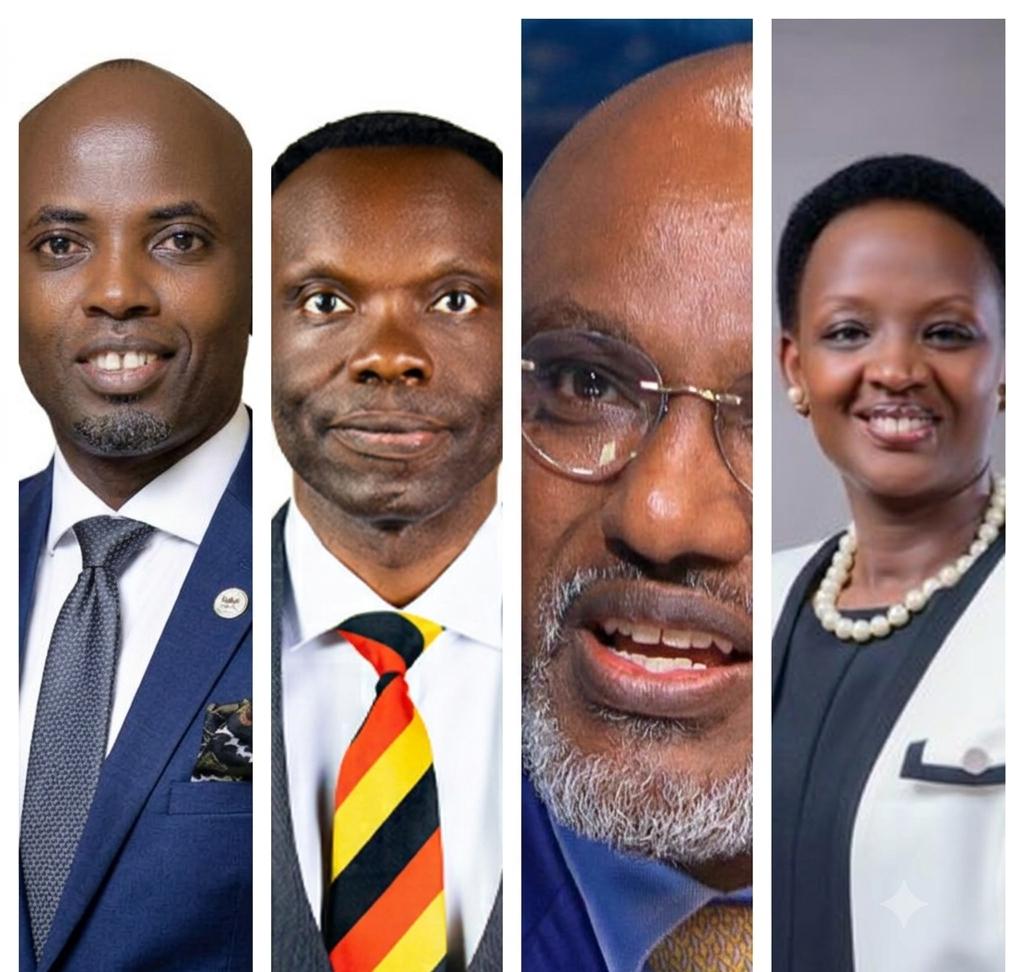
At the center of the debate are Ambassador Adonia Ayebare, Minister-designate for Foreign Affairs; Calvin Echodu, Minister of State-designate for Foreign Affairs (International Affairs); Shartsi Kutesa Musherure, Minister of State-designate for Microfinance; and Dr. Lawrence Muganga, Minister of State-designate for Internal Affairs. While Parliament approved some of the nominees after reviewing documentation indicating that renunciation processes had been initiated or completed, questions remain regarding the exact point at which such renunciations become legally effective under Ugandan law.
Constitutional Integrity Versus Administrative Reality
The controversy highlights a recurring challenge faced by many countries in an increasingly interconnected world: balancing constitutional safeguards with the realities of global citizenship. Uganda’s Constitution and the Citizenship and Immigration Control Act impose restrictions on holders of dual citizenship seeking to occupy certain sensitive public offices. The rationale behind such provisions is rooted in questions of national allegiance, state security, and public confidence in governance institutions.
Supporters of strict enforcement argue that constitutional provisions must be applied consistently regardless of an individual’s professional achievements or public standing. They contend that adherence to the law is essential for preserving the integrity of public institutions and maintaining confidence in constitutional governance. Others, however, argue that the matter should be approached with legal pragmatism, particularly in a global era where many highly skilled Ugandans acquire foreign citizenship while studying, working, or serving abroad before eventually returning to contribute to national development. The debate therefore extends beyond individual appointments and raises broader questions about how Uganda can attract global talent while maintaining constitutional safeguards.
Parliament’s Oversight Role Under the Spotlight
The issue has also brought renewed attention to Parliament’s appointments process and its role in safeguarding constitutional compliance. During the vetting exercise, legislators sought clarification from the Ministry of Internal Affairs regarding the citizenship status of nominees. The resulting verification process demonstrated the importance of institutional checks and balances within Uganda’s governance framework. Observers note that regardless of the eventual outcome, the scrutiny reflects a functioning oversight system in which executive appointments are subjected to legal and constitutional review before assuming office. The case of Dr. Lawrence Muganga has generated particular interest after reports indicated that Parliament’s Appointments Committee did not approve his nomination pending further clarification regarding citizenship matters. The matter has reportedly been referred back to the appointing authority for further consideration.
Questions surrounding dual citizenship and eligibility for senior public office are not unique to Uganda. Across Africa and beyond, governments continue to grapple with how best to integrate diaspora expertise while safeguarding national constitutional requirements. Countries including Kenya, Ghana, Nigeria, and South Africa have, at various times, faced similar debates concerning dual nationality and public office eligibility. The discussions often reflect broader tensions between globalization and national sovereignty, particularly as governments increasingly seek to leverage the expertise of citizens with international experience. For Uganda, the conversation arrives at a time when the country is actively pursuing economic transformation, investment promotion, and stronger international engagement. The ability to attract highly qualified professionals from the diaspora remains an important component of that vision.
As government lawyers review the matter, attention now turns to the interpretation of the law and whether the initiation of renunciation procedures satisfies constitutional requirements or whether final confirmation from foreign jurisdictions must first be obtained. The outcome could establish an important precedent for future appointments and provide greater clarity regarding how dual citizenship provisions are implemented in practice. Beyond the immediate political implications, the debate underscores a fundamental principle of democratic governance: that public office is not only a matter of appointment, but also of legal eligibility and public trust. As Uganda navigates this constitutional question, this matters serves as a reminder that strong institutions depend not merely on personalities, but on clear laws, transparent processes, and consistent application of constitutional standards. Whether the affected nominees ultimately take the oath of office immediately or after further legal clearance, the discussion has already contributed to a wider national conversation about citizenship, governance, and the evolving relationship between the state and its global diaspora.