ROME — Global hunger levels have shown modest improvement, but the recovery remains fragile and deeply unequal, with Africa emerging as the region facing the greatest food security challenges, according to the State of Food Security and Nutrition in the World (SOFI) 2026 report. SOFI 2026 report highlights fragile progress as millions remain unable to access adequate and nutritious food
The latest report estimates that approximately 645 million people worldwide experienced hunger in 2025, representing a reduction of nearly 14 million people compared to 2024 and about 43 million fewer than in 2022. While the decline signals progress in global efforts to address food insecurity, the report cautions that improvements remain insufficient, unevenly distributed, and vulnerable to economic, climatic, and geopolitical pressures. The findings present a complex picture of global food systems: while some regions have strengthened their recovery, millions of people continue to face barriers to accessing sufficient and nutritious food.
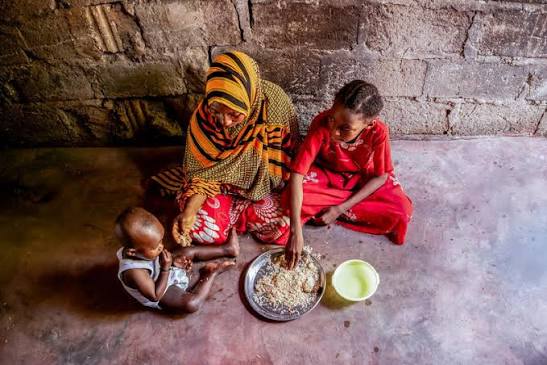
Africa remains the region with the highest number of hungry people in absolute terms, with approximately 309 million people affected by hunger. The report highlights that rapid population growth, climate-related shocks, economic vulnerabilities, conflict, and limited access to affordable nutritious diets continue to place significant pressure on food systems across the continent. For many African countries, food insecurity is not only a humanitarian concern but also a development and governance challenge. Persistent hunger affects productivity, education outcomes, public health, and economic transformation, making food security a central component of sustainable development strategies. The continent’s challenges are compounded by increasing climate variability, including droughts, floods, and changing agricultural conditions that directly affect millions of smallholder farmers who form the backbone of Africa’s food production systems.
While Africa continues to experience significant challenges, other regions have recorded more consistent improvements. Asia and Latin America and the Caribbean have made notable progress in reducing hunger levels in recent years, supported by policy interventions, improved agricultural systems, social protection programmes, and stronger food supply chains. However, the report emphasizes that global progress remains vulnerable. Economic instability, inflation, conflicts, and climate-related disruptions continue to threaten gains made in reducing hunger. The decline in global hunger figures therefore represents an important achievement, but not yet a decisive turning point in the fight against food insecurity.
Beyond hunger, the report highlights another major global concern: affordability and access to nutritious food. An estimated 2.7 billion people approximately one-third of humanity cannot afford a healthy diet. This challenge demonstrates that food security is not only about the availability of calories but also about ensuring access to diverse, nutritious, and culturally appropriate foods. For developing economies, particularly in Africa, improving food security requires a broader approach that includes strengthening agricultural value chains, expanding investment in rural communities, improving market access, reducing post-harvest losses, and supporting innovation in sustainable agriculture.
The findings come at a time when African governments and regional institutions are increasingly prioritising agricultural transformation as a pathway toward economic resilience and food sovereignty. The continent’s growing population presents both a challenge and an opportunity. With strategic investment in technology, irrigation, research, youth participation in agriculture, and regional trade, Africa has significant potential to increase food production and reduce dependence on external food supplies.Food security also remains closely connected to peace, stability, and diplomacy. Cross-border cooperation, humanitarian partnerships, and regional integration will continue to play a critical role in addressing food insecurity, particularly in areas affected by conflict and displacement.
The SOFI 2026 report reinforces the need for renewed global action to accelerate progress toward ending hunger and malnutrition. While the reduction in global hunger provides evidence that interventions can work, the scale of remaining challenges requires sustained commitment from governments, international organisations, private sector actors, and communities. For Africa, the message is clear: addressing hunger requires moving beyond emergency responses toward long-term investments that strengthen food systems, empower farmers, and build resilience against future shocks. As the world continues to pursue the Sustainable Development Goals, the fight against hunger remains one of the defining tests of international cooperation and human solidarity.