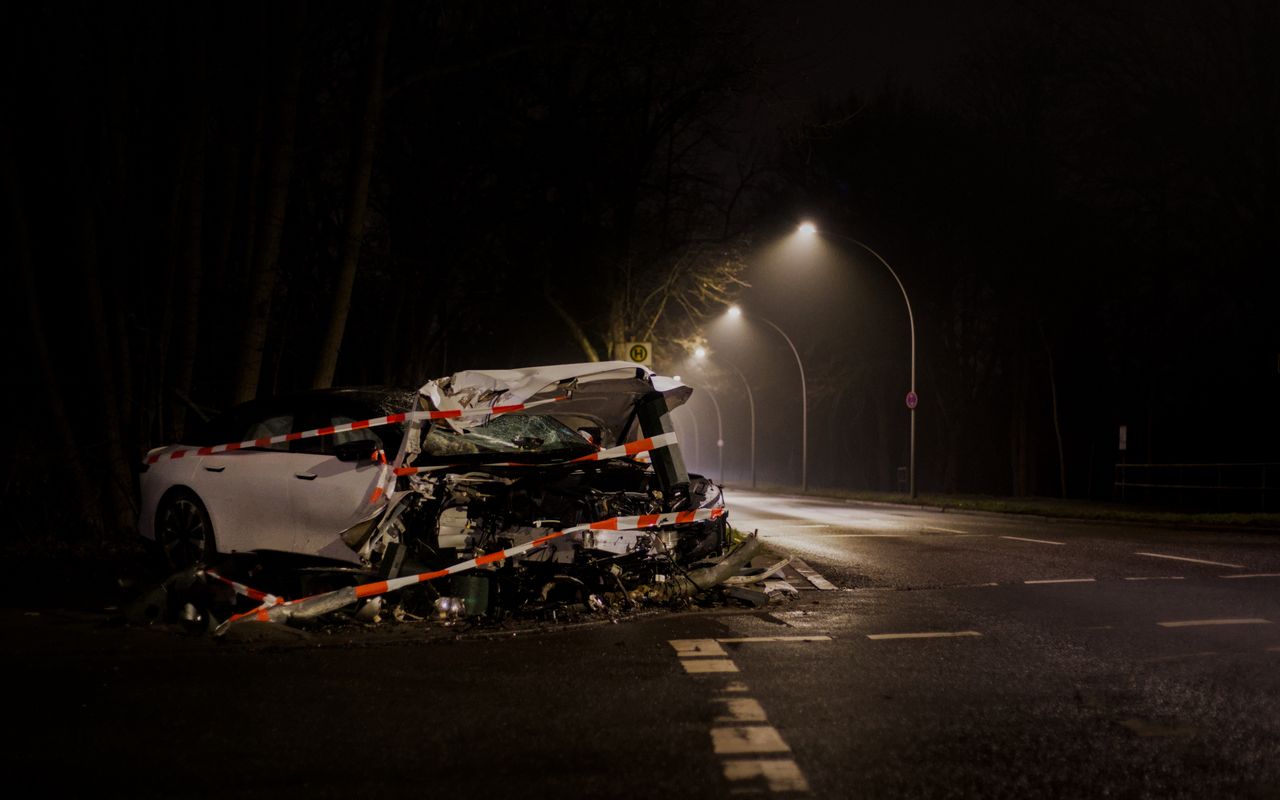
Kayunga, Uganda – 27 September 2026 — Two people have been killed and nine others injured following a road crash along the Kayunga–Jinja road, once again drawing attention to the human cost of road traffic crashes in Uganda and the wider road-safety challenge facing Africa.
The crash occurred at Seeta Nyize in Kangulumira Town Council, Kayunga District, when a Toyota Hiace taxi, registration number UAW 058J, reportedly collided with the rear of a Tata lorry, registration number UBR 835Y. According to Ssezibwa Region Police spokesperson SP Hellen Butoto, both vehicles were travelling from Kayunga towards Jinja when the collision occurred.
Two occupants Martin Mubiru and Fred Wanguwu, both residents of Nazigo in Kayunga District died in the crash. Nine people were injured, including Reagan Genga, Moses Kiiza, Jackson Ojambo, David Ibeli, Rukia Amoit, Manjeri Erumbi, Julius Kasubi and an unidentified baby, according to police information cited in the incident report.
The injured were taken to Kangulumira Health Centre IV, while one critically injured victim was transferred to Kayunga Regional Referral Hospital for further treatment. Police said the driver of the Toyota Hiace was among those killed, while the driver of the Tata lorry reportedly fled the scene and is being sought. The two vehicles were towed to Kangulumira Police Station for inspection as investigations continue.
Uganda’s Road Safety Challenge
The Kayunga crash is one incident within a much larger national road-safety challenge. According to the Uganda Police Force Annual Crime Report 2024, Uganda recorded 25,107 road traffic crashes in 2024, up from 23,608 in 2023—an increase of 6.4 percent. Of the crashes recorded in 2024, 4,434 were classified as fatal, 13,134 as serious and 7,539 as minor. Fatal crashes alone increased by 6.1 percent, from 4,179 in 2023 to 4,434 in 2024.
The figures show that Uganda’s road-safety challenge is not limited to isolated high-profile crashes. The number of reported crashes has been increasing, with the Police data showing a continuing burden of fatal and serious collisions.Uganda Police has previously noted that the burden of road traffic deaths falls heavily on pedestrians, boda boda riders and passengers, highlighting the particular vulnerability of people who have less physical protection in road crashes.
The issue extends well beyond Uganda, the World Health Organization estimates that approximately 1.19 million people die globally every year from road traffic crashes. Road traffic injuries are also identified as the leading cause of death among children and young people aged 5–29 years. More than half of road traffic fatalities globally occur among pedestrians, cyclists and motorcyclists.
The burden is particularly significant in low- and middle-income countries, where road users can face a combination of rapidly expanding vehicle fleets, vulnerable road users, infrastructure constraints and limited emergency-response capacity. WHO’s 2023 Global Status Report on Road Safety therefore places road safety within a broader public-health and development agenda.
For Uganda, WHO’s country data recorded a road traffic mortality rate of 16 deaths per 100,000 population in 2021, although WHO cautions that country-level mortality estimates have limitations where vital registration systems are incomplete.
The Kayunga incident also illustrates why road safety must be understood as more than a policing issue. A serious road crash affects families, health facilities, businesses, transport operators and local economies. A single collision can result in loss of household income, medical costs, permanent disability and long-term social consequences. This makes road safety relevant to Uganda’s wider development agenda, including public health, transport planning, urbanisation, emergency services, enforcement and economic productivity. For rapidly growing district centres and transport corridors such as Kayunga–Jinja, the challenge is particularly important as commercial activity and passenger movement increase.
Police investigations into the Kayunga crash will be expected to establish the circumstances surrounding the collision, including the factors that contributed to the vehicles colliding. The immediate priority remains supporting the injured, assisting affected families and establishing the facts. The broader lesson, however, is equally important: every road death represents more than a statistic.
Uganda’s official data show that thousands of road crashes are recorded every year, while the WHO’s global evidence demonstrates that road traffic injuries remain a major preventable cause of death among young people. Improving road safety therefore requires a shared effort involving drivers, passengers, pedestrians, transport operators, enforcement agencies, road authorities, health services and communities.
The objective is not simply to respond after a crash. It is to build a transport system in which reaching one’s destination does not carry an unacceptable risk to life. From Kayunga to the wider African road network, road safety is ultimately a question of protecting people and protecting the continent’s human capital.