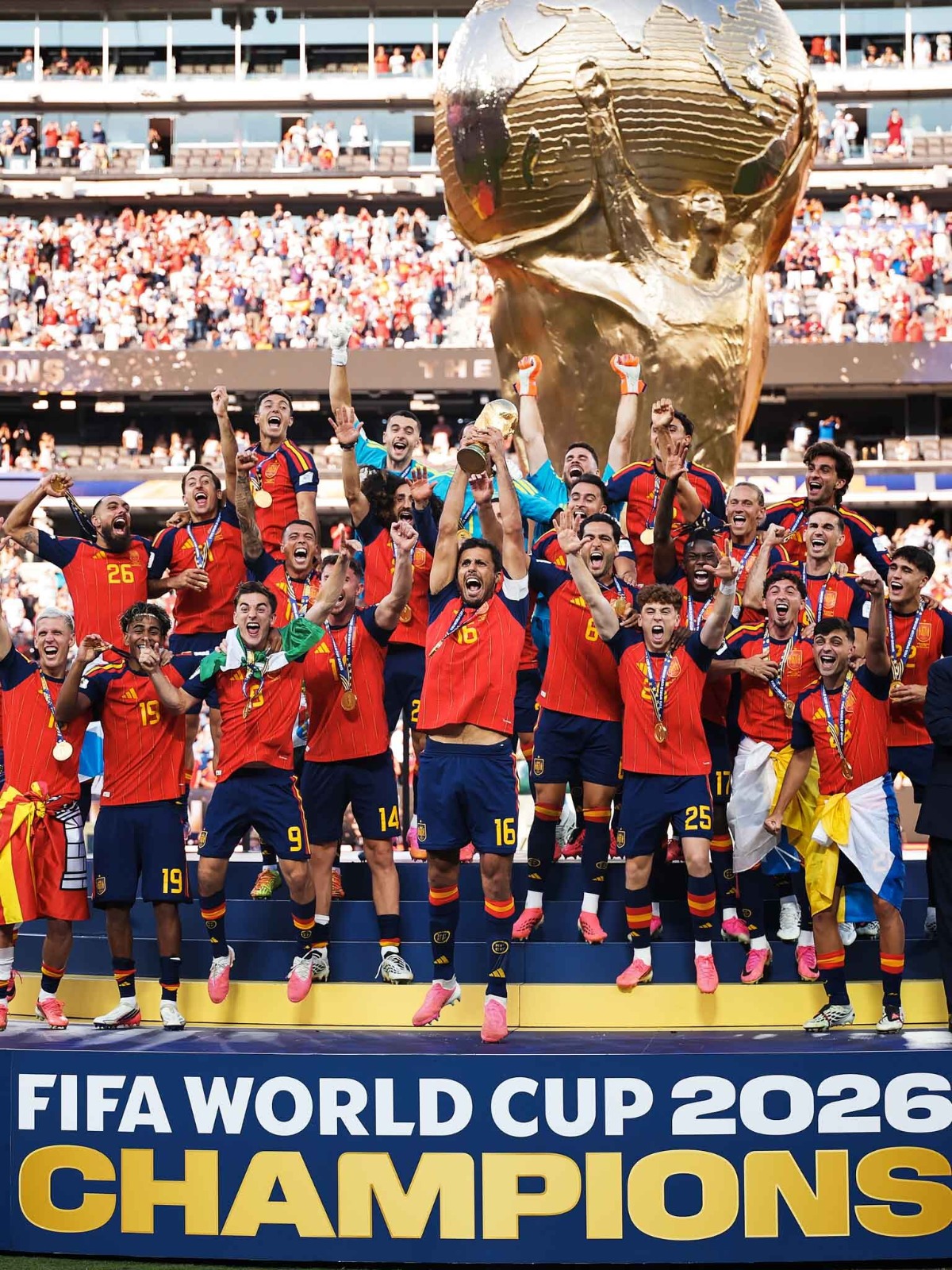
Kampala– The final whistle of the FIFA World Cup 2026 brought to a close one of the most watched sporting events in history. Spain’s hard-fought 1–0 victory over Argentina after extra time secured the country’s second FIFA World Cup title, capping a tournament remembered for tactical brilliance, emerging talent and unforgettable moments of football excellence.
Yet, beyond the celebrations in Madrid and the heartbreak in Buenos Aires, the tournament leaves behind questions that extend far beyond the football pitch. It reignited global debates about refereeing consistency, the application of the Video Assistant Referee (VAR), perceptions of competitive fairness, and the place of public confidence in international sport.
For many observers, the 2026 World Cup was not merely about who lifted the trophy. It became a test of how football’s governing institutions preserve credibility in an era where every decision is replayed, scrutinised and debated by billions in real time.
History will record Spain as worthy champions, throughout the tournament, the Spanish side demonstrated tactical discipline, defensive organisation and remarkable resilience against some of the world’s strongest football nations. Their victory over Argentina was not easily earned. It was the culmination of consistency, strategic planning and execution under immense pressure.
Those who followed the competition closely witnessed a team that adapted to different opponents while maintaining its football identity. The decisive goal in extra time reflected patience rather than fortune. Regardless of debates surrounding officiating during the tournament, Spain’s achievement deserves recognition on its own sporting merits.
However, the tournament also illustrated that technology alone cannot eliminate controversy. When FIFA introduced the Video Assistant Referee system, many believed it would significantly reduce human error and restore confidence in refereeing decisions. Instead, the 2026 World Cup demonstrated that technology remains dependent on human interpretation.
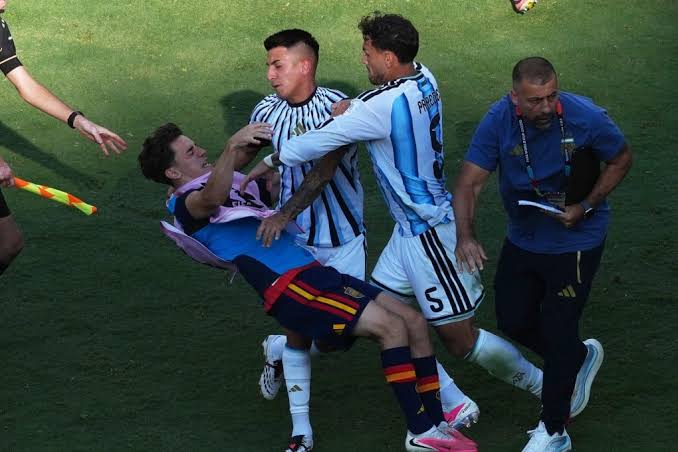
Several contentious decisions involving penalties, red cards, offside rulings and disciplinary sanctions generated heated debate among supporters, football analysts and former players. In numerous instances, the central question was no longer whether VAR existed, but how consistently it was being applied. Public confidence in officiating depends not only on correct decisions but also on the perception that identical situations receive identical treatment regardless of the teams or players involved.
Among the most widely discussed narratives throughout the tournament were allegations from some players, commentators and supporters that certain high-profile teams and star players appeared to receive more favourable treatment than others. Particular attention focused on Argentina captain Lionel Messi, with some critics alleging that several officiating decisions benefited the defending champions during key stages of the competition.
It is important to note that such claims remain matters of public debate rather than established fact. FIFA has consistently maintained that refereeing decisions are taken independently and in accordance with the Laws of the Game. Nevertheless, perception plays a powerful role in international sport, even where decisions are technically correct, inconsistent communication and differing interpretations can erode trust among fans and participating nations. In global tournaments, maintaining confidence is almost as important as maintaining fairness itself.
Perhaps nowhere were these conversations more pronounced than across Africa. Supporters from several African countries expressed disappointment over decisions affecting their national teams, with some arguing that the continent’s representatives were subjected to inconsistent officiating.
Whether these perceptions reflect systemic shortcomings or isolated incidents remains open to debate. What is beyond dispute, however, is that African football continues to grow in quality and ambition. The continent is investing unprecedented resources in youth academies, coaching education, sports science, stadium infrastructure and domestic league development.
Governments increasingly recognise football as more than recreation, it has become an instrument of national branding, economic development, youth employment and public diplomacy. A successful national football team projects confidence internationally in much the same way as effective diplomacy, cultural exports or economic performance.
The World Cup demonstrated once again that football is one of the world’s most influential diplomatic platforms. Every match becomes an opportunity for nations to showcase discipline, identity, culture and resilience before billions of viewers.
Respectful defeats can equally enhance international reputation through displays of professionalism, sportsmanship and unity. African governments have increasingly integrated sport into broader national development strategies.
Investment in football infrastructure is no longer viewed solely as expenditure on entertainment. It is increasingly recognised as investment in tourism, national image, international partnerships and social cohesion. Countries such as Morocco have demonstrated how sustained investment can transform global perceptions of African football. The 2026 tournament reinforced the message that African nations are no longer satisfied with participation alone.
For FIFA, preserving confidence remains paramount, every World Cup carries enormous symbolic significance beyond commercial success. Billions of viewers expect the competition to represent excellence, neutrality and fairness. When officiating decisions become the dominant post-match conversation, attention shifts away from the extraordinary performances of players and teams.
The continued refinement of VAR protocols, greater transparency in refereeing decisions and enhanced communication with supporters could help strengthen public trust in future tournaments. International football’s credibility ultimately depends not only on impartiality but also on being widely perceived as impartial.
As preparations begin for the next World Cup cycle, lessons from 2026 will undoubtedly influence discussions across football federations worldwide. African nations are expected to continue expanding investment in elite coaching, grassroots football, women’s football, sports medicine and modern training facilities. The gap between traditional football powers and emerging nations continues to narrow. Future tournaments may therefore become even more competitive.
If the 2026 World Cup demonstrated anything, it is that success in modern football is built not only on talent but also on long-term planning, institutional investment and confidence in the integrity of competition.
- Spain leaves the tournament as deserved world champions.
- Argentina departs with pride after another remarkable campaign.
- Africa leaves with renewed determination to return stronger.
For world football, however, the tournament also leaves an enduring reminder: the beauty of the game depends not only on spectacular goals and unforgettable finals, but on preserving the trust that every nation, every player and every supporter competes on a level playing field. That remains the greatest victory football can achieve.