SIRONKO, Uganda — A thanksgiving ceremony marking the successful completion of the 2025 Hajj pilgrimage evolved into a broader conversation on national cohesion, youth empowerment, environmental responsibility and inclusive development as Muslim leaders, government representatives and members of the Inter-Religious Council of Uganda convened in Sironko District. Religious leaders highlight faith, economic transformation, environmental stewardship and interfaith cooperation as pillars of sustainable national development
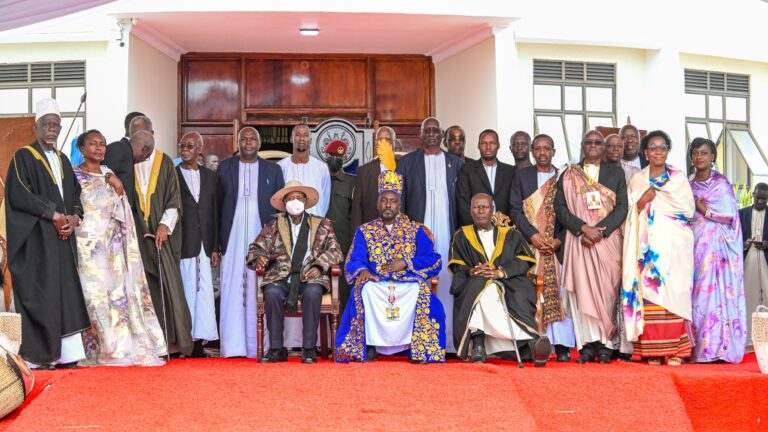
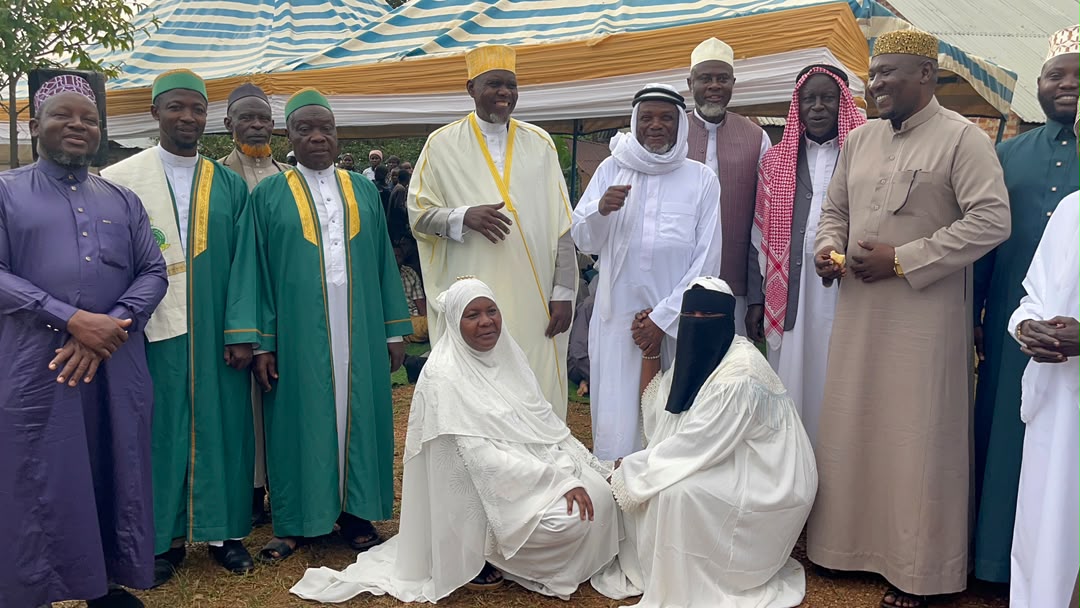
The Shukru ceremony, held in honour of Hajj Sulaiman Wabusimba and Hajjat Halima Nakabugo following their return from the holy pilgrimage to Makkah, underscored how faith-based gatherings continue to serve as important platforms for advancing community dialogue and social transformation beyond their spiritual significance. The event brought together religious leaders from different faith traditions, local community members and representatives of the Uganda Muslim Supreme Council (UMSC), reinforcing the role of interfaith collaboration in strengthening social cohesion and national development.
Representing the Mufti of Uganda, Dr. Sheikh Shaban Ramadhan Mubaje, the Regional Assistant to the Mufti for Eastern Uganda, Sheikh Ahmad Hamid Wandega, commended the Uganda Muslim Supreme Council for the institutional progress achieved under the Mufti’s leadership. He observed that the Council continues to strengthen Muslim institutions while promoting peaceful coexistence through its active engagement with the Inter-Religious Council of Uganda, an umbrella platform established to foster cooperation among Uganda’s diverse religious communities.
Delivering the Mufti’s message, Sheikh Wandega emphasized that unity remains indispensable for sustainable socio-economic transformation. He urged Muslims across Sironko District and the wider Bugisu sub-region to consolidate their efforts towards community development, noting that collective action provides a stronger foundation for improving livelihoods and reducing poverty.
Drawing attention to practical approaches to household economic resilience, he cited the Wabusimba family’s four-acre integrated farming model as an example of how productive land utilisation can enhance food security, generate income and strengthen family livelihoods. “The strength of a community is reflected not only in its faith but also in its ability to work together towards shared prosperity,” he said.
Sheikh Wandega further encouraged Muslim families to embrace government development programmes designed to improve household incomes, create employment opportunities and support entrepreneurship, particularly among young people. He noted that religious institutions have an important role in complementing national development initiatives by encouraging self-reliance, responsible stewardship of resources and community participation. His remarks reflected a growing recognition that faith institutions across Africa are increasingly contributing to broader socio-economic development alongside their traditional spiritual responsibilities.
Environmental stewardship emerged as another key theme during the gathering, Welcoming the Government’s recently launched National Cleaning Day initiative, Sheikh Wandega reminded worshippers that cleanliness occupies a central place within Islamic teachings. He encouraged Muslims to actively participate in community sanitation campaigns, maintain clean places of worship and promote healthy living practices within their neighbourhoods. His appeal echoed the Islamic principle that cleanliness forms an essential component of faith while also supporting national public health objectives.
Speaking on behalf of the Wabusimba family, Amiri Wabusimba expressed gratitude to the Mufti of Uganda and the leadership of the Uganda Muslim Supreme Council for their continued efforts in strengthening Muslim communities throughout the country. He appealed for expanded outreach of UMSC programmes to grassroots communities, particularly in rural areas where access to educational, economic and social opportunities remains limited.
He further called for increased investment in Muslim youth through education, vocational skills development, entrepreneurship support and employment initiatives. “We must ensure that young people are equipped with the knowledge, skills and opportunities necessary to contribute meaningfully to Uganda’s development,” he said. Amiri also encouraged sustained engagement between religious institutions and government agencies to ensure that Muslim youth remain active participants in the country’s national development agenda.
Addressing broader governance issues, Amiri appealed for timely administration of justice, particularly for young people experiencing prolonged detention while awaiting the conclusion of legal proceedings. He emphasized that efficient judicial processes remain essential for protecting constitutional rights, strengthening public confidence in institutions and ensuring equal access to justice under the rule of law. His remarks reflected wider conversations across Uganda concerning judicial efficiency and the importance of safeguarding due process within democratic governance.
The Secretary for Hajj and Umrah at the Uganda Muslim Supreme Council, Sheikh Ali Juma Shiwuyo, reminded Muslims of the importance of observing the Five Pillars of Islam. He encouraged families to support one another in fulfilling the obligation of Hajj whenever financially and physically able, describing the pilgrimage as one of the defining spiritual milestones in a Muslim’s life. He commended Hajj Sulaiman Wabusimba and Hajjat Halima Nakabugo for demonstrating family commitment to faith and encouraged other Muslims to prepare both spiritually and financially for the sacred journey.
Expressing appreciation during the celebration, Hajj Sulaiman Wabusimba thanked Allah for granting him the opportunity to perform Hajj and conveyed gratitude to the Mufti of Uganda, Dr. Sheikh Shaban Ramadhan Mubaje, the Uganda Muslim Supreme Council and the Government of Uganda for facilitating the country’s 2025 pilgrimage programme. Reflecting on the experience, he described Hajj as a transformative spiritual journey that strengthens personal faith while inspiring believers to return home with renewed commitment to serving their communities. He encouraged fellow Muslims to prepare responsibly for the pilgrimage through both spiritual readiness and financial planning.
Interfaith Participation Highlights Shared National Values
The celebration attracted participants from diverse religious and community backgrounds, demonstrating the growing importance of interfaith cooperation in promoting peaceful coexistence and national unity. Among those in attendance were Sheikh Issa Masaba, the Bugisu Muslim District Kadhi; the Deputy Kadhi of Sironko Muslim District; the Kadhi of Mubende Muslim District, Sheikh Bashir; Christian religious leaders; and representatives of the Inter-Religious Council of Uganda.
In his remarks, Sheikh Issa Masaba reinforced calls for improved environmental sanitation, noting that personal hygiene and cleanliness remain fundamental principles within Islam. He encouraged Muslims to support the Government’s National Cleaning Day initiative by maintaining clean homes, mosques and public spaces, observing that responsible environmental stewardship reflects both religious values and civic responsibility. The gathering concluded with prayers for peace, national unity, inclusive development and strengthened cooperation among Uganda’s religious communities as partners in advancing the country’s social, economic and moral transformation.