May 4, 2026

Africa Focus

A bridge between the continent and the international system, this section situates African narratives within global discourse. It highlights Africa’s role in shaping and responding to global developments, while also examining how external dynamics influence the continent’s political, economic, and social trajectories.

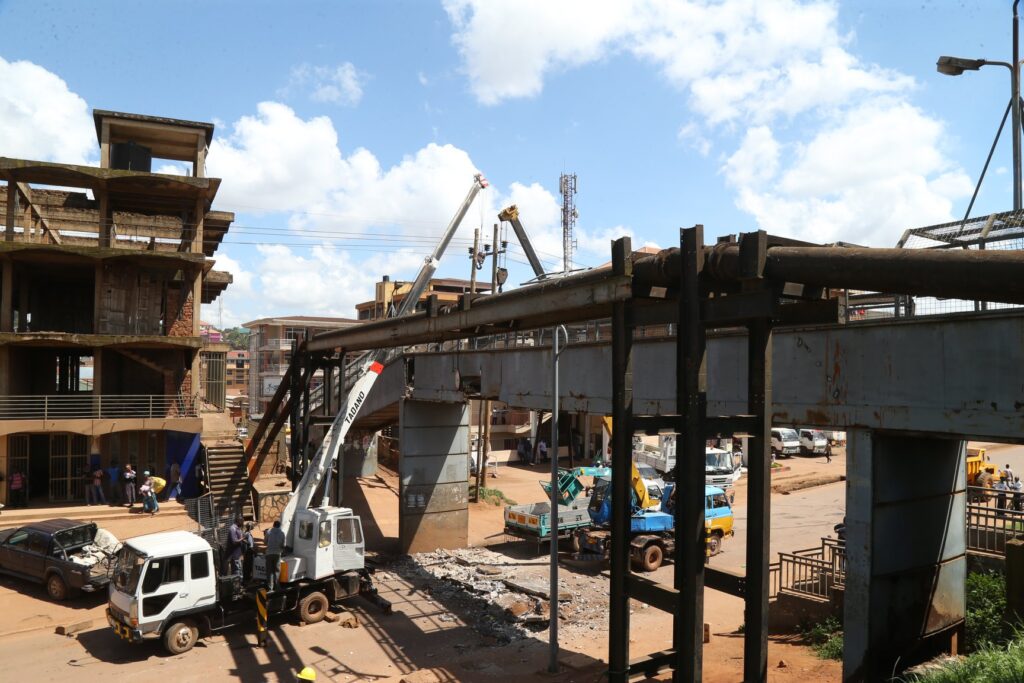
Kampala, Uganda — In fast-growing cities, infrastructure rarely fails all at once. It fades—quietly at first—until the moment it becomes impossible to ignore. The pedestrian footbridge that once spanned Queensway Kampala, linking Katwe to Nsambya, is a case in point. Brought down on 13 May 2018 after being declared structurally unsafe, it had served the public for over two decades. Its removal was justified on safety grounds. Its replacement, however, remains unseen years later. At the time, Kampala Capital City Authority assured the public that a new structure would be installed “as soon as possible.” In the interim, a zebra crossing was announced to be designated to facilitate pedestrian movement, accompanied by guidance under the Traffic and Road Safety Act requiring motorists to slow down. On paper, this was a reasonable contingency. In practice, it has proven insufficient.


Queensway remains one of the city’s busy corridors, carrying a mix of private vehicles, commercial traffic, and public transport. The communities of Katwe, Makindye and Nsambya are densely populated, with residents crossing daily for work, school, trade, and access to services. A painted crossing, however visible, cannot replicate the safety of grade-separated infrastructure in such an environment. The result is a daily negotiation between pedestrians and traffic one where risk is normalized. The persistence of this gap raises a broader question: how should cities manage essential infrastructure when removal becomes necessary? Kampala is not alone in facing such dilemmas, across rapidly urbanizing regions, authorities are often forced to balance immediate safety concerns with long-term planning constraints. Yet what distinguishes resilient cities is not the absence of failure, but the presence of continuity. When infrastructure is removed, alternatives temporary or permanent are expected to follow within a clear, communicated timeline.


In Katwe, that continuity has been less visible, as residents and commuters now ask whether the city was prepared to dismantle aging infrastructure without first securing viable replacements. The concern extends beyond this single location. Other pedestrian crossings, including those in high-traffic areas such as Nakawa, have also shown signs of wear. The question being posed is both practical and urgent: are we waiting for structures to fail before acting, or planning proactively to prevent disruption? Urban mobility cannot function effectively in a cycle of reaction.


A city’s transport system is an ecosystem, roads, crossings, sidewalks, and public transit networks are interdependent. When one element is removed without adequate substitution, pressure shifts to others often in ways that compromise safety. In this case, the burden has shifted to pedestrians, who must navigate high-speed traffic with limited protection. There is also a governance dimension to consider. Infrastructure projects require not only technical design but also budgeting, procurement, and coordination across agencies. Delays can stem from legitimate constraints funding cycles, competing priorities, or regulatory processes. However, the absence of consistent public updates risks eroding trust. When commitments are made without visible follow-through, even well-intentioned decisions come under scrutiny.


What, then, can be done?

  • First, transparency must become standard practice, if timelines for reconstruction have shifted, authorities should communicate the reasons clearly, alongside revised plans. Public understanding does not eliminate frustration, but it can mitigate uncertainty.
  • Second, interim solutions should match the scale of the challenge. In high-traffic corridors like Queensway, temporary pedestrian infrastructure such as signalized crossings, traffic calming measures, or modular footbridges could provide safer alternatives while permanent structures are developed.
  • Third, maintenance and audit systems need strengthening. Regular structural assessments of existing footbridges can identify risks early, allowing for phased rehabilitation rather than abrupt closure. This approach reduces disruption and enables better resource planning.


Finally, urban planning must anticipate growth rather than respond to it. Kampala’s expansion is not a future projection; it is a present reality. Infrastructure strategies must therefore align with projected population increases, traffic volumes, and land-use patterns. The story of the Katwe–Nsambya footbridge is not merely about a missing structure. It reflects a broader tension between urgency and preparedness in urban governance. Cities evolve, and with them, the demands placed on infrastructure. The challenge is to ensure that adaptation is deliberate rather than reactive. For the thousands who cross Queensway each day, the issue is immediate and tangible. It is about safety, time, and dignity in movement. Whether Kampala can address such gaps decisively will shape not only mobility outcomes, but also public confidence in the systems designed to support a growing city.


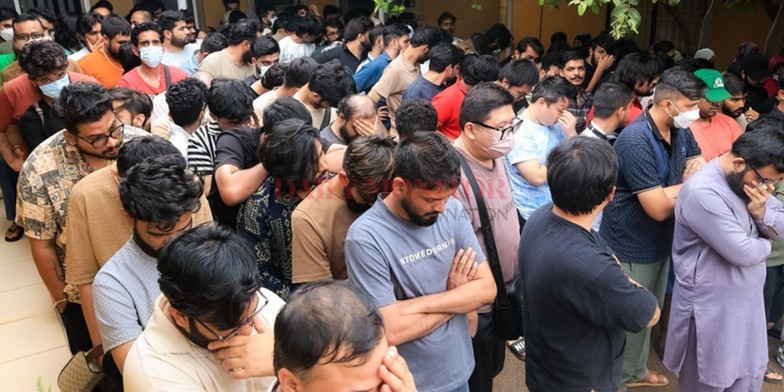
Kampala, Uganda — Uganda’s immigration authorities have intensified enforcement operations, arresting 62 Nigerian nationals in Adjumani District for allegedly working without valid permits. The operation, conducted by the Directorate of Citizenship and Immigration Control, followed a public tip-off and forms part of a broader national effort to address irregular migration and unauthorized economic activity. “Following a tip-off, our enforcement team has arrested 62 Nigerian nationals operating illegally in Adjumani (without work permits),” the agency confirmed. Authorities say the group had been operating a church and engaging in additional activities outside the scope of legal authorization. The suspects are currently undergoing processing under Uganda’s immigration laws, with outcomes expected to include fines, deportation, or prosecution depending on individual case assessments.


The Adjumani arrests come shortly after a separate intelligence-led operation in Kampala, where Ugandan authorities began deporting 169 foreign nationals arrested in the Bukoto–Ntinda area. According to officials at the Ministry of Internal Affairs Uganda, the group comprising nationals from Asia and Africa was found working on visitor visas, in violation of immigration regulations. Deportations began on 1 May 2026 and are being conducted in phases due to flight constraints. Assistant Commissioner Robert Kahwa Kato noted that each individual was fined approximately $400 and required to cover their return travel costs. Authorities also recovered computers and digital equipment allegedly used in illicit online activities, including cyber fraud and unauthorized gaming operations.


Uganda’s actions are grounded in the Uganda Citizenship and Immigration Control Act, which regulates entry, residence, and employment of foreign nationals. Under the Act, it is an offence for any non-citizen to engage in employment without a valid work permit. Violations may result in fines, imprisonment, or deportation.

Specifically, the law provides that: A foreign national must obtain appropriate authorization before engaging in any form of employment or business activity.

  • Immigration officers are empowered to arrest, detain, and remove individuals found in breach of these provisions.
  • Deportation orders may be issued where continued presence is deemed contrary to national interest or public order.

Regionally and globally, Uganda’s enforcement aligns with established legal norms. The International Organization for Migration recognizes the sovereign right of states to regulate migration within their borders, provided actions respect human rights and due process. Similarly, frameworks such as the African Union Migration Policy Framework encourage member states to balance enforcement with protection, particularly in cases involving vulnerable populations. At the global level, instruments like the International Convention on the Protection of the Rights of All Migrant Workers and Members of Their Families emphasize that while states may enforce immigration laws, migrants regardless of status retain fundamental rights, including access to fair legal processes and humane treatment.


Uganda’s recent operations reflect a broader pattern across Africa, where governments are tightening immigration controls amid concerns over illegal employment, tax evasion, and transnational crime. In countries such as Ghana, South Africa, and Kenya, similar crackdowns have targeted unauthorized workers and undocumented migrants, often linked to informal sector activity or digital fraud networks. Globally, the scale of migration underscores the complexity of enforcement. According to the United Nations, there are over 280 million international migrants worldwide, with a significant proportion engaged in informal or irregular employment. The International Labour Organization estimates that migrant workers constitute nearly 5% of the global labor force, highlighting both their economic contribution and the regulatory challenges they present. In Africa, migration remains largely intra-continental, driven by economic opportunity, conflict, and regional integration. While free movement protocols exist in some regions, enforcement at national level often reflects domestic priorities, particularly where local employment and revenue concerns are at stake.


Uganda’s recent actions raise important policy considerations, on one hand, enforcement is necessary to uphold the rule of law, protect labor markets, and safeguard public revenue. Officials argue that unauthorized employment deprives the state of non-tax income generated through work permits and may expose citizens to unfair competition. On the other hand, such operations carry diplomatic and humanitarian implications. The arrest of foreign nationals particularly in large numbers requires careful handling to maintain bilateral relations and ensure compliance with international standards. Analysts note that the most effective immigration systems combine enforcement with clear, accessible legal pathways for work authorization. Simplifying permit processes, enhancing public awareness, and strengthening inter-agency coordination can reduce violations while supporting legitimate economic activity.


The cases in Adjumani and Kampala illustrate both the scale and complexity of migration governance in a globalized economy. As Uganda continues to position itself as an investment and trade hub in East Africa, the integrity of its immigration system will remain central to that ambition. For authorities, the task is to sustain enforcement while ensuring transparency, fairness, and consistency. For migrants, the message is equally clear: compliance with host country laws is not optional, but foundational to lawful participation in the economy. In an interconnected world, migration will continue to test the balance between sovereignty and openness. Uganda’s current trajectory suggests a firm stance on legality one that mirrors a wider global shift toward stricter, but increasingly scrutinized, immigration control.

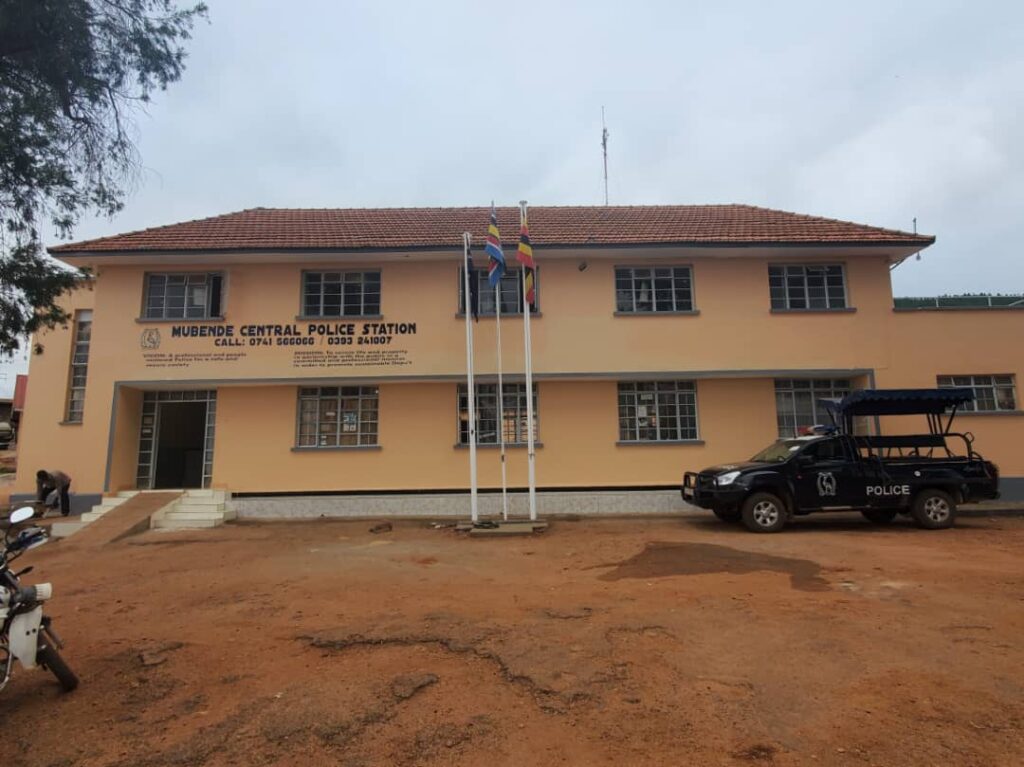
Mubende, Uganda — In development discourse, electricity is often framed as a catalyst for progress powering hospitals, sustaining enterprise, and reinforcing public trust in state institutions. Yet in parts of Uganda today, its absence is producing the opposite effect. In towns like Mubende, prolonged power outages are converging with rising insecurity, exposing vulnerabilities that extend beyond infrastructure into the realm of governance and public confidence. A recent visit to Mubende, a municipality strategically positioned along trade routes linking central and western Uganda, revealed a pattern residents describe with quiet resignation: “If it is not darkness, it is theft.” The phrase captures more than frustration. It reflects a lived reality where essential systems appear to be faltering in tandem.


Electricity supply in the area has become increasingly erratic following the transition from Umeme Limited to Uganda Electricity Distribution Company Limited (UEDCL). While the shift was intended to strengthen national control and improve service delivery, many residents report a sharp decline in reliability. In some instances, power is available for only a few hours within a 24-hour period; in others, entire days pass with little to no supply. For small businesses welders, traders, internet cafés, and informal manufacturers this is not merely an inconvenience. It disrupts livelihoods, reduces productivity, and erodes already narrow profit margins. In an economy where micro and small enterprises form the backbone of local resilience, such disruptions carry long-term consequences.


The implications are even more pronounced in critical public services. Mubende hosts a regional referral hospital serving a wide population catchment. Facilities of this nature depend on stable electricity for surgical procedures, diagnostic equipment, neonatal care, and vaccine storage. Global health authorities, including the World Health Organization, have consistently warned that unreliable power in medical settings can directly compromise patient outcomes. Where backup generators exist, they offer only a partial solution; where they do not, improvisation becomes an uneasy substitute for system reliability.


Yet the absence of light has also created conditions for another pressing concern: insecurity.

Residents increasingly point to a rise in theft, particularly involving motorcycles and vehicles. In Uganda, motorcycles commonly used as commercial taxis are both an economic lifeline and a frequent target for organized theft. During this visit, the theft of a motorcycle belonging to a local resident triggered a rapid, community-led response. Within hours, citizens mobilized to track suspects, and by the following day, several individuals had been apprehended. While this demonstrates a strong sense of civic vigilance, it also raises difficult questions. If communities can identify suspects with relative speed, why do such networks continue to operate?


Conversations with residents and local actors suggest that certain locations informally known as “Ku Ki Solar” and “Kataka” are widely associated with the movement or dismantling of stolen property. These areas are not remote; they exist within close proximity to administrative and security centers. Such dynamics point to a deeper governance paradox. When communities perceive that criminal actors are known yet remain active, confidence in institutions begins to erode. Over time, this erosion risks undermining cooperation between citizens and law enforcement cooperation that is essential for effective policing.


It is important, however, to situate these concerns within broader structural realities. Security personnel in many developing contexts operate under significant constraints, including limited resources, logistical challenges, and staffing shortages. These factors complicate efforts to maintain consistent, proactive presence on the ground. Nonetheless, the convergence of unreliable electricity, economic strain, and rising crime creates a reinforcing cycle. Businesses close earlier in the absence of power. Public spaces grow darker and less active. Reduced visibility and mobility create opportunities for illicit activity. The result is a gradual contraction of both economic and social life after dusk.


The implications extend beyond Mubende itself. Uganda has long positioned itself as a stable and attractive destination for investment in East Africa. Secondary towns like Mubende play a critical role in this vision, linking rural production zones to national markets and supporting decentralized growth. When such towns experience persistent instability whether infrastructural or security-related the effects ripple outward, influencing investor confidence, employment patterns, and migration trends. Addressing these challenges requires a coordinated and transparent response. Authorities responsible for energy oversight must provide clear communication regarding power distribution, including timelines for infrastructure improvements and mechanisms for managing outages. Equally, security agencies may need to strengthen intelligence-led operations and deepen collaboration with communities to address perceptions of impunity. There are precedents across the continent and globally where such integrated approaches have yielded measurable improvements in both service delivery and public safety. The key lies in aligning institutional capacity with community trust.


Ultimately, the situation in Mubende is not solely about electricity or crime. It reflects a broader question facing many developing regions: whether the promise of development often articulated in policy frameworks and international forums translates into tangible improvements in everyday life. For residents, expectations remain modest but fundamental: reliable power, secure neighborhoods, and institutions that respond effectively to emerging challenges. Meeting these expectations is not only a matter of service delivery; it is central to sustaining public confidence and long-term stability. If left unaddressed, the issues unfolding in Mubende risk becoming more than a localized concern. They may serve as an early signal of wider systemic pressures one that policymakers would do well to heed, both within Uganda and across similarly positioned economies.