May 31, 2026

Features

New Parliamentary Leadership Takes Office as Museveni Demands Accountability in Uganda’s Development Agenda
Kampala, Uganda — Uganda’s political landscape entered a new chapter this week as Members of Parliament elected a new Speaker and Deputy Speaker of the 12th Parliament, a development accompanied by a forceful call from President Yoweri Kaguta Museveni for greater accountability, leadership effectiveness, and accelerated socio-economic transformation.

Addressing legislators during the inaugural sitting of the 12th Parliament at Kololo Independence Grounds, President Museveni delivered one of his strongest messages yet on public service delivery, warning that leaders who fail to champion government development initiatives risk becoming obstacles to Uganda’s transformation agenda. The President’s remarks reflected a broader governance debate increasingly taking place across Africa: how to translate public investments and policy frameworks into measurable improvements in household incomes, economic inclusion, and social welfare.

While congratulating the newly elected parliamentary leadership, President Museveni challenged elected officials to move beyond political representation and embrace what he described as transformational leadership. His message centred on a recurring concern within many developing economies the gap between policy implementation and outcomes at community level. Uganda has in recent years expanded several flagship poverty alleviation and economic empowerment programmes, including the Parish Development Model (PDM), Emyooga, and other targeted interventions aimed at stimulating household incomes and local enterprise development.

According to the President, the existence of these programmes places a responsibility on political leaders to ensure that public resources reach intended beneficiaries and generate tangible economic impact. The remarks come at a time when governments across Africa are under growing pressure to demonstrate value for public spending amid rising youth populations, unemployment challenges, and increasing demands for inclusive growth. The election of a new parliamentary leadership also places renewed attention on Parliament’s constitutional role as both a legislative institution and an oversight body.

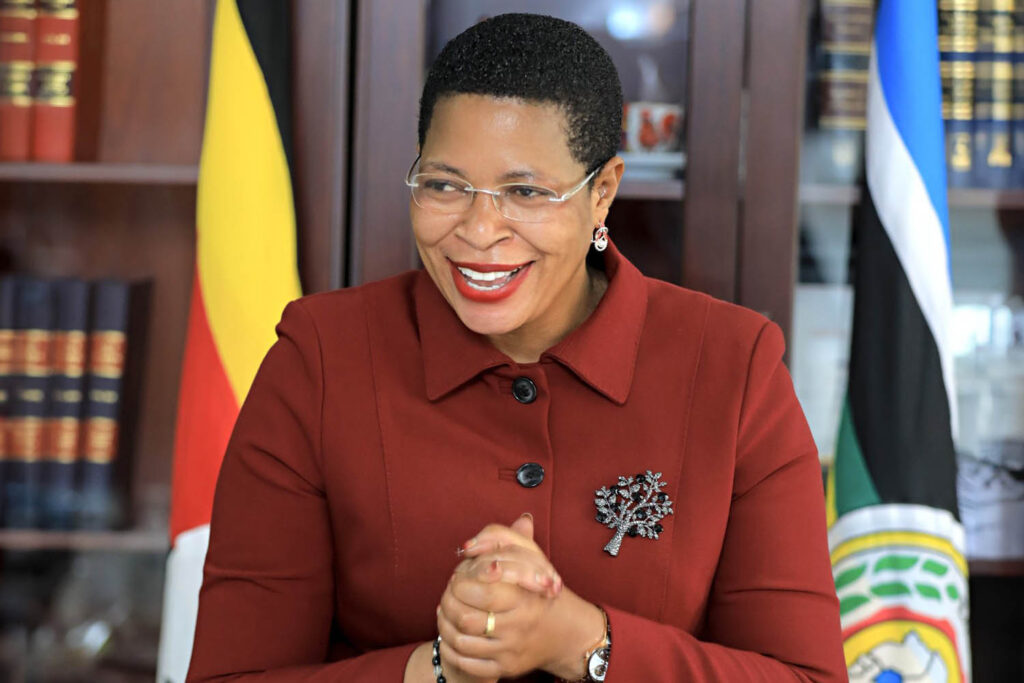
In a significant outcome, Jacob Marksons Oboth-Oboth, Member of Parliament for West Budama Central, was elected Speaker of the 12th Parliament after securing an overwhelming majority vote. His election signals continuity within Uganda’s governance framework while simultaneously raising expectations regarding institutional accountability, transparency, and legislative efficiency. Upon taking office, Speaker Oboth-Oboth outlined an agenda focused on strengthening parliamentary oversight, improving accountability mechanisms, and restoring public confidence in governance institutions. Notably, he pledged zero tolerance for corruption and misuse of public resources an issue that continues to dominate governance discussions across the continent. His commitment aligns with growing calls from development partners, civil society organisations, and citizens for stronger oversight of public expenditure and improved stewardship of national resources.

Across many democracies, public trust in political institutions has become an increasingly valuable but fragile asset. The new Speaker emphasized modesty, integrity, and service-oriented leadership as central pillars for rebuilding confidence between Parliament and citizens. Political analysts note that legislatures today are judged not merely by the laws they pass, but by their effectiveness in ensuring accountability, representing citizens’ concerns, and scrutinising executive action. For Uganda, the effectiveness of the 12th Parliament will likely be measured by its ability to respond to pressing national priorities, including economic transformation, job creation, healthcare resilience, infrastructure development, and governance reforms.

The election of Rt. Hon. Thomas Tayebwa as Deputy Speaker further consolidated the leadership structure of the new Parliament. Following his victory, Tayebwa called on legislators across political divides to work collectively in advancing national development priorities. His appeal reflects a broader recognition that sustainable development requires cooperation across political affiliations, particularly in addressing complex socio-economic challenges. In an increasingly interconnected world, effective parliamentary institutions are becoming critical actors in shaping investment confidence, strengthening democratic governance, and fostering policy stability.

Beyond governance and economic transformation, President Museveni also used the occasion to draw attention to Uganda’s ongoing Ebola response efforts. Calling for heightened vigilance, he urged citizens and public officials to observe preventive measures and support national containment strategies. The warning highlights the growing intersection between public health and governance. Recent global experiences have demonstrated that disease outbreaks are not solely health emergencies; they are also tests of institutional capacity, public communication, and societal resilience. As Uganda responds to the Ebola Bundibugyo outbreak, Parliament is expected to play a critical oversight role in ensuring adequate resource allocation, accountability in emergency response expenditures, and support for affected communities.

The inauguration of the 12th Parliament comes at a pivotal moment for Uganda, the country faces opportunities arising from demographic growth, regional trade integration, infrastructure expansion, and energy development. At the same time, it must navigate challenges related to public service delivery, employment creation, health security, and governance accountability. Against this backdrop, President Museveni’s message to legislators was clear: leadership must be measured not by political status but by its impact on citizens’ lives. The election of a new Speaker and Deputy Speaker therefore represents more than a parliamentary transition. It marks the beginning of a new phase in Uganda’s governance journey one in which accountability, institutional credibility, and socio-economic transformation are likely to define both public expectations and political success. For Uganda, and indeed for many African nations pursuing ambitious development agendas, the central question remains whether leadership can effectively bridge the gap between policy commitments and lived realities. The answer may ultimately shape not only the legacy of the 12th Parliament but also the trajectory of Uganda’s long-term national transformation.

Kampala, Uganda — The widening investigations into properties linked to former Speaker of Parliament Annet Anita Among have intensified political debate across Uganda, raising fresh questions about power, political loyalty, accountability, and the fragile nature of influence within ruling political systems. Security operatives drawn from the Army, Criminal Investigations Directorate (CID), and the Internal Security Organisation reportedly extended their searches to institutions associated with Among in Bukedea District, including a radio station, school, and teaching hospital. According to reports, the operation lasted several hours as investigators sought details regarding ownership structures and institutional operations.


The developments mark a significant moment in Uganda’s evolving political landscape, particularly given Anita Among’s prominence during the 11th Parliament and her position within the ruling National Resistance Movement (NRM). Once regarded among the most influential political figures in the country’s power structure, the ongoing scrutiny surrounding her properties has rapidly transformed from a legal and investigative matter into a broader national conversation about political survival, patronage, and institutional loyalty. In many African political systems, the rise and fall of influential figures often reveals deeper tensions within governing establishments. Political analysts note that loyalty within dominant political structures can at times provide rapid access to influence, visibility, and institutional power. However, the same systems can also shift quickly when internal dynamics change, leaving previously powerful figures politically exposed.


The searches on Among-linked properties therefore carry significance beyond the immediate investigation itself. They reflect the volatility that can accompany high-level political transitions and the uncertainty that often surrounds individuals closely associated with centers of power. Public reaction across sections of Uganda has been mixed, while some citizens view the investigations as part of broader accountability and anti-corruption efforts, others interpret them through a more political lens, seeing them as evidence of how quickly alliances and institutional protection can weaken once political circumstances shift. Such perceptions are not unique to Uganda alone, across several countries, anti-corruption investigations involving former senior officials frequently generate debate over whether accountability systems operate independently or are influenced by changing political alignments. The challenge for institutions is therefore maintaining public confidence that investigations remain grounded in due process, transparency, and equal application of the law.


The symbolism surrounding Among’s Bukedea-based institutions has also amplified public attention. Schools, hospitals, and media platforms are often viewed not merely as private investments, but as extensions of political influence and community presence. In many districts, prominent politicians build social legitimacy through such institutions, strengthening both visibility and local patronage networks. This explains why searches involving community-linked projects can quickly become emotionally and politically charged at local level. For supporters, these institutions may represent development contributions, employment opportunities, and regional transformation. For critics, they may symbolize the accumulation of influence through political proximity.


The situation also highlights the complicated relationship between politics and public perception in Uganda’s current environment. Social media reactions and public commentary increasingly frame political loyalty within transactional terms where individuals are celebrated during periods of usefulness but abandoned once political tides change. Yet analysts caution against reducing complex institutional investigations into purely emotional or partisan narratives. Accountability processes, when conducted lawfully and transparently, remain important components of governance systems. At the same time, governments and institutions must remain aware that highly publicized investigations involving senior political figures inevitably shape public trust in state institutions and political culture.


The unfolding developments around the former Speaker come at a time when Uganda is experiencing wider political transition conversations following the emergence of the 12th Parliament and changing alignments within national leadership structures. Historically, such periods often produce increased political uncertainty, internal repositioning, and renewed scrutiny around power networks. For ordinary citizens, however, the debate increasingly reflects a larger frustration with political systems perceived as rewarding loyalty temporarily while offering little long-term security once influence declines. This perception has fueled wider public discourse about institutional fairness, elite accountability, and the personal cost of political competition.


Ultimately, the investigation into Anita Among’s properties is no longer being viewed solely as a legal matter. It has evolved into a symbolic reflection of how power operates, shifts, and sometimes dissolves within modern political systems. As investigations continue, the broader public conversation is likely to extend beyond one individual alone toward deeper questions about governance, political loyalty, institutional independence, and the nature of power itself within Uganda’s evolving political landscape.


Mubende, Uganda The reported killing of a woman in Mubende District allegedly following a domestic dispute has once again drawn national attention to the growing concern over gender-based violence and unresolved tensions within households facing economic and emotional pressure. According to police reports, Annet Turyahabwe, 30, a resident of Kazo Village in Kasaana Parish, Kibalinga Sub-county, was allegedly killed by her husband in the early hours of Sunday following an argument reportedly linked to a domestic disagreement. While investigations into the incident remain ongoing, the tragedy adds to a disturbing pattern of domestic violence cases increasingly surfacing across Uganda and other parts of Africa, often exposing deeper social, economic, and psychological pressures affecting families and communities.


Across many societies, domestic violence is frequently discussed only after fatal outcomes emerge. Yet specialists in community welfare and social development continue to warn that many households experience prolonged periods of emotional stress, unresolved conflict, financial hardship, substance abuse, and communication breakdowns long before violence escalates into criminal acts. In many cases, neighbours, local leaders, and even relatives may be aware of recurring tensions but lack the structures, confidence, or institutional support to intervene effectively. Uganda’s changing socioeconomic environment has added new layers of pressure to family life. Rising living costs, unemployment among youth, unstable incomes within informal sectors, and increasing social expectations continue to strain relationships, particularly in households already facing vulnerability. While these pressures can never justify violence, analysts argue they contribute to environments where unresolved frustrations may intensify if support systems remain weak.


The Mubende incident therefore raises broader questions beyond criminal accountability alone. It highlights the continuing gap between public awareness campaigns on domestic violence and the practical availability of early intervention mechanisms at community level. In many rural and peri-urban areas, access to counselling services, mental health support, family mediation structures, and social protection systems remains limited or inconsistent.

Equally important is the challenge of silence surrounding domestic conflict. Cultural expectations in some communities still encourage couples to “handle issues privately,” even where patterns of abuse may already exist. As a result, many victims delay seeking help due to fear of stigma, economic dependency, family pressure, or uncertainty about institutional response mechanisms. Civil society organisations working in gender advocacy across East Africa have repeatedly cautioned that domestic violence should not be treated solely as a private household matter. Rather, it reflects a wider public policy issue connected to social welfare systems, economic stability, education, mental health awareness, and law enforcement capacity.


Uganda has over the years introduced legal and policy frameworks intended to address gender-based violence and strengthen protection mechanisms for vulnerable individuals. However, implementation challenges continue to persist, particularly in areas where local institutions remain overstretched or under-resourced. Police family protection units, probation officers, community development structures, and local mediation systems often operate under significant logistical and staffing limitations. The role of men within evolving social and economic dynamics also increasingly forms part of the conversation. Experts note that changing gender roles, financial pressures, and shifting expectations within households are creating tensions that some individuals struggle to manage constructively. Without stronger investments in emotional health education, conflict resolution skills, and responsible masculinity programmes, frustrations may continue manifesting in destructive ways.


Importantly, domestic violence is not unique to Uganda. Across the globe, governments and social institutions continue grappling with rising concerns around intimate partner violence, family instability, and mental health pressures intensified by economic uncertainty and social change. The challenge for many developing societies lies in building preventative systems rather than responding only after tragedies occur. Community leaders and social development practitioners increasingly argue that prevention must extend beyond legal punishment. It requires sustained investment in awareness campaigns, accessible counselling services, school-based emotional literacy programmes, stronger reporting mechanisms, and community structures capable of identifying vulnerable households before situations escalate.


The Mubende case also underscores the importance of responsible public discourse when reporting domestic violence. Sensationalising tragedy risks reducing complex social issues into isolated headlines, while failing to address the underlying conditions contributing to repeated incidents. Constructive journalism instead requires balancing accountability with deeper examination of the structural pressures shaping family and community life.


As investigations continue, the death of Annet Turyahabwe remains not only a criminal matter under review by authorities, but also a reminder of the urgent need for stronger social support systems capable of protecting vulnerable individuals and addressing conflict before violence emerges. In societies navigating economic transition, rapid social change, and growing pressure on household stability, the cost of unresolved domestic crises increasingly extends beyond individual families. It becomes a wider societal concern one measured in broken trust, interrupted futures, and communities left confronting preventable loss.


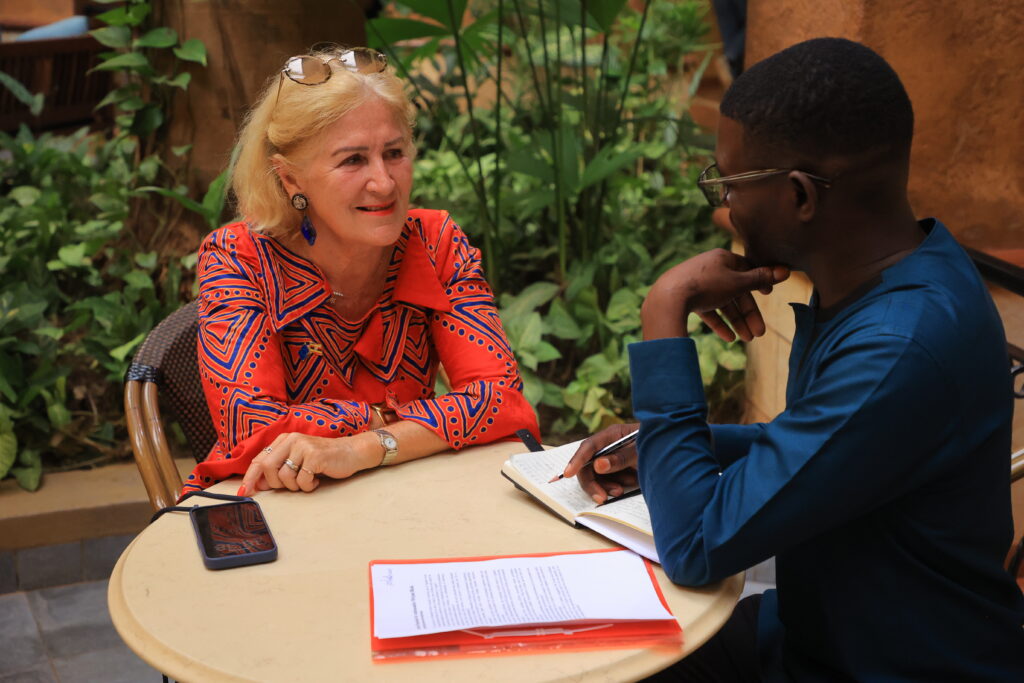
Kampala, Uganda — For more than three decades, Ambassador Mirjam Blaak has occupied a distinctive place within Uganda’s diplomatic history. Born in the Netherlands and trained in international law, her journey into African diplomacy did not begin through politics, but through curiosity, travel, and humanitarian service. Today, as Uganda’s Ambassador to Belgium, the Netherlands, Luxembourg and the European Union, she stands among the country’s longest-serving and most recognisable diplomatic figures in Europe. Yet behind the official titles lies a story deeply intertwined with Uganda’s liberation history, refugee protection during East Africa’s political turbulence, the reconstruction of Uganda’s economy after 1986, and the evolution of Economic and Commercial Diplomacy as a defining pillar of modern foreign policy.


In this exclusive conversation with Daily Thinkers, Ambassador Blaak reflects on the experiences that shaped her worldview, Uganda’s transformation over four decades, relations with the European Union, and Africa’s place within a rapidly changing global order. Born and raised in the Netherlands, Ambassador Blaak describes her childhood as one shaped by international curiosity. Her father, who directed a shipping and transport company operating across Africa, Asia and the Middle East, frequently returned home with stories about different cultures and societies. Those early influences, she explains, awakened a fascination with the wider world long before diplomacy became part of her life. While studying law and later specialising in international law, she worked for KLM as an air hostess for nearly five years, an experience she describes as formative in understanding cultures beyond Europe. “I often say I was being paid to discover the world,” she remarked with a reflective smile. “Africa particularly touched me the openness of the people, the beauty of nature, the sense of freedom. Over time, the continent stopped feeling distant. It became emotionally part of my life.”


Her professional transition into humanitarian and diplomatic work emerged during the politically volatile years of East Africa in the early 1980s. Assigned by the Dutch Ministry of Foreign Affairs to work with the United Nations High Commissioner for Refugees (UNHCR) in Kenya as a Protection Officer, she encountered refugees fleeing instability and political violence across the region, including many Ugandans escaping the turbulence of the pre-1986 period. Among those she encountered were individuals who would later occupy influential positions within Uganda’s political establishment. For Ambassador Blaak, those experiences transformed diplomacy from academic theory into a deeply human responsibility. “Diplomacy stopped being abstract,” she explained. “It became about survival, dignity, and protecting people during moments of uncertainty.”


Her connection to Uganda deepened further during the liberation struggle. Following the 1985 coup, she became involved in facilitating communication between National Resistance Army representatives and diplomatic actors in Nairobi. When Kampala was captured in January 1986, she travelled to Uganda alongside returning Ugandan exiles and leaders preparing to form the new government. What she encountered upon arrival left a lasting impression. “The country had been devastated economically,” she recalled. “Factories were idle, infrastructure had collapsed, and institutions barely functioned. But there was also extraordinary determination to rebuild.”


That rebuilding process, she says, became inseparable from her own personal journey. Uganda would later become her home, where she started a family with her late husband, Dr Ronald Batta, a historical freedom fighter and surgeon who joined the NRA struggle. Today, after nearly fourteen years as Head of Mission in Brussels, Ambassador Blaak oversees one of Uganda’s most strategically important diplomatic postings. Her responsibilities span bilateral relations with Belgium, the Netherlands and Luxembourg, while simultaneously engaging European Union institutions on trade, development cooperation, political dialogue, regional security and investment promotion. According to Ambassador Blaak, modern diplomacy has evolved far beyond ceremonial representation. “Success today is measured through practical outcomes,” she explained. “How much investment are you attracting? How many jobs are created? How much market access are you opening for your country?”


Her mission has increasingly focused on Economic and Commercial Diplomacy attracting European investment into Uganda’s agriculture, fisheries, manufacturing, tourism and infrastructure sectors. She points to Uganda’s progress in meeting European phytosanitary standards for fisheries exports as one example of how patient diplomacy can generate long-term economic gains. At the same time, she acknowledges that diplomacy often requires navigating sensitive conversations around governance, migration, international perception and geopolitical interests. “The challenge is frequently perception management,” she observed. “International narratives about African countries are not always balanced or contextualised.” Rather than confrontation, she believes diplomacy requires sustained engagement, patience, and mutual respect. “Real diplomacy is not emotional activism,” she said. “It is consistent dialogue built on facts, relationships and understanding.”


Reflecting on Uganda’s trajectory since 1986, Ambassador Blaak argues that the country’s transformation remains significant within regional and international circles. From economic collapse and institutional breakdown, Uganda has gradually repositioned itself as a regional security actor, an emerging investment destination, and a country of growing geopolitical relevance within East Africa. Looking ahead, she believes Uganda possesses substantial long-term potential, particularly through industrialisation, agriculture, regional trade, tourism, and value addition. “The opportunities are enormous,” she noted. “But so are the risks if issues like corruption, youth unemployment and complacency are not addressed strategically.”


As global power dynamics continue shifting, Ambassador Blaak believes Africa’s future will increasingly depend on how effectively its countries position themselves within emerging economic and diplomatic frameworks rather than remaining peripheral actors within global affairs.

Before concluding the interview, she offered a final reflection directed toward Uganda’s next generation of diplomats. “Diplomacy is not social media performance,” she said. “It is human engagement, listening, patience, understanding people, and negotiation. Representing your country is both a responsibility and an honour.”

Geneva, Switzerland– As the world marks World Hypertension Day on May 17, the World Health Organization is intensifying calls for governments, health workers, and communities to prioritise early detection and prevention of high blood pressure, a condition increasingly recognised as one of the leading global public health threats. Often described as the “silent killer,” hypertension frequently develops without visible symptoms, yet remains a major risk factor for heart attacks, strokes, kidney disease, heart failure, and premature death. According to global health estimates, nearly 1.4 billion people worldwide are currently living with high blood pressure, with millions remaining undiagnosed or untreated.


The WHO warns that the burden is becoming particularly significant in low- and middle-income countries, where health systems continue facing pressure from rising non-communicable diseases alongside existing infectious disease challenges. Across Africa, urbanisation, changing diets, reduced physical activity, tobacco use, stress, and increased alcohol consumption are contributing to a steady rise in hypertension cases, including among younger populations. Health experts note that one of the greatest dangers surrounding hypertension is its invisibility. Many individuals continue normal daily routines without recognising that elevated blood pressure may already be damaging blood vessels, the heart, kidneys, and brain over time. For public health institutions, this has transformed hypertension from a purely medical issue into a broader socioeconomic concern. Untreated cardiovascular diseases place growing pressure on healthcare systems, reduce workforce productivity, and increase household financial vulnerability due to long-term treatment costs. The WHO’s message this year centres on prevention, awareness, and routine screening. Medical professionals emphasize that regular blood pressure checks remain one of the simplest and most effective tools for early detection.


Equally important are lifestyle interventions that significantly reduce long-term risk. These include reducing salt intake, maintaining physical activity, eating healthier diets rich in fruits and vegetables, avoiding tobacco use, moderating alcohol consumption, and consistently following prescribed treatment plans for diagnosed patients. Health practitioners also stress that hypertension treatment is highly effective when diagnosis occurs early and management remains consistent. However, awareness gaps, irregular screening, medication costs, and limited access to healthcare facilities continue affecting treatment outcomes in many developing countries. Within Uganda and across much of Africa, public health officials are increasingly encouraging community-based screening initiatives, workplace wellness programmes, and family-centred health education to improve awareness around cardiovascular health.


The observance of World Hypertension Day therefore arrives at a critical moment globally, as countries seek to strengthen preventive healthcare systems rather than relying solely on treatment after illness emerges. The WHO maintains that defeating hypertension requires collective responsibility involving governments, schools, workplaces, families, health workers, and individual citizens alike. Public awareness campaigns continue urging people to “know their numbers” by routinely checking blood pressure levels even when no symptoms are present. In an era where non-communicable diseases are rising rapidly worldwide, health experts argue that preventive action may ultimately prove one of the most cost-effective investments societies can make. More information on hypertension awareness and prevention is available through the World Health Organization Hypertension Information Page.

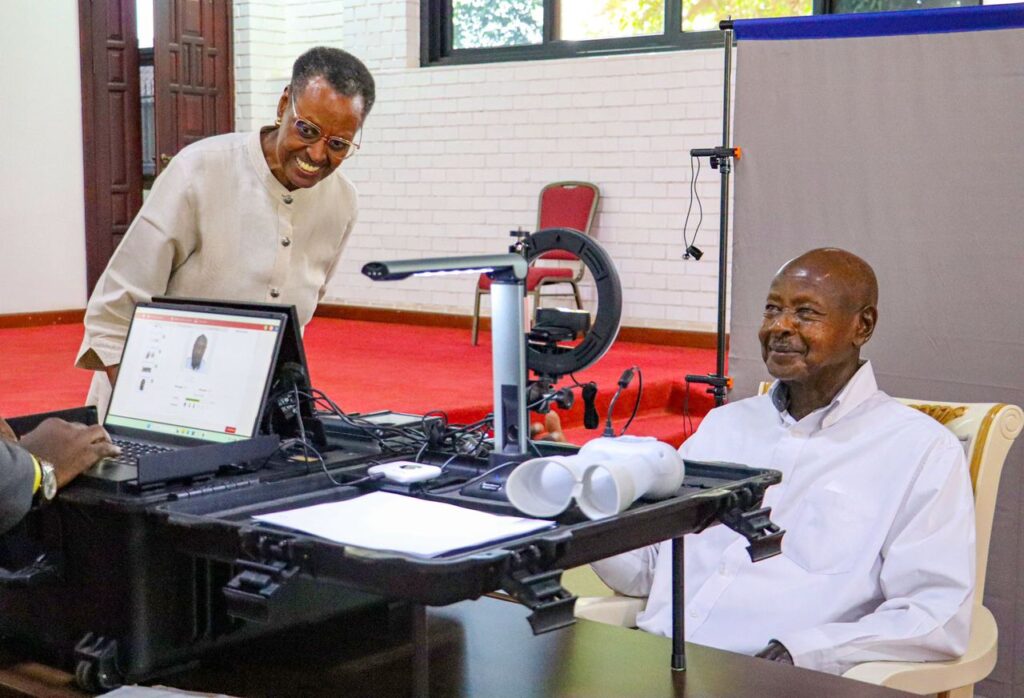
Kampala, Uganda — Uganda’s ongoing National Identification renewal and mass enrolment exercise was initially received as an important step toward strengthening public administration, expanding digital inclusion, and modernising service delivery in an increasingly technology-driven economy. Across the country, citizens responded in large numbers, travelling to registration centres with the expectation that the process would improve access to essential services and streamline interactions with both government institutions and private sector systems. Months later, however, the optimism that accompanied the rollout is steadily being overshadowed by operational gaps that are beginning to carry wider social and economic implications. What first appeared to be a manageable administrative delay is evolving into a broader governance challenge one that now sits at the intersection of digital access, economic participation, institutional coordination, and public confidence in state systems.


The National Identification and Registration Authority (NIRA) continues to oversee one of the country’s most significant administrative exercises in recent years. Yet reports from parliamentary discussions, district officials, and affected citizens indicate that millions of processed National IDs remain uncollected nationwide due to logistical constraints, staffing limitations, delayed distribution systems, and communication breakdowns between agencies and local communities. In many parts of the country, particularly rural districts, citizens describe travelling long distances to designated collection centres only to discover that their cards have either not arrived or were dispatched elsewhere. Others report uncertainty over collection procedures, inadequate notification systems, and repeated movement between offices in search of clarification. These challenges, while administrative in nature, are now producing consequences that extend far beyond documentation itself.


Uganda’s National ID has evolved into far more than a standard identification card, it now functions as the central access point to a growing range of services including banking, mobile money, telecommunications registration, passport processing, employment verification, financial transactions, and digital platforms tied to everyday economic activity. In practical terms, exclusion from the identification system increasingly translates into exclusion from the economy itself. The impact is particularly visible within the telecommunications sector, where SIM card replacement and verification procedures have become a source of mounting frustration for citizens. Telecom operators now require individuals seeking to replace lost or damaged SIM cards using the new National IDs to first obtain a confirmation letter from NIRA the same institution that issued the cards. The verification document reportedly costs UGX 1,000 and is required alongside a police letter before telecom providers can proceed with SIM replacement.


While each individual requirement may appear administratively justifiable in isolation, the cumulative burden placed on ordinary citizens is becoming increasingly difficult to ignore. A person who loses a phone or SIM card is now often expected to move between police stations, NIRA offices, and telecom service centres before regaining access to a communication line that may already be linked to banking systems, mobile money platforms, work-related contacts, and business transactions. For citizens operating within Uganda’s largely informal and digitally dependent economy, such delays carry immediate consequences. A boda boda rider disconnected from mobile money services loses access to daily earnings. A small trader unable to recover a phone line risks losing customers and supplier communication. Students and job seekers may miss critical opportunities tied to digital platforms and mobile communication.


The challenge therefore extends beyond telecommunications policy. It raises broader questions about the pace of Uganda’s digital transition and whether institutions have fully aligned operational systems before implementing stricter verification requirements. The country’s push toward secure digital governance remains understandable within the context of rising cybercrime, fraud prevention, and regulatory accountability. Many governments globally are tightening digital identification systems to improve traceability and strengthen financial and communications oversight. However, successful digital transformation depends not only on regulation, but also on accessibility, institutional coordination, and citizen-centred implementation. In Uganda’s case, the growing friction between NIRA processes, telecom verification systems, and citizen experience suggests that integration across agencies remains incomplete.


The contradiction has become increasingly visible at operational level. Citizens are being encouraged to transition fully to the new generation of National IDs, yet some service providers reportedly continue relying on old verification structures or demanding additional confirmation documents before recognising the new cards within their systems. This has created confusion over which identification processes are considered fully valid and which still require supplementary verification. Such inconsistencies risk weakening public trust in reforms that were originally designed to strengthen administrative efficiency. They also expose a wider structural challenge confronting many developing economies undergoing rapid digitisation: infrastructure and policy ambitions often advance faster than the institutional systems required to support them effectively.


Uganda’s broader digital transformation agenda remains necessary and strategically important. Reliable identification systems are critical for financial inclusion, service delivery, telecommunications security, and long-term planning. Yet the effectiveness of these systems ultimately depends on whether ordinary citizens can navigate them without excessive financial cost, procedural uncertainty, or repeated bureaucratic hurdles. As pressure continues to mount around uncollected IDs and service verification challenges, the issue is gradually shifting from a technical administrative matter into a wider socioeconomic concern.


For many Ugandans, delays measured in days or weeks now directly affect livelihoods, business continuity, communication access, and participation in the digital economy. The question facing institutions is therefore no longer simply how quickly IDs can be processed or distributed. Increasingly, it is whether the systems surrounding Uganda’s digital identity transition are sufficiently coordinated, accessible, and responsive to the realities of everyday life. In an economy where mobile connectivity underpins commerce, communication, and opportunity, administrative gaps can quickly become economic barriers. And when citizens begin to experience public systems as obstacles rather than facilitators, the broader cost is measured not only in inconvenience, but also in declining institutional confidence.

Jinja City, Uganda — Known as the source of the River Nile and a rising hub for adventure tourism, Jinja is often presented as a symbol of Uganda’s natural wealth and development potential. It is also central to the country’s energy landscape, hosting major hydropower facilities that feed electricity into the national grid. Yet in Jinja North Division, a quieter contradiction persists: proximity to power does not guarantee safe or legal access to it.

Uganda has made measurable progress in expanding electricity access over the past decade. According to data from the Ministry of Energy and Mineral Development, national electricity access rose from about 14% in 2013 to approximately 57% by 2022 when both grid and off-grid solutions are considered. Urban access rates are significantly higher estimated at over 70% reflecting targeted infrastructure investments in cities such as Jinja. These gains align with broader development strategies aimed at industrialization, improved livelihoods, and regional competitiveness.

However, field observations in Jinja North Division suggest that infrastructure expansion alone has not resolved access challenges. During a recent visit, multiple households were found to be connected to the grid through informal or unauthorized means. In some cases, even homes with official connections had additional wiring extending power to neighboring structures or informal extensions. Such practices, commonly referred to as illegal connections, pose serious risks not only to individuals but also to the stability of the wider electricity network.

Data from the Electricity Regulatory Authority indicates that Uganda continues to face distribution losses partly attributed to illegal connections and energy theft. Nationally, electricity losses both technical and commercial have been estimated at between 17% and 20% of total generated power in recent years. While not all of this is due to unauthorized usage, illegal tapping of power lines remains a contributing factor, particularly in densely populated or peri-urban communities.

The human cost is equally concerning. Reports from local authorities and safety campaigns have linked illegal connections to cases of electrocution, fires, and property damage. Although comprehensive district-level statistics are limited, energy sector safety reports consistently highlight electrocution as a recurring cause of accidental deaths in communities with informal wiring practices. In Jinja, local leaders and utility operators have repeatedly warned that such connections expose residents especially children to avoidable hazards.

Government efforts to address the issue have been ongoing. Through agencies such as the Rural Electrification Agency (now part of the Uganda Energy Credit Capitalisation Company framework), authorities have extended grid infrastructure to previously underserved areas. Public sensitization campaigns have also been conducted to highlight the dangers of illegal connections and encourage formal registration. Yet, community perspectives reveal underlying tensions. Some residents claim that earlier infrastructure projects particularly those linked to energy development came with expectations of compensation, including free or subsidized electricity connections. While such claims remain difficult to independently verify, they point to a broader issue: the gap between public expectations and policy implementation. Where communication is unclear or promises are perceived as unmet, informal solutions often emerge.

Affordability is another factor shaping behavior, the cost of legal connection, wiring, and compliance can be prohibitive for low-income households, even when subsidized programs exist. As a result, illegal connections may be viewed not only as a shortcut but as a necessity despite the risks involved. This reflects a wider challenge across many developing economies, where infrastructure availability does not always translate into equitable access. For policymakers, Jinja’s situation underscores the importance of coupling infrastructure expansion with community engagement, affordability mechanisms, and consistent enforcement. Strengthening inspection systems, simplifying connection procedures, and expanding public awareness campaigns could help shift behavior over time. At the same time, transparent communication around government programs and commitments remains essential in building trust.

Jinja’s role as both a tourism gateway and an energy hub places it at the intersection of opportunity and responsibility. Reliable and safe electricity access is not only a matter of household welfare; it is also central to sustaining the city’s economic growth and reputation. As Uganda continues to invest in its energy future, the challenge is no longer simply generating power it is ensuring that access to that power is safe, lawful, and inclusive. In Jinja, bridging that gap may prove just as important as the electricity itself.

Kampala, Uganda — Uganda’s push toward Economic and Commercial Diplomacy under its Tenfold Strategy is elevating tourism as a central pillar of growth. Across embassies and missions abroad, a deliberate effort is underway to position the country as the Pearl of Africa, hosting influencers, investors, and media delegations to experience its landscapes, wildlife, and cultural heritage firsthand. The momentum is visible but beneath the progress lies a structural question that could define the sector’s long-term credibility: who regulates the people telling Uganda’s story on the ground?


Tour guiding sits at the frontline of the visitor experience, it is where national branding meets lived reality. Yet, despite its importance, the profession remains unevenly regulated in practice. While the Uganda Tourism Board (UTB), under the Ministry of Tourism, Wildlife and Antiquities, is mandated to oversee standards and promotion, enforcement around individual tour guide licensing and performance monitoring appears inconsistent. Uganda’s legal framework is not silent, the Tourism Act 2008 provides for the registration and annual licensing of tour operators, travel agencies, and guides. However, the critical gap lies not in legislation, but in implementation depth particularly in performance-based renewal, field supervision, and professional accountability.


Comparative models offer useful lessons, in Egypt, one of Africa’s leading tourism destinations tour guides are subject to strict licensing regimes tied to qualifications, conduct, and ongoing evaluation. Renewal is not automatic; it is influenced by measurable performance, including client feedback and activity records. This creates a professional ecosystem where quality is continuously reinforced, and where the cost of underperformance is real. For Uganda, adopting a similar approach would yield multiple benefits. First, it would formalize tour guiding as a recognized profession, not merely an entry point for entrepreneurship. Currently, the industry allows a wide range of actors qualified and unqualified to operate, often based on online visibility rather than verified competence. This risks diluting service quality at a time when the country is investing heavily in attracting high-value tourists.


Second, a structured licensing and renewal system would build trust across the tourism value chain. Tour operators, investors, and international partners would have confidence that certified guides meet consistent standards. Tourists, in turn, would engage with Uganda through credible, well-trained storytellers capable of translating the country’s richness into meaningful experiences. Third, performance-linked regulation would align incentives, if license renewal depends on service quality, professionalism becomes a competitive advantage rather than an afterthought. Feedback mechanisms capturing tourist experiences and integrating them into regulatory decisions could transform accountability from abstract principle into daily practice.


This is not to diminish the progress already made, Uganda remains endowed with exceptional tourism assets and a growing pool of passionate guides. But as the country scales its global visibility, quality assurance must evolve alongside promotion. Marketing alone cannot sustain reputation; it must be matched by consistent delivery. The responsibility now rests with institutions such as the Uganda Tourism Board to extend their focus from visibility to verification from attracting visitors to safeguarding their experience. Strengthening inspection systems, digitizing guide registries, and introducing transparent renewal criteria would mark a decisive step toward professionalization. Tourism is ultimately a trust industry. A visitor’s experience is shaped less by brochures than by the human encounter on arrival. If Uganda is to fully capitalize on its diplomatic and promotional gains, it must ensure that those encounters meet global standards. Because in a competitive tourism market, it is not only the destination that matters it is the professionalism of those who interpret it.

Kampala, Uganda — When President Yoweri Kaguta Museveni appeared on Jazz with Jajja alongside youthful content creators, the symbolism was unmistakable. In a country where the majority of citizens are young and digitally connected, the moment suggested openness, generational dialogue, and a recognition of shifting platforms of influence. Yet symbolism, however powerful, must translate into structured outcomes if it is to shape governance in meaningful ways.


At its core, the engagement reflected a broader global trend: leaders increasingly turning to digital spaces to communicate with younger audiences. Across Africa, podcasters, YouTubers, and TikTok creators are becoming intermediaries of public discourse, occupying roles once dominated by traditional media. This transition signals not only a shift in platforms, but in the nature of accountability itself.


The conversation, while accessible and relatable, also revealed a critical gap between proximity and policy. Moments of informality such as framing leadership through cultural generosity humanize authority but risk reframing governance as personal rather than institutional. In contemporary political communication, audiences increasingly expect clarity on policy direction, economic planning, and rights protections, particularly when youth livelihoods are at stake.


That tension became evident when digital creators raised concerns about monetization, internet affordability, and limited institutional support. Platforms such as YouTube and TikTok have enabled a growing informal creative economy in Uganda one that generates income, builds skills, and contributes to national visibility. Yet this sector remains largely unrecognized within formal policy frameworks. Discussions that frame digital work as a request for support, rather than as an economic sector requiring regulation, protection, and investment, risk underestimating its significance.


Equally notable was the limited engagement with questions of digital rights and expression. Uganda’s online space operates within a complex regulatory environment, shaped by past restrictions on platforms such as Facebook and ongoing debates about content governance. Globally, such issues are central to youth discourse, where economic opportunity and freedom of expression are deeply intertwined. Addressing them directly is less about confrontation than about aligning national conversations with international norms.


The issue of youth migration, raised during the discussion, further illustrated this gap. While individual advice has value, the structural drivers of migration employment, industrial capacity, and economic opportunity require policy-centered responses. Across the continent, retaining skilled youth is increasingly tied to how effectively governments integrate innovation, entrepreneurship, and digital economies into national development strategies.


What emerges from this moment is not failure, but a call for evolution both for the state and for youth-led media. Digital creators now operate in a space of influence that carries responsibility. Access to leadership must be matched with preparation, agenda-setting, and the ability to translate conversation into accountability. The most impactful engagements are those that yield clarity: timelines, commitments, and policy direction that extend beyond the interview itself.


For government, the lesson is equally strategic. In an era of digital politics, youth are not a constituency to be engaged episodically, but a demographic to be integrated systematically into governance processes. Structured dialogue, policy recognition of digital economies, and clarity on rights frameworks can transform engagement from symbolic outreach into sustainable partnership.

Uganda stands at a pivotal intersection. Its youth possess platforms, reach, and urgency; its leadership retains institutional authority and policy-making power. Bridging the two requires more than conversation it demands coherence. When access evolves into agency, and dialogue into measurable outcomes, youth digital energy can become a stabilizing force strengthening not only participation, but the legitimacy and resilience of governance itself.

Kampala, Uganda — Over nearly four decades of leadership under President Yoweri Museveni, Uganda’s media sector has evolved alongside the country’s political and economic trajectory. While the nation has expanded its communications infrastructure and diversified its media platforms, journalists continue to operate within a complex environment shaped by security concerns, regulatory pressures, and economic constraints.


Across the profession, reporters describe a working climate that can shift rapidly particularly during politically sensitive periods such as elections. Incidents involving arrests, confrontations with security forces, and restrictions on coverage have been documented over the years, raising ongoing concerns about the balance between state security priorities and press freedom. The period surrounding the 2021 general elections, for instance, drew attention from both local and international observers, highlighting tensions between enforcement agencies and members of the press.


Civil society organizations, including the Human Rights Network for Journalists-Uganda, have consistently advocated for stronger protections for journalists. Their work ranging from legal support to safety training reflects a broader recognition that a functioning media sector is central to accountability, governance, and informed public participation. Yet the pressures facing journalism in Uganda are not solely political. Economic realities within the media industry present equally significant challenges. Many journalists work under precarious conditions, with low or irregular pay, limited contractual protections, and high workloads. In such an environment, editorial independence can be difficult to sustain. Media ownership structures, often intertwined with business or political interests, may further influence newsroom priorities, sometimes narrowing the space for investigative or critical reporting. These dynamics are not unique to Uganda; they mirror trends across several emerging media markets where financial sustainability remains a persistent concern. However, in Uganda’s case, the intersection of economic vulnerability and regulatory pressure amplifies the risks faced by journalists and can shape the depth and tone of public discourse.


The digital era has added another layer of complexity. Online platforms have expanded opportunities for storytelling and audience engagement, but they have also introduced new regulatory debates around content control, taxation, and platform access. Measures such as temporary social media restrictions during election periods have sparked discussion about the role of digital spaces in democratic participation and information flow. Looking ahead to the 2026 elections, stakeholders within Uganda’s media ecosystem including policymakers, civil society, and international partners face a shared challenge: how to strengthen both the safety and sustainability of journalism. This includes clarifying legal protections, improving working conditions, and fostering institutional trust between the media and state actors.


Importantly, the resilience of Ugandan journalists remains a defining feature of the sector. Despite constraints, many continue to report on governance, development, and social issues with commitment and professionalism. Their work underscores a broader principle: that credible journalism is not only a pillar of democracy but also a driver of national development.

Sustained progress will depend on dialogue rather than polarization on recognizing that press freedom and responsible governance are not opposing forces, but complementary foundations of a stable society. In that balance lies the future of journalism in Uganda.

In today’s labour market, the promise that education and effort lead to opportunity is quietly eroding. Across sectors, a growing number of job applicants are encountering recruitment processes that appear increasingly detached from the realities of work itself. At the centre of this concern is the widespread use of aptitude testing an instrument originally intended to strengthen fairness, but which, in practice, is now raising credible questions about transparency, relevance, and accountability.


In countries with youthful populations such as Uganda, where thousands of graduates enter the job market each year, recruitment is not merely an administrative exercise; it is a defining pathway for national productivity and social stability. Yet many applicants report a pattern that is difficult to ignore. Job openings attract hundreds, sometimes thousands, of candidates. These candidates are then subjected to aptitude tests that bear little or no relationship to the actual job requirements. From that pool, a remarkably small number often fewer than twenty progress, creating the perception that the process is less about identifying talent and more about filtering outcomes.


This concern is not abstract, it reflects the lived reality of a generation navigating a highly competitive job market, where the difference between employment and prolonged unemployment may depend not on competence, but on familiarity with obscure testing formats or access to informal networks. In such an environment, aptitude testing risks becoming less a measure of ability and more a mechanism that can be manipulated, whether intentionally or structurally, to produce predetermined results.


In countries like United Kingdom and Canada, testing is rarely used in isolation, Instead, it forms part of a broader, competency-based framework that includes job simulations, structured interviews, and transparent evaluation metrics. Candidates are assessed on what they will actually do in the role, not on abstract reasoning detached from practical application. Moreover, institutions often provide clear guidance on the nature of assessments, reducing uncertainty and strengthening trust in the process.


In contrast, where aptitude tests are poorly aligned with job functions or administered without transparency, they can undermine the very principle of meritocracy. When candidates begin to believe that outcomes are influenced by prior access to test content, informal connections, or internal preferences, confidence in institutions diminishes. This erosion of trust has wider implications. It discourages investment in education, weakens morale among young professionals, and fuels a narrative that systems are closed rather than competitive.


Policy frameworks already recognise the importance of fair recruitment. The International Labour Organization emphasises equal opportunity and non-discrimination as foundational principles in employment practices. Similarly, many public service guidelines across Africa call for merit-based recruitment grounded in transparency and accountability. The gap, therefore, is not necessarily in policy existence, but in policy enforcement and modernisation. Any assessment used in recruitment should be demonstrably linked to the competencies required for the job. This is not a theoretical standard; it is a measurable one. A communications officer should be evaluated on writing, analysis, and messaging. An engineer should be assessed through technical problem-solving relevant to engineering practice, where aptitude testing is retained, it should complement not replace role-specific evaluation.


Independent audits of recruitment processes particularly in large public institutions can provide assurance that standards are being upheld. Digital recruitment platforms, if properly designed, can reduce human discretion and create verifiable records of assessment outcomes. Countries such as Rwanda have begun integrating such systems to enhance credibility in public sector hiring, demonstrating that reform is both feasible and impactful. This is not a call to abandon aptitude testing, it is a call to restore its legitimacy. When properly designed and fairly administered, aptitude assessments can enhance recruitment. When misapplied, they risk excluding capable individuals and distorting labour market outcomes.


For policymakers, regulators, and institutional leaders, the urgency of this issue cannot be overstated. A recruitment system that fails to command public trust ultimately fails to serve its purpose. In a globalised world where talent mobility is increasing, countries that do not safeguard merit-based hiring risk losing their most capable minds to more transparent systems elsewhere. The conversation must therefore move from quiet frustration to deliberate action. Reforming recruitment practices is not only about fairness to applicants; it is about protecting the integrity of institutions and the future of national development. If aptitude tests are to remain part of modern recruitment, they must be reclaimed as instruments of merit not suspicion.

Kampala, Uganda — In the capital’s busiest arcades, shelves glow with promise creams and soaps marketed for radiance, renewal, and transformation. Yet behind this aesthetic appeal lies a quieter contradiction. Some of these products were formally prohibited in 2023 by the Uganda National Bureau of Standards after laboratory analyses linked them to hazardous substances such as Hydroquinone and Mercury. The science was clear, the policy decisive yet their continued presence in open markets raises a deeper governance question: what happens when enforcement becomes intermittent?


Uganda’s equatorial position intensifies the public health stakes. High ultraviolet exposure means melanin is not merely cosmetic it is protective. Substances that suppress melanin or compromise skin integrity heighten vulnerability to long-term health risks, including skin malignancies and organ toxicity. In this context, cosmetic regulation transcends consumer preference; it becomes a matter of preventive healthcare.


The government’s response has not been absent. Enforcement actions, including a major seizure in Kampala in late 2025, demonstrated institutional capability and resolve. But public policy is not ultimately judged by isolated crackdowns it is measured by consistency. A ban, however well-founded, loses credibility if its presence is not felt daily in the marketplace.


The journey of any imported cosmetic product is traceable: from border entry and customs clearance to taxation and retail distribution. Uganda has invested in digital governance systems intended to synchronize agencies and flag irregularities. In principle, a prohibited product should not pass through multiple checkpoints undetected. When it does, the issue is less about intent and more about coordination.


This moment presents not a failure, but an opportunity for institutional refinement. Regulatory ecosystems linking standards bodies, customs, health authorities, and local governments must operate as integrated networks rather than parallel silos. Digital alignment, where banned product codes trigger automatic alerts across agencies, could significantly strengthen enforcement. Routine joint inspections and predictable penalties would further shift incentives, making compliance the rational choice for traders. Beyond enforcement, the persistence of hazardous cosmetics reflects global dynamics. The skin-lightening industry is sustained by cross-border supply chains and deeply rooted social narratives. Uganda’s experience mirrors that of many emerging economies navigating the tension between open markets and consumer protection. Addressing it requires more than regulation it demands engagement.


Public awareness is central. Consumer choices are shaped not only by access but by perception. Educational campaigns that highlight health risks while promoting informed decision-making can gradually reshape demand. The Quality (Q) Mark remains a key symbol of compliance, but its authority depends on consistent verification. A certification must signal ongoing vigilance, not a one-time approval.


Uganda stands at a strategic inflection point. By strengthening inter-agency coordination, leveraging digital oversight, and investing in sustained public education, it can transform a regulatory challenge into a model of governance. The objective is not punitive enforcement, but credible protection. Because in public health, trust is cumulative. Each day of consistent enforcement reinforces it. Each visible gap erodes it. The law is already in place. What remains is its continuity.