Every hour, approximately 30 people lose their lives to drowning. By the end of each year, that figure exceeds 300,000 deaths globally, making drowning one of the world’s leading but most overlooked public health challenges. Nearly one in four victims is a child under the age of five, highlighting the disproportionate impact on the youngest and most vulnerable members of society. Despite these sobering statistics, global evidence offers a powerful message: drowning is preventable.
According to the World Health Organization (WHO), the global drowning mortality rate has declined by 38% since 2000, reflecting the success of targeted interventions such as swimming lessons, safer water infrastructure, community awareness campaigns, the use of life jackets, and improved emergency response systems. These gains demonstrate that well-designed public policies and community action can significantly reduce preventable deaths.
One of the most compelling examples comes from Thailand, where communities, local authorities, and health professionals collaborated to fence hazardous water bodies, provide swimming and water safety education for children, train families in cardiopulmonary resuscitation (CPR), and strengthen child supervision. The outcome was remarkable: child drowning deaths declined by 57 percent, proving that coordinated prevention strategies deliver measurable results.
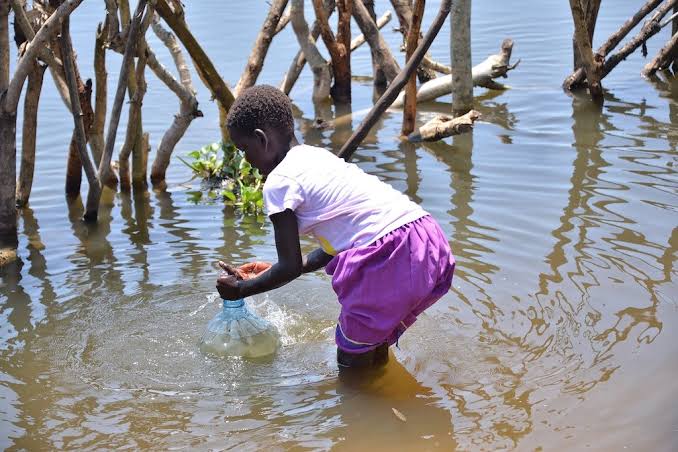
While global trends are encouraging, the burden of drowning remains disproportionately concentrated in low- and middle-income countries, particularly across Africa. The continent’s extensive network of lakes, rivers, wetlands, and coastal communities supports livelihoods, trade, fishing, tourism, and transport. Yet these same water resources also expose millions of people to significant risks, especially where safety infrastructure, swimming education, rescue services, and emergency response remain limited.
Children living near open water, fishing community’s dependent on small boats, and populations relying on water transport continue to face heightened vulnerability. Seasonal flooding and climate-related disasters further increase exposure to drowning across many African countries. Public health experts increasingly argue that drowning prevention should be integrated into broader national development strategies, including disaster risk reduction, education, urban planning, transport safety, and climate resilience.
Uganda is often celebrated as the “Pearl of Africa,” blessed with abundant freshwater resources, including Lake Victoria, Lake Albert, Lake Kyoga, the River Nile, and hundreds of smaller lakes and wetlands. These water bodies underpin tourism, fisheries, transport, agriculture, and energy production. However, they also present persistent safety challenges, Incidents involving overloaded boats, inadequate use of life jackets, unsafe fishing practices, and limited swimming skills continue to contribute to preventable drownings. During rainy seasons, flash floods, submerged roads, and overflowing rivers further heighten the risks, particularly in rural communities.
Although national authorities, marine police, humanitarian organisations, and local governments have strengthened water safety campaigns in recent years, experts contend that prevention efforts require broader community participation and sustained investment. For Uganda, reducing drowning deaths is not solely a health objective; it is also an economic and development priority. Every preventable loss affects families, labour productivity, education, tourism, and community resilience.
Global experience consistently demonstrates that a combination of practical interventions can save lives:
- Constant supervision of children around all water sources, including lakes, rivers, ponds, buckets, bathtubs, and water tanks.
- Teaching children swimming and water survival skills from an early age.
- Wearing certified life jackets during boating, fishing, and water transport.
- Training communities in CPR and emergency response.
- Installing barriers, fences, and warning signs around hazardous water bodies.
- Strengthening regulation and enforcement of water transport safety standards.
These measures are relatively low-cost compared to the profound human and economic consequences of drowning.
As countries strive to achieve the Sustainable Development Goals, drowning prevention deserves greater recognition as both a public health and development issue. Saving lives requires coordinated action by governments, schools, families, community leaders, humanitarian organisations, and the private sector. The global decline in drowning deaths demonstrates that progress is possible. Africa now has an opportunity to accelerate that momentum by adapting proven interventions to local realities.
For Uganda, where water is both a national asset and a source of livelihood, ensuring that communities can benefit from these resources safely is an investment in human capital and sustainable development. Every life saved strengthens a family. Every prevention measure protects a community. The evidence is clear: drowning is preventable. The question is whether societies are prepared to act before tragedy strikes