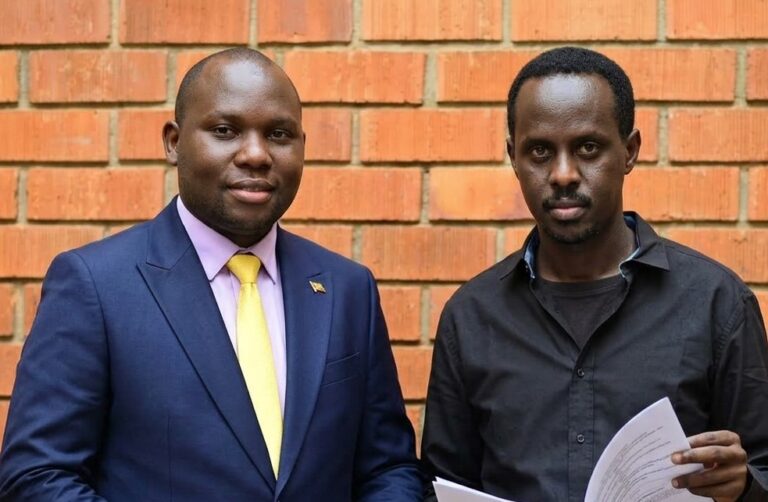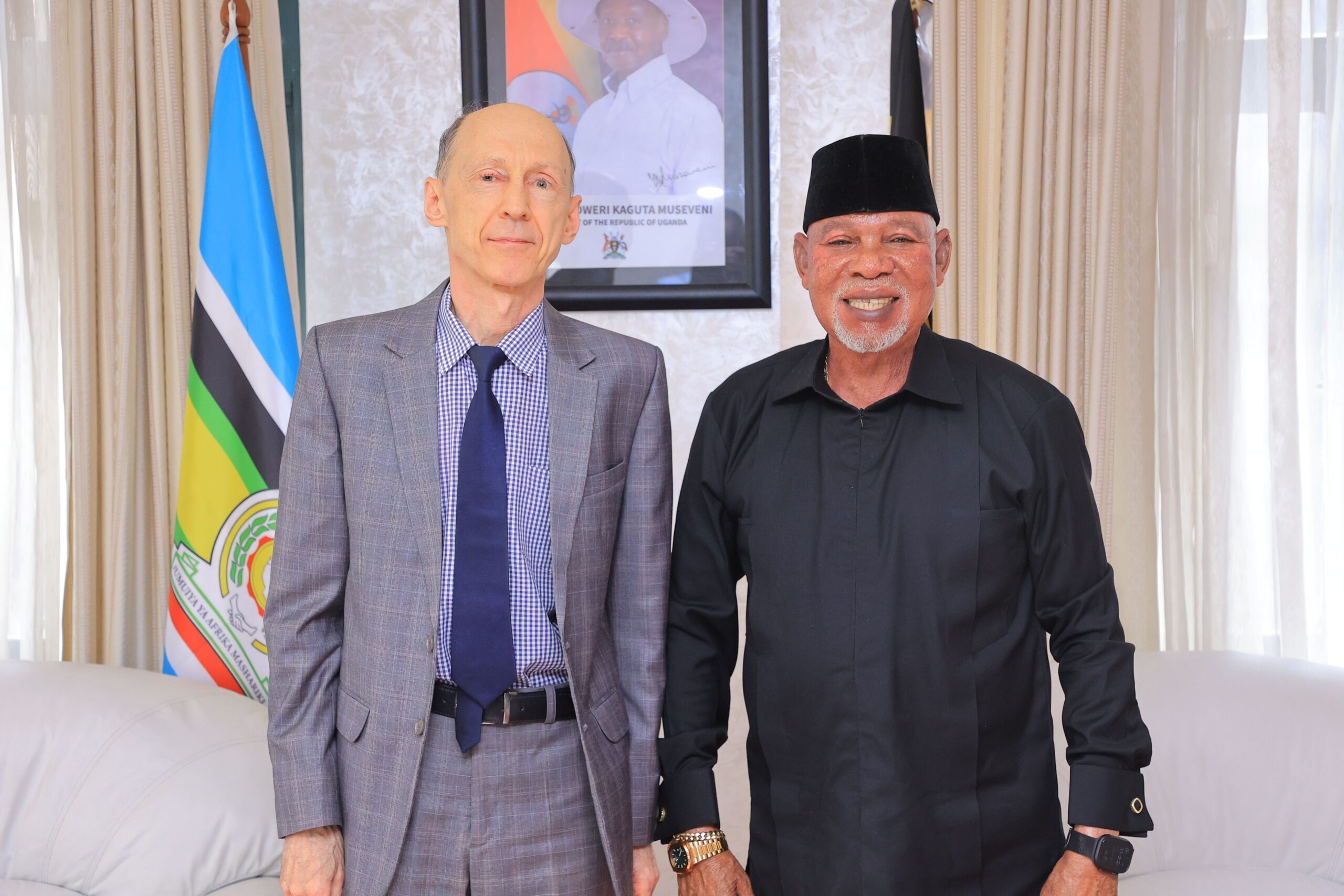
Kampala, Uganda — Uganda and the Russian Federation have reaffirmed their longstanding diplomatic relations and commitment to deeper strategic cooperation following a high-level bilateral meeting between Uganda’s Minister of Foreign Affairs, Hon. Gen. Jeje Odongo Abubakhar, and the Chargé d’Affaires of the Russian Federation to Uganda, Mr. Sergey Lobanov.
The meeting, held in Kampala, reflected the continued momentum in relations between the two countries at a time when geopolitical and economic partnerships between Africa and global powers are undergoing renewed recalibration. Discussions focused on strengthening cooperation across diplomacy, trade, education, technology, and international security, while also preparing the ground for Uganda’s participation in the forthcoming Third Russia–Africa Summit scheduled for 28–29 October 2026 in Moscow.
During the engagement, the Russian Federation formally conveyed an invitation to Uganda to attend the summit, which is expected to convene African Heads of State, policymakers, business leaders, and strategic institutions from both Russia and the African continent. The summit is anticipated to build upon the foundations established during previous Russia–Africa engagements, with emphasis placed on economic cooperation, investment partnerships, industrial development, and emerging technologies.
For Uganda, participation in the summit comes at a time when the country continues to diversify its international partnerships in line with its broader foreign policy objectives and national development priorities. Kampala has consistently pursued a diplomatic approach anchored in strategic non-alignment, constructive engagement, and mutually beneficial cooperation with international partners across both East and West. The Russia’s engagement with Africa has increasingly centred on trade, energy, education, agriculture, and security cooperation. African countries, meanwhile, continue to seek partnerships capable of supporting infrastructure development, industrialization, skills transfer, and expanded market access. Against this backdrop, the Russia–Africa Summit has emerged as an important diplomatic platform for dialogue on shared priorities and global governance issues.
In the course of the meeting, education emerged as a significant area of cooperation between Uganda and Russia. The Russian side acknowledged Uganda’s formal request for an increase in scholarship opportunities for Ugandan students for the 2026–2027 academic year. The request forms part of broader bilateral efforts aimed at strengthening academic exchange, higher education cooperation, and human capital development. Educational diplomacy has remained a notable pillar within Uganda–Russia relations for decades, with many African professionals having benefited from training opportunities in Russian institutions in fields ranging from engineering and medicine to science and international relations. Ugandan officials view expanded scholarship opportunities as an investment in future technical expertise and institutional capacity building.
The discussions also touched on the importance of technology transfer and innovation as drivers of sustainable development. Both parties expressed interest in enhancing cooperation in areas that can support economic transformation, particularly through knowledge exchange, industrial partnerships, and scientific collaboration. On matters of regional and international peace and security, Uganda and Russia reiterated the importance of dialogue, multilateral cooperation, and respect for international law in addressing contemporary global challenges. Uganda continues to play a significant role in regional peacekeeping and mediation efforts within the Great Lakes region and the Horn of Africa, while Russia remains an influential actor in global diplomatic and security affairs.
Diplomatic observers note that Uganda’s engagement with global partners such as Russia reflects a wider continental trend in which African states are increasingly seeking diversified partnerships that align with their domestic development agendas and strategic interests. The evolving global order has intensified competition for influence across Africa, but it has also expanded opportunities for African governments to negotiate partnerships on more balanced and pragmatic terms. Both Uganda and Russia reaffirmed their shared commitment to sustained diplomatic engagement and to further deepening bilateral cooperation for the mutual benefit of their peoples and governments. The meeting underscored the enduring nature of relations between Kampala and Moscow, relations that have continued to evolve through changing geopolitical periods while maintaining channels of political dialogue and cooperation. As preparations begin for the Third Russia–Africa Summit, Uganda’s participation is expected to reinforce its broader vision of strengthening international cooperation, expanding economic diplomacy, and positioning itself within emerging global partnerships shaping the future of Africa’s development trajectory.