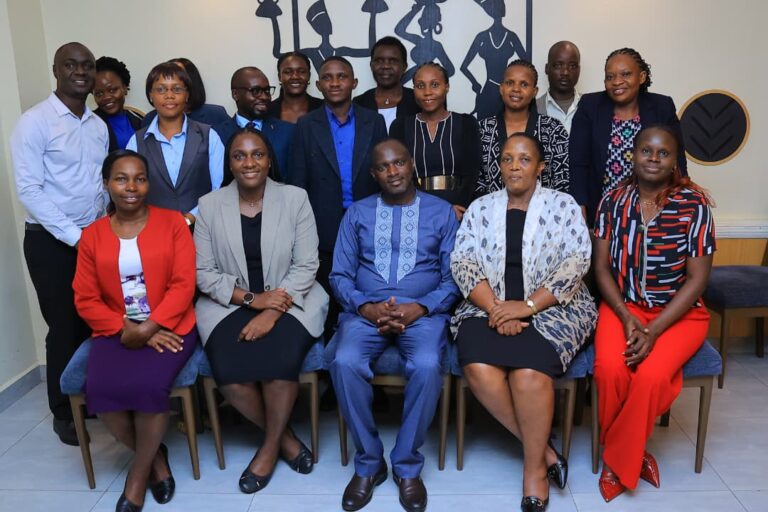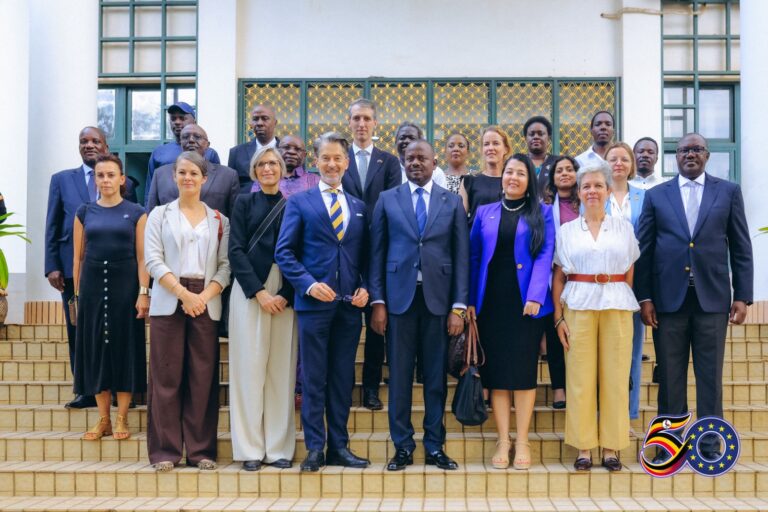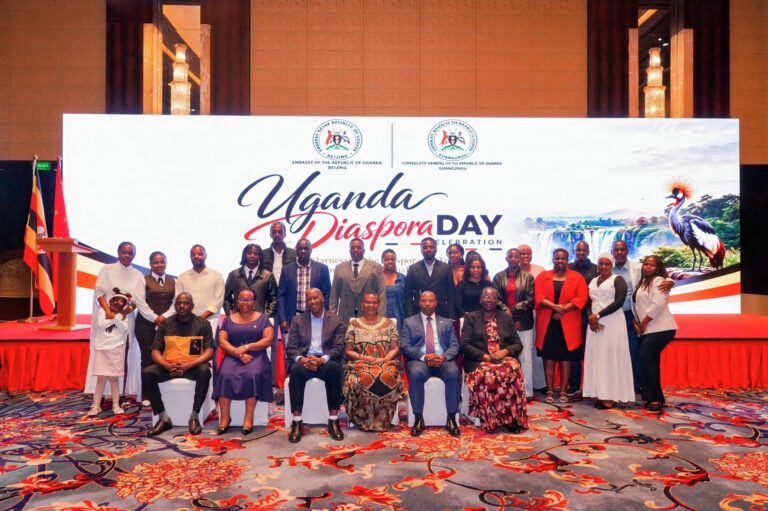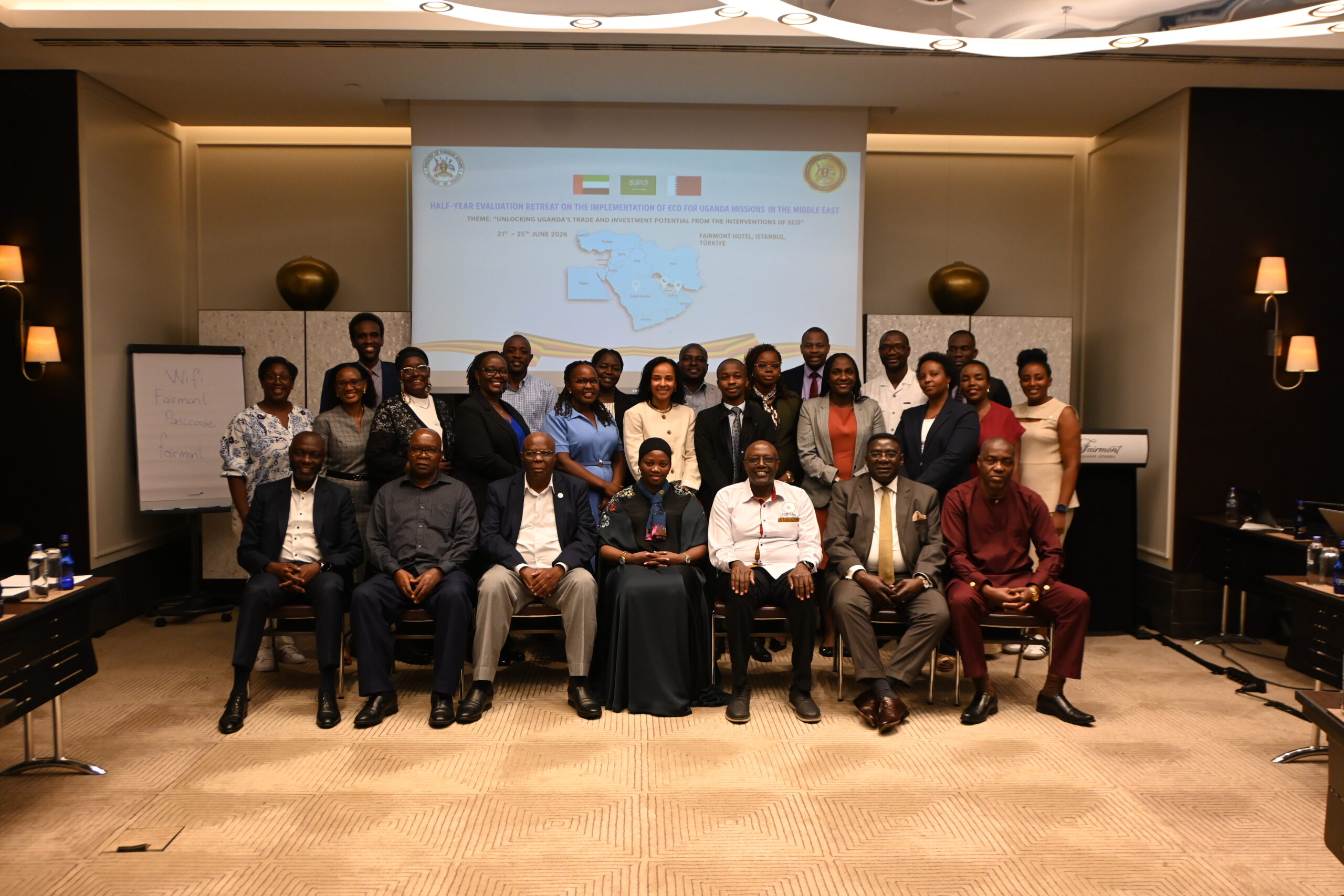
Istanbul, Türkiye — Uganda has intensified its economic diplomacy efforts in the Middle East and Gulf region following a high-level strategic retreat that brought together heads of mission and government officials to assess progress, align priorities, and explore new opportunities for trade, investment, tourism, and economic cooperation. The retreat, organized jointly by the Ministry of Foreign Affairs and the Ministry of Finance, Planning and Economic Development, was held in Istanbul, Türkiye, from June 21–25, 2026. It convened Uganda’s diplomatic missions accredited to key Middle Eastern economies, including Riyadh, Doha, Abu Dhabi, Dubai, and Ankara.
Held under the theme, “Unlocking Uganda’s Trade and Investment Potential through the Interventions of Economic and Commercial Diplomacy (ECD),” the gathering focused on evaluating the performance of Uganda’s economic diplomacy initiatives and strengthening the contribution of diplomatic missions to the country’s development agenda. The meeting comes at a time when Uganda is increasingly positioning diplomacy as a strategic instrument for economic transformation, with government institutions seeking to attract foreign direct investment, expand export markets, boost tourism, and deepen international partnerships.
Opening the retreat, Amb. Henry Mayega, Head of the International Economic Cooperation Department at the Ministry of Foreign Affairs, highlighted the growing recognition of economic diplomacy as a driver of national development. He noted that increased financial support from the Ministry of Finance over the past two fiscal years reflects government confidence in the role played by Uganda’s foreign missions in advancing economic interests abroad. According to Mayega, the enhanced funding should translate into measurable outcomes, urging missions to focus on realistic targets and results-oriented initiatives capable of delivering tangible benefits to Uganda’s economy. “Diplomatic engagements must increasingly demonstrate value through investments attracted, markets secured, partnerships established, and opportunities created for Ugandan businesses and citizens,” he emphasized.
The retreat also provided a platform for discussions on improving coordination among government agencies and strengthening collaboration with private-sector stakeholders. Addressing participants, Amb. Richard Kabonero, Head of Uganda’s newly established Economic and Commercial Diplomacy Hub, acknowledged existing challenges that continue to affect the effectiveness of economic diplomacy. These include coordination gaps between institutions, limited stakeholder engagement, and inadequate access to market intelligence and trade information. He stressed the importance of strengthening reporting systems and ensuring that diplomatic activities are closely aligned with Uganda’s broader economic priorities.
Amb. Kabonero observed that Uganda’s missions abroad are expected to play a more proactive role in supporting the country’s Ten-Fold Growth Strategy, the Fourth National Development Plan (NDP IV), and Uganda Vision 2040, all of which seek to accelerate industrialization, job creation, export growth, and socio-economic transformation. “Our objective is to ensure that economic diplomacy contributes directly to tourism promotion, trade expansion, investment attraction, and sustainable economic growth,” he noted.
A key highlight of the retreat was a strategic briefing on the evolving economic landscape of the Middle East delivered by Joseph Enyimu, Commissioner for Economic Policy Development and Research at the Ministry of Finance. His presentation examined emerging opportunities within Gulf and Middle Eastern markets and provided insights into how Uganda can better position itself to benefit from shifting global economic trends, investment flows, and regional partnerships. The discussions also reviewed the half-term performance of missions for the Financial Year 2025/26 and examined work plans for 2026/27, with a focus on improving efficiency, accountability, and impact.
Hosting the retreat in Istanbul, Amb. Nusura Tiperu underscored the significance of the city as a strategic meeting point connecting Europe, Asia, and the Middle East. She described Türkiye as an increasingly important economic partner and highlighted Istanbul’s role as a global commercial hub, making it an appropriate venue for discussions aimed at strengthening Uganda’s engagement with regional markets. Amb. Tiperu also commended the growing collaboration between the Ministries of Foreign Affairs and Finance, describing it as critical to advancing Uganda’s development ambitions through diplomacy.
Economic Diplomacy as a Development Tool
The Istanbul retreat reflects a broader shift in Uganda’s foreign policy approach, where diplomacy is increasingly being measured not only by political engagement but also by its contribution to economic outcomes. Across Africa, governments are placing greater emphasis on economic and commercial diplomacy as competition for investment, technology transfer, tourism, and export markets intensifies. For Uganda, whose economy continues to pursue industrialization and export-led growth, diplomatic missions are becoming important gateways for attracting capital, promoting trade, and strengthening strategic partnerships. The Gulf and Middle East region remains particularly significant due to its growing investments in infrastructure, agriculture, energy, aviation, logistics, and tourism sectors across Africa.
As Uganda seeks to deepen economic relations with these markets, the role of its diplomatic missions is expected to become increasingly central in identifying opportunities, facilitating partnerships, and promoting the country as a competitive destination for business and investment.
The Istanbul gathering marked the conclusion of a broader series of regional reviews conducted earlier this year for Uganda’s diplomatic missions in Africa, Asia-Pacific, Europe, and the Americas. Together, these engagements form part of a comprehensive effort to enhance the effectiveness of Uganda’s global diplomatic network and align foreign policy more closely with national development priorities. As global economic competition continues to evolve, Uganda’s renewed focus on economic and commercial diplomacy signals a determination to ensure that its international engagements deliver concrete benefits at home transforming diplomacy from a traditional statecraft function into a catalyst for economic growth and national prosperity.