Kampala, Uganda — For years, Uganda’s global athletics story has largely been told through the triumphs of elite runners on distant tracks and city marathons. From the high-altitude communities around Mount Elgon to international podiums, Ugandan athletes have carried the country’s flag with distinction. Yet a quiet transformation is underway one that is shifting the narrative from exporting talent to importing global attention. At the centre of this shift is the Rwenzori Marathon, an initiative that has evolved into one of East Africa’s most compelling examples of sports diplomacy in action. What began as a modest idea has matured into a globally recognised event, now officially listed as a World Athletics Label Road Race an endorsement that places Uganda firmly on the international road racing calendar.
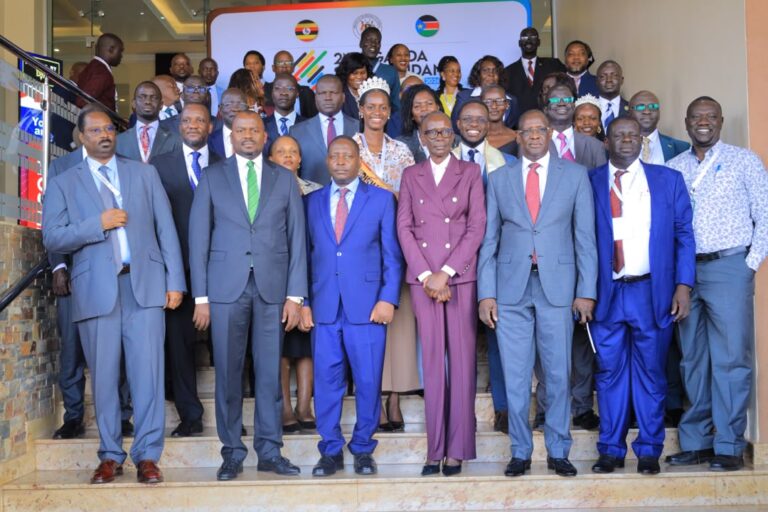
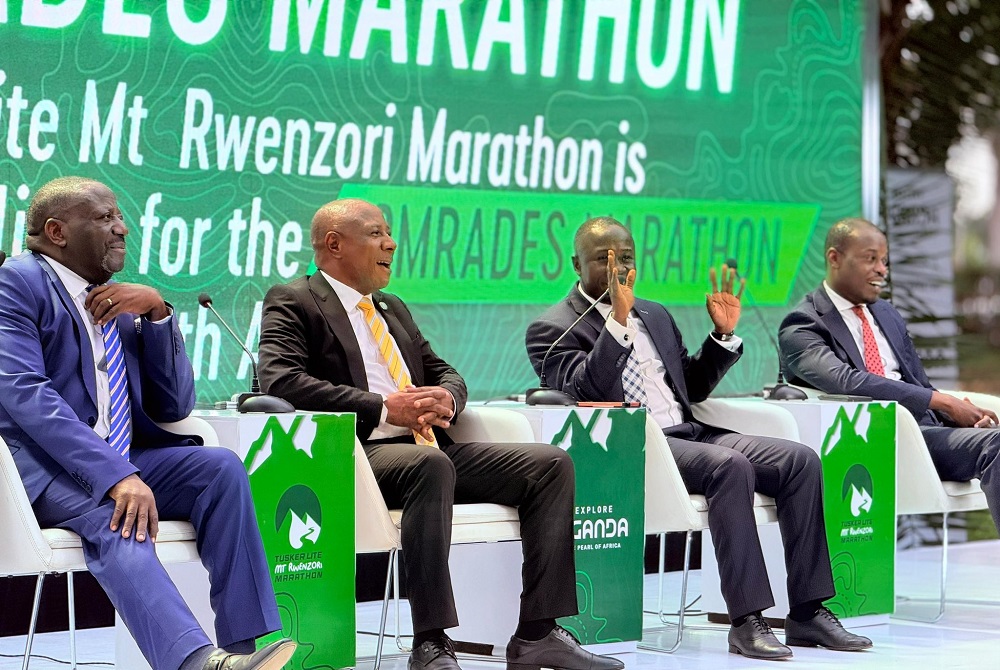
This recognition, recently announced was made by national leaders and sector stakeholders, signaling more than compliance with global standards in race organisation. It affirms a broader strategic vision: that sport can be a bridge between tourism, investment, and international engagement. Set against the dramatic backdrop of the Rwenzori Mountains and stretching through the iconic Queen Elizabeth National Park, the marathon offers a course unlike any other. Runners begin near the Equator and move through landscapes that blend wildlife, culture, and geography into a single experience ending in Kasese town with the mountains rising behind them. It is this fusion of sport and scenery that has elevated the marathon beyond competition into a storytelling platform for Uganda’s natural and cultural assets.
Over its five editions, the marathon has demonstrated a measurable ripple effect with tourism bookings surging in the weeks surrounding the event, with many participants extending their stay to explore western Uganda’s attractions. Hospitality businesses from lodges to local vendors report increased activity, while transport and service sectors benefit from the influx of visitors. In the immediate aftermath, conversations around investment often follow, linking visibility to opportunity.
This intersection of sport and economics reflects a growing policy direction within Uganda’s external engagement framework. Under initiatives such as economic and commercial diplomacy, Ugandan missions abroad are increasingly tasked with promoting the country not only as a destination, but as a partner. Pre-event runs organised in foreign capitals have become part of this strategy, positioning the marathon as a year-round diplomatic tool rather than a single-day event. The journey has not been without its challenges, in its early stages, the marathon operated with limited institutional backing, relying heavily on private sector initiative and community support. Today, that dynamic is shifting, Government involvement both direct and indirect has expanded, with commitments including financial support and logistical coordination. The Ministry responsible for sports pledged significant funding, recognising the marathon’s role in advancing national development priorities.
At the heart of this evolution is Amos Wekesa, widely credited as the driving force behind the initiative. A tourism entrepreneur with a long-standing commitment to promoting Uganda’s global image, Wekesa has consistently framed the marathon as more than a race. His approach often emphasising action over formalities has helped translate vision into reality, mobilising partnerships that cut across sectors. Importantly, the marathon’s impact extends into the host communities, Temporary employment opportunities emerge in event management, security, hospitality, and logistics. Small businesses experience increased demand, while local visibility improves for future tourism flows. Though these gains are concentrated around the event period, they contribute to a broader ecosystem of opportunity.
Globally, the Rwenzori Marathon aligns with a growing recognition that sporting events can serve as catalysts for development when anchored in local contexts. From marathons in major capitals to emerging races in scenic regions, the model is increasingly being adapted to reflect place-based identity. Uganda’s approach integrating conservation, culture, and commerce offers a distinctive variation of this trend. The awarding of World Athletics Label status marks a pivotal milestone, but stakeholders are clear that it is not an endpoint. Rather, it raises expectations around quality, inclusivity, and sustainability. As participation grows, so too does the need to balance international appeal with environmental stewardship and community benefit.
With the next edition scheduled for August 22, 2026, anticipation is already building, registration figures are rising, and interest from both elite and recreational runners continues to expand. For Uganda, the event represents more than a date on the calendar it is a statement of intent. In an era where nations compete not only through policy but through perception, the Rwenzori Marathon illustrates how a single idea, nurtured over time, can reshape a country’s narrative. It brings the world to Uganda’s doorstep, invites engagement beyond headlines, and demonstrates that the future of diplomacy may well be run one kilometer at a time.