June 11, 2026

Cultural Diplomacy

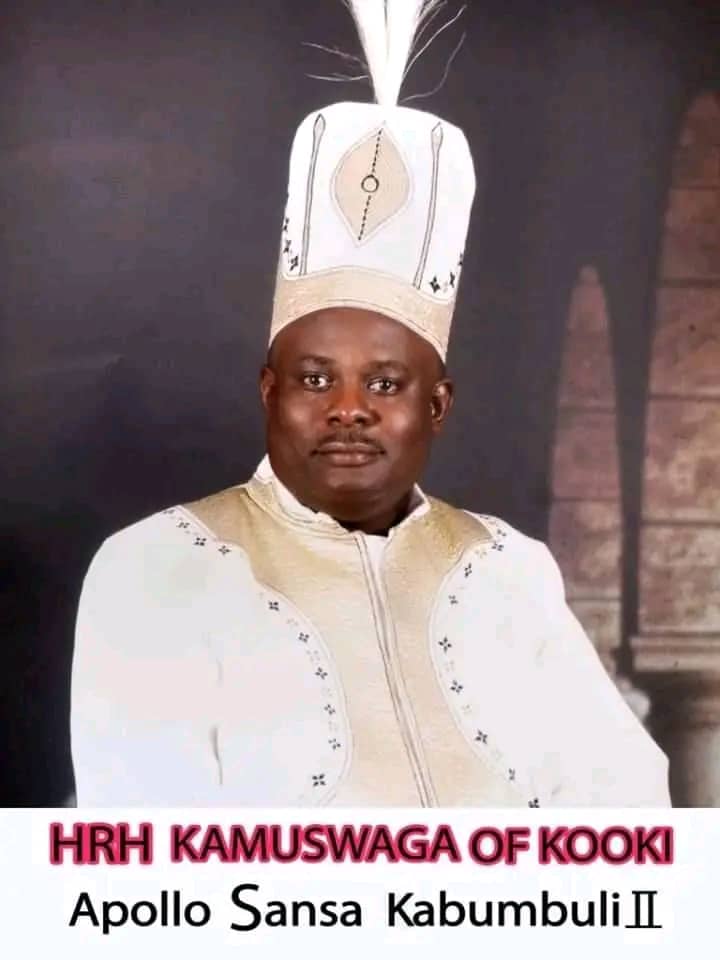
Rakai, Uganda The renewed call by Kamuswaga Apollo Sansa Kabumbuli II for formal recognition of the Kooki cultural institution has once again brought national attention to the complex relationship between traditional leadership, cultural identity, and governance structures in Uganda. Speaking publicly on the matter, the Kamuswaga emphasized what he described as Kooki’s historical autonomy and distinct cultural identity, stating that the institution should not be viewed as subordinate to any other kingdom. “We do not depend on anyone. We are autonomous and no one should consider us to be under another kingdom,” he said, reigniting a debate that has periodically resurfaced within Uganda’s cultural and political discourse.


The latest remarks reflect broader historical sensitivities surrounding identity, heritage, and recognition among traditional institutions in Uganda, where kingdoms and chiefdoms continue to play influential social and cultural roles despite operating within a modern constitutional state framework. Kooki, located in the greater Rakai region, possesses a longstanding historical identity that predates colonial administrative arrangements and post-independence governance structures. While culturally linked in some respects to Buganda due to historical interactions and geographic proximity, sections of the Kooki leadership and community have consistently argued that the institution maintains its own unique heritage, leadership lineage, and governance traditions deserving of independent recognition. The issue therefore extends beyond symbolism alone. For many within the region, recognition debates are closely tied to questions of cultural preservation, local identity, historical interpretation, and community representation within Uganda’s broader national framework.


Uganda’s traditional institutions occupy a distinctive position within public life, Since the restoration of kingdoms and cultural institutions in the 1990s, they have largely functioned as custodians of heritage, culture, and social cohesion rather than political authority structures. However, their influence often extends into areas of local identity, land relations, community mobilization, and regional legitimacy. Debates surrounding recognition frequently emerge from deeper concerns about visibility, historical acknowledgment, and perceived marginalization within larger cultural or administrative arrangements. In multicultural societies such as Uganda, balancing historical identities with national cohesion remains an ongoing governance challenge. The Kooki question also reflects a wider continental conversation around the role of traditional leadership in modern African states. Across Africa, cultural institutions continue to coexist alongside formal government systems, often serving as important pillars of community identity, mediation, and social continuity. Yet questions surrounding jurisdiction, recognition, autonomy, and cultural boundaries periodically generate tensions requiring careful political and institutional handling.


In Uganda, cultural institutions have generally contributed to social stability and heritage preservation, particularly in regions where traditional leadership retains strong public legitimacy. However, disputes over status, territorial influence, or recognition can become politically sensitive if not approached through dialogue and historical consensus-building. Observers argue that the current debate presents an opportunity for broader national reflection on how Uganda manages cultural diversity within a unified state structure. As younger generations increasingly seek reconnection with heritage and identity, demands for visibility among smaller or historically overlooked institutions may continue to grow. At the same time, experts caution against approaches that risk escalating cultural competition or deepening regional divisions. Uganda’s stability has historically depended in part on balancing diverse cultural identities through accommodation, dialogue, and institutional coexistence rather than confrontation. The Kamuswaga’s remarks are therefore likely to resonate beyond Rakai alone. They touch on larger questions regarding how communities interpret history, define autonomy, and seek recognition within evolving national frameworks.


Importantly, cultural recognition debates in contemporary Africa are no longer purely traditional matters. They increasingly intersect with development concerns, tourism potential, heritage conservation, youth identity, and regional representation. Traditional institutions today often function not only as cultural symbols, but also as platforms for social mobilization, economic initiatives, and community diplomacy. For policymakers, the challenge lies in navigating such conversations in ways that preserve national unity while respecting legitimate historical and cultural aspirations. This requires institutional sensitivity, historical understanding, and inclusive engagement among stakeholders.


As discussions surrounding Kooki’s recognition continue, the broader significance may ultimately lie less in institutional rivalry and more in what the debate reveals about Uganda’s evolving relationship with identity, heritage, and nationhood in a rapidly changing society. In a country defined by rich cultural diversity, the management of historical memory and traditional legitimacy remains a delicate but important dimension of long-term social cohesion.
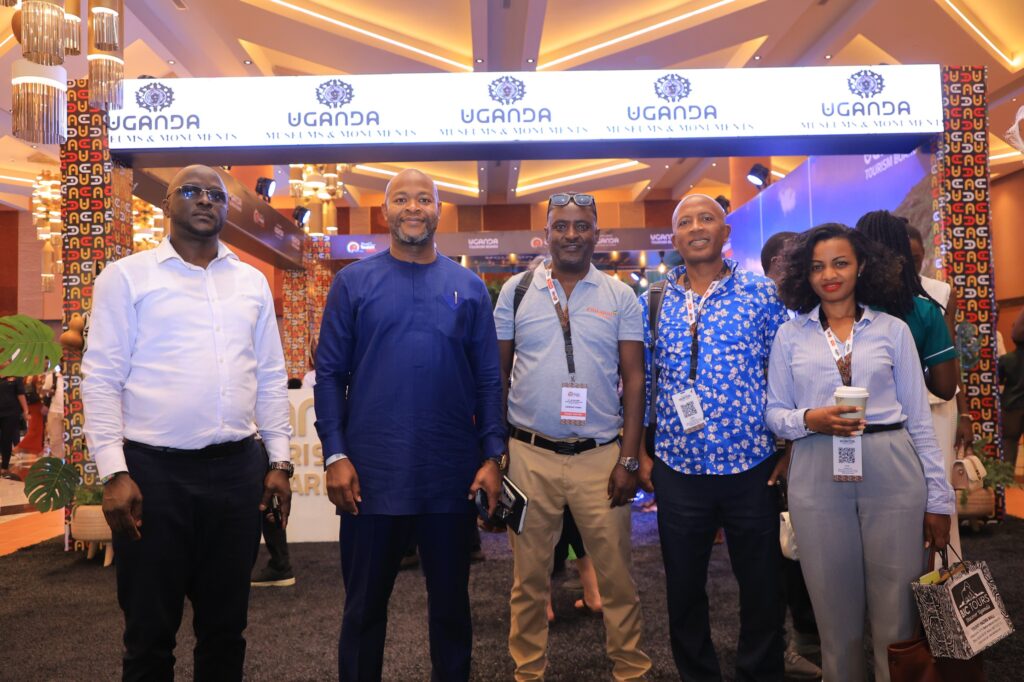
 

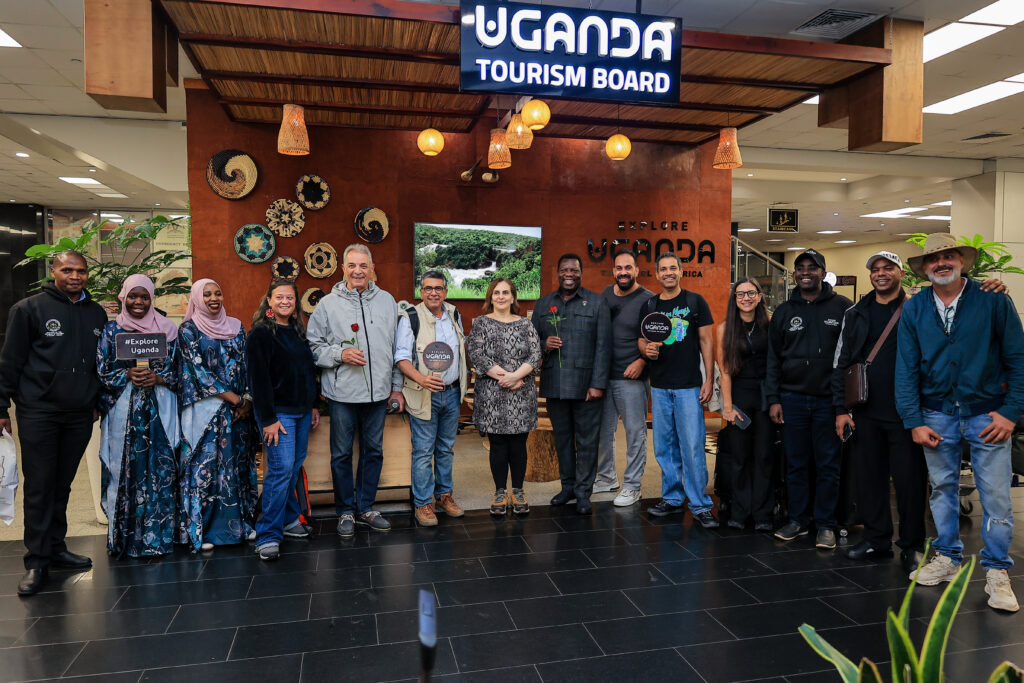
Kampala/Addis Ababa — Uganda has intensified its regional tourism and economic diplomacy efforts with the commencement of a high-level Familiarization (FAM) Trip bringing together Ethiopian media influencers, tour operators, travel professionals, and prospective investors in a strategic initiative aimed at strengthening bilateral cooperation between Uganda and Ethiopia.


The ten-day expedition, organized by the Embassy of Uganda in Addis Ababa under the Economic and Commercial Diplomacy (ECD) framework, begins immediately after the conclusion of the Pearl of Africa Tourism Expo (POATE) 2026, where the Ethiopian delegation participated as part of Uganda’s broader effort to position itself as one of Africa’s leading destinations for tourism, investment, and authentic cultural experiences. The initiative reflects Uganda’s expanding use of tourism diplomacy as a tool for regional integration, trade promotion, investment attraction, and people-to-people engagement across the continent. It also aligns with the Government’s Tenfold Growth Strategy, which identifies tourism as a key driver for economic transformation, job creation, and international visibility.


Speaking during the flag-off ceremony in Addis Ababa before departing for the 87th Ordinary Session of the African Commission on Human and Peoples’ Rights (ACHPR), Uganda’s Ambassador to Ethiopia, H.E. Rebecca Otengo Amuge, described the mission as a practical expression of diplomacy anchored in shared African opportunity and experience-driven partnerships. She noted that Uganda and Ethiopia maintain longstanding historical and continental ties rooted in African solidarity, regional cooperation, and growing commercial engagement. According to the Ambassador, tourism increasingly offers one of the most effective instruments for strengthening intra-African connectivity and reshaping how African countries engage each other beyond traditional diplomatic frameworks. “This journey is more than a tourism circuit,” Ambassador Otengo stated. “It is a bridge of visibility, trust, investment opportunity, and African storytelling. Through this experience, we want our Ethiopian brothers and sisters to encounter Uganda beyond brochures to engage directly with our wildlife heritage, hospitality, business potential, conservation efforts, and the warmth of our people.”


The Ethiopian delegation is expected to participate in a nationwide immersive experience showcasing Uganda’s diverse tourism assets and economic opportunities. The itinerary includes rhino tracking at Ziwa Rhino Sanctuary, chimpanzee tracking, mountain gorilla trekking in Bwindi Impenetrable National Park, coffee tourism experiences in Ntungamo, cultural and community tourism engagements, and visits to spiritual heritage sites including the Uganda Martyrs Shrine at Namugongo. The fam trip has also integrated sustainability-focused activities under Uganda’s “One Visitor, One Tree” initiative, through which participants will engage in symbolic environmental conservation exercises aimed at promoting responsible tourism and climate-conscious travel experiences. Beyond destination marketing, officials say the mission is equally designed to deepen economic linkages between Kampala and Addis Ababa. Uganda’s exports to Ethiopia currently include refined petroleum products, dairy products, cereals, malt extract, and selected industrial commodities. Authorities believe strengthened tourism and aviation collaboration could further unlock investment opportunities in hospitality, logistics, trade, and destination development.


Regional analysts increasingly observe that African countries are turning to tourism diplomacy not merely as a promotional tool, but as part of wider economic statecraft strategies designed to stimulate intra-African trade and reduce overdependence on external markets. The African Continental Free Trade Area (AfCFTA) and the growing push for regional connectivity have further accelerated interest in travel partnerships capable of supporting business mobility and cultural exchange across the continent. Uganda’s latest initiative therefore reflects a broader continental trend in which tourism is being repositioned as a strategic economic sector with implications extending far beyond leisure travel alone. By bringing together investors, travel professionals, and digital influencers, the FAM Trip seeks to create long-term visibility for Uganda within Ethiopia’s outbound tourism and investment ecosystem.


Mr. Michael Wamai, the Economic and Commercial Diplomacy Officer coordinating the trip, described the visit as one of the most strategically designed regional familiarization journeys undertaken in recent years. He explained that the objective goes beyond showcasing destinations to positioning Uganda as a gateway for African opportunity, sustainable investment, and authentic continental experiences. According to Wamai, experiential diplomacy remains increasingly important in an era where travelers and investors seek firsthand engagement rather than traditional promotional campaigns alone. The delegation is expected to conclude the journey in Entebbe after traversing several tourism circuits across Uganda, offering participants direct exposure to the country’s biodiversity, conservation efforts, hospitality industry, spiritual heritage, and emerging economic sectors.


As African nations continue exploring new pathways for regional growth, initiatives such as the Uganda-Ethiopia Familiarization Mission signal a growing recognition that tourism, diplomacy, trade, and investment are becoming increasingly interconnected pillars within the continent’s broader development agenda. For Uganda, the mission represents not only a tourism campaign, but also a strategic statement about Africa’s capacity to build stronger partnerships through shared experiences, regional trust, and collaborative economic opportunity.

Kampala, Uganda — Uganda has intensified efforts to strengthen its position as one of Africa’s leading tourism destinations following the official opening of the 10th edition of the Pearl of Africa Tourism Expo (POATE) 2026, a flagship tourism and investment platform bringing together international buyers, investors, tour operators, media practitioners and hospitality stakeholders from across the globe. Held at Speke Resort Munyonyo under the theme “Wanderlust,” this year’s expo reflects Uganda’s growing ambition to position tourism not only as a leisure industry, but as a strategic pillar for economic transformation, regional integration and global engagement.


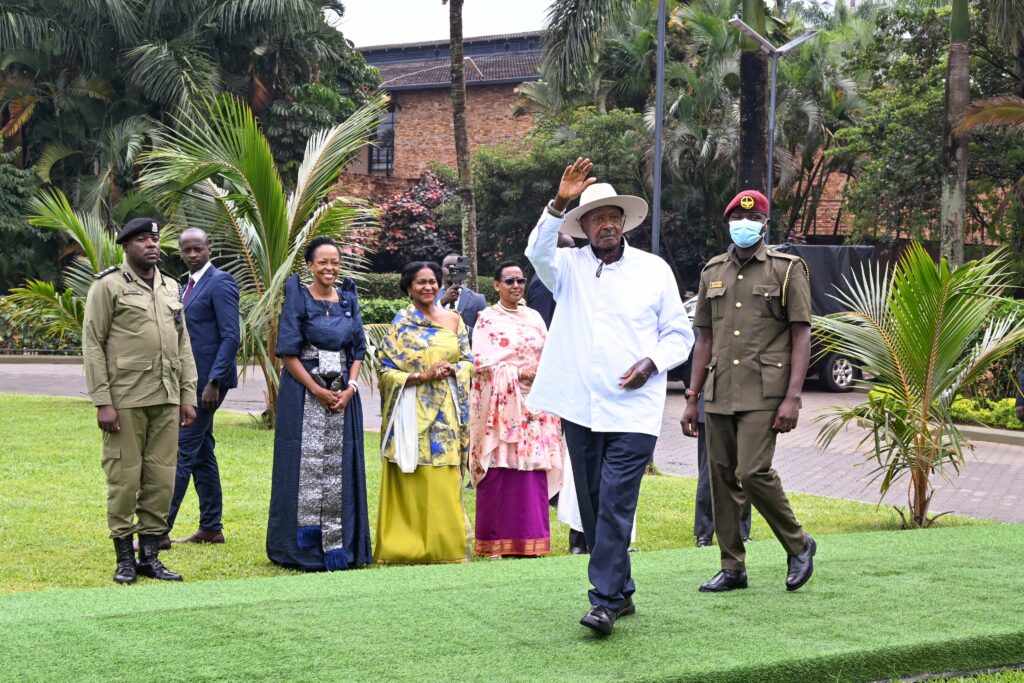
President Yoweri Kaguta Museveni, who officiated at the opening of the three-day event, reaffirmed government’s commitment to promoting tourism as a major contributor to employment creation, foreign exchange earnings, investment attraction and inclusive growth. Addressing delegates and tourism stakeholders, the President described Uganda as one of the world’s uniquely endowed destinations, citing the country’s favourable climate, biodiversity, cultural heritage, peace and natural beauty as key comparative advantages. “Uganda remains one of the most unique tourism destinations because of our favourable climate, rich culture, peace and natural beauty,” President Museveni noted while welcoming international delegates attending the expo.


The President also addressed regional and global concerns surrounding recent Ebola-related developments, assuring visitors and investors that Uganda continues to apply targeted scientific measures to protect public health while maintaining economic openness and stability. “Regarding Ebola, there is no cause for alarm. We are applying targeted measures and continuing to work scientifically to keep people safe while keeping our economy open,” he said. The event further highlighted Uganda’s broader strategy of strengthening intra-African tourism partnerships as part of efforts to diversify tourism markets beyond traditional source regions. One of the notable engagements at POATE 2026 involved a delegation of ten leading Destination Management Companies (DMCs) from South Africa, Namibia, Botswana and Zimbabwe, hosted following a familiarisation tour across Uganda.


The initiative, aimed at giving Southern African travel professionals firsthand exposure to Uganda’s tourism offerings, reflects a growing continental push toward regional tourism cooperation and market integration within Africa’s travel industry. Officials involved in the engagement noted that experiential familiarisation remains one of the most effective tools in destination marketing, particularly in a highly competitive global tourism environment where traveller confidence increasingly depends on authentic endorsements from industry professionals.


The Southern African delegation participated in business-to-business meetings, destination showcases and networking engagements with Ugandan tourism stakeholders during the expo, creating opportunities for investment partnerships, market expansion and cross-border tourism promotion. “Our objective is to strengthen tourism partnerships between Uganda and Southern Africa by giving travel trade professionals a firsthand experience of our destination,” officials involved in the initiative noted during the engagement. “We are confident this initiative will translate into stronger business relationships and increased visitor arrivals to Uganda.” Industry leaders at the expo emphasized that Uganda’s tourism strategy is increasingly being positioned within a wider framework of economic diplomacy and regional connectivity. Beyond wildlife and adventure tourism, the country is seeking to market itself as a destination for investment, conferences, sports tourism and cultural exchange.


Uganda Tourism Board Chairperson Pearl Hoareau Kakooza highlighted the potential impact of sports tourism ahead of the 2027 Africa Cup of Nations (AFCON), which Uganda is set to co-host. “Uganda has officially obtained the rights to host AFCON 2027, and through sports tourism, we expect not just to double but potentially triple the number of visitors next year because of the Africa Cup of Nations,” she stated. The anticipated tournament is expected to significantly boost hospitality, transport, infrastructure development and international visibility, while also accelerating investment into tourism-related sectors.


Tourism officials further stressed that the sector remains one of the country’s strongest engines for youth employment and community empowerment. Permanent Secretary at the Ministry of Tourism, Wildlife and Antiquities, Doreen Katusiime, observed that tourism continues to demonstrate how conservation and economic development can operate simultaneously. “Tourism continues to create jobs for our young people, empower communities, generate foreign exchange, stimulate investment, conserve the environment and support multiple sectors of the economy through its multiplier effect,” she said.


As Uganda advances toward its broader economic ambitions, tourism is increasingly being viewed not merely as a hospitality sector, but as a strategic instrument for soft power, investment promotion and international positioning. The government’s commitment to improving visa processes, strengthening infrastructure and expanding destination marketing reflects recognition that global tourism competitiveness increasingly depends on accessibility, connectivity and visitor experience. POATE 2026 therefore arrives at a significant moment for Uganda’s tourism sector one where regional integration, economic diplomacy and global visibility are converging within a rapidly evolving travel economy. For Uganda, the message emerging from Munyonyo is clear: the country is not only seeking to attract visitors, but also positioning itself as a central tourism and investment hub within Africa’s future growth story.

Kampala, Uganda-Ugandan President Yoweri Kaguta Museveni has announced the postponement of the 2026 Martyrs’ Day celebrations, citing growing public health concerns following reports of an Ebola outbreak in the eastern region of the Democratic Republic of the Congo. The decision, communicated in a presidential statement issued on Tuesday evening, marks one of the most significant public health interventions affecting Uganda’s religious calendar in recent years.


Addressing “Fellow Ugandans, especially the Bazzukulu,” President Museveni stated that the postponement followed consultations with the national epidemic response task force and religious leaders. He noted that a new date for the annual pilgrimage event would be communicated later. “This decision was made because Uganda receives thousands of pilgrims annually from Eastern Congo, which is currently experiencing an Ebola outbreak,” the President said. “To safeguard everyone’s lives, it is essential that this important event be postponed.”


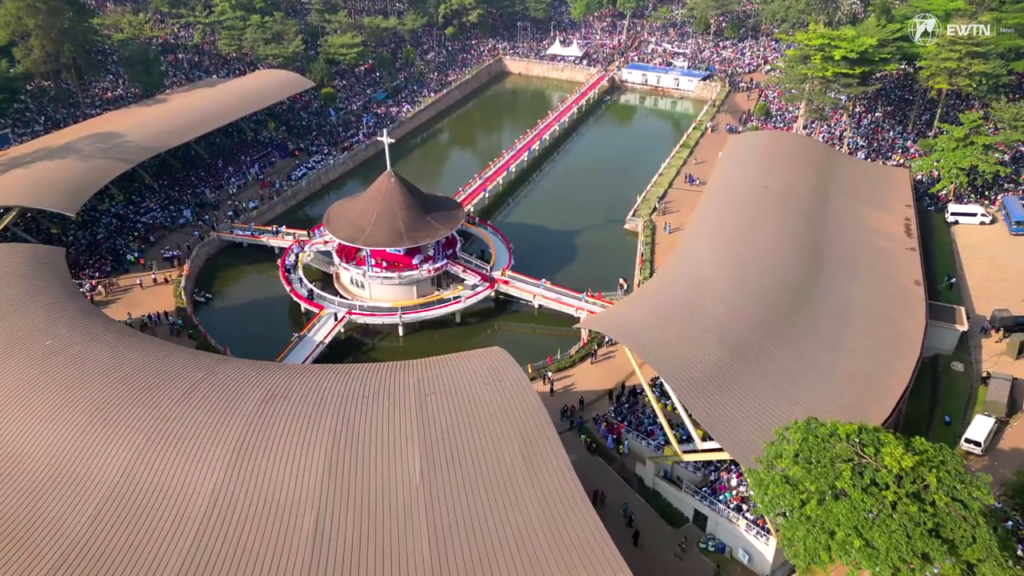
The announcement comes only days after authorities in eastern Congo confirmed fresh Ebola concerns, reigniting regional anxieties over cross-border disease transmission within the Great Lakes region. Given Uganda’s geographic proximity and highly porous movement corridors with eastern DRC, health officials have historically treated outbreaks in neighbouring Congo as immediate regional security and public health concerns rather than isolated national emergencies. Martyrs’ Day, commemorated every June 3 at the Uganda Martyrs Shrine Namugongo, is one of the largest religious gatherings in Africa, attracting millions of pilgrims from Uganda and across the continent. Thousands routinely travel from eastern Congo, Rwanda, Kenya, Tanzania, and South Sudan to participate in the annual commemoration honouring the Uganda Martyrs.

The event is not only spiritually significant but also economically consequential. Hotels, transport operators, informal traders, food vendors, and local businesses around Kampala and Wakiso often experience a major economic boost during the pilgrimage season. The postponement therefore carries implications extending beyond religion into tourism, commerce, and local livelihoods. However, analysts note that the government’s decision reflects lessons learned from past regional health emergencies, particularly Uganda’s previous encounters with Ebola outbreaks linked to cross-border transmission. Uganda has, over the years, earned international recognition for relatively swift epidemic response mechanisms, including border surveillance, community tracing systems, and coordination between health agencies and local authorities.


The latest move also highlights the growing intersection between public health governance and national security policy in East Africa. Infectious disease outbreaks increasingly influence decisions surrounding migration, mass gatherings, religious events, and regional mobility. Governments within the region are now more likely to adopt precautionary containment measures early, especially following the institutional lessons of both Ebola and the COVID-19 pandemic. President Museveni’s message urged pilgrims who had already begun travelling to return home and continue observing precautionary measures. He further encouraged citizens to report suspected illnesses and seek medical attention where necessary. “I encourage those who had begun their journey to return home, continue observing the precautionary measures, report anyone who is sick, and encourage those who are ill to seek medical care,” the statement read.


The postponement is likely to generate mixed reactions among believers and religious communities, particularly given the deep spiritual significance attached to the Namugongo pilgrimage. Yet the involvement of religious leaders in the consultations suggests efforts were made to ensure consensus and avoid tensions between public health authorities and faith institutions. From a governance perspective, the decision may also be viewed as an attempt to prevent Uganda’s health system from facing additional strain should regional infections escalate. Large-scale gatherings involving international movement present heightened risks for rapid disease transmission, especially where screening systems may already be under pressure.


The timing of the announcement is equally important, Uganda continues to position itself as a regional hub for tourism, conferences, religious events, and investment. Any major outbreak linked to cross-border transmission would carry not only health consequences but also economic and diplomatic implications, potentially affecting trade flows, travel confidence, and regional integration efforts within the East African Community. Public health experts have long argued that epidemics in the Great Lakes region cannot be approached through isolated national frameworks alone. The fluid movement of people across Uganda, Congo, Rwanda, and South Sudan means regional coordination remains essential in managing outbreaks effectively.


For now, the postponement of Martyrs’ Day underscores a broader reality confronting governments worldwide: in an interconnected era, public health decisions increasingly shape political, economic, and social stability. While the suspension of one of Uganda’s most symbolic religious events may disappoint many pilgrims, the government appears determined to prioritise containment over ceremony. In the words of the President, “the protection of life must come first.”


Kampala, Uganda — As Uganda intensifies efforts to position itself among Africa’s leading tourism and investment destinations, the arrival of a delegation of United Kingdom-based travel agents ahead of the Pearl of Africa Tourism Expo (POATE) 2026 reflects the country’s growing emphasis on tourism diplomacy, international market engagement, and strategic destination branding.


Received under the coordination of the Uganda High Commission London, the hosted delegation of travel advisors, luxury travel planners, safari specialists, tourism buyers, and destination curators has embarked on a ten-day familiarisation tour across Uganda aimed at deepening travel trade partnerships and expanding destination visibility within one of Uganda’s key tourism source markets. The farm trip comes at a strategically important moment for Uganda’s tourism sector as the country seeks to consolidate post-pandemic recovery gains while repositioning tourism as a central pillar within broader national development and export growth strategies. The familiarisation visit is also taking place ahead of POATE 2026, East Africa’s flagship tourism and travel trade exhibition, which continues to attract international buyers, investors, hospitality operators, and tourism stakeholders from across global markets.


During the visit, delegates are expected to experience Uganda’s diverse tourism offerings, including gorilla trekking encounters in Bwindi Impenetrable National Park, wildlife safaris in Murchison Falls National Park, conservation tourism engagements at Ngamba Island Chimpanzee Sanctuary, and cultural and urban tourism experiences in Kampala. Beyond destination exposure, the initiative highlights Uganda’s evolving approach toward tourism promotion one increasingly rooted in economic and commercial diplomacy. Over recent years, Ugandan missions abroad have adopted more proactive roles in advancing trade, tourism, investment, and export opportunities under the government’s Economic and Commercial Diplomacy (ECD) agenda.


The tourism sector occupies a particularly important position within this framework. Long viewed primarily through the lens of leisure and hospitality, tourism is now increasingly framed by policymakers as a strategic economic sector capable of generating foreign exchange earnings, supporting small and medium enterprises, creating youth employment, and strengthening Uganda’s international visibility. Welcoming the delegation, Uganda’s High Commissioner to the United Kingdom, Amb. Nimisha Madhvani described Uganda as a destination defined not only by natural beauty, but also by investment opportunity, cultural diversity, and growing international connectivity. Her remarks reflected the broader diplomatic messaging Uganda has adopted in recent years: presenting tourism not in isolation, but as part of a wider narrative around economic transformation and global engagement.


At the same time, the involvement of international travel buyers underscores the continued importance of business-to-business tourism relationships within an increasingly competitive global travel market. While digital campaigns and destination marketing remain influential, tourism flows are still significantly shaped by travel advisors, tour operators, and curated destination partnerships capable of influencing traveller decisions across long-haul markets such as the United Kingdom. Uganda Tourism Board Chief Executive Officer Juliana Kagwa further emphasized the importance of regional integration within East Africa’s tourism strategy. She noted that initiatives such as the East African Tourist Visa and regional Open Skies collaboration are gradually strengthening East Africa’s position as a seamless multi-destination tourism region.


This regional approach reflects a wider continental shift toward collaborative tourism competitiveness rather than isolated destination marketing. Increasingly, African tourism authorities are recognizing that connectivity, regional mobility, and shared infrastructure development are central to attracting high-value international travellers seeking multi-country experiences. For Uganda specifically, the United Kingdom remains one of its most strategically important tourism source markets due to historical ties, diaspora linkages, conservation tourism interest, and long-standing travel trade relationships. Strengthening confidence among UK travel agents and destination planners therefore carries broader implications for visitor arrivals, tourism revenues, and international brand positioning.


The hosted familiarisation programme also reflects the changing dynamics of global tourism marketing itself. Modern travellers increasingly prioritize experiential tourism, sustainability, conservation engagement, wellness travel, and authentic cultural interaction over traditional package tourism alone. Uganda’s tourism offering built around biodiversity, adventure tourism, wildlife conservation, and cultural heritage positions the country favourably within these emerging trends. However, officials and industry stakeholders also recognize that sustaining international tourism growth will require continued investments in infrastructure, air connectivity, destination marketing, conservation protection, and service quality. As global tourism competition intensifies, visibility alone is no longer sufficient; destinations must also demonstrate reliability, accessibility, and long-term value for travellers and investors alike.


The Uganda High Commission London reaffirmed its commitment to strengthening tourism diplomacy through strategic partnerships and sustained engagement with international travel markets. Such efforts increasingly place diplomatic missions at the centre of economic promotion, reflecting how foreign policy and tourism development are becoming more interconnected in today’s global economy. As delegates continue their journey across Uganda ahead of POATE 2026, the broader significance of the visit lies not only in showcasing destinations, but also in reinforcing Uganda’s ambition to position itself as a globally competitive tourism and investment destination within Africa’s evolving travel economy.

Kampala, Uganda — Diplomats, government officials, development partners, private sector leaders, and representatives of civil society gathered in Kampala on Thursday evening as the European Union marked Europe Day 2026 alongside the 50th anniversary of diplomatic partnership between Uganda and the EU. Hosted by Amb. Jan Sadek at his Residence, the celebration brought together ambassadors and representatives of all EU member states accredited to Uganda, senior Ugandan government officials, international organisations, cultural actors, youth representatives, and members of the diplomatic corps in what became both a symbolic and policy-oriented reflection on five decades of cooperation.


This year’s celebration carried significance beyond the annual commemoration of Europe Day. It also marked half a century since the then-European Community formally established its delegation in Kampala in 1976, laying the foundation for a relationship that has evolved through political transitions, economic reforms, regional integration, and shifting global realities. Addressing guests, Ambassador Sadek reflected on the historical meaning of Europe Day, tracing its origins to the 1950 Schuman Declaration, proposed by French Foreign Minister Robert Schuman in the aftermath of the Second World War. He noted that the idea behind European integration was to ensure that conflict between European nations would become “not merely unlikely, but unthinkable.” “Since then, the European Union has grown into one of the world’s most successful peace and integration projects,” Ambassador Sadek remarked. “In today’s complex geopolitical environment, the EU remains committed to dialogue, partnership, and predictable international cooperation.”


While rooted in European history, the evening in Kampala focused strongly on the future of EU–Uganda relations and the broader Africa–Europe partnership. Ambassador Sadek described the 50-year relationship as one built not only through development cooperation, but through sustained dialogue, trust, trade, investment, education, and people-to-people connections. The event was attended by Uganda’s Vice President, Jessica Alupo, alongside ministers, parliamentarians, representatives from the Buganda Kingdom, development agencies, business leaders, and officials from the United Nations and World Bank systems.


In her remarks, H.E Rtd MAJ Jessica Rose Epel Alupo the Vice President of Uganda conveyed greetings from President Yoweri Museveni and commended the European Union for what she described as five decades of “constructive partnership and shared progress.” She acknowledged that EU support to Uganda over the years has contributed to improvements in infrastructure, energy, education, humanitarian response, and community resilience. Uganda currently hosts one of Africa’s largest refugee populations, a responsibility she said continues to require strong international solidarity. Trade and economic cooperation emerged as a central theme throughout the evening. Uganda continues to benefit from the European Union’s “Everything but Arms” arrangement, which grants duty-free and quota-free access for Ugandan exports to the European market, excluding arms and ammunition. Amb. Sadek noted that Ugandan exports to the EU have significantly increased in recent years, with coffee remaining one of the country’s strongest export products to Europe.


From Rome and Paris to Berlin, Stockholm, and Amsterdam, Ugandan coffee continues to strengthen commercial and cultural ties between the two regions while supporting livelihoods for thousands of farming households across Uganda. Amb. Sadek also highlighted growing European investment in Uganda through sectors such as renewable energy, agriculture, logistics, manufacturing, technology, and infrastructure development. He linked this cooperation to the EU’s Global Gateway strategy, which seeks to promote sustainable investment partnerships globally. The evening further reflected the increasingly strategic nature of Africa-Europe relations in a changing international order. Beyond development financing, the partnership now encompasses climate action, digital transformation, critical raw materials, youth engagement, education, cultural diplomacy, and regional security cooperation. Uganda’s contribution to regional peacekeeping efforts, particularly through missions in Somalia, was recognised during the ceremony, alongside the country’s longstanding refugee policy and regional diplomatic role within East Africa.


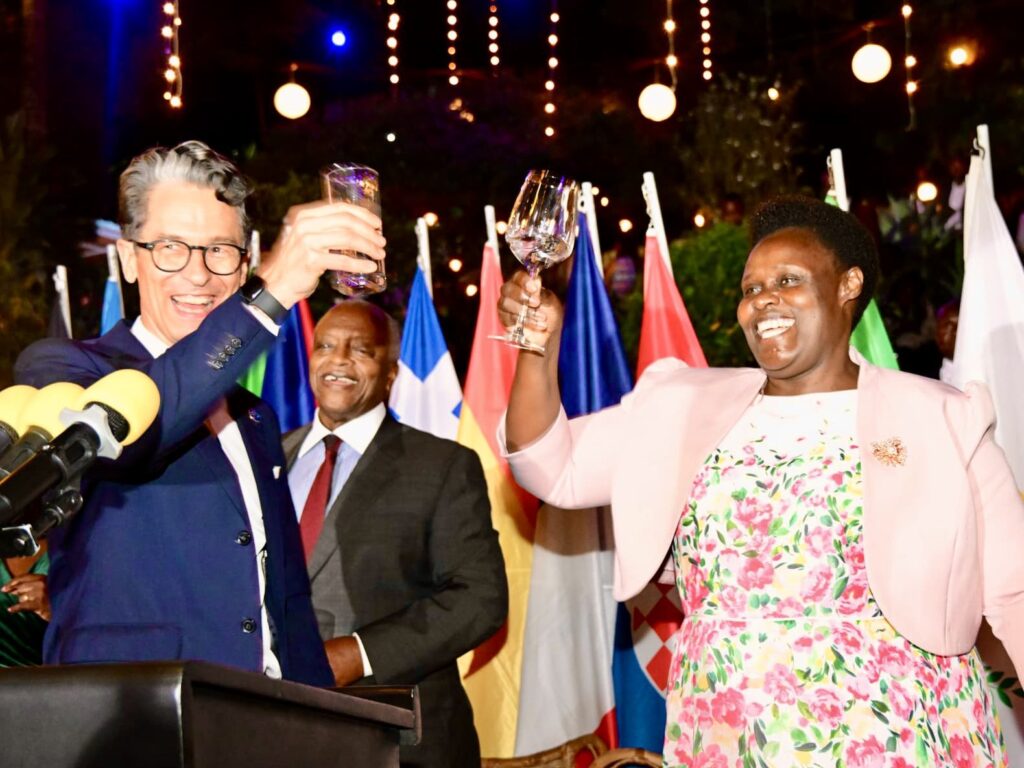
As Europe and Uganda look toward the next phase of engagement, both sides projected optimism grounded in mutual interests and shared global challenges. Upcoming joint initiatives, including business forums, academic exchanges, climate partnerships, and new investment programmes, were presented as part of a broader vision for the future. In many respects, the evening reflected more than diplomatic ceremony. It underscored the continuing evolution of Uganda–EU relations from traditional aid cooperation toward a multidimensional partnership increasingly shaped by trade, innovation, sustainability, and geopolitical collaboration. As guests raised a toast to the next fifty years, the message emerging from Kampala was clear: in an era defined by uncertainty and shifting alliances, long-standing partnerships anchored in dialogue and mutual respect remain central to international cooperation.

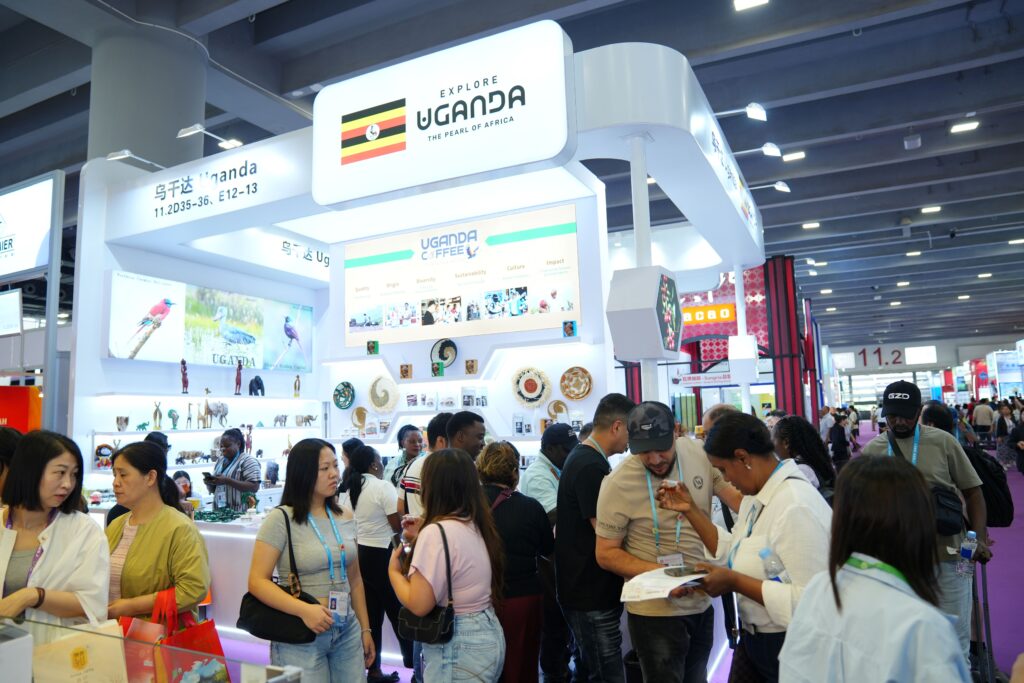
Guangzhou/ China Uganda has reaffirmed its commitment to expanding international trade, attracting investment, and strengthening economic diplomacy through a prominent participation at the 139th edition of the Canton Fair, one of the world’s largest and most influential trade exhibitions. Held in Guangzhou, Guangdong Province from 1 to 5 May 2026, the fair brought together thousands of global buyers, manufacturers, and investors, creating a dynamic marketplace for cross-border commerce. Uganda’s presence was strategically positioned within this global ecosystem, reflecting a deliberate push to expand exports, attract foreign direct investment, and elevate the country’s profile as a competitive investment destination.


The Ugandan pavilion, coordinated through the country’s diplomatic missions in China, showcased a diverse range of export-ready products including specialty coffee, shea butter, organic cosmetics, tea, and artisanal crafts. Exhibitors included Seedstar Specialty Coffee, Elyon Organics, Senela Organics, RhinoSeeds Africa, and Megkari Coffee firms representing Uganda’s growing agro-processing and value addition sectors. Early engagements at the pavilion translated into tangible commercial interest, with several products securing confirmed orders and repeat buyer inquiries within the first days of the exhibition. International visitors expressed particular interest in Uganda’s coffee and natural products, reflecting a broader global shift toward ethically sourced, organic, and traceable commodities. For many exhibitors, the fair served as both a commercial platform and a learning experience. Representatives from Seedstar Specialty Coffee described the exposure as transformative, noting the scale of international interest in Ugandan coffee. Similarly, Elyon Organics highlighted the opportunity as a gateway into broader Asian markets and expressed optimism about sustained engagement beyond the exhibition.


Uganda’s delegation was led by Juju Nsababera, accompanied by senior officials including representatives from the Ministry of Foreign Affairs and defence and diplomatic attachés. The delegation underscored the importance of aligning Uganda’s export strategy with international market expectations, particularly in areas of branding, packaging, and quality assurance. Speaking on the sidelines of the exhibition, Ambassador Nsababera emphasized that Uganda’s participation was not merely symbolic but strategic. She noted that global markets increasingly reward consistency, compliance, and value addition, stressing that Ugandan exporters must position themselves as reliable suppliers of finished and semi-processed goods rather than raw commodities alone. She further highlighted the significance of China’s vast consumer base exceeding 1.4 billion people as a critical opportunity for Ugandan producers capable of meeting international standards. According to her, Uganda’s presence at the fair reflects a broader shift in diplomatic engagement, where embassies and consulates increasingly serve as economic gateways in addition to political missions.


The participation also generated interest beyond trade in goods. Uganda’s pavilion attracted inquiries about tourism, investment opportunities, and cultural exchange. Visitors showed curiosity about eco-tourism destinations such as national parks, mountain landscapes, and cultural heritage sites, reinforcing Uganda’s positioning as a multi-sector investment destination. This growing interest aligns with Uganda’s broader economic diplomacy agenda, which seeks to integrate trade promotion, investment attraction, and tourism development under a unified strategic framework. Government officials have consistently emphasized that international exhibitions such as the Canton Fair are critical platforms for advancing this agenda.


Uganda’s trade relationship with China continues to expand steadily. Bilateral trade currently stands at approximately US$1.46 billion annually, with Uganda exporting coffee, oil seeds, timber, and minerals while importing machinery, electronics, vehicles, and industrial inputs. Despite this growth, officials acknowledge a persistent trade imbalance and view export diversification and value addition as essential corrective measures. Within this context, Uganda’s participation in Guangzhou is seen as part of a long-term strategy to reposition the country within global value chains. By showcasing processed and branded products, Ugandan exporters aim to gradually shift from raw commodity dependence toward higher-value trade integration. Beyond immediate commercial outcomes, the fair also served as a platform for investment promotion. Interest was recorded from potential investors exploring opportunities in agro-processing, energy, manufacturing, and mineral development. Several exploratory discussions were initiated, signaling potential future partnerships that could translate into tangible investment inflows.


The Canton Fair itself remains a cornerstone of global trade, connecting buyers and exhibitors from more than 200 countries and facilitating billions of dollars in transactions annually. Uganda’s consistent participation reflects an understanding that sustained engagement in such platforms is essential for maintaining visibility in competitive international markets. As the exhibition concluded, Ugandan officials expressed optimism that the engagements would yield long-term dividends in export growth, investment inflows, and tourism development. The message from the Uganda pavilion was clear and consistent: the country is positioning itself not only as a supplier of goods, but as a credible partner in global trade and investment networks. In the words of the delegation, Uganda’s presence in Guangzhou was not an endpoint, but a continuation of a broader journey—one aimed at deepening economic ties, expanding opportunity, and embedding the country more firmly within the architecture of global commerce.

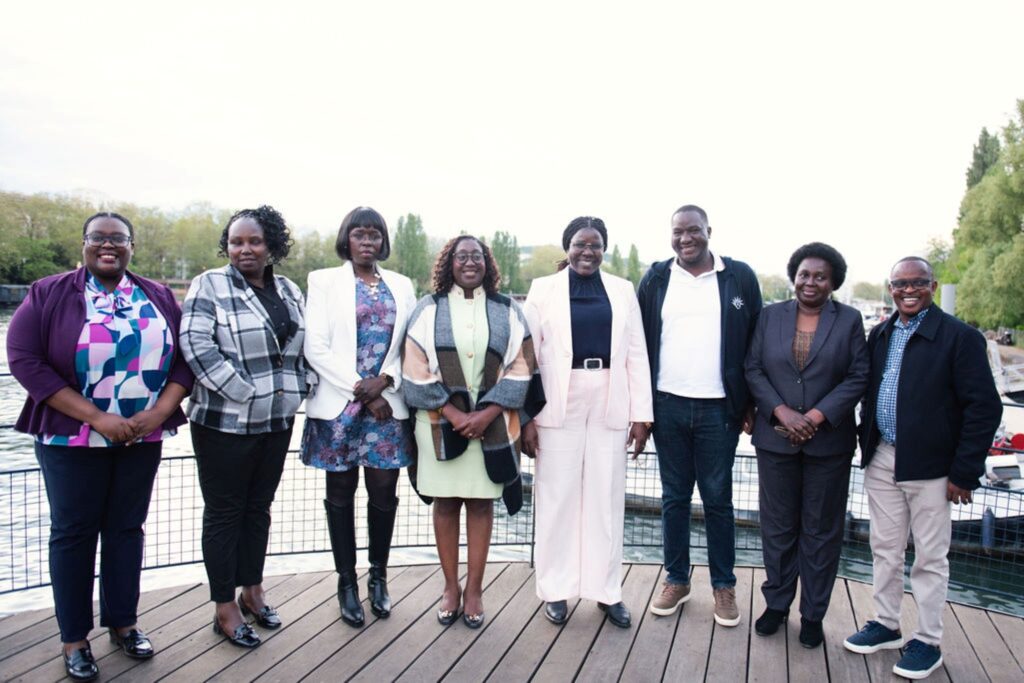
Paris— Uganda has taken a strategic step to elevate its global tourism profile with its feature on Season 20 of the French travel documentary Échappées Belles, broadcast on Saturday evenings on France 5 following its initial airing on April 25, 2026. The one-month feature places Uganda before millions of French and European viewers, positioning the country as a compelling destination within an increasingly competitive global tourism market.


Renowned for highlighting lesser-known destinations, Échappées Belles translated as “Great Escapes” offers immersive storytelling led by host Ismaël Khelifa, who explores destinations through local experiences. The Uganda episode captures an 11-day safari journey across the country’s iconic landscapes, including gorilla trekking, wildlife safaris, and cultural encounters. The production was supported under Uganda’s Economic and Commercial Diplomacy (ECD) programme spearheaded by the Ministry of Foreign Affairs and facilitated by the Uganda Embassy in Paris as part of efforts to strengthen destination visibility in key European markets.


Tourism remains a critical pillar of Uganda’s economy. According to the Uganda Bureau of Statistics, the sector contributed approximately 5.5% to Uganda’s GDP in 2023, with international tourist arrivals surpassing 1.2 million. Europe continues to be a significant source market, with France identified among the priority countries for high-value tourism growth. Industry data further suggests that over 70% of European travelers rely on visual media and documentaries when selecting travel destinations underscoring the strategic importance of such international features. Ahead of the official broadcast, Uganda hosted a high-profile premiere in Paris on April 16, 2026, at La Marina Des Maqeureaux. The event, led by Uganda’s Ambassador to France, Doreen Amule, brought together tour operators, travel journalists, and key decision-makers within the French tourism industry. The objective was to translate media exposure into tangible partnerships and travel demand.


Addressing guests at the premiere, Ambassador Amule emphasized Uganda’s unique positioning in the global tourism landscape. She noted that while European travelers have long explored traditional destinations, Uganda offers a distinct combination of biodiversity, culture, and authenticity that remains largely untapped. Her remarks aligned with Uganda’s broader strategy of leveraging soft power and storytelling to reposition itself as a premium destination. Filmmaker and host Ismaël Khelifa described Uganda as “a true treasure of biodiversity,” highlighting not only its landscapes but also the warmth of its people. His endorsement carries weight, given the program’s wide reach and credibility among French audiences. The show typically attracts between 1.5 and 2 million viewers per episode, offering Uganda sustained exposure over the broadcast period.


Margaret Kafeero, Head of Public Diplomacy at the Ministry of Foreign Affairs, underscored the importance of aligning content with audience behavior. She noted that nearly 80% of French travelers are influenced by television content when choosing destinations, making culturally tailored storytelling a powerful tool in tourism promotion. Her remarks reflect a growing recognition within Uganda’s diplomatic missions of the need to adapt communication strategies to specific markets. From a branding perspective, the Uganda Tourism Board sees the initiative as a model for future engagement. Senior Brand Manager Daniel Irunga explained that the premiere and subsequent broadcast serve not only to raise awareness but to influence travel packages and media narratives within France. He emphasized the importance of Uganda’s missions abroad actively participating in content development that resonates with local audiences.


The documentary also highlights Uganda’s competitive advantages within the region, including its status as home to more than half of the world’s remaining mountain gorillas, as well as its diverse ecosystems spanning savannah, rainforest, and freshwater environments. Such assets position Uganda strongly within the niche market of experiential and sustainable tourism, which continues to grow globally. Following its television broadcast, the Uganda episode of Échappées Belles is also available on digital platforms, including YouTube, extending its reach beyond traditional audiences and enabling continued engagement.


As global tourism rebounds and competition for visibility intensifies, Uganda’s feature on a prime-time European platform represents more than a promotional milestone. It reflects a deliberate shift toward strategic storytelling, market-specific engagement, and the use of media as a tool of economic diplomacy an approach that may define the country’s tourism growth trajectory in the years ahead.

Kampala, Uganda — The Embassy of Uganda in Cairo has received a high-level Egyptian delegation comprising leading figures from tourism, media, arts, and investment sectors for a 10-day familiarisation visit aimed at deepening bilateral cooperation and advancing Uganda’s Economic and Commercial Diplomacy (ECD) agenda.


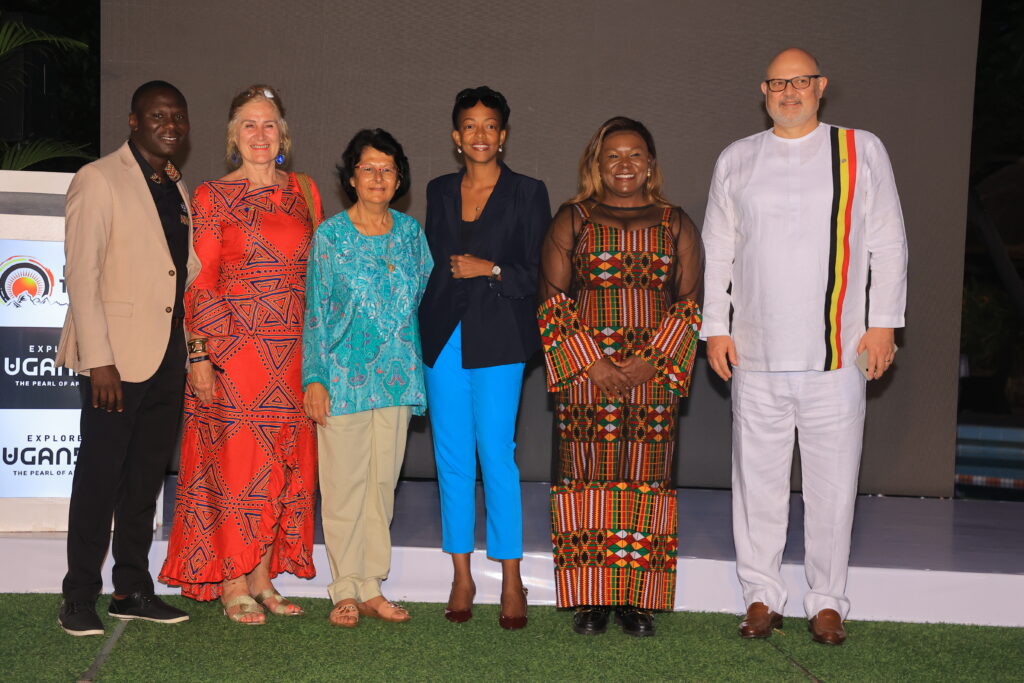
The initiative, anchored in Uganda’s broader foreign policy priorities, seeks to expand trade, tourism, and investment linkages between Uganda and Egypt through structured people-to-people engagement. Upon arrival in Kampala, the delegation was officially welcomed and later hosted at a cultural gala dinner at Ndere Cultural Centre, where Uganda’s diverse heritage was showcased through traditional music, dance, and cuisine offering a symbolic introduction to the country’s cultural and tourism identity.


Speaking during the reception, Lt. Gen. Charles Angina, Uganda’s Chargé d’Affaires in Egypt, emphasized the strategic importance of cultural and professional exchanges in translating diplomatic relations into tangible economic outcomes. He noted that the visit directly supports Uganda’s ATMS development framework Agriculture, Tourism, Minerals, and Science & Technology identifying these sectors as key drivers of future growth.


He highlighted Uganda’s expanding opportunities in agro-industrialisation, value addition, tourism infrastructure, and mineral exploration, encouraging Egyptian investors and partners to explore long-term collaboration. Lt. Gen. Angina further underscored the complementary nature of Uganda and Egypt’s tourism offerings, suggesting the development of integrated travel circuits linking Egypt’s historical heritage with Uganda’s ecological and cultural landscapes.


H.E. Monzer Selim, the Egyptian Ambassador to Uganda, described the visit as a practical expression of public diplomacy, noting that cultural exchange remains a powerful tool in strengthening African cooperation. He encouraged the delegation to act as informal ambassadors of Uganda upon return, sharing insights with Egyptian audiences and promoting greater awareness of Uganda’s opportunities. He further highlighted the significance of South-South cooperation in reshaping development narratives across the continent.


Uganda Tourism Board Chief Executive Officer Juliana Kaggwa commended the coordinated efforts between both missions, noting that strategic partnerships of this nature are essential in positioning Uganda as a competitive global destination. She emphasized the potential for increased tourist flows from Egypt and the broader North African region.


Representing the delegation, acclaimed Egyptian actor and producer Mahmoud Hemida described Uganda as “culturally rich and visually compelling,” noting that the experience had challenged and expanded his perception of the country. Other delegates, including media professionals, tourism executives, and documentary filmmakers, expressed interest in strengthening professional and commercial linkages with Ugandan counterparts.

Over the course of the visit, the delegation will tour key tourism circuits, agricultural value chains, and investment zones across Uganda. The engagement is expected to enhance destination visibility, foster sector partnerships, and contribute to long-term market development.

The initiative reinforces Uganda’s continued commitment to leveraging cultural diplomacy, strategic partnerships, and private sector engagement as instruments for sustainable economic growth under its Economic and Commercial Diplomacy framework.

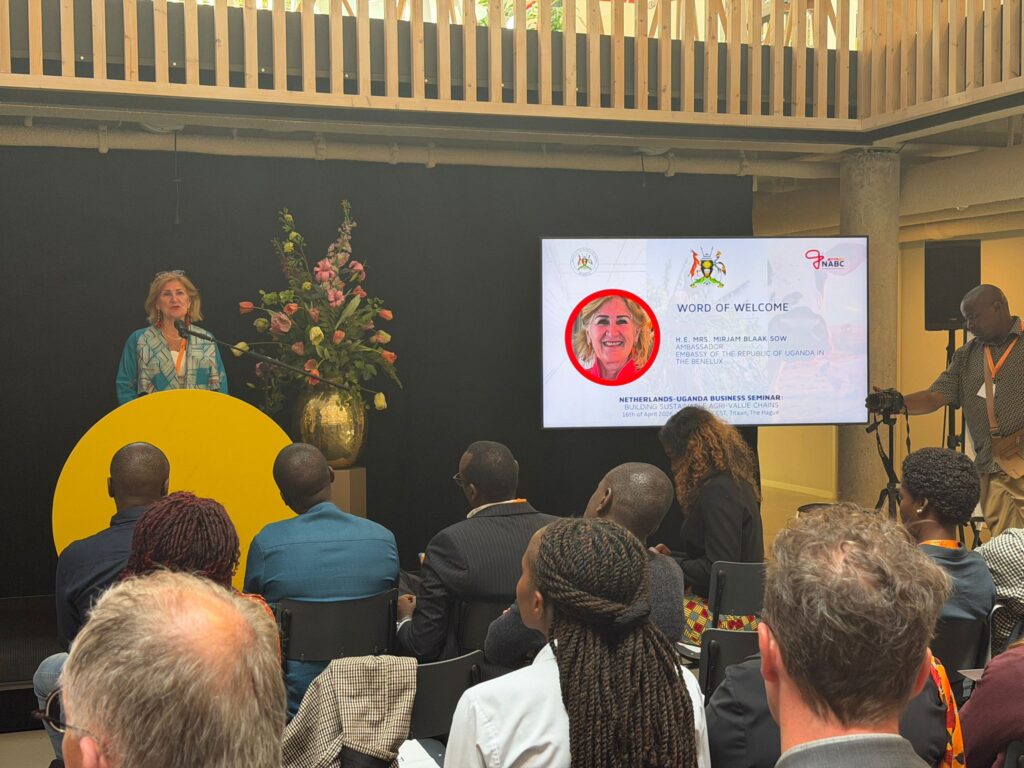
Brussels — As part of a broader effort to strengthen agricultural competitiveness and deepen trade linkages with Europe, a Ugandan delegation of farmers and private sector actors undertook a strategic visit to Rijk Zwaan in the Netherlands. The engagement, held on the second day of the Agri and Horticultural Trade Mission, underscores Uganda’s commitment to modernizing its agricultural systems through knowledge exchange and international partnerships.

Led by the Executive Director of the Private Sector Foundation Uganda, Stephen Asiimwe, alongside Ambassador Beatrice Pacunega, the delegation sought to explore innovations in seed technology, horticultural practices, and market-oriented production. The visit forms part of a wider diplomatic and economic agenda aimed at positioning Uganda as a reliable supplier of high-quality agricultural produce within global value chains.

Rijk Zwaan, a globally respected enterprise in vegetable breeding and seed development, has built its reputation on advancing resilient and high-yield crop varieties tailored to diverse climatic conditions. Its collaboration in Uganda, facilitated through Holland Greentech, has already contributed to improved access to quality seeds and technical expertise for local farmers over the past decade.

During the visit, the Ugandan delegation engaged with agronomists and technical experts to better understand emerging trends in sustainable agriculture, including climate-smart farming, precision irrigation, and post-harvest value addition. These discussions are particularly relevant for Uganda, where agriculture remains a cornerstone of the economy, employing a significant proportion of the population while facing challenges related to productivity, market access, and climate variability.

The mission reflects a growing recognition among policymakers and industry stakeholders that enhancing agricultural output must go hand in hand with improving quality standards and compliance with international markets. Europe, in particular, presents both an opportunity and a benchmark demanding consistency, traceability, and adherence to stringent phytosanitary requirements.

By fostering direct engagement with institutions such as Rijk Zwaan, Uganda is positioning its farmers to move beyond subsistence-oriented production toward commercially viable, export-driven agriculture. The emphasis on value addition ranging from improved packaging to processing signals an intention to capture greater economic returns across the supply chain.

As the trade mission progresses, its impact will ultimately be measured by how effectively these insights are translated into practice back home. If successfully implemented, the knowledge and partnerships cultivated through this visit could contribute meaningfully to Uganda’s agricultural transformation enhancing productivity, strengthening export capacity, and reinforcing the country’s integration into global food systems.

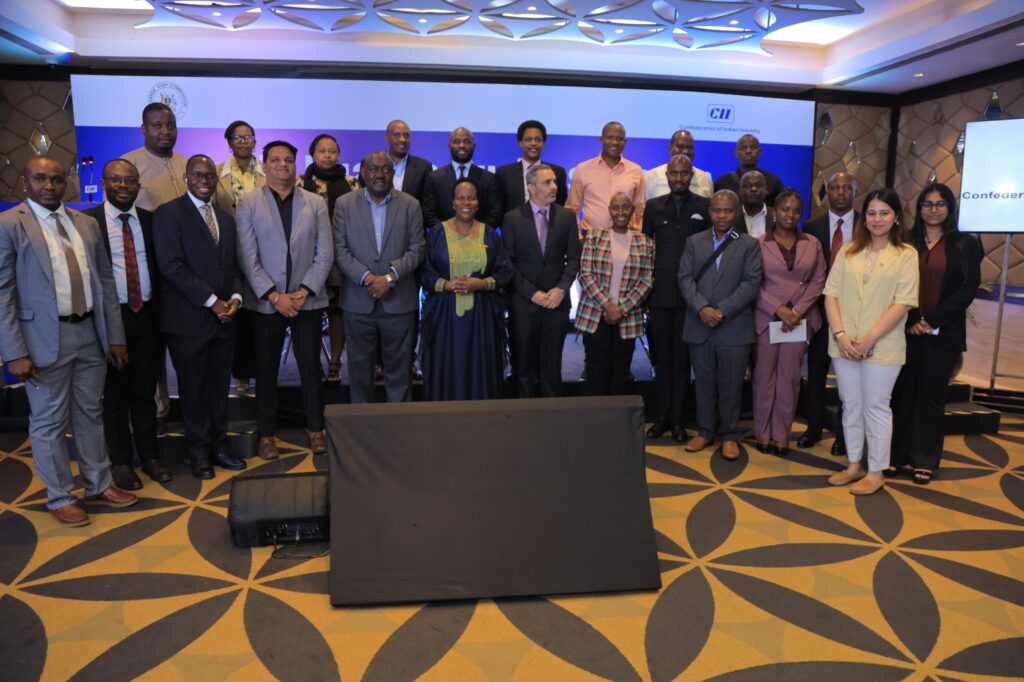
Chennai, India (April 13–17, 2026) — The India–Uganda Business Forum convened in Chennai this week, marking a significant step in advancing bilateral trade and investment cooperation between the two countries. Bringing together policymakers, diplomats, and private sector leaders, the forum underscored a shared commitment to translating long-standing diplomatic ties into tangible economic outcomes.


The Ugandan delegation was received by RV Chari, Chairman of the Confederation of Indian Industry (CII) Chennai Zone and Managing Director of GI Induction, alongside Vinod Saraogi Kumar, Uganda’s Honorary Consul in Chennai. In his remarks, Chari emphasized that India–Uganda relations are anchored in historical linkages, strong people-to-people connections, and shared democratic values. He noted that these foundations have, over time, evolved into structured economic cooperation supported by high-level engagements and institutional partnerships. India remains one of Uganda’s key economic partners, with growing trade volumes and a visible presence across sectors including pharmaceuticals, agriculture, manufacturing, ICT, education, and renewable energy. Chari highlighted the role of the CII in fostering Africa-focused engagement, particularly through the India Africa Conclave, which has become a major platform for business dialogue and cross-continental partnerships.


Addressing the forum, Kumar pointed to Uganda’s accelerating economic trajectory, positioning the country and the broader East African region as a frontier for investment. He cited macroeconomic stability, a conducive business environment, and Uganda’s resource endowment as central drivers of investor confidence. Emphasizing both agricultural potential and mineral wealth, he encouraged Indian businesses to explore opportunities supported by facilitative frameworks such as Uganda’s One-Stop Investment Centre. He also underscored Uganda’s strategic location, offering access to regional markets through established trade corridors across East Africa.


Uganda’s High Commissioner to India, Ambassador Prof. Joyce Kakuramatsi Kikafunda, framed the forum within the broader context of resilient bilateral relations. Reflecting on historical challenges, including the expulsion of Asians in 1972, she noted the subsequent restoration of trust under President Yoweri Museveni’s leadership, which has enabled the return and reintegration of a vibrant Indian diaspora now exceeding 40,000 people. Ambassador Kikafunda outlined Uganda’s investment priorities, highlighting sectors such as agro-industrialization, value addition, science and technology, and mineral development, including oil and gas. She revealed that Uganda is on track to commence oil production by July 2026, opening new avenues for downstream investment. While bilateral trade currently stands at approximately USD 1.4 billion largely in India’s favor she emphasized Uganda’s export potential of up to USD 900 million, much of which remains untapped.


Positioning Uganda as the “heart of Africa,” she called for strategic investments that leverage regional integration and support the country’s long-term development agenda under Vision 2040. The forum concluded with a renewed call for private sector collaboration to drive inclusive growth and rebalance trade, reinforcing the message that Uganda is firmly open for business.

Kampala, Uganda — Uganda’s positioning as an emerging global tourism destination received renewed endorsement this week, following an 11-day familiarization tour by Canadian tour operators, influencers, and travel professionals. The delegation, comprising travel journalists, investors, and media practitioners, concluded their nationwide expedition with a debrief at the Ministry of Foreign Affairs, where they shared reflections that consistently pointed to Uganda as a market-ready destination for the North American audience. The tour, coordinated by the Uganda High Commission in Ottawa, forms part of a broader strategy to deepen tourism diplomacy and expand Uganda’s footprint in Canada’s outbound travel market. Participants visited key destinations across the country, engaging with Uganda’s diverse ecosystems, wildlife reserves, and cultural heritage sites.


Addressing the delegation, Undersecretary Stephen Kyaterekera emphasized the Government’s sustained commitment to leveraging tourism as a pillar of economic transformation. He highlighted Uganda’s comparative advantages ranging from biodiversity to cultural richness while noting a steady increase in Canadian arrivals, from 7,542 in 2022 to 9,688 in 2024. The upward trend, he observed, reflects growing interest but also signals significant untapped potential.  Kyaterekera underscored the strategic value of experiential promotion, noting that while diplomatic missions play a role in marketing destinations, authentic narratives from international visitors carry greater influence in shaping perception. This aligns with evolving global tourism trends, where peer-driven storytelling and digital influence increasingly inform travel decisions.


Members of the delegation described Uganda as “unexpectedly diverse” and “deeply authentic,” citing national parks, cultural immersion experiences, and the hospitality of local communities as standout elements. Beyond leisure, they identified opportunities for investment in eco-tourism, hospitality infrastructure, and sustainable resource utilization areas seen as critical to scaling Uganda’s tourism sector. Supporting this outlook, Ambassador Allan Kajik, Chargé d’Affaires in Ottawa, pointed to ongoing infrastructure developments aimed at enhancing accessibility. These include new and upgraded air transport facilities designed to connect remote tourism circuits to international gateways. He also addressed prevailing misconceptions around safety, reaffirming Uganda’s stability as a destination open to visitors across all regions.


The engagement further highlighted the role of diaspora and media partnerships in strengthening bilateral ties. With an estimated 20,000 Ugandans residing in Canada, stakeholders view the diaspora as a strategic bridge for cultural exchange, investment, and destination marketing. As Uganda advances its economic and commercial diplomacy agenda, tourism remains central to its growth strategy. The visiting delegation’s commitment to promote Uganda across Canada and North Americawith ambitions to double arrivals to over 20,000 by 2028 signals growing confidence in the country’s global tourism proposition. In a competitive global travel landscape, Uganda’s appeal appears to rest not only in its natural assets, but in its ability to offer experiences that resonate beyond the itinerary an advantage increasingly shaping destination choices worldwide.


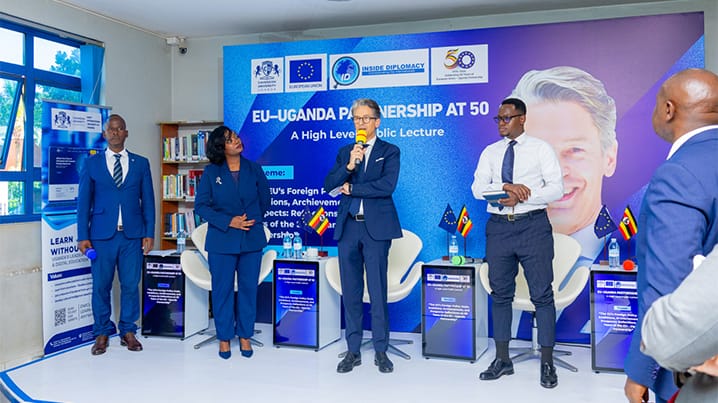
A high-level public diplomacy engagement hosted at Cavendish University Uganda brought into focus five decades of cooperation between European Union and the Republic of Uganda, offering a reflective and forward-looking dialogue anchored in youth engagement, multilateralism, and sustainable development. Convened under the theme “EU Foreign Policy Goals, Ambitions, Achievements and Prospects: Reflections on 50 Years of EU–Uganda Partnership,” the forum underscored the enduring relevance of public diplomacy in shaping informed and inclusive international relations.

Delivering the keynote address on behalf of the Permanent Secretary, Brian Mwesigwa, Minister Counselor at the Ministry of Foreign Affairs, traced the origins of the partnership to the establishment of the EU Delegation in Kampala in 1976. He observed that over five decades, the relationship has remained firmly grounded in dialogue, mutual trust, and a shared commitment to a rules-based international order. The European Union’s contribution exceeding €5 billion in development cooperation, complemented by significant private investment has supported Uganda’s socio-economic transformation, particularly in infrastructure, social services, and post-conflict recovery.

As Uganda’s development trajectory evolves, so too has the character of the partnership. Emphasis has progressively shifted toward sustainable growth, private sector development, and job creation, with particular attention to the country’s youthful demographic. With one of the youngest populations globally, Uganda’s “youth dividend” was highlighted as both a strategic opportunity and a policy imperative. Investments in digital infrastructure, innovation ecosystems, and micro, small and medium-sized enterprises are enabling greater participation of young people and women in the economy, fostering resilience and inclusion. The European Union’s continued support in humanitarian response was equally acknowledged, particularly in light of Uganda’s progressive refugee policy, which has positioned the country among the largest refugee-hosting nations in Africa. EU assistance has strengthened both emergency response mechanisms and long-term resilience among host communities, reinforcing shared principles of solidarity and responsibility.

In his remarks, Jan Sadek offered a candid reflection on the evolving practice of diplomacy in a digital era. He emphasized that modern diplomacy increasingly extends beyond formal channels into public engagement, where transparency, accessibility, and dialogue with citizens especially young people are indispensable. Through digital platforms and open forums, diplomacy is becoming more participatory, complementing traditional statecraft with real-time interaction and public accountability. Ambassador Sadek further reflected on the European Union’s own historical evolution as a peace project rooted in cooperation, integration, and shared governance. While acknowledging contemporary global complexities, he reaffirmed the EU’s commitment to multilateralism and enduring partnerships with regions such as Africa.

The engagement at Cavendish University Uganda thus served not only as a commemoration of past achievements but also as a strategic platform for cultivating the next generation of global actors. As EU–Uganda relations advance, their continued vitality will depend on adaptive diplomacy, inclusive growth, and the active participation of informed and engaged citizens.