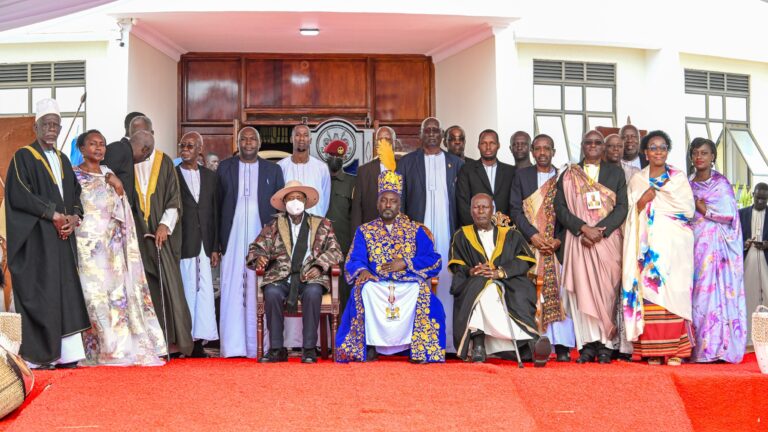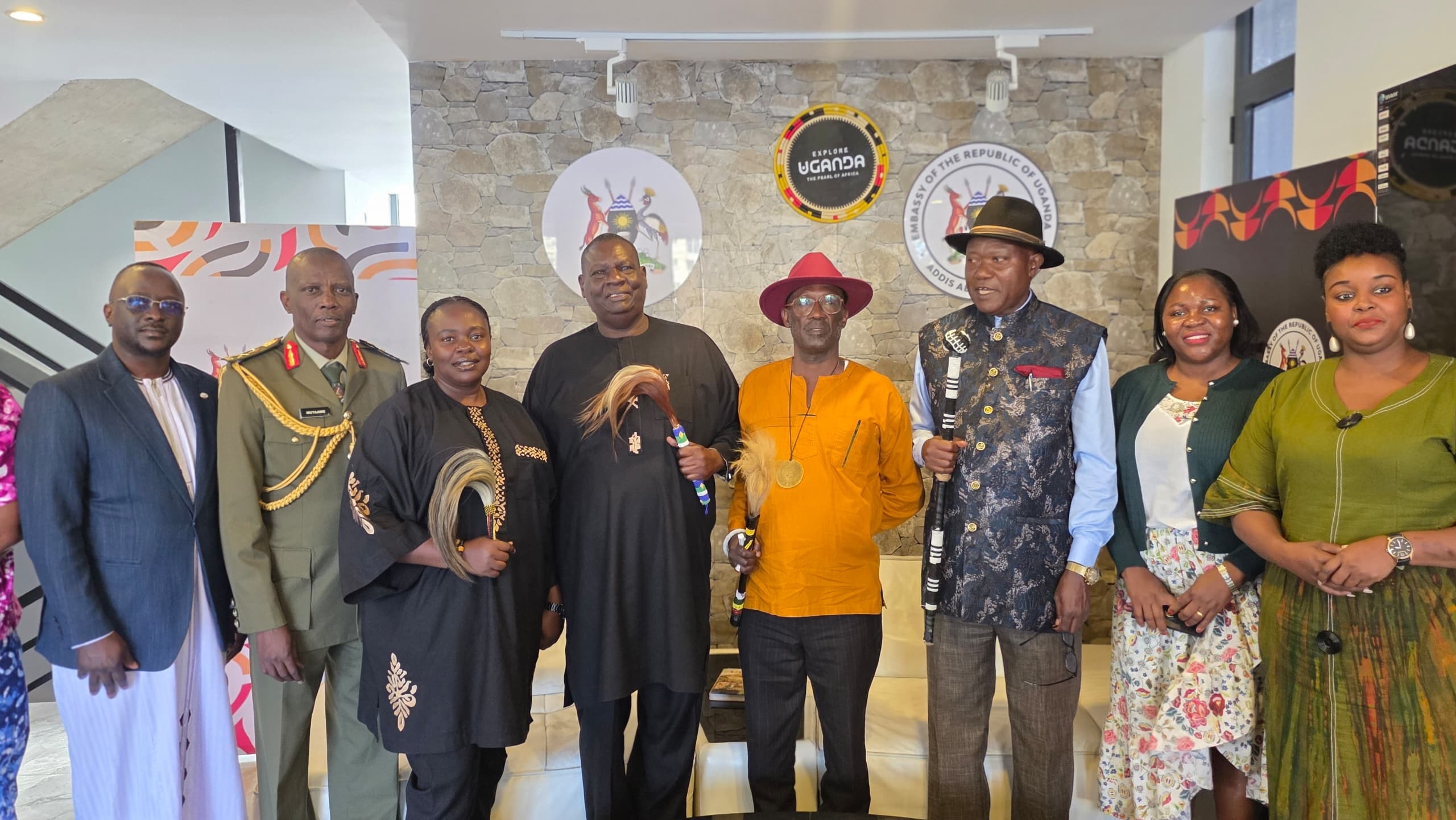
ADDIS ABABA, Ethiopia | Uganda’s cultural diplomacy took centre stage in Addis Ababa as a delegation of traditional leaders visited thebUganda Embassy of the Republic of Uganda in Addis Ababa, using their participation in the 6th Continental African Traditional Leaders Conference, Africa Celebrates 2026, to strengthen engagement between Uganda’s cultural institutions and its diplomatic mission to the African Union.

The delegation comprised HRM Emorimor Papa Paul Sande Emolot, of Teso; HRM Juliet among Emolot Atomeileng, Queen of Teso; HRH Isabaruuli Isabarongo Mwatyansozi Mwogezi Butamanya, Cultural Leader of Buruuli; and HRH Sir Jude Mike Mudoma, the Omukuuka of Bamasaba.
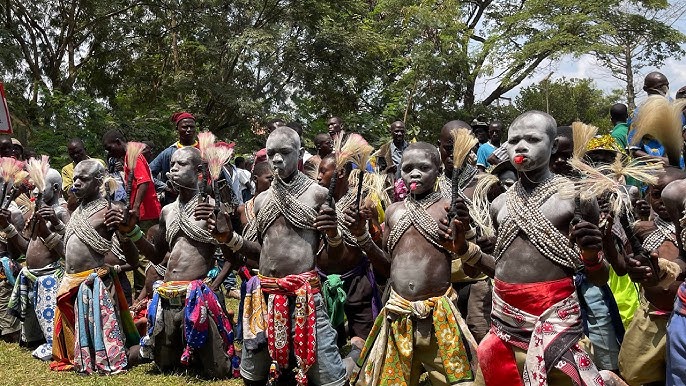
During their engagement with Embassy officials, discussions focused on strengthening collaboration between traditional institutions and diplomatic missions in promoting Uganda’s cultural identity, advancing community cohesion and positioning cultural heritage as a resource for continental cooperation and sustainable development. The visit demonstrated the complementary roles of cultural leadership and diplomacy in projecting Uganda’s national identity beyond its borders. Traditional institutions remain important custodians of indigenous knowledge, languages, values and heritage, while diplomatic missions provide platforms for translating these cultural assets into international visibility, partnerships and opportunities.
The delegation also visited the Addis International Convention Centre for the 15th All Africa Leather Fair (AALF 2026) and the All Africa Leather Awards, where Ugandan enterprise and craftsmanship received continental recognition. The traditional leaders congratulated Ugandan designer Yoram Atuhamize, of Jora Shoes Co. (U) Ltd, following his recognition among the Top 15 African Leather Exhibitors and Designers. His socially conscious footwear initiative, Ride to Live Africa Safety Initiative, demonstrated how local creativity can respond to practical societal needs while creating commercial value.
The recognition offered an important illustration of the connection between cultural identity, innovation and economic diplomacy. Uganda’s creative industries, including fashion, leather production, crafts and design, have considerable potential to support value addition, enterprise development, employment and access to regional and international markets. By celebrating the designer’s achievement, the cultural leaders reinforced the importance of promoting Ugandan talent as part of the country’s broader economic and cultural presence on the continent.
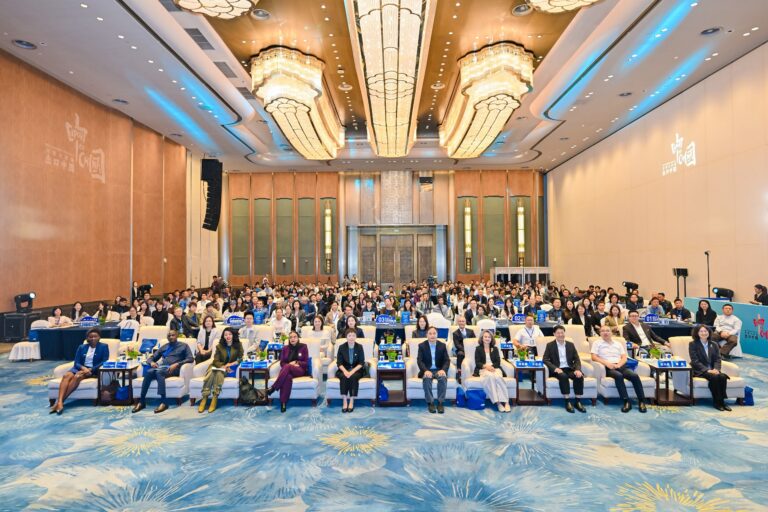
Held at the African Union Headquarters from 10–15 November 2026, the 6th Continental African Traditional Leaders Conference brought together traditional leaders from more than 46 African countries and the diaspora. A major outcome was the signing of the Addis Ababa Declaration and the launch of the African Traditional Leaders Council (ATLC), intended to strengthen the participation of traditional institutions in addressing shared continental priorities.
The conference highlighted the contribution of traditional leadership to peacebuilding, conflict resolution, cultural preservation, environmental stewardship and intergenerational knowledge transfer. It also explored opportunities for traditional institutions to support the African Continental Free Trade Area (AfCFTA) by championing local enterprise, cultural industries and youth participation in economic development.
For Uganda, the engagement presents an opportunity to strengthen the interface between cultural diplomacy and economic and commercial diplomacy. Uganda’s kingdoms and traditional institutions are not merely custodians of history; they can also serve as partners in tourism promotion, cultural exchange, investment attraction and the development of creative industries.
The Embassy’s engagement with the delegation and its recognition of Ugandan exhibitors demonstrate how diplomacy can connect heritage with contemporary development priorities. Ultimately, Uganda’s cultural influence abroad will depend not only on how effectively its heritage is presented, but also on how strategically that heritage is translated into partnerships, trade, tourism and opportunities for its people. Through cultural diplomacy, Uganda is projecting more than its traditions; it is presenting a confident national identity, celebrating its innovators and contributing to Africa’s shared development agenda.