June 2, 2026

Editor

Kampala, Uganda — Uganda is sharpening its focus on economic diplomacy, regional integration, and industrial expansion as momentum builds toward First Oil, with policymakers and industry leaders converging around a shared objective: ensuring that petroleum development catalyzes broad-based economic transformation. Deliberations at a high-level oil and gas symposium, held on the margins of the 11th Oil and Gas Convention, reflected a growing consensus that Uganda’s hydrocarbon resources must serve as a springboard for industrialization rather than an end in themselves. The conversation, while anchored in energy, extended into trade policy, infrastructure, and regional cooperation under scoring the multi-sectoral implications of the country’s oil ambitions.


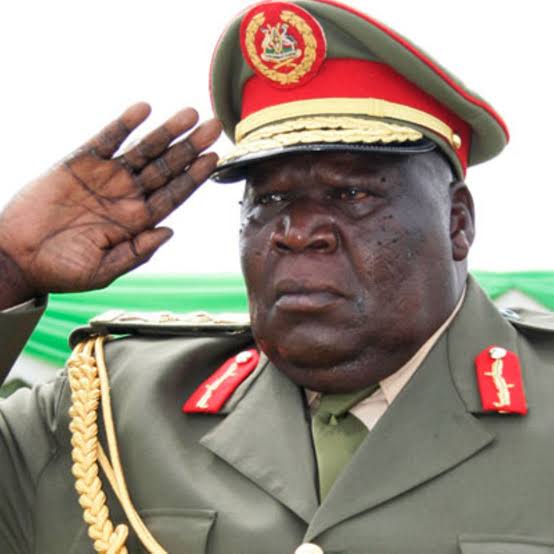
Ambassador Col. (Rtd) Fred Mwesigye pointed to a decisive shift in East Africa’s energy landscape, noting that the sector has moved from exploration to execution. Flagship projects such as Tilenga, Kingfisher, and the East African Crude Oil Pipeline (EACOP) are no longer conceptual; they are actively reshaping economic linkages between Uganda and Tanzania. In his view, these developments represent more than energy investments they are laying the groundwork for a new regional industrial corridor. “What is unfolding is bigger than oil,” he observed. “It is about industrialization, value chains, and regional integration in its most practical form.” His remarks captured a broader policy direction that sees oil as an enabler of manufacturing, services, and cross-border trade.


Ambassador (Rtd) Col. Fred Mwesigye emphasized that opportunities across the oil and gas value chain from engineering and construction to environmental management and financial services are already expanding. However, he cautioned that proximity alone will not guarantee participation. Companies, he noted, must align with international standards, invest in technical capacity, and demonstrate competitiveness in an increasingly globalized sector. “Preparedness will define who benefits,” he said, urging regional firms to move swiftly as project timelines advance and procurement cycles tighten.


From a diplomatic standpoint, Ambassador Richard Kabonero, Head of Regional Economic Cooperation at the Ministry of Foreign Affairs, highlighted a parallel shift in Uganda’s external engagement strategy. Representing the Permanent Secretary, he outlined how the country’s diplomatic missions are being repositioned to function as instruments of commercial diplomacy. “Our embassies are not just diplomatic posts; they are platforms for economic engagement,” Kabonero noted. He explained that missions are now actively tasked with attracting investment, promoting exports, and linking Ugandan enterprises to global value chains particularly within the oil and gas ecosystem. Central to this strategy is a deliberate effort to move beyond extraction toward value addition. Kabonero stressed that Uganda’s long-term economic gains will depend on its ability to build industries around petroleum resources. He identified petrochemicals, logistics, engineering services, and manufacturing as critical sectors that can anchor this transition.


Uganda’s continued reliance on imported petroleum-based products including plastics, fertilizers, paints, detergents, and industrial chemicals was cited as both a challenge and an opportunity. Developing domestic production capacity in these areas, he argued, would not only reduce import dependence but also stimulate job creation and technological advancement. “The oil and gas sector must become a catalyst for transformation of the entire economy,” he said, underscoring the role of local content policies in ensuring meaningful participation by Ugandan firms across supply chains. Infrastructure development also emerged as a central theme. Investments in industrial parks, transport corridors, and shared utilities are expected to support both the energy sector and the wider economy, creating synergies with agriculture, manufacturing, and trade. Such integrated planning, participants noted, will be essential in maximizing the developmental impact of oil revenues.


Calls for stronger collaboration featured prominently throughout the discussions. Kabonero urged closer coordination between government institutions, the private sector, and Uganda’s diplomatic network to identify investors, map opportunities, and facilitate technology transfer. Engagement with industry bodies, including the Chamber of Energy and Minerals, was highlighted as critical in ensuring coherence in promoting Uganda’s investment agenda. Regional integration frameworks, particularly within the East African Community (EAC) and COMESA, were also cited as key enablers. By leveraging these platforms, Uganda aims to position itself as a competitive investment destination within a broader regional market.


Gen. Wilson Mbasu Mbadi, Minister of State for Trade, Industry and Cooperatives, reinforced the urgency of translating petroleum potential into tangible economic outcomes. He described the transition to production as a defining moment for Uganda’s development trajectory, with implications for energy security, industrial growth, and export diversification. He emphasized the need to develop downstream industries, particularly in petrochemicals and manufacturing inputs, warning against the risks of remaining dependent on raw exports. “Petroleum wealth must be converted into industrial wealth,” he stated, pointing to job creation and export capacity as key indicators of success.


Across the board, the message from Kampala was consistent: the true measure of Uganda’s oil sector will extend beyond production volumes. As the country advances toward First Oil, attention is increasingly shifting to the industries it can build, the jobs it can generate, and the long-term resilience it can achieve. In that sense, Uganda’s oil journey is as much about diplomacy and industrial policy as it is about energy an integrated approach that could define its economic future in the years ahead.


The Uganda Electricity Distribution Company Limited (UEDCL) is heavily recruiting for 187 positions across various departments to support its expanding electricity distribution network. Key roles include engineering, customer experience, SAP analysis, procurement, and HR. All applications must be submitted online by Friday, May 8, 2026, at 5:00 PM.

Dar es Salaam, Tanzania — Efforts to position East Africa as a unified and competitive tourism destination gained renewed momentum this week as Uganda and Tanzania convened a high-level Tourism Roadshow in Dar es Salaam. Held on 28 April at the Hyatt Regency Dar es Salaam, The Kilimanjaro, the forum brought together public and private sector actors under the theme “Promoting Regional Tourism Partnerships & Business Linkages.”


Organized by the Uganda High Commission Dar es Salaam, the Roadshow served as a strategic platform to deepen bilateral cooperation, enhance joint destination marketing, and unlock cross-border investment opportunities within the tourism sector. It also reflected a broader regional push toward economic integration, where tourism is increasingly viewed as a catalyst for growth, cultural exchange, and sustainable development.


In her opening remarks, Deputy High Commissioner of Uganda to Tanzania, Elizabeth Allimadi, emphasized the central role of collaboration in advancing shared prosperity. She noted that tourism, when approached collectively, has the potential to strengthen regional value chains, improve competitiveness, and project East Africa as a cohesive global destination. “By working together, we are not only enhancing our visibility on the global stage, but also building stronger economic linkages that benefit our people,” she observed, underscoring the importance of coordinated efforts in an increasingly competitive global tourism market.


The Roadshow also highlighted the importance of aligning public policy with private sector dynamism. Willy Chambulo, President of the Tanzania Association of Tour Operators, called for a shift in mindset from competition to complementarity. He stressed that Uganda and Tanzania offer distinct yet mutually reinforcing tourism experiences from coastal attractions to inland wildlife and primate encounters and should therefore be marketed collectively. “Both Uganda and Tanzania are not competitors; we are partners targeting the same global markets,” Chambulo noted, adding that continued investment in infrastructure, including transport connectivity, will be critical in facilitating seamless multi-destination travel across the region.


From Uganda’s private sector, Isa Kato, Vice President of the Uganda Tourism Association, reinforced the argument that regional integration must be driven beyond policy frameworks. While acknowledging the role of governments in establishing agreements, he emphasized that the private sector holds the key to implementation. “Our leaders sign treaties, but it is the private sector that must bring them to life,” Kato remarked, calling for deeper collaboration among tour operators, hospitality providers, and investors to develop integrated tourism products that appeal to global travelers.


On the destination front, Francis Nyende of the Uganda Tourism Board presented Uganda’s diverse tourism portfolio. He highlighted flagship experiences such as mountain gorilla trekking, Big Five safaris, birdwatching, and primate tracking products that continue to position Uganda as a unique offering within the global tourism landscape. A significant outcome of the Roadshow was the formalization of partnerships through the signing of two Memoranda of Understanding (MoUs). The agreements were concluded between the Zanzibar Association of Tour Operators and the Uganda Tourism Association, as well as between the Tanzania Association of Tour Operators and the Uganda Tourism Association. These MoUs signal a shared commitment to strengthening institutional collaboration and advancing sustainable tourism growth across East Africa.


The agreements outline cooperation in key areas including joint marketing initiatives, business-to-business linkages, skills development, and the exchange of market intelligence. They also provide a framework for coordinated participation in international trade fairs, the development of combined tourism packages, and the promotion of best practices across the sector. Analysts note that such partnerships could play a pivotal role in increasing tourist flows within the region, while also encouraging innovation in tourism products and services. By leveraging complementary assets, East African countries stand to benefit from economies of scale and enhanced global visibility.


The Roadshow concluded with a series of Business-to-Business (B2B) engagements and networking sessions, enabling tour operators from both countries to explore partnerships, negotiate deals, and build lasting professional relationships. These interactions are expected to translate into tangible business outcomes, further reinforcing the link between policy dialogue and market-driven solutions. As East Africa continues to refine its regional integration agenda, initiatives such as the Uganda–Tanzania Tourism Roadshow highlight the growing recognition that collaboration, rather than competition, will define the sector’s future. In an era where travelers increasingly seek diverse, multi-destination experiences, the ability of neighboring countries to present a unified and seamless offering may well determine their collective success on the global stage.

Kampala, Uganda — Uganda is intensifying its economic diplomacy efforts as its diplomatic missions abroad move to strengthen partnerships with private sector actors in support of the country’s fast-evolving oil and gas industry. This strategic push formed the centerpiece of a high-level engagement held on the sidelines of the 11th Oil and Gas Convention, bringing together envoys, policymakers, and industry leaders to align investment promotion with national development priorities.


The meeting convened Uganda’s ambassadors and representatives from key missions including postings in Russia, India, Tanzania, Japan, China, Angola, Egypt, the United States, and regional hubs such as Dar es Salaam and Mombasa under the coordination of the Ministry of Foreign Affairs. The delegation, led by Ambassador Richard Kabonero on behalf of the Permanent Secretary, engaged with stakeholders from the Ministry of Energy and Mineral Development, the Uganda National Oil Company, the Uganda Chamber of Mines and Petroleum, the Ministry of Trade, Industry and Cooperatives, and the Uganda Investment Authority. At the core of the discussions was a shared recognition that Uganda’s foreign missions must play a more proactive role in shaping the country’s economic trajectory. Participants emphasized that embassies are increasingly being repositioned as platforms for commercial diplomacy tasked not only with representing national interests abroad but also with actively identifying investors, facilitating business linkages, and promoting Uganda’s opportunities across global markets.

Ambassador Richard Kabonero underscored this shift, noting that Uganda’s diplomatic footprint is being recalibrated to reflect the demands of a competitive global economy. He highlighted the importance of aligning diplomatic engagement with key sectors such as energy, where timely investment and technology partnerships are critical. “Our missions must operate as gateways for investment and innovation, connecting Uganda’s potential to global capital and expertise,” he observed. The engagement comes at a pivotal moment as Uganda advances toward First Oil, with major projects such as Tilenga, Kingfisher, and the East African Crude Oil Pipeline (EACOP) signaling the transition from exploration to production. Officials noted that while these developments mark a milestone, the broader objective extends beyond extraction to the creation of an integrated industrial ecosystem.

Industry leaders stressed that the oil and gas sector presents opportunities across a wide value chain, including engineering, logistics, environmental services, and financial solutions. However, they cautioned that realizing these opportunities will require deliberate coordination between government institutions, private sector actors, and diplomatic missions to ensure that Uganda remains an attractive and competitive destination for investment. The Uganda Chamber of Mines and Petroleum, represented at the meeting, reiterated its commitment to fostering collaboration that supports both foreign investment and local participation. The Chamber emphasized the importance of building a sector that not only attracts global players but also empowers domestic enterprises, contributing to industrial growth and skills development.

Discussions also explored practical mechanisms to enhance coordination, including structured engagement with international investors, participation in global energy forums, and targeted promotion of Uganda’s upstream and midstream projects. Stakeholders agreed that consistent messaging and unified representation across diplomatic missions would be essential in building investor confidence and sustaining momentum. Complementing these discussions, voices from the broader policy space reinforced the need to anchor oil and gas development within a wider industrialization agenda. Leaders highlighted that Uganda’s long-term gains will depend on its ability to leverage petroleum resources to stimulate sectors such as petrochemicals, manufacturing, and infrastructure development. There was also a strong emphasis on regional integration as a critical enabler of success. With projects like EACOP linking Uganda and Tanzania, the oil and gas sector is increasingly seen as a driver of cross-border economic cooperation. Participants noted that aligning national strategies with regional frameworks would enhance market access, streamline logistics, and create economies of scale.

As Uganda positions itself within the global energy landscape, the role of economic diplomacy is becoming more pronounced. The engagement in Kampala reaffirmed that coordinated efforts between diplomatic missions and domestic institutions will be central to unlocking investment, facilitating technology transfer, and ensuring sustainable sector growth. Ultimately, stakeholders converged on a common understanding: the success of Uganda’s oil and gas sector will not be measured solely by production milestones, but by its ability to catalyze industrialization, generate employment, and contribute to long-term economic transformation. With diplomatic channels increasingly aligned to these objectives, Uganda is signaling a clear intent to convert its natural resource potential into a foundation for inclusive and sustained development.

Kampala, Uganda — A high-level Egyptian delegation has concluded a 10-day familiarisation tour of Uganda, ending in western Uganda at Emburara Farm Lodge, in a visit that combined cultural immersion with strategic engagement on tourism and investment. The mission, coordinated under Uganda’s Economic and Commercial Diplomacy (ECD) framework, reflects a growing emphasis on leveraging tourism as both an economic driver and a platform for bilateral cooperation.


The final leg of the journey offered a distinctive encounter with Uganda’s pastoral heritage, centred on the iconic Ankole long-horned cattle widely regarded as a symbol of cultural identity and sustainable livelihoods. Set against the backdrop of the Ankole sub-region, the experience highlighted how agriculture, culture, and tourism intersect within Uganda’s broader development narrative. It also underscored the country’s efforts to diversify its tourism offering beyond wildlife into experiential and community-based models.


Throughout the tour, the delegation visited some of Uganda’s most prominent destinations, including Murchison Falls National Park, Kibale Forest National Park, Bwindi Impenetrable National Park, Queen Elizabeth National Park, and the Source of the Nile. Each site presented a different dimension of Uganda’s tourism ecosystem from biodiversity conservation and primate tracking to cultural heritage and local enterprise development.


Speaking on behalf of the delegation, Egyptian documentary photographer Ashraf Talaat described the experience as “a redefinition of how destinations are understood,” noting that Uganda’s strength lies in its authenticity and human connection. Acclaimed actor Mahmoud Hemida echoed this sentiment, characterizing the visit as both transformative and forward-looking. He emphasized that Uganda presents not only tourism potential but also opportunities for long-term collaboration and investment.


At Emburara Farm Lodge, founder Florence Tumwebaze highlighted the importance of such engagements for local enterprises. She noted that hosting international delegations affirms Uganda’s integration into the global tourism value chain and encourages domestic investors to align with international standards. Her remarks reflected a broader policy direction that seeks to position community-based tourism ventures as critical contributors to national growth.From a diplomatic perspective, the visit represents a practical application of Uganda’s ECD strategy an approach that prioritizes visibility, partnerships, and market access. Alan Tazenya, Counsellor at the Uganda Embassy in Cairo, observed that the mission aligns with Uganda’s Tenfold Growth Strategy, which aims to expand key sectors including tourism, trade, and investment. By directly exposing influential stakeholders to Uganda’s offerings, the initiative seeks to convert interest into measurable economic outcomes.


In his closing remarks, Lt. Gen. Charles Angina, Chargé d’Affaires at the Uganda Embassy in Cairo, emphasized that the tour had progressed beyond initial introductions to building substantive relationships. He noted that the next phase will focus on translating these engagements into sustained partnerships, increased tourist flows, and deeper economic ties between Uganda and Egypt. Tourism remains a critical pillar of Uganda’s economy, contributing approximately 7.7% to GDP and supporting over 600,000 jobs, according to recent sector estimates. With global travel rebounding and regional markets gaining importance, targeted familiarisation trips such as this are increasingly viewed as strategic tools for destination marketing and investment promotion.


As the Egyptian delegation departs, the impact of the visit extends beyond immediate impressions. Participants return not only with experiences but with narratives that will shape perceptions of Uganda across Egypt and the wider Middle East. In doing so, they assume an informal ambassadorial role amplifying Uganda’s visibility, strengthening bilateral relations, and opening pathways for collaboration. For Uganda, the successful conclusion of the tour reinforces its positioning as both a tourism destination and an investment partner. It also illustrates a broader shift in diplomatic practice, where economic engagement, cultural exchange, and strategic communication converge to advance national interests. In an increasingly competitive global tourism landscape, such initiatives highlight the importance of storytelling, partnership-building, and experiential engagement. Uganda’s message, carried forward by its visitors, is one of authenticity, opportunity, and readiness for the future.

Jinja City, Uganda — Known as the source of the River Nile and a rising hub for adventure tourism, Jinja is often presented as a symbol of Uganda’s natural wealth and development potential. It is also central to the country’s energy landscape, hosting major hydropower facilities that feed electricity into the national grid. Yet in Jinja North Division, a quieter contradiction persists: proximity to power does not guarantee safe or legal access to it.

Uganda has made measurable progress in expanding electricity access over the past decade. According to data from the Ministry of Energy and Mineral Development, national electricity access rose from about 14% in 2013 to approximately 57% by 2022 when both grid and off-grid solutions are considered. Urban access rates are significantly higher estimated at over 70% reflecting targeted infrastructure investments in cities such as Jinja. These gains align with broader development strategies aimed at industrialization, improved livelihoods, and regional competitiveness.

However, field observations in Jinja North Division suggest that infrastructure expansion alone has not resolved access challenges. During a recent visit, multiple households were found to be connected to the grid through informal or unauthorized means. In some cases, even homes with official connections had additional wiring extending power to neighboring structures or informal extensions. Such practices, commonly referred to as illegal connections, pose serious risks not only to individuals but also to the stability of the wider electricity network.

Data from the Electricity Regulatory Authority indicates that Uganda continues to face distribution losses partly attributed to illegal connections and energy theft. Nationally, electricity losses both technical and commercial have been estimated at between 17% and 20% of total generated power in recent years. While not all of this is due to unauthorized usage, illegal tapping of power lines remains a contributing factor, particularly in densely populated or peri-urban communities.

The human cost is equally concerning. Reports from local authorities and safety campaigns have linked illegal connections to cases of electrocution, fires, and property damage. Although comprehensive district-level statistics are limited, energy sector safety reports consistently highlight electrocution as a recurring cause of accidental deaths in communities with informal wiring practices. In Jinja, local leaders and utility operators have repeatedly warned that such connections expose residents especially children to avoidable hazards.

Government efforts to address the issue have been ongoing. Through agencies such as the Rural Electrification Agency (now part of the Uganda Energy Credit Capitalisation Company framework), authorities have extended grid infrastructure to previously underserved areas. Public sensitization campaigns have also been conducted to highlight the dangers of illegal connections and encourage formal registration. Yet, community perspectives reveal underlying tensions. Some residents claim that earlier infrastructure projects particularly those linked to energy development came with expectations of compensation, including free or subsidized electricity connections. While such claims remain difficult to independently verify, they point to a broader issue: the gap between public expectations and policy implementation. Where communication is unclear or promises are perceived as unmet, informal solutions often emerge.

Affordability is another factor shaping behavior, the cost of legal connection, wiring, and compliance can be prohibitive for low-income households, even when subsidized programs exist. As a result, illegal connections may be viewed not only as a shortcut but as a necessity despite the risks involved. This reflects a wider challenge across many developing economies, where infrastructure availability does not always translate into equitable access. For policymakers, Jinja’s situation underscores the importance of coupling infrastructure expansion with community engagement, affordability mechanisms, and consistent enforcement. Strengthening inspection systems, simplifying connection procedures, and expanding public awareness campaigns could help shift behavior over time. At the same time, transparent communication around government programs and commitments remains essential in building trust.

Jinja’s role as both a tourism gateway and an energy hub places it at the intersection of opportunity and responsibility. Reliable and safe electricity access is not only a matter of household welfare; it is also central to sustaining the city’s economic growth and reputation. As Uganda continues to invest in its energy future, the challenge is no longer simply generating power it is ensuring that access to that power is safe, lawful, and inclusive. In Jinja, bridging that gap may prove just as important as the electricity itself.

Sudan– Uganda has earned international recognition following the selection of one of its senior diplomats among a distinguished group of global achievers at the Islamic University of Madinah Distinguished Alumni Awards. The honour, awarded during the 62nd Graduation Ceremony of the Islamic University of Madinah on 27 April 2026, places Uganda within an elite circle of nations celebrated for excellence in scholarship, leadership, and social impact.


The ceremony, held under the patronage of Salman bin Sultan bin Abdulaziz Al Saud, brought together academic leaders, diplomats, and graduates from across the world, underscoring the institution’s global reach and influence. This year’s Distinguished Alumni Awards now in their fifth edition (1447 AH / 2026) recognize individuals whose contributions extend beyond academia into tangible societal transformation.


Uganda’s recognition comes through Amb. Dr. Rashid Yahya Ssemuddu, currently serving as Uganda’s Ambassador to Sudan. He was selected for the Social Impact Award, one of the institution’s most competitive honours, awarded to alumni who have demonstrated sustained commitment to community service, humanitarian engagement, and societal development. His selection from a global alumni base exceeding 150,000 underscores both the scale of the competition and the significance of the achievement.


The award acknowledges a career that bridges scholarship, diplomacy, and faith-driven community work. Dr. Ssemuddu’s contributions span educational advocacy, humanitarian outreach, and the promotion of intercultural dialogue efforts that reflect both Uganda’s diplomatic values and the broader principles associated with the University’s alumni network. His work in da’wah, community mobilization, and social development has positioned him as a figure of influence within and beyond Uganda’s borders.


Alongside the Social Impact Award, the ceremony also recognized excellence across four additional categories: Professional Achievement and Sustainable Development, Innovation and Entrepreneurship, Scientific Impact, and Intellectual Awareness. The diversity of these categories highlights the evolving role of academic institutions in shaping leaders capable of addressing complex global challenges from economic development to knowledge production.


Uganda’s inclusion among this year’s honourees alongside countries such as France, the United Kingdom, the Philippines, Suriname, and São Tomé and Príncipe signals a broader shift in global recognition patterns. Increasingly, contributions from the Global South are gaining visibility, particularly in areas of community leadership, social innovation, and diplomacy. For Uganda, this moment reflects not only individual excellence but also the growing international footprint of its professionals across multiple sectors.


Officials at the Ministry of Foreign Affairs Uganda have described the award as a reflection of national values rooted in service, integrity, and international cooperation. It also aligns with Uganda’s ongoing efforts to strengthen its diplomatic presence and project soft power through education, cultural exchange, and humanitarian engagement. Beyond the symbolic value, such recognition carries practical implications. Distinguished alumni awards contribute to strengthening bilateral and multilateral relationships, enhancing institutional partnerships, and elevating the visibility of countries within global academic and policy networks. For Uganda, it reinforces the importance of investing in human capital and supporting professionals who represent the country on international platforms.


As preparations continue for celebrations linked to the award in Madinah, the achievement is being viewed within a wider narrative of Uganda’s engagement with global institutions. It highlights the intersection of education, diplomacy, and social responsibility areas increasingly central to modern statecraft. For many observers, Dr. Ssemuddu’s recognition serves as a reminder that influence in today’s interconnected world is not defined solely by economic or military power, but also by the capacity to contribute meaningfully to society. In this regard, the award reflects a form of leadership grounded in impact rather than visibility.


Uganda’s presence in this year’s Distinguished Alumni cohort therefore represents more than a ceremonial milestone. It affirms the country’s place within a global community that values knowledge, service, and ethical leadership principles that continue to shape the future of international engagement.

Paris— Uganda has taken a strategic step to elevate its global tourism profile with its feature on Season 20 of the French travel documentary Échappées Belles, broadcast on Saturday evenings on France 5 following its initial airing on April 25, 2026. The one-month feature places Uganda before millions of French and European viewers, positioning the country as a compelling destination within an increasingly competitive global tourism market.


Renowned for highlighting lesser-known destinations, Échappées Belles translated as “Great Escapes” offers immersive storytelling led by host Ismaël Khelifa, who explores destinations through local experiences. The Uganda episode captures an 11-day safari journey across the country’s iconic landscapes, including gorilla trekking, wildlife safaris, and cultural encounters. The production was supported under Uganda’s Economic and Commercial Diplomacy (ECD) programme spearheaded by the Ministry of Foreign Affairs and facilitated by the Uganda Embassy in Paris as part of efforts to strengthen destination visibility in key European markets.


Tourism remains a critical pillar of Uganda’s economy. According to the Uganda Bureau of Statistics, the sector contributed approximately 5.5% to Uganda’s GDP in 2023, with international tourist arrivals surpassing 1.2 million. Europe continues to be a significant source market, with France identified among the priority countries for high-value tourism growth. Industry data further suggests that over 70% of European travelers rely on visual media and documentaries when selecting travel destinations underscoring the strategic importance of such international features. Ahead of the official broadcast, Uganda hosted a high-profile premiere in Paris on April 16, 2026, at La Marina Des Maqeureaux. The event, led by Uganda’s Ambassador to France, Doreen Amule, brought together tour operators, travel journalists, and key decision-makers within the French tourism industry. The objective was to translate media exposure into tangible partnerships and travel demand.


Addressing guests at the premiere, Ambassador Amule emphasized Uganda’s unique positioning in the global tourism landscape. She noted that while European travelers have long explored traditional destinations, Uganda offers a distinct combination of biodiversity, culture, and authenticity that remains largely untapped. Her remarks aligned with Uganda’s broader strategy of leveraging soft power and storytelling to reposition itself as a premium destination. Filmmaker and host Ismaël Khelifa described Uganda as “a true treasure of biodiversity,” highlighting not only its landscapes but also the warmth of its people. His endorsement carries weight, given the program’s wide reach and credibility among French audiences. The show typically attracts between 1.5 and 2 million viewers per episode, offering Uganda sustained exposure over the broadcast period.


Margaret Kafeero, Head of Public Diplomacy at the Ministry of Foreign Affairs, underscored the importance of aligning content with audience behavior. She noted that nearly 80% of French travelers are influenced by television content when choosing destinations, making culturally tailored storytelling a powerful tool in tourism promotion. Her remarks reflect a growing recognition within Uganda’s diplomatic missions of the need to adapt communication strategies to specific markets. From a branding perspective, the Uganda Tourism Board sees the initiative as a model for future engagement. Senior Brand Manager Daniel Irunga explained that the premiere and subsequent broadcast serve not only to raise awareness but to influence travel packages and media narratives within France. He emphasized the importance of Uganda’s missions abroad actively participating in content development that resonates with local audiences.


The documentary also highlights Uganda’s competitive advantages within the region, including its status as home to more than half of the world’s remaining mountain gorillas, as well as its diverse ecosystems spanning savannah, rainforest, and freshwater environments. Such assets position Uganda strongly within the niche market of experiential and sustainable tourism, which continues to grow globally. Following its television broadcast, the Uganda episode of Échappées Belles is also available on digital platforms, including YouTube, extending its reach beyond traditional audiences and enabling continued engagement.


As global tourism rebounds and competition for visibility intensifies, Uganda’s feature on a prime-time European platform represents more than a promotional milestone. It reflects a deliberate shift toward strategic storytelling, market-specific engagement, and the use of media as a tool of economic diplomacy an approach that may define the country’s tourism growth trajectory in the years ahead.

Kampala, Uganda — For several years, the Ministry of Energy and Mineral Development (MEMD) has consistently assured the public of fuel price stability, citing improved supply chains, regional cooperation, and regulatory oversight. In urban centres such as Kampala, these assurances often appear credible, with pump prices fluctuating within a relatively predictable range. Yet beyond the capital, particularly in secondary towns and rural trading centres, a different narrative is unfolding one that raises critical questions about distribution equity, market conduct, and regulatory enforcement.


In Ishaka, a growing commercial hub in western Uganda, fuel prices tell a more complex story. At several stations surveyed, pump prices reportedly range between UGX 6,000 and UGX 10,000 per litre, depending on location and operator. This variation is not only significant but also difficult to reconcile with official messaging around price stability. For transport operators, particularly boda boda riders who rely on daily fuel purchases, such unpredictability directly affects livelihoods, fares, and mobility within the local economy.


Observations from the ground further complicate the picture. At one fuel station, a visibly inactive display board while pumps continued to operate suggested a lack of transparency in pricing. Long queues of motorcycles, commonly known as boda bodas, formed at the station, indicating either a localized shortage or anticipation of one. In such environments, consumer behavior often shifts from routine purchasing to urgency-driven demand, amplifying pressure on already constrained supply points. Globally, fuel pricing remains sensitive to geopolitical developments. The recent tensions involving Iran, for instance, prompted forecasts of rising global oil prices due to supply disruptions. While some markets experienced temporary increases, others stabilized following ceasefire developments. However, Uganda’s experience illustrates a familiar structural challenge: global price movements do not always translate uniformly at the local level. Instead, domestic factors logistics, storage capacity, and market practices play a decisive role in determining what consumers ultimately pay.


One concern raised by market observers is the possibility of artificial scarcity. In loosely regulated environments, some distributors may withhold supply to create the perception of shortage, thereby justifying price increases. While such practices are difficult to verify without formal investigation, their impact on public confidence is immediate. When consumers perceive that prices are influenced not only by global trends but also by opportunistic behavior, trust in the market begins to erode. The issue, therefore, extends beyond price fluctuations. It speaks to the broader question of how effectively regulatory frameworks are enforced across the country. MEMD, alongside other relevant agencies, has the mandate to ensure fair pricing, consistent supply, and transparency in fuel distribution. Yet disparities between urban and rural markets suggest that enforcement may be uneven, allowing localized distortions to persist.


Infrastructure also plays a role. Transportation costs, distance from supply depots, and road conditions can legitimately influence pump prices in remote areas. However, when price differences become excessive or erratic, they signal the need for closer scrutiny. A well-functioning fuel market should reflect both global realities and domestic efficiencies not unpredictable variations that disadvantage certain regions.


For policymakers, this moment presents an opportunity to strengthen oversight mechanisms. Enhanced monitoring of fuel stations, real-time price tracking systems, and clearer communication channels with consumers could help bridge the information gap. Equally important is collaboration with private sector actors to ensure that distribution networks operate transparently and competitively. For citizens, particularly those outside major cities, the issue is not abstract. Fuel prices shape the cost of transport, goods, and essential services. When prices rise unpredictably, the ripple effects are felt across households and small businesses, reinforcing regional inequalities.


Uganda’s aspiration for economic stability and inclusive growth depends, in part, on how such everyday challenges are addressed. Fuel, as a critical input in nearly every sector, occupies a central place in that equation. Ensuring its affordability and accessibility is not merely a technical task it is a governance imperative. As the country continues to navigate global energy dynamics and domestic market pressures, consistency between policy promises and lived realities will remain key. Because in the end, stability is not measured in statements it is measured at the pump.

Kampala, Uganda — Uganda and Rwanda have reaffirmed their commitment to strengthening bilateral cooperation following the successful convening of the 12th Session of the Joint Permanent Commission (JPC), held in Kampala. The meeting, which brought together senior government officials and policymakers from both countries, signals a renewed diplomatic momentum aimed at advancing regional integration, economic cooperation, and long-term stability in the Great Lakes region.


The session, hosted at Mestil Hotel in Kampala, was co-chaired by Uganda’s Minister of State for Foreign Affairs (Regional Affairs), Hon. John Mulimba, and Rwanda’s Minister of State for Foreign Affairs, Hon. Dr. Usta Kaitesi. It followed the 11th JPC session held in Kigali in March 2023 and served as a platform to review progress, address emerging challenges, and set new priorities for collaboration.


At the heart of the discussions was a shared recognition of the steady progress made in implementing previous agreements. Both delegations expressed satisfaction with advancements in key sectors, including defence and security, immigration, infrastructure, information and communication technologies, as well as trade and customs. These areas, officials noted, are central to facilitating cross-border movement, enhancing economic exchange, and building mutual trust between the two nations.


The Ministers emphasized that sustained coordination remains critical to maintaining this positive trajectory. They called on technical teams and senior officials to strengthen institutional linkages and work collaboratively to resolve practical bottlenecks affecting trade flows and the movement of people. Such coordination, they noted, is essential not only for bilateral relations but also for broader regional stability within the East African Community framework.


A notable outcome of the session was the expansion of cooperation into additional strategic sectors. Both countries agreed to deepen partnerships in investment promotion and facilitation, tourism development particularly within the Meetings, Incentives, Conferences, and Exhibitions (MICE) segment as well as conservation and sustainable tourism. These areas reflect a forward-looking agenda that aligns economic growth with environmental stewardship and global tourism trends.


In a demonstration of this strengthened partnership, Uganda and Rwanda signed four Memoranda of Understanding (MoUs) covering health, education, agriculture, and local government. These agreements are expected to reinforce institutional collaboration and provide structured pathways for implementing joint initiatives that directly impact citizens’ livelihoods.

The reaffirmation of cooperation in agriculture and local governance is particularly significant, given the role these sectors play in rural development and service delivery. Similarly, collaboration in health and education underscores a shared commitment to human capital development an area increasingly viewed as foundational to sustainable economic progress.

Both sides reiterated their commitment to ensuring that agreed initiatives are implemented effectively and within agreed timelines. The emphasis on tangible outcomes reflects a shift toward results-driven diplomacy, where bilateral engagements are measured not only by agreements signed but by their real-world impact on communities and economies.


Importantly, the session also highlighted the role of high-level political leadership in guiding bilateral relations. The continued engagement between Uganda and Rwanda under the leadership of their respective Heads of State has provided a stable framework within which technical and diplomatic efforts can thrive. Looking ahead, the two countries agreed that the 13th Session of the Joint Permanent Commission will be hosted by Rwanda, with dates to be determined through diplomatic channels. This continuity underscores a shared commitment to institutional dialogue as a mechanism for managing relations and advancing mutual interests.


In a region where cross-border cooperation is increasingly linked to economic resilience and security, the outcomes of the 12th JPC reflect a pragmatic and constructive approach to diplomacy. By prioritizing coordination, expanding areas of partnership, and focusing on implementation, Uganda and Rwanda are positioning their bilateral relationship as a cornerstone of regional integration. As both countries move to operationalize these commitments, the emphasis will now shift from policy alignment to delivery ensuring that diplomatic progress translates into measurable benefits for citizens on both sides of the border.

Kampala, Uganda — Uganda’s push toward Economic and Commercial Diplomacy under its Tenfold Strategy is elevating tourism as a central pillar of growth. Across embassies and missions abroad, a deliberate effort is underway to position the country as the Pearl of Africa, hosting influencers, investors, and media delegations to experience its landscapes, wildlife, and cultural heritage firsthand. The momentum is visible but beneath the progress lies a structural question that could define the sector’s long-term credibility: who regulates the people telling Uganda’s story on the ground?


Tour guiding sits at the frontline of the visitor experience, it is where national branding meets lived reality. Yet, despite its importance, the profession remains unevenly regulated in practice. While the Uganda Tourism Board (UTB), under the Ministry of Tourism, Wildlife and Antiquities, is mandated to oversee standards and promotion, enforcement around individual tour guide licensing and performance monitoring appears inconsistent. Uganda’s legal framework is not silent, the Tourism Act 2008 provides for the registration and annual licensing of tour operators, travel agencies, and guides. However, the critical gap lies not in legislation, but in implementation depth particularly in performance-based renewal, field supervision, and professional accountability.


Comparative models offer useful lessons, in Egypt, one of Africa’s leading tourism destinations tour guides are subject to strict licensing regimes tied to qualifications, conduct, and ongoing evaluation. Renewal is not automatic; it is influenced by measurable performance, including client feedback and activity records. This creates a professional ecosystem where quality is continuously reinforced, and where the cost of underperformance is real. For Uganda, adopting a similar approach would yield multiple benefits. First, it would formalize tour guiding as a recognized profession, not merely an entry point for entrepreneurship. Currently, the industry allows a wide range of actors qualified and unqualified to operate, often based on online visibility rather than verified competence. This risks diluting service quality at a time when the country is investing heavily in attracting high-value tourists.


Second, a structured licensing and renewal system would build trust across the tourism value chain. Tour operators, investors, and international partners would have confidence that certified guides meet consistent standards. Tourists, in turn, would engage with Uganda through credible, well-trained storytellers capable of translating the country’s richness into meaningful experiences. Third, performance-linked regulation would align incentives, if license renewal depends on service quality, professionalism becomes a competitive advantage rather than an afterthought. Feedback mechanisms capturing tourist experiences and integrating them into regulatory decisions could transform accountability from abstract principle into daily practice.


This is not to diminish the progress already made, Uganda remains endowed with exceptional tourism assets and a growing pool of passionate guides. But as the country scales its global visibility, quality assurance must evolve alongside promotion. Marketing alone cannot sustain reputation; it must be matched by consistent delivery. The responsibility now rests with institutions such as the Uganda Tourism Board to extend their focus from visibility to verification from attracting visitors to safeguarding their experience. Strengthening inspection systems, digitizing guide registries, and introducing transparent renewal criteria would mark a decisive step toward professionalization. Tourism is ultimately a trust industry. A visitor’s experience is shaped less by brochures than by the human encounter on arrival. If Uganda is to fully capitalize on its diplomatic and promotional gains, it must ensure that those encounters meet global standards. Because in a competitive tourism market, it is not only the destination that matters it is the professionalism of those who interpret it.

Nairobi, Kenya — President Yoweri Kaguta Museveni has called for a fundamental shift in Africa’s development approach, urging leaders to confront what he described as the continent’s “ideological disorientation” as a primary barrier to transformation. Speaking upon arrival in Nairobi for the Africa We Build Summit 2026, Museveni framed Africa’s challenges not as a shortage of capital, but as a question of strategic clarity and coordinated action.


The summit, convened with support from the Africa Finance Corporation and hosted under the leadership of William Ruto, has drawn policymakers, investors, and private sector leaders from across the continent and beyond. Its focus is practical: shifting Africa’s infrastructure agenda from planning to execution, and unlocking pathways for sustainable socio-economic growth.

In his remarks, Museveni expressed appreciation to both President Ruto and the Africa Finance Corporation for what he described as “speaking the language of revolution” a reference to a development philosophy grounded in structural transformation rather than incremental change. He noted that while Africa’s combined GDP stands at approximately $3.6 trillion, the figure does not reflect the continent’s vast natural resources, youthful population, and strategic potential.


Drawing comparisons with countries such as China, Museveni argued that historical poverty does not predetermine future outcomes. Instead, he pointed to discipline, ideological consistency, and long-term investment as the drivers behind successful economic transitions. For Africa, he suggested, the path forward lies in addressing systemic constraints that continue to limit growth and integration. Central to his argument was the need to move beyond fragmented national approaches. Museveni emphasized that many African economies continue to operate in isolation, despite shared challenges and opportunities. This fragmentation, he noted, weakens bargaining power, limits market size, and slows industrialization. Regional cooperation frameworks, particularly those under the East African Community, were highlighted as critical platforms for building larger, more competitive economic blocs.


He identified several strategic bottlenecks that must be addressed collectively: ideological misalignment, weak state institutions, limited value addition, inadequate infrastructure, and gaps in human capital development. Without resolving these interconnected issues, he cautioned, Africa risks underutilizing its potential despite ongoing investments. Infrastructure development featured prominently in his intervention. From transport corridors and energy systems to digital connectivity, Museveni stressed that infrastructure is not merely a support function but a catalyst for industrial growth and regional integration. However, he underscored that infrastructure must be linked to production, particularly in sectors such as agriculture, manufacturing, and mineral processing, to generate sustainable value.


The Africa We Build Summit provides a platform for aligning these priorities with financing and implementation mechanisms. Discussions are expected to focus on public-private partnerships, innovative financing models, and policy reforms aimed at accelerating project delivery. For many participants, the challenge is not identifying priorities, but ensuring that projects move beyond feasibility studies into tangible outcomes. Museveni’s participation reflects Uganda’s broader commitment to economic and commercial diplomacy, where infrastructure, trade, and investment are positioned as pillars of national and regional transformation. His call for ideological clarity resonates within a wider continental debate about how Africa defines its development trajectory in a rapidly changing global economy.


As engagements at the summit continue, the emphasis is likely to remain on collaboration between governments, financial institutions, and private investors. The convergence of these actors signals a growing recognition that Africa’s development challenges require coordinated, cross-sector solutions. For Museveni, the message is consistent: Africa’s future will not be determined solely by resources or external support, but by the choices its leaders make in aligning vision with action. If the continent can overcome fragmentation and invest strategically in its people and infrastructure, he suggested, it holds the capacity to redefine its position in the global economy. The summit in Nairobi, therefore, is not only a meeting of stakeholders, but a test of whether Africa can translate ambition into implementation and rhetoric into results.

Kampala, Uganda — When President Yoweri Kaguta Museveni appeared on Jazz with Jajja alongside youthful content creators, the symbolism was unmistakable. In a country where the majority of citizens are young and digitally connected, the moment suggested openness, generational dialogue, and a recognition of shifting platforms of influence. Yet symbolism, however powerful, must translate into structured outcomes if it is to shape governance in meaningful ways.


At its core, the engagement reflected a broader global trend: leaders increasingly turning to digital spaces to communicate with younger audiences. Across Africa, podcasters, YouTubers, and TikTok creators are becoming intermediaries of public discourse, occupying roles once dominated by traditional media. This transition signals not only a shift in platforms, but in the nature of accountability itself.


The conversation, while accessible and relatable, also revealed a critical gap between proximity and policy. Moments of informality such as framing leadership through cultural generosity humanize authority but risk reframing governance as personal rather than institutional. In contemporary political communication, audiences increasingly expect clarity on policy direction, economic planning, and rights protections, particularly when youth livelihoods are at stake.


That tension became evident when digital creators raised concerns about monetization, internet affordability, and limited institutional support. Platforms such as YouTube and TikTok have enabled a growing informal creative economy in Uganda one that generates income, builds skills, and contributes to national visibility. Yet this sector remains largely unrecognized within formal policy frameworks. Discussions that frame digital work as a request for support, rather than as an economic sector requiring regulation, protection, and investment, risk underestimating its significance.


Equally notable was the limited engagement with questions of digital rights and expression. Uganda’s online space operates within a complex regulatory environment, shaped by past restrictions on platforms such as Facebook and ongoing debates about content governance. Globally, such issues are central to youth discourse, where economic opportunity and freedom of expression are deeply intertwined. Addressing them directly is less about confrontation than about aligning national conversations with international norms.


The issue of youth migration, raised during the discussion, further illustrated this gap. While individual advice has value, the structural drivers of migration employment, industrial capacity, and economic opportunity require policy-centered responses. Across the continent, retaining skilled youth is increasingly tied to how effectively governments integrate innovation, entrepreneurship, and digital economies into national development strategies.


What emerges from this moment is not failure, but a call for evolution both for the state and for youth-led media. Digital creators now operate in a space of influence that carries responsibility. Access to leadership must be matched with preparation, agenda-setting, and the ability to translate conversation into accountability. The most impactful engagements are those that yield clarity: timelines, commitments, and policy direction that extend beyond the interview itself.


For government, the lesson is equally strategic. In an era of digital politics, youth are not a constituency to be engaged episodically, but a demographic to be integrated systematically into governance processes. Structured dialogue, policy recognition of digital economies, and clarity on rights frameworks can transform engagement from symbolic outreach into sustainable partnership.

Uganda stands at a pivotal intersection. Its youth possess platforms, reach, and urgency; its leadership retains institutional authority and policy-making power. Bridging the two requires more than conversation it demands coherence. When access evolves into agency, and dialogue into measurable outcomes, youth digital energy can become a stabilizing force strengthening not only participation, but the legitimacy and resilience of governance itself.

Kampala, Uganda — Over nearly four decades of leadership under President Yoweri Museveni, Uganda’s media sector has evolved alongside the country’s political and economic trajectory. While the nation has expanded its communications infrastructure and diversified its media platforms, journalists continue to operate within a complex environment shaped by security concerns, regulatory pressures, and economic constraints.


Across the profession, reporters describe a working climate that can shift rapidly particularly during politically sensitive periods such as elections. Incidents involving arrests, confrontations with security forces, and restrictions on coverage have been documented over the years, raising ongoing concerns about the balance between state security priorities and press freedom. The period surrounding the 2021 general elections, for instance, drew attention from both local and international observers, highlighting tensions between enforcement agencies and members of the press.


Civil society organizations, including the Human Rights Network for Journalists-Uganda, have consistently advocated for stronger protections for journalists. Their work ranging from legal support to safety training reflects a broader recognition that a functioning media sector is central to accountability, governance, and informed public participation. Yet the pressures facing journalism in Uganda are not solely political. Economic realities within the media industry present equally significant challenges. Many journalists work under precarious conditions, with low or irregular pay, limited contractual protections, and high workloads. In such an environment, editorial independence can be difficult to sustain. Media ownership structures, often intertwined with business or political interests, may further influence newsroom priorities, sometimes narrowing the space for investigative or critical reporting. These dynamics are not unique to Uganda; they mirror trends across several emerging media markets where financial sustainability remains a persistent concern. However, in Uganda’s case, the intersection of economic vulnerability and regulatory pressure amplifies the risks faced by journalists and can shape the depth and tone of public discourse.


The digital era has added another layer of complexity. Online platforms have expanded opportunities for storytelling and audience engagement, but they have also introduced new regulatory debates around content control, taxation, and platform access. Measures such as temporary social media restrictions during election periods have sparked discussion about the role of digital spaces in democratic participation and information flow. Looking ahead to the 2026 elections, stakeholders within Uganda’s media ecosystem including policymakers, civil society, and international partners face a shared challenge: how to strengthen both the safety and sustainability of journalism. This includes clarifying legal protections, improving working conditions, and fostering institutional trust between the media and state actors.


Importantly, the resilience of Ugandan journalists remains a defining feature of the sector. Despite constraints, many continue to report on governance, development, and social issues with commitment and professionalism. Their work underscores a broader principle: that credible journalism is not only a pillar of democracy but also a driver of national development.

Sustained progress will depend on dialogue rather than polarization on recognizing that press freedom and responsible governance are not opposing forces, but complementary foundations of a stable society. In that balance lies the future of journalism in Uganda.

Kampala, Uganda — Uganda’s national football team, the Uganda national football team, continues to command talent, patriotism, and passionate public support. Yet its recurring setbacks reveal a deeper reality: the team’s most persistent challenges lie not in tactics or player quality, but in governance, policy coherence, and institutional discipline. The contrast between Uganda’s recent Africa Cup of Nations (AFCON) campaign in Morocco and its performance in the African Nations Championship closer to home offers a revealing lens. While surface explanations point to differences in competition level, the underlying issues are structural.


At the core is a governance model that remains reactive rather than strategic. Frequent leadership shifts, inconsistent technical direction, and administrative uncertainty have turned each tournament into a standalone project rather than part of a sustained national football vision. Coaches operate under pressure without predictable institutional backing, while players enter camps unsure about logistics that should have been resolved well in advance. In globally competitive systems, governance stability is as critical as player development; in Uganda’s case, its absence continues to undermine performance.


A recurring flashpoint has been player welfare. Disputes over allowances and facilitation repeatedly emerge on the eve of crucial matches not due to opportunism, but because systems fail to settle these matters early. When such issues arise days before competition, they disrupt focus, weaken trust, and erode team cohesion. Professional football environments resolve welfare concerns contractually and ahead of time; uncertainty at that level signals institutional fragility.


Equally significant is the perception whether fully accurate or not that team selection is occasionally influenced by factors beyond merit. Even the suggestion of external pressure from agents, administrators, or political actor’s compromises confidence within the squad. Coaches, caught between technical responsibility and competing interests, operate in constrained conditions. This dynamic discourages long-term planning and shifts focus toward short-term survival.


Government support has played an essential role in sustaining the Cranes, from financial backing to infrastructure and logistics. However, the absence of a clearly defined policy framework means that such support can appear inconsistent strong and visible during some tournaments, less coordinated during others. The AFCON experience in Morocco, where access to the team was tightly restricted, contrasted sharply with the more open and supportive environment observed during CHAN. The difference was not simply operational; it shaped morale and the sense of national connection.


Ultimately, the Cranes’ challenges reflect a broader issue: the persistence of informal systems in a professional sporting environment. Ad-hoc decision-making and personality-driven authority may function domestically, but they struggle under the demands of continental competition. AFCON did not merely expose gaps in performance it highlighted institutional vulnerabilities. If Uganda is to transform the Cranes into a consistently competitive force, reform must extend beyond the pitch. Governance structures require stability, player welfare must be formalized, and technical decisions protected from undue influence. Government support, while vital, should be anchored in clear and consistent policy frameworks. Uganda’s football future will not be determined solely by talent or passion. It will depend on preparation, structure, and the strength of the systems that support the game.

In today’s labour market, the promise that education and effort lead to opportunity is quietly eroding. Across sectors, a growing number of job applicants are encountering recruitment processes that appear increasingly detached from the realities of work itself. At the centre of this concern is the widespread use of aptitude testing an instrument originally intended to strengthen fairness, but which, in practice, is now raising credible questions about transparency, relevance, and accountability.


In countries with youthful populations such as Uganda, where thousands of graduates enter the job market each year, recruitment is not merely an administrative exercise; it is a defining pathway for national productivity and social stability. Yet many applicants report a pattern that is difficult to ignore. Job openings attract hundreds, sometimes thousands, of candidates. These candidates are then subjected to aptitude tests that bear little or no relationship to the actual job requirements. From that pool, a remarkably small number often fewer than twenty progress, creating the perception that the process is less about identifying talent and more about filtering outcomes.


This concern is not abstract, it reflects the lived reality of a generation navigating a highly competitive job market, where the difference between employment and prolonged unemployment may depend not on competence, but on familiarity with obscure testing formats or access to informal networks. In such an environment, aptitude testing risks becoming less a measure of ability and more a mechanism that can be manipulated, whether intentionally or structurally, to produce predetermined results.


In countries like United Kingdom and Canada, testing is rarely used in isolation, Instead, it forms part of a broader, competency-based framework that includes job simulations, structured interviews, and transparent evaluation metrics. Candidates are assessed on what they will actually do in the role, not on abstract reasoning detached from practical application. Moreover, institutions often provide clear guidance on the nature of assessments, reducing uncertainty and strengthening trust in the process.


In contrast, where aptitude tests are poorly aligned with job functions or administered without transparency, they can undermine the very principle of meritocracy. When candidates begin to believe that outcomes are influenced by prior access to test content, informal connections, or internal preferences, confidence in institutions diminishes. This erosion of trust has wider implications. It discourages investment in education, weakens morale among young professionals, and fuels a narrative that systems are closed rather than competitive.


Policy frameworks already recognise the importance of fair recruitment. The International Labour Organization emphasises equal opportunity and non-discrimination as foundational principles in employment practices. Similarly, many public service guidelines across Africa call for merit-based recruitment grounded in transparency and accountability. The gap, therefore, is not necessarily in policy existence, but in policy enforcement and modernisation. Any assessment used in recruitment should be demonstrably linked to the competencies required for the job. This is not a theoretical standard; it is a measurable one. A communications officer should be evaluated on writing, analysis, and messaging. An engineer should be assessed through technical problem-solving relevant to engineering practice, where aptitude testing is retained, it should complement not replace role-specific evaluation.


Independent audits of recruitment processes particularly in large public institutions can provide assurance that standards are being upheld. Digital recruitment platforms, if properly designed, can reduce human discretion and create verifiable records of assessment outcomes. Countries such as Rwanda have begun integrating such systems to enhance credibility in public sector hiring, demonstrating that reform is both feasible and impactful. This is not a call to abandon aptitude testing, it is a call to restore its legitimacy. When properly designed and fairly administered, aptitude assessments can enhance recruitment. When misapplied, they risk excluding capable individuals and distorting labour market outcomes.


For policymakers, regulators, and institutional leaders, the urgency of this issue cannot be overstated. A recruitment system that fails to command public trust ultimately fails to serve its purpose. In a globalised world where talent mobility is increasing, countries that do not safeguard merit-based hiring risk losing their most capable minds to more transparent systems elsewhere. The conversation must therefore move from quiet frustration to deliberate action. Reforming recruitment practices is not only about fairness to applicants; it is about protecting the integrity of institutions and the future of national development. If aptitude tests are to remain part of modern recruitment, they must be reclaimed as instruments of merit not suspicion.

Kampala, Uganda — In the capital’s busiest arcades, shelves glow with promise creams and soaps marketed for radiance, renewal, and transformation. Yet behind this aesthetic appeal lies a quieter contradiction. Some of these products were formally prohibited in 2023 by the Uganda National Bureau of Standards after laboratory analyses linked them to hazardous substances such as Hydroquinone and Mercury. The science was clear, the policy decisive yet their continued presence in open markets raises a deeper governance question: what happens when enforcement becomes intermittent?


Uganda’s equatorial position intensifies the public health stakes. High ultraviolet exposure means melanin is not merely cosmetic it is protective. Substances that suppress melanin or compromise skin integrity heighten vulnerability to long-term health risks, including skin malignancies and organ toxicity. In this context, cosmetic regulation transcends consumer preference; it becomes a matter of preventive healthcare.


The government’s response has not been absent. Enforcement actions, including a major seizure in Kampala in late 2025, demonstrated institutional capability and resolve. But public policy is not ultimately judged by isolated crackdowns it is measured by consistency. A ban, however well-founded, loses credibility if its presence is not felt daily in the marketplace.


The journey of any imported cosmetic product is traceable: from border entry and customs clearance to taxation and retail distribution. Uganda has invested in digital governance systems intended to synchronize agencies and flag irregularities. In principle, a prohibited product should not pass through multiple checkpoints undetected. When it does, the issue is less about intent and more about coordination.


This moment presents not a failure, but an opportunity for institutional refinement. Regulatory ecosystems linking standards bodies, customs, health authorities, and local governments must operate as integrated networks rather than parallel silos. Digital alignment, where banned product codes trigger automatic alerts across agencies, could significantly strengthen enforcement. Routine joint inspections and predictable penalties would further shift incentives, making compliance the rational choice for traders. Beyond enforcement, the persistence of hazardous cosmetics reflects global dynamics. The skin-lightening industry is sustained by cross-border supply chains and deeply rooted social narratives. Uganda’s experience mirrors that of many emerging economies navigating the tension between open markets and consumer protection. Addressing it requires more than regulation it demands engagement.


Public awareness is central. Consumer choices are shaped not only by access but by perception. Educational campaigns that highlight health risks while promoting informed decision-making can gradually reshape demand. The Quality (Q) Mark remains a key symbol of compliance, but its authority depends on consistent verification. A certification must signal ongoing vigilance, not a one-time approval.


Uganda stands at a strategic inflection point. By strengthening inter-agency coordination, leveraging digital oversight, and investing in sustained public education, it can transform a regulatory challenge into a model of governance. The objective is not punitive enforcement, but credible protection. Because in public health, trust is cumulative. Each day of consistent enforcement reinforces it. Each visible gap erodes it. The law is already in place. What remains is its continuity.

Kampala, Uganda — The Embassy of Uganda in Cairo has received a high-level Egyptian delegation comprising leading figures from tourism, media, arts, and investment sectors for a 10-day familiarisation visit aimed at deepening bilateral cooperation and advancing Uganda’s Economic and Commercial Diplomacy (ECD) agenda.


The initiative, anchored in Uganda’s broader foreign policy priorities, seeks to expand trade, tourism, and investment linkages between Uganda and Egypt through structured people-to-people engagement. Upon arrival in Kampala, the delegation was officially welcomed and later hosted at a cultural gala dinner at Ndere Cultural Centre, where Uganda’s diverse heritage was showcased through traditional music, dance, and cuisine offering a symbolic introduction to the country’s cultural and tourism identity.


Speaking during the reception, Lt. Gen. Charles Angina, Uganda’s Chargé d’Affaires in Egypt, emphasized the strategic importance of cultural and professional exchanges in translating diplomatic relations into tangible economic outcomes. He noted that the visit directly supports Uganda’s ATMS development framework Agriculture, Tourism, Minerals, and Science & Technology identifying these sectors as key drivers of future growth.


He highlighted Uganda’s expanding opportunities in agro-industrialisation, value addition, tourism infrastructure, and mineral exploration, encouraging Egyptian investors and partners to explore long-term collaboration. Lt. Gen. Angina further underscored the complementary nature of Uganda and Egypt’s tourism offerings, suggesting the development of integrated travel circuits linking Egypt’s historical heritage with Uganda’s ecological and cultural landscapes.


H.E. Monzer Selim, the Egyptian Ambassador to Uganda, described the visit as a practical expression of public diplomacy, noting that cultural exchange remains a powerful tool in strengthening African cooperation. He encouraged the delegation to act as informal ambassadors of Uganda upon return, sharing insights with Egyptian audiences and promoting greater awareness of Uganda’s opportunities. He further highlighted the significance of South-South cooperation in reshaping development narratives across the continent.


Uganda Tourism Board Chief Executive Officer Juliana Kaggwa commended the coordinated efforts between both missions, noting that strategic partnerships of this nature are essential in positioning Uganda as a competitive global destination. She emphasized the potential for increased tourist flows from Egypt and the broader North African region.


Representing the delegation, acclaimed Egyptian actor and producer Mahmoud Hemida described Uganda as “culturally rich and visually compelling,” noting that the experience had challenged and expanded his perception of the country. Other delegates, including media professionals, tourism executives, and documentary filmmakers, expressed interest in strengthening professional and commercial linkages with Ugandan counterparts.

Over the course of the visit, the delegation will tour key tourism circuits, agricultural value chains, and investment zones across Uganda. The engagement is expected to enhance destination visibility, foster sector partnerships, and contribute to long-term market development.

The initiative reinforces Uganda’s continued commitment to leveraging cultural diplomacy, strategic partnerships, and private sector engagement as instruments for sustainable economic growth under its Economic and Commercial Diplomacy framework.

Brussels — As part of a broader effort to strengthen agricultural competitiveness and deepen trade linkages with Europe, a Ugandan delegation of farmers and private sector actors undertook a strategic visit to Rijk Zwaan in the Netherlands. The engagement, held on the second day of the Agri and Horticultural Trade Mission, underscores Uganda’s commitment to modernizing its agricultural systems through knowledge exchange and international partnerships.

Led by the Executive Director of the Private Sector Foundation Uganda, Stephen Asiimwe, alongside Ambassador Beatrice Pacunega, the delegation sought to explore innovations in seed technology, horticultural practices, and market-oriented production. The visit forms part of a wider diplomatic and economic agenda aimed at positioning Uganda as a reliable supplier of high-quality agricultural produce within global value chains.

Rijk Zwaan, a globally respected enterprise in vegetable breeding and seed development, has built its reputation on advancing resilient and high-yield crop varieties tailored to diverse climatic conditions. Its collaboration in Uganda, facilitated through Holland Greentech, has already contributed to improved access to quality seeds and technical expertise for local farmers over the past decade.

During the visit, the Ugandan delegation engaged with agronomists and technical experts to better understand emerging trends in sustainable agriculture, including climate-smart farming, precision irrigation, and post-harvest value addition. These discussions are particularly relevant for Uganda, where agriculture remains a cornerstone of the economy, employing a significant proportion of the population while facing challenges related to productivity, market access, and climate variability.

The mission reflects a growing recognition among policymakers and industry stakeholders that enhancing agricultural output must go hand in hand with improving quality standards and compliance with international markets. Europe, in particular, presents both an opportunity and a benchmark demanding consistency, traceability, and adherence to stringent phytosanitary requirements.

By fostering direct engagement with institutions such as Rijk Zwaan, Uganda is positioning its farmers to move beyond subsistence-oriented production toward commercially viable, export-driven agriculture. The emphasis on value addition ranging from improved packaging to processing signals an intention to capture greater economic returns across the supply chain.

As the trade mission progresses, its impact will ultimately be measured by how effectively these insights are translated into practice back home. If successfully implemented, the knowledge and partnerships cultivated through this visit could contribute meaningfully to Uganda’s agricultural transformation enhancing productivity, strengthening export capacity, and reinforcing the country’s integration into global food systems.

Kampala — Uganda’s Minister of State for International Affairs, Hon. Okello Oryem, held bilateral discussions with Chaloka Beyani, underscoring the country’s diplomatic posture on regional peace, security, and conflict prevention. The meeting, convened at the Ministry of Foreign Affairs, focused on strengthening frameworks for the peaceful settlement of disputes, with particular emphasis on preventing the escalation of conflicts that can culminate in mass atrocities, including genocide. Both sides highlighted the urgency of reinforcing early warning systems and sustaining political will to address emerging crises before they deteriorate.

Minister Oryem reiterated Uganda’s long-standing engagement in regional stabilization efforts, pointing to its involvement in peace processes and security interventions across the Horn of Africa and the Great Lakes region. He emphasized that Kampala remains committed to advancing practical, results-driven approaches to conflict prevention, even as it navigates what he described as “misleading narratives” that at times understate Uganda’s contributions to regional security. Uganda, he noted, continues to work through multilateral and regional platforms such as the United Nations, the African Union, the Intergovernmental Authority on Development, and the International Conference on the Great Lakes Region. These partnerships, alongside bilateral engagements, remain central to its foreign policy orientation on peacebuilding and conflict resolution.

Discussions also turned to the ongoing crisis in Sudan, where both parties acknowledged the complexity of the conflict and the need for coordinated diplomatic efforts. They stressed that sustainable peace will depend on inclusive dialogue among all stakeholders, backed by coherent regional and international support mechanisms. In addition, the meeting highlighted the importance of accountability in post-conflict settings. Strengthening judicial systems at both national and regional levels was identified as critical to addressing war crimes, deterring future violations, and ensuring justice for victims.

Mr. Beyani, appointed by António Guterres in August 2025, is currently undertaking a regional mission aimed at consulting key actors involved in peace processes. Based at the United Nations Headquarters in New York, his mandate focuses on advancing strategies to prevent genocide and related atrocities through early engagement and policy coordination. Following his engagements in Kampala, Mr. Beyani is expected to continue to Juba in the South Sudan, where he will meet senior government officials and other stakeholders as part of ongoing efforts to reinforce regional peace initiatives. The Kampala discussions reflect a broader alignment between national and international actors on the necessity of proactive diplomacy in addressing Africa’s evolving security challenges.