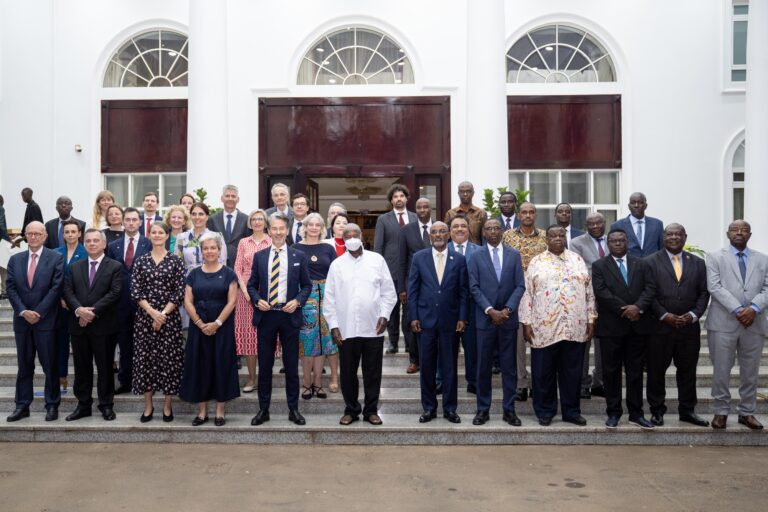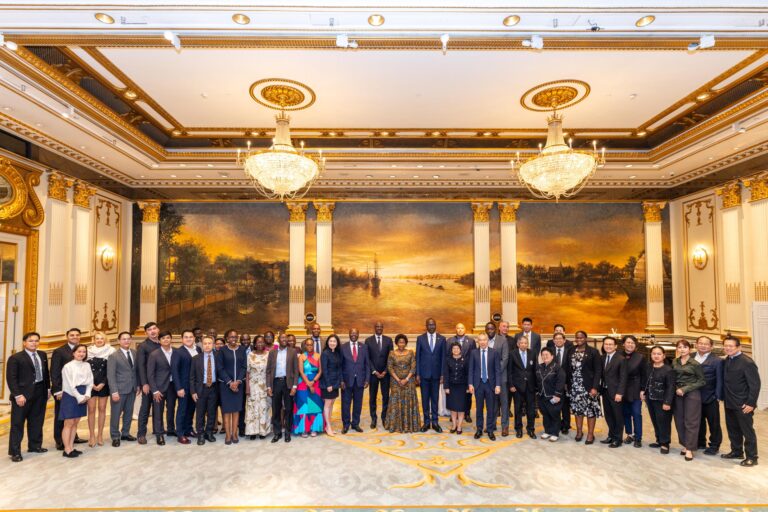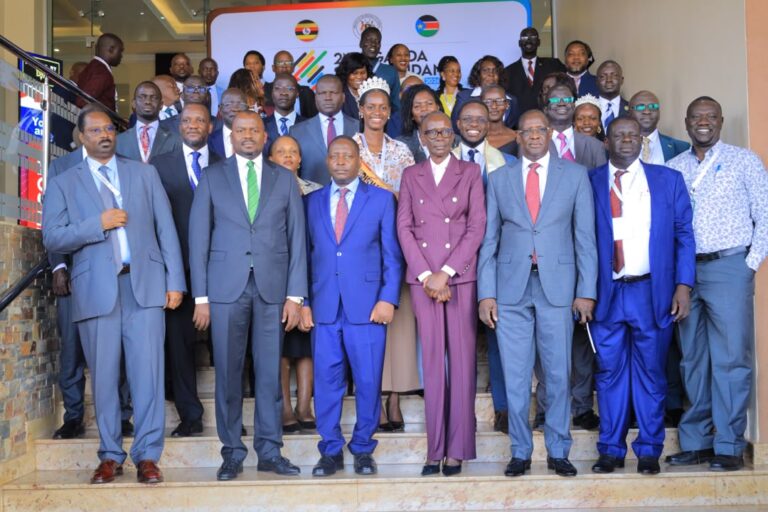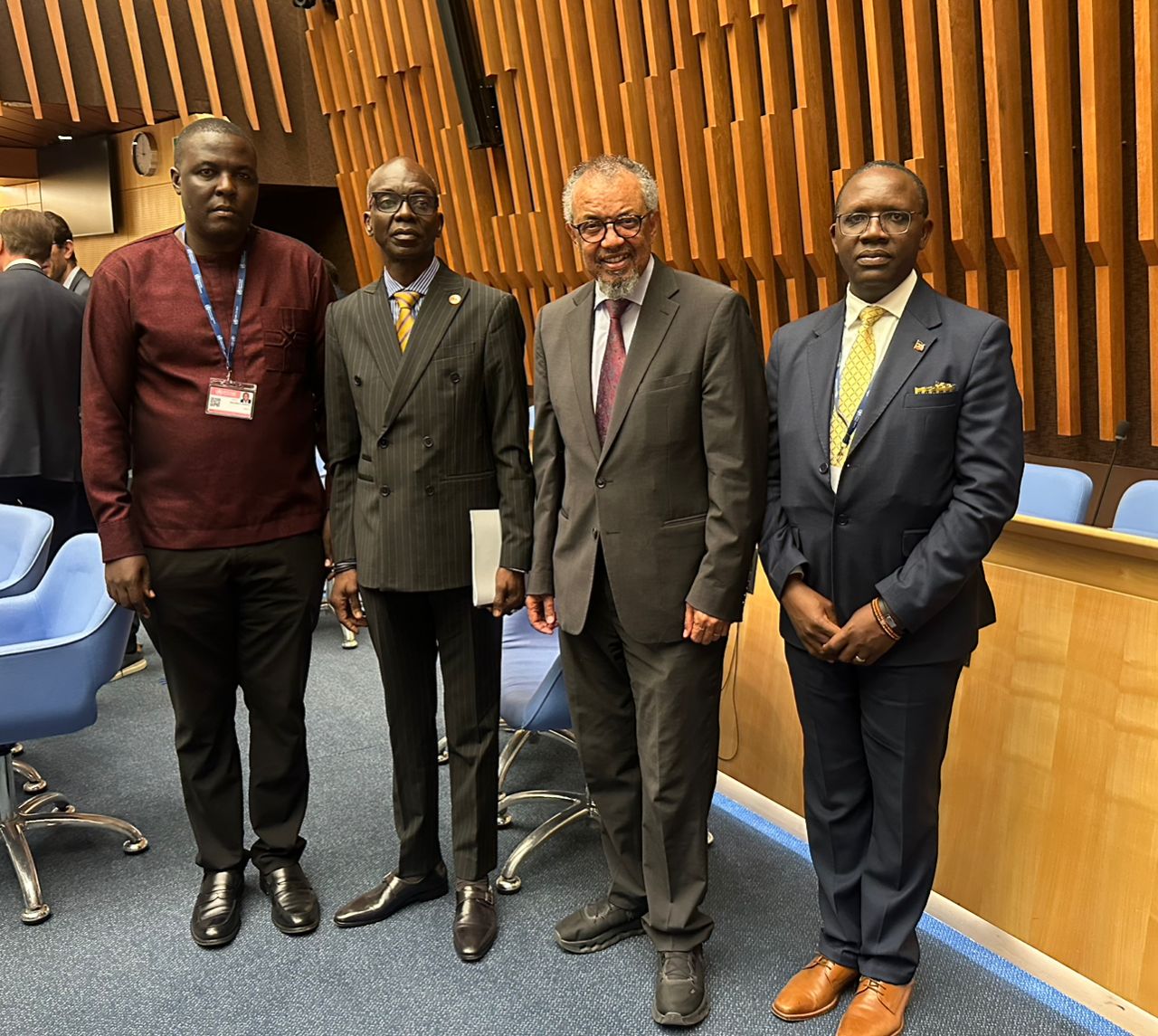
Geneva, Switzerland — Uganda’s latest engagement with the World Health Organization (WHO) over the Ebola/Bundibugyo Virus Disease situation has once again placed the country at the centre of an increasingly important global policy debate: how governments balance public health protection with economic continuity in an interconnected world. During a briefing convened in Geneva by WHO Director-General Tedros Adhanom Ghebreyesus, Uganda reaffirmed that the current Ebola situation remains stable and under control, while emphasizing the importance of coordinated communication, transparency, and evidence-based response mechanisms.
The Ministry of Health indicated that Uganda had registered two imported Ebola cases linked to travel from the Democratic Republic of Congo, with one death reported and the second patient having recovered. Ugandan officials further stressed that rapid response systems had already been activated, including surveillance, contact tracing, district coordination, and screening at points of entry. From a public health perspective, Uganda’s response reflects a country increasingly experienced in epidemic management. Over the last decade, Uganda has handled multiple outbreaks including Ebola, Marburg, and Mpox, gradually strengthening disease surveillance systems, laboratory capacity, and emergency coordination structures. Officials highlighted this institutional experience during the Geneva briefing, arguing that Uganda possesses the systems and technical capacity necessary to manage the current situation effectively.
Yet beyond the immediate health response, the situation exposes a broader governance and policy challenge confronting many African states: how to maintain public confidence, economic activity, and international openness during periods of health uncertainty. Uganda’s caution against unnecessary travel and trade restrictions reflects awareness of the economic consequences that often accompany epidemic narratives. In many developing economies, public health emergencies do not only threaten healthcare systems; they can rapidly affect tourism, trade, investment flows, transport, employment, and regional mobility.
This concern is particularly significant for Uganda at a time when the country is actively positioning itself as a leading regional tourism and investment destination. The ongoing Pearl of Africa Tourism Expo (POATE 2026), renewed tourism campaigns, and preparations for AFCON 2027 all form part of a wider national strategy aimed at expanding foreign exchange earnings and strengthening Uganda’s visibility within regional and global markets. Health crises, however contained medically, can quickly reshape international perceptions if communication gaps emerge. African economies have historically faced situations where outbreaks triggered disproportionate reputational and economic consequences even when risks remained geographically limited or operationally controlled.
Uganda’s emphasis on transparency during the WHO engagement therefore carries both diplomatic and economic significance. Officials argued that timely information-sharing and compliance with International Health Regulations should be viewed as responsible global cooperation rather than as grounds for isolation or panic. This reflects a growing global policy conversation around “risk communication diplomacy” the recognition that how governments communicate during crises increasingly shapes both public behaviour and international confidence. Inconsistent messaging can damage trust, fuel misinformation, and undermine economic recovery efforts long after outbreaks are medically contained.
The WHO’s subsequent public clarification that “the situation in Uganda is stable” was therefore diplomatically important. WHO further acknowledged that Uganda’s measures, including intense contact tracing and the cancellation of large gatherings such as the Martyrs’ Day commemoration, appeared effective in preventing wider spread of the virus. At policy level, Uganda’s response also illustrates the difficult balancing act many governments now face in a post-pandemic global environment. COVID-19 fundamentally altered how states approach mobility, health security, and emergency governance. While governments are under pressure to respond decisively to outbreaks, they must simultaneously avoid triggering unnecessary economic paralysis.
For African economies, the stakes are particularly high, Tourism-dependent countries often remain vulnerable to sudden perception shifts, while informal economies can experience immediate disruption when mobility restrictions or public fear affect transport, trade, and community interaction. Uganda’s current approach appears aimed at avoiding extremes: neither minimising the public health concern nor allowing fear-driven narratives to dominate economic and diplomatic engagement. The government’s insistence on targeted scientific measures rather than broad shutdowns signals a preference for calibrated containment strategies designed to preserve both public safety and economic continuity.
The broader lesson emerging from Uganda’s WHO engagement may therefore extend beyond Ebola itself. Increasingly, public health management is no longer viewed solely through medical lenses; it has become deeply connected to diplomacy, economic resilience, tourism policy, regional cooperation, and international reputation. In a world where information spreads instantly and perceptions influence markets rapidly, governments are judged not only by their ability to contain outbreaks, but also by their ability to communicate credibility, maintain stability, and preserve public trust simultaneously. For Uganda, the challenge now is not simply managing a health situation, but ensuring that confidence both domestic and international remains stronger than fear.