Kampala, Uganda | Uganda is seeking to attract increased European Union investment in electricity generation, transmission infrastructure and renewable energy as it targets 20,000 megawatts (MW) of installed power capacity by 2040 to support industrialisation and its ambition of building a US$500 billion economy.

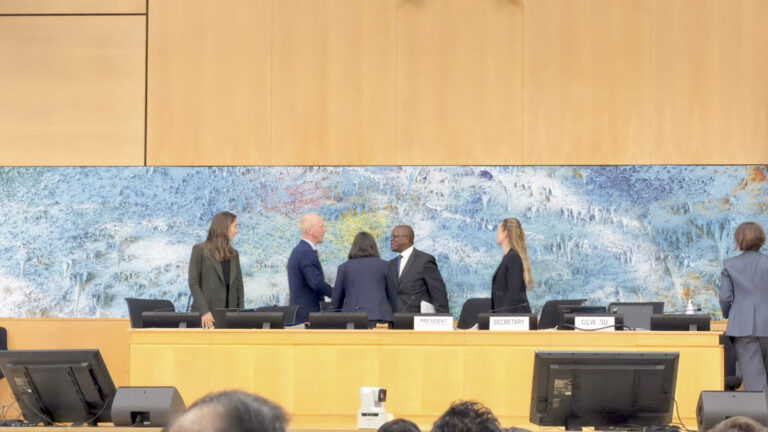
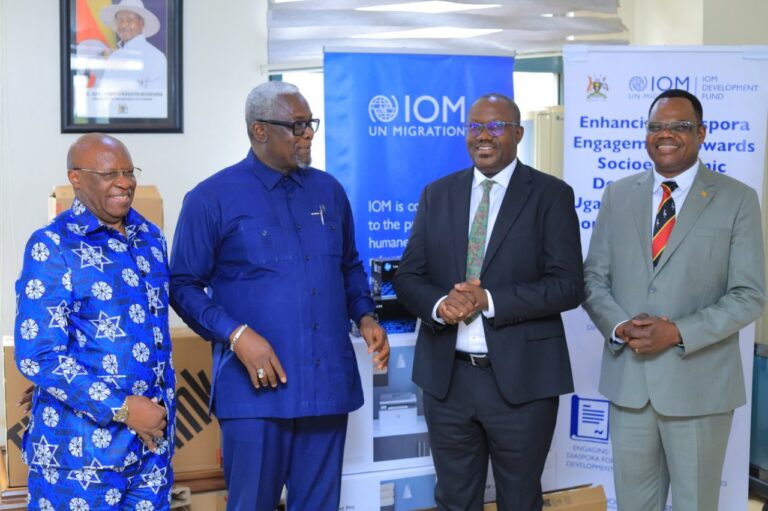
The Minister for Finance Planning & Economic DevelopmentHenry Musasizi outlined the investment opportunities while closing the first day of the two-day Uganda–EU Business Forum at Serena Hotel in Kampala. Held under the theme “Driving Investment, Renewable Energy Partnership and Green Industrialization under the Global Gateway Strategy,” the forum brought together government representatives, businesses and development partners to explore opportunities for financing Uganda’s economic transformation.
Musasizi said dependable electricity supply would be essential to expanding manufacturing, supporting industrial parks, strengthening value addition and improving the competitiveness of Ugandan products in regional and international markets. The investment drive comes as the government prioritises energy infrastructure under its Tenfold Growth Strategy, which focuses on agro-industrialisation, tourism, mineral development, including oil and gas, and science, technology and innovation.
Uganda’s energy ambitions are backed by a substantial allocation in the 2026/27 national budget. The government allocated Shs 2.07 trillion to energy development, according to the Ministry of Finance’s budget speech. The priority interventions include the proposed 380MW Kiba Hydropower Project, a 10MW floating solar plant at Isimba and at least 500MW of utility-scale solar generation in the Elgon and Acholi regions.
| Indicator | Capacity or allocation |
| Target installed capacity by 2040 | 20,000MW |
| Energy development budget, FY2026/27 | Shs 2.07 trillion |
| Proposed Kiba hydropower project | 380MW |
| Planned Isimba floating solar plant | 10MW |
| Planned utility-scale solar in Elgon and Acholi | At least 500MW |
| Government economic ambition for 2040 | US$500 billion |
The planned generation projects represent important steps towards expanding Uganda’s electricity supply. However, their proposed capacities should not be confused with operational capacity: the projects must progress through preparation, financing, construction and commissioning before their full contribution to the national grid can be realised.
The government’s programme also includes preparatory work for nuclear energy generation at Buyende, expansion of transmission and substation infrastructure, rural electrification and industrial power connections. These investments are intended to ensure that additional electricity reaches the businesses, production facilities and communities that need it.
While electricity generation remains a priority, Uganda’s ability to translate new capacity into economic growth will also depend on the strength and reliability of its transmission and distribution networks. Industrial parks, export processing zones and manufacturing facilities require dependable power connections to sustain production, manage operating costs and meet delivery schedules. Without adequate transmission infrastructure, additional generation capacity may not translate proportionately into higher industrial output.
The government is therefore seeking investment not only in power plants but also in transmission lines, substations and connections serving industrial and commercial consumers. For prospective European investors, this creates opportunities across the electricity value chain, including engineering, procurement and construction; renewable energy development; grid modernisation; energy storage; digital monitoring systems; and industrial electrification.
Investment models could include joint ventures, public-private partnerships and technology-transfer arrangements, depending on the commercial structure and regulatory requirements of individual projects. The central objective is to build an energy system capable of supporting a larger, more diversified economy while improving the reliability of electricity supplied to businesses.
Musasizi highlighted opportunities in hydropower, geothermal, solar, wind and nuclear energy, arguing that a diversified generation mix would strengthen electricity supply and support manufacturing competitiveness. He said 27 geothermal sites had been identified, with an estimated combined potential of 1,500MW.
If confirmed through technical assessments and developed into viable projects, geothermal resources could provide an additional option for diversifying Uganda’s electricity supply. Their development would, however, require detailed resource exploration, feasibility studies, appropriate technology and substantial upfront investment.
Solar power offers another avenue for expanding generation capacity, particularly through utility-scale installations and projects that complement existing hydropower infrastructure. Wind and nuclear energy could also feature in the longer-term energy mix, subject to resource assessments, technical requirements, financing and regulatory preparation. Diversification would help Uganda assess different generation technologies against their costs, reliability, environmental implications and ability to meet demand throughout the year. For investors, the opportunity will depend on the availability of credible feasibility studies, clear procurement arrangements, viable power-purchase structures and predictable regulation.
The energy investment push comes amid growing commercial relations between Uganda and the European Union. According to figures presented by Ugandan and European officials, Uganda’s exports to the EU reached approximately €1.8 billion in 2025. The European Union has also reported a substantial increase in trade with Uganda over the past decade, reflecting the importance of the market to Ugandan exporters.
Musasizi cited an increase in Uganda’s exports to the EU from approximately €500 million in 2019 to €1.8 billion in 2025. He also reported that Uganda’s total exports of goods and services reached US$18.4 billion in the 2025/26 financial year. These figures cover different measures and periods: bilateral exports to the EU should not be conflated with Uganda’s total exports worldwide. The minister called for greater access to European markets for Ugandan value-added products, alongside investment in domestic manufacturing and processing.
The underlying economic proposition is that stronger electricity infrastructure can support production, while greater access to markets can expand demand for the goods produced. Together, these conditions could encourage investment in agro-processing, industrial manufacturing and other activities that generate employment and retain more value within Uganda. For European companies, the opportunity extends beyond supplying equipment or financing individual power projects. It also includes partnerships with Ugandan enterprises seeking to expand production, improve technology and access international value chains.
EU Ambassador to Uganda Jan Sadek reaffirmed the European Union’s commitment to strengthening investment partnerships and mobilising financing under its Global Gateway strategy. He emphasised, however, that converting Uganda’s energy potential into completed projects would require bankable proposals, predictable regulations and financing arrangements capable of reducing risks for private investors. These considerations are particularly important for large infrastructure projects, which often require substantial upfront capital, long development periods and reliable revenue arrangements.
The Global Gateway framework provides a platform for European engagement in strategic infrastructure and sustainable development. In Uganda, energy cooperation already includes support for existing renewable power assets.
The European Union has identified the rehabilitation of the Nalubaale and Kiira hydropower plants as a flagship Team Europe initiative, backed by a €170 million financing package comprising €30 million in EU grant funding and concessional loans from the European Investment Bank and the French Development Agency. The project aims to extend the operational life of the strategic power assets by at least another 30 years.
This existing engagement illustrates the range of potential cooperation, from rehabilitating established infrastructure to developing new generation capacity and strengthening the wider electricity network. Amb. Sadek encouraged businesses, financial institutions and public agencies attending the forum to use its matchmaking and deal-making sessions to develop partnerships, identify financing opportunities and move viable projects towards implementation.
Uganda’s 20,000MW target represents a long-term ambition requiring sustained investment, coordinated planning and effective implementation across the energy sector. The scale of the challenge extends beyond financing generation projects. It also involves securing land and permits where necessary, completing technical studies, managing construction risks, expanding grid connections and ensuring that electricity can be delivered reliably at commercially sustainable costs. For industrialisation, the ultimate measure of success will be the extent to which energy investments support productive economic activity. That includes more reliable power for manufacturers, expanded processing of agricultural products, stronger industrial supply chains, and improved export competitiveness and employment opportunities.
The government’s ambition to build a US$500 billion economy by 2040 will therefore depend not only on the quantity of electricity generated but also on how effectively infrastructure supports investment, productivity and value addition. The Uganda–EU Business Forum provides an opportunity to align public priorities with European capital, technology and expertise. The next step is to translate discussions into projects with credible business cases, transparent financing structures and measurable economic outcomes.
As Uganda pursues its energy and industrialisation ambitions, the partnership’s lasting value will be determined by the investments delivered, the reliability of the electricity supplied and the productive opportunities created for Ugandan businesses and workers.